Lead Safe Paint India Rules Must Protect Rental Homes
 TBH Editorial
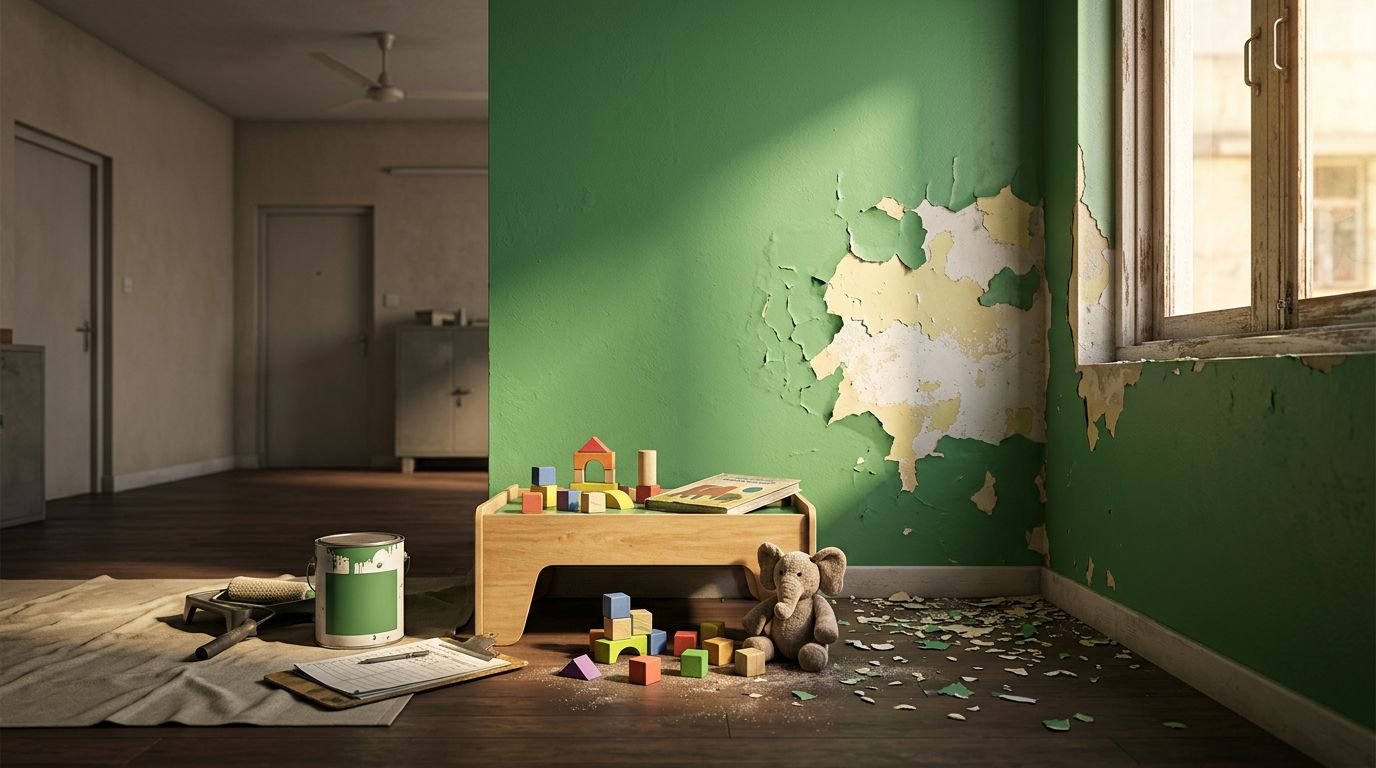
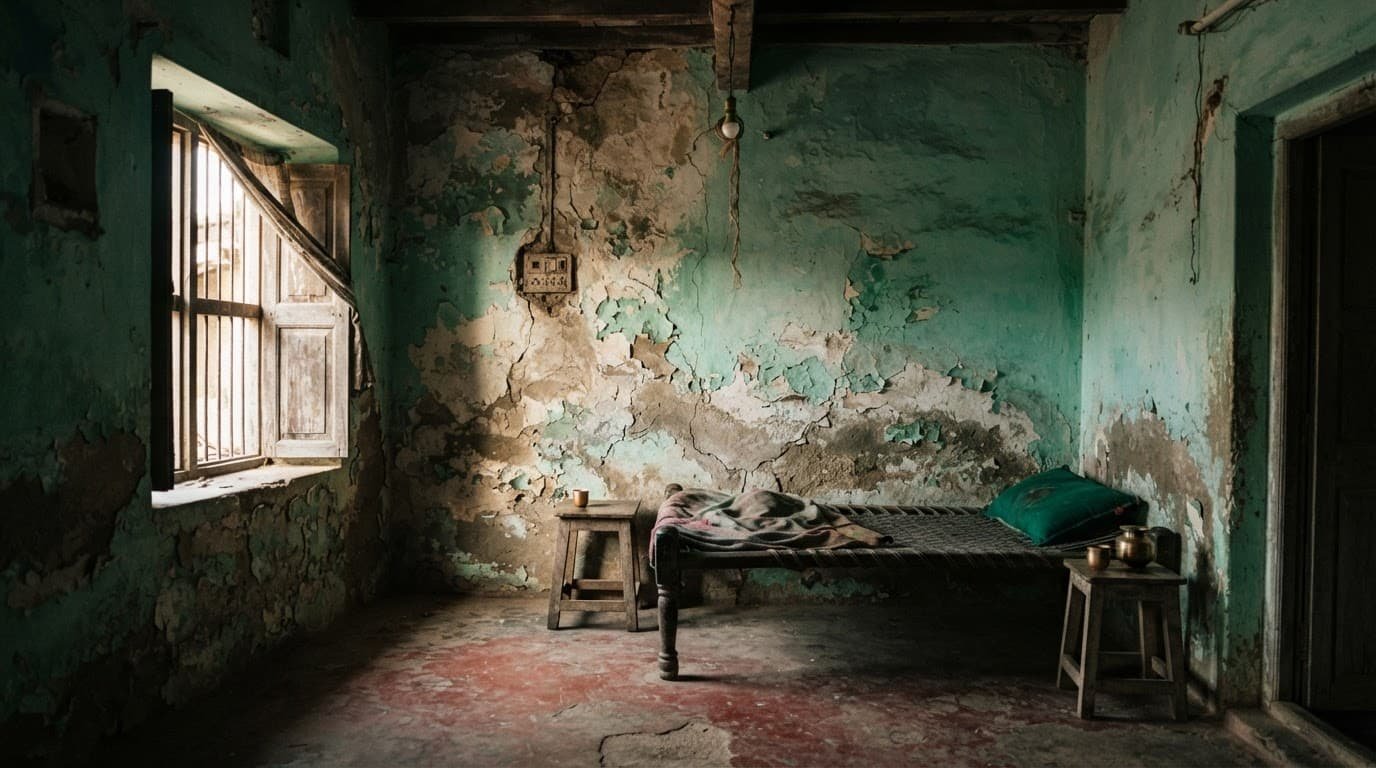
Fresh paint can hide a problem better than it solves one. A renter may sign a lease with bright walls, then find peeling chips near windows and dust gathering where a child plays.
That is why lead safe paint India cannot remain a shopping question for careful homeowners. India has a legal cap, but a rental market full of quick repainting jobs still leaves tenants carrying risks they did not create.
A home is not safe because newly painted walls can conceal older lead paint beneath them. It is safe when the materials, records, repairs, and accountability behind those walls hold up.
Key Takeaways
- India’s 90 ppm lead limit applies to regulated household and decorative paints, but it does not remove lead from older paint layers already present in rental homes.
- Fresh paint can conceal damaged or contaminated surfaces, especially when contractors dry-sand, scrape, or sweep renovation dust without proper controls.
- Renters should document peeling paint, ask for product and repair records, avoid disturbing damaged surfaces, and use qualified XRF testing or accredited laboratory analysis when needed.
- Safe repairs require containment, wet cleaning, controlled disposal, trained workers, and documented compliant paint—not a cosmetic coat over cracking, damp, or shedding surfaces.
- Stronger rental protections should connect lease disclosures, inspections, contractor accountability, complaint routes, and penalties for unsafe repainting.
Why India’s lead-safe paint rules must include rental homes
A recent Indian study reported that more than 90% of 51 household paint samples tested had lead above the 90 ppm limit. This does not prove every can on a shop shelf is unsafe. It does show why lead paint remains a market concern, and why blind trust is not a safety plan.
Earlier testing had already exposed the scale of the problem. IPEN’s household paint research found serious gaps in the Indian market before the current rules took effect. The issue was not only old buildings. It was also new paint sold for everyday homes.
The 90 ppm limit is law, not a suggestion
India’s Regulation on Lead Contents in Household and Decorative Paints Rules, 2016 took effect on November 1, 2017. It caps lead at 90 ppm, expressed as parts per million ppm in the dried paint film’s non-volatile content.
The rule’s household scope includes interior and exterior paints. It prohibits the manufacture, trade, import, and export of household and decorative paint above that threshold. Manufacturers must meet applicable permissible limits. Products must carry a declaration that lead content in paint does not exceed the 90 ppm limit.
The Bureau of Indian Standards supports paint standards and test methods. The 90 ppm cap comes through national regulation, not voluntary goodwill.
The cap governs regulated products, not automatically older layers already on rental walls. Visual inspection alone cannot reliably identify lead or other hazardous substances in those layers.
Lead pigment and lead-containing drying agents were once used in coatings. They made some paints brighter, tougher, or faster to dry. The toxic nature of lead means those old advantages are not worth a child’s developing brain.
Lead exposure can damage learning, attention, behaviour, and brain development. This is a central concern of lead toxicity, and the harm can be irreversible. These health hazards can also affect the kidneys and reproductive health. Young children face the highest risk because they crawl, touch dusty surfaces, and put hands in their mouths.
A flaking wall is not only a maintenance problem when a child lives nearby. It can become a hand-to-mouth exposure route.
The rental market leaves a dangerous blind spot
The rule controls new household and decorative paint. It does not make old layers disappear from a rented flat. That gap matters. Old lead paint may remain beneath a new coat or on doors, window frames, and grills. Older layers may contain lead based paint and other hazardous substances.
A landlord may repaint one damaged patch before a tenant visits. A contractor may dry-sand an old door frame, scrape a window grill, or sweep renovation dust into a corridor. These actions can move contamination and create lead exposure for renters. The room looks refreshed, but the risk has simply moved.
A peer-reviewed study of household paints in India showed why paint chemistry deserved public attention long before renters began asking landlords for safety records. The legal cap is progress. It is not a time machine.
Renters also have less power than owners. They may not know the paint’s history, cannot approve the contractor, and may fear eviction if they complain. A family on a one-year lease should not have to pay for laboratory testing because someone else chose the cheapest repainting job.
Low VOC paint does not automatically mean low lead. VOCs relate to airborne chemicals and odour. Lead is a heavy metal hazard. Both matter, but one label cannot prove the other.
Paint manufacturers such as Asian Paints, Kansai Nerolac, and Berger Paints sell lower-emission or indoor-air-focused ranges. Asian Paints’ Green Assure and Royale Atmos, along with Berger’s Breathe Easy range, can start a verification conversation. A brand may sell different products for interior and exterior paints, so these examples are not proof by themselves. Ask for the exact product name, batch details, lead declaration, and certification scope.
The IPEN certification program uses the 90 ppm benchmark and third-party review. Its lead safe paint certification applies to a defined scope, not automatically to every product or factory. Check the manufacturer’s current product range and factory coverage before relying on it.
What to do when paint in a rental home looks unsafe
Peeling paint is not proof that lead is present. It shows that the surface needs attention. Treat it seriously until testing says otherwise, especially in homes built or repeatedly repainted before 2017.

Start with calm, practical steps:
- Do not dry-sand, scrape, or drill into damaged paint. Avoid dry sweeping too. Wet-wipe window sills and floors, then wet-mop to reduce settled dust. Keep children away from flakes and renovation areas. These steps can reduce lead exposure.
- Put the concern in writing. Photograph peeling surfaces, date the images, and notify the landlord or property manager by email or message. Ask which paint was used, when it was applied, and whether the label confirms lead below 90 ppm.
- Use testing that can answer the real question. At-home swab kits can provide a rough screen, but they are not a clean bill of health. For a reliable result, ask a qualified professional to use portable X-ray fluorescence (XRF), or send properly collected paint chips to an accredited laboratory for total-lead analysis. Request the result in ppm, the test method used, and a comparison with the applicable permissible limits.
- Demand safe repair work, not cosmetic cover-up. A trained contractor should contain the work area and treat paint dust and debris as hazardous substances during repair and disposal. Workers should avoid dry abrasion, collect debris, clean thoroughly, and use documented compliant paint. Never let workers burn painted wood, throw chips into open waste, or wash paint debris into a drain.
Painting over intact old paint can sometimes reduce exposure if the new coating fully seals a stable surface. It does not solve a wall that is cracking, damp, chalking, or already shedding dust. Painting over damage without repair is a lid on a leaking container.
If a child may have eaten paint chips or has regular contact with renovation dust, speak with a paediatrician about blood lead testing. Don’t wait for obvious symptoms. Lead poisoning often has none at first.
Rental paint rules need records, inspections, and tenant protection
A real lead safe paint India policy needs to reach the point where a person signs a lease. Current paint regulations need to connect lease-stage disclosures with documented repair practices. Safety should not depend on whether a tenant knows the right questions.
Rental homes need basic requirements:
- Landlords should disclose recent repainting, visible paint damage, and known renovation work before a lease is signed.
- Major repairs in older buildings should trigger a documented lead-risk assessment before sanding, stripping, or demolition begins.
- Contractors should follow dust-control rules and provide the paint invoice, product label, and completion record. Work plans should document the containment, cleanup, and disposal of hazardous substances.
- Tenants need a simple complaint route, time-bound inspection, and protection against rent retaliation or eviction after reporting hazards.
- Repeat offenders need penalties that cost more than a rushed repaint.
This is systemic change in its least glamorous form. Paperwork. Inspection logs. Repair budgets. People being held responsible after the keys change hands.
Sustainable business models have a role, but they cannot replace enforceable inspections. Property managers and housing societies can build safe repainting into maintenance contracts, train workers, and offer lower-cost compliance support to small and medium enterprises. A circular economy should not mean salvaging old doors, windows, or fixtures without controlled stripping and cleanup.
Public health, climate literacy, and neighbourhood accountability
Paint containing lead is one of the environmental hazards that can contaminate household dust, waste streams, drains, and soil. Its flakes and dust can move beyond one family when unsafe repair work spreads debris into shared spaces. That debris may carry hazardous substances through shared waste, soil, or drainage pathways.
Urban biodiversity already survives beside traffic, construction dust, litter, and heat. Contaminated dust and renovation waste can increase lead exposure among neighbours, children, and people using shared green spaces. Adding this waste to small green patches is not harmless. Plant-based living and lower-waste habits cannot make contaminated dust on a nursery floor safe.
Climate literacy must include the materials inside homes, not only carbon charts and solar panels. Everyday mindfulness means noticing a flaking wall, a dry-sanding contractor, or paint chips near a child’s bed. It must not become another excuse to make tenants do the regulator’s work.
When authorities claim that “action has been taken,” ask for records. Under the Right to Information Act, request existing documents with defined dates, such as inspection reports, paint test results, notices issued, and action-taken reports. Ask for certified copies, not broad explanations.
For people who want community action tied to public health, urban biodiversity, and climate literacy, Explore Our Active Missions connects concern with work that reaches the places where environmental harm lands first.
Frequently Asked Questions
Does India’s 90 ppm rule make every rental home safe?
No. The rule limits lead in regulated household and decorative paints, but it does not remove lead from older layers already on walls, doors, windows, or grills. Unsafe repair work can also create contaminated dust even when the new paint complies.
Can peeling paint prove that lead is present?
Peeling paint is not proof of lead, but it is a reason to treat the surface carefully until testing says otherwise. Do not dry-sand, scrape, drill, or dry-sweep the area, and keep children away from flakes and renovation dust.
How can a renter check for lead in paint?
Ask the landlord for the exact product name, batch details, lead declaration, and repair records. At-home swabs are only rough screens; qualified XRF testing or properly collected paint-chip analysis by an accredited laboratory can provide more reliable results.
Is low VOC paint the same as lead-safe paint?
No. VOC labels relate to airborne chemicals and odour, while lead is a heavy metal hazard. A low-VOC claim does not prove that paint contains less than 90 ppm of lead or that older paint layers are safe.
What should a landlord do before repainting an older rental home?
The landlord should assess the risk, use trained contractors, contain the work area, avoid dry abrasion, control dust, and dispose of debris safely. The landlord should also provide tenants with the paint invoice, product information, and a record of the completed repair.
A rental home should not hide a toxic inheritance
Fresh paint should never be a gamble between a clean-looking room and a safe one. India’s 90 ppm rule set an important floor, but renters need protection against old layers, careless repairs, and empty assurances.
A lead free paint claim needs supporting documentation and cannot prove that older layers or unsafe repairs are harmless. A credible lead safe paint certification is only one part of a safe system. It also requires records, trained contractors, enforceable standards, and tenants who can ask hard questions without risking their home.
A lease should buy shelter, not an undisclosed toxic inheritance.