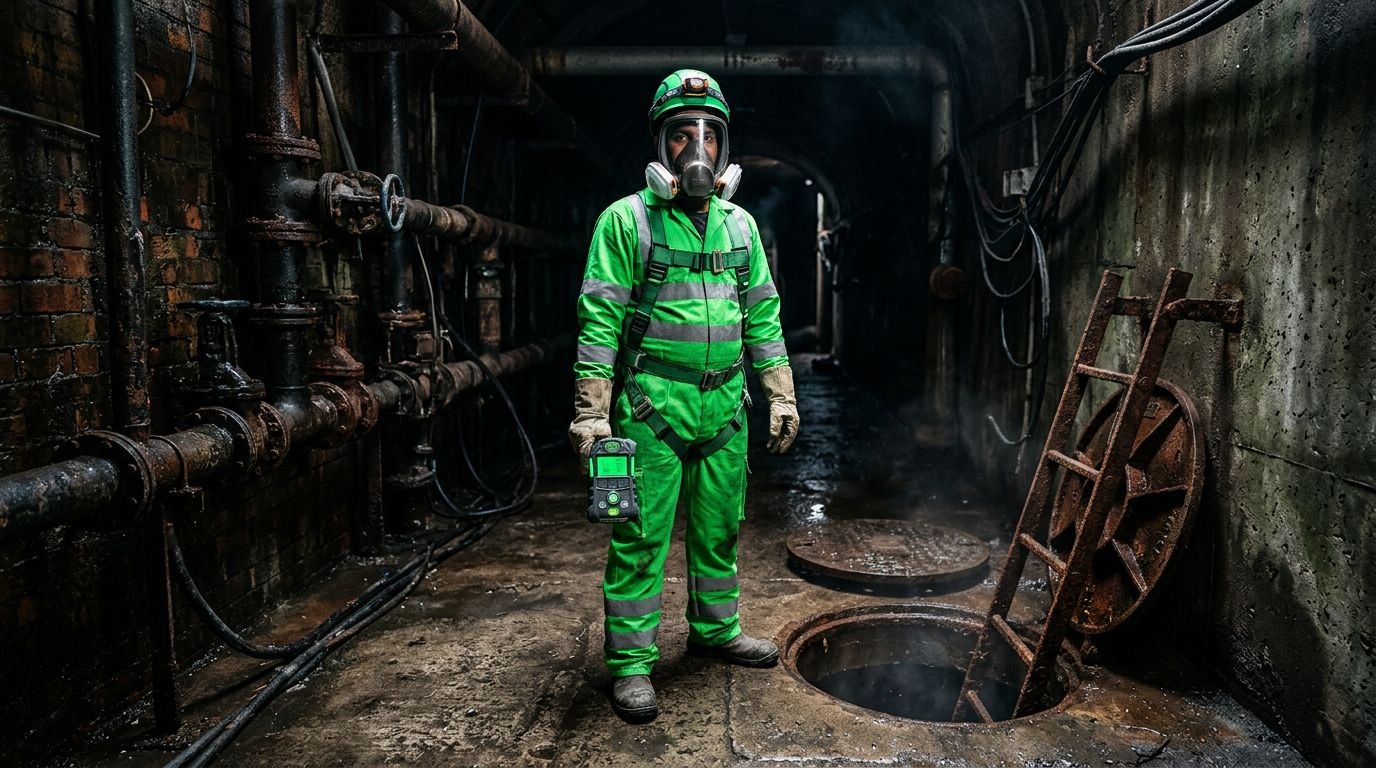
Why India’s Sewer Workers Need Real-Time Toxic Gas Monitors
 TBH Editorial
The smell of rotten eggs is not the worst warning sign inside a sewer. The worst moment is when the smell disappears, because hydrogen sulfide can overwhelm a worker’s sense of smell before it overwhelms their body.
That is why a properly selected sewer gas detector belongs in sewer worker gas monitors, rather than being treated as optional equipment handed out for an inspection photograph. Portable gas monitors and other reliable gas detection equipment should support that sewer gas detector before entry. India has recorded 1,298 sewer and septic-tank worker deaths from 1993 to February 2025, according to National Commission for Safai Karamcharis figures. Behind every number is a preventable failure of equipment, training, contracts, or supervision.
Key Takeaways
- Sewer workers face changing mixtures of hydrogen sulfide, methane, carbon dioxide, carbon monoxide, and oxygen-deficient air; no single smell or sensor can identify every risk.
- A properly selected multi gas detector should test before entry and monitor continuously in each worker’s breathing zone, while ventilation and an external rescue plan remain essential.
- Portable gas monitors protect entrants, while fixed gas detection can identify recurring hazards at pump stations, wet wells, treatment plants, and problem chambers.
- Bump tests, calibration, battery checks, maintenance records, and alarm training are necessary because an uncharged or poorly maintained monitor creates a false promise of safety.
- Protecting sewer workers requires more than equipment: municipalities and contractors need enforceable permits, trained teams, accountable supervision, and a clear right to refuse unsafe entry.
Sewer gases are a mixture, not a single problem
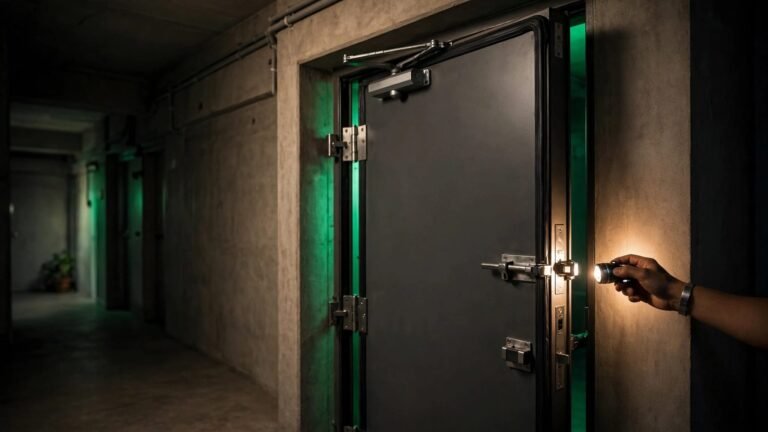
A manhole is not an open workplace. Sewers are confined spaces where air can turn hostile within minutes. Organic waste undergoes anaerobic decomposition, releasing gases that collect, shift, and spike as water flows, pumps start, or sludge is disturbed.
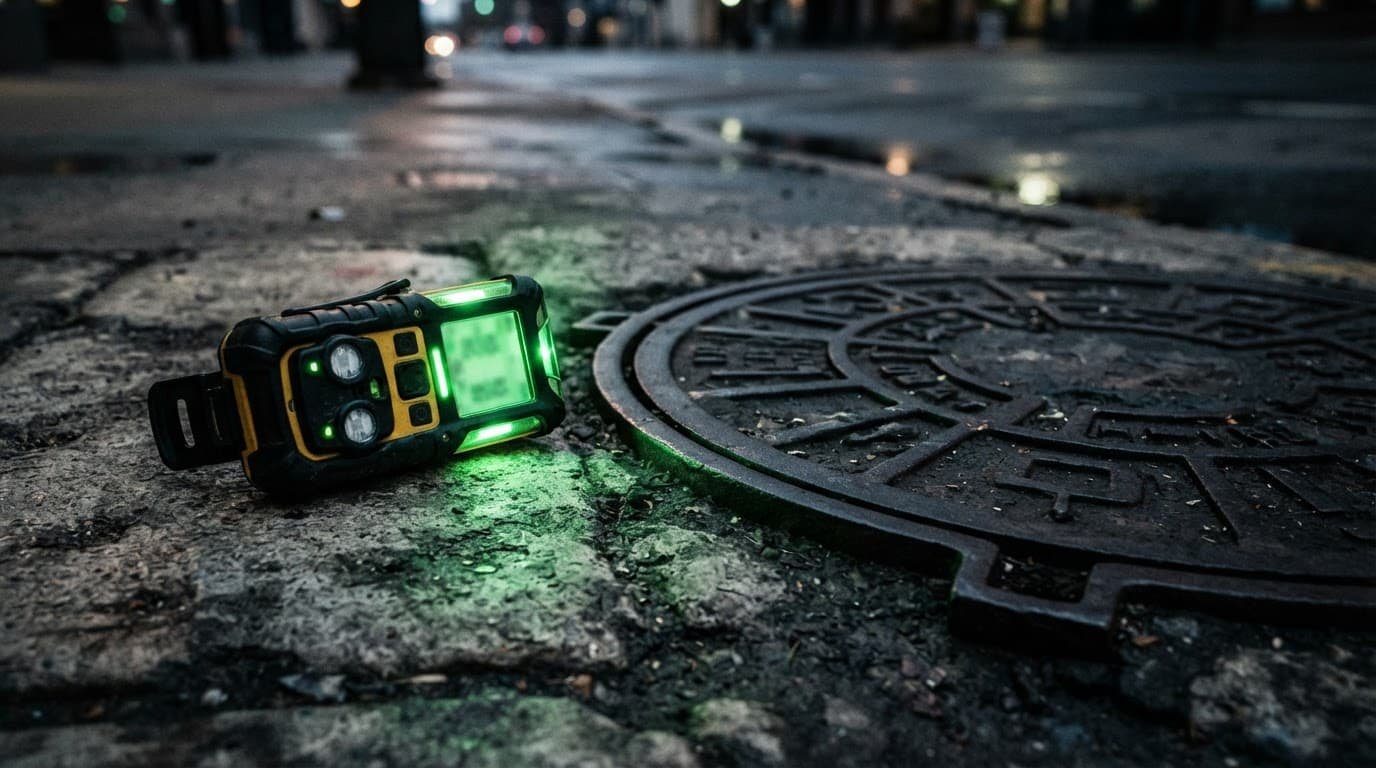
The main dangers are different, and a single-gas alarm can miss too many toxic gases. A sewer gas detector and portable gas monitors are needed to identify this changing mixture.
- Hydrogen sulfide (H2S) is toxic at low concentrations and can knock out the sense of smell at higher ones.
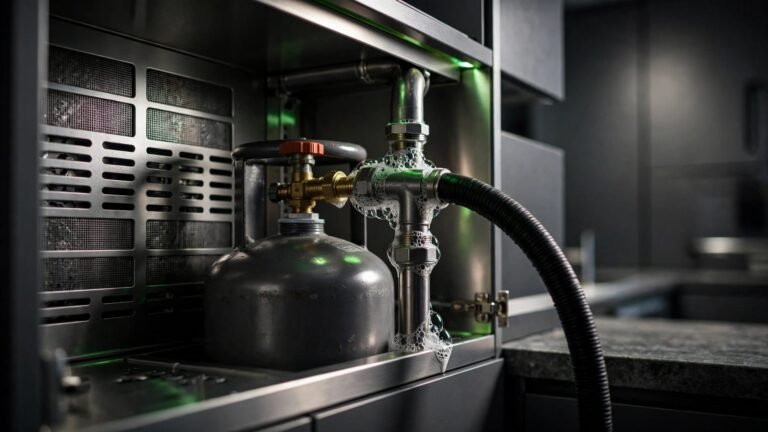
- Methane (CH4) is among the flammable gases. A spark from unsuitable equipment can turn accumulated gas into an explosion.
- Carbon dioxide (CO2) can displace breathable oxygen, especially in low or poorly ventilated chambers.
- Carbon monoxide (CO) may come from engines, pumps, combustion sources, or nearby traffic.
- Oxygen depletion can happen as waste decomposes or as other gases push oxygen out of the air.
A worker can look fit, experienced, and alert at the edge of a chamber. None of that tells us which hazardous gases sit two metres below.
OSHA’s sewer-system confined-space guidance treats sewer entry as permit-required because the danger is built into the work itself. India needs the same discipline in practice, even when contractors are paid by the job and workers are rushed by the hour.
Why hydrogen sulfide strikes without warning
Hydrogen sulfide is the gas people remember because it smells like rotten eggs. That smell is useful only at low exposure. At dangerous levels, it can numb the nose. The worker thinks the air has improved. It hasn’t.
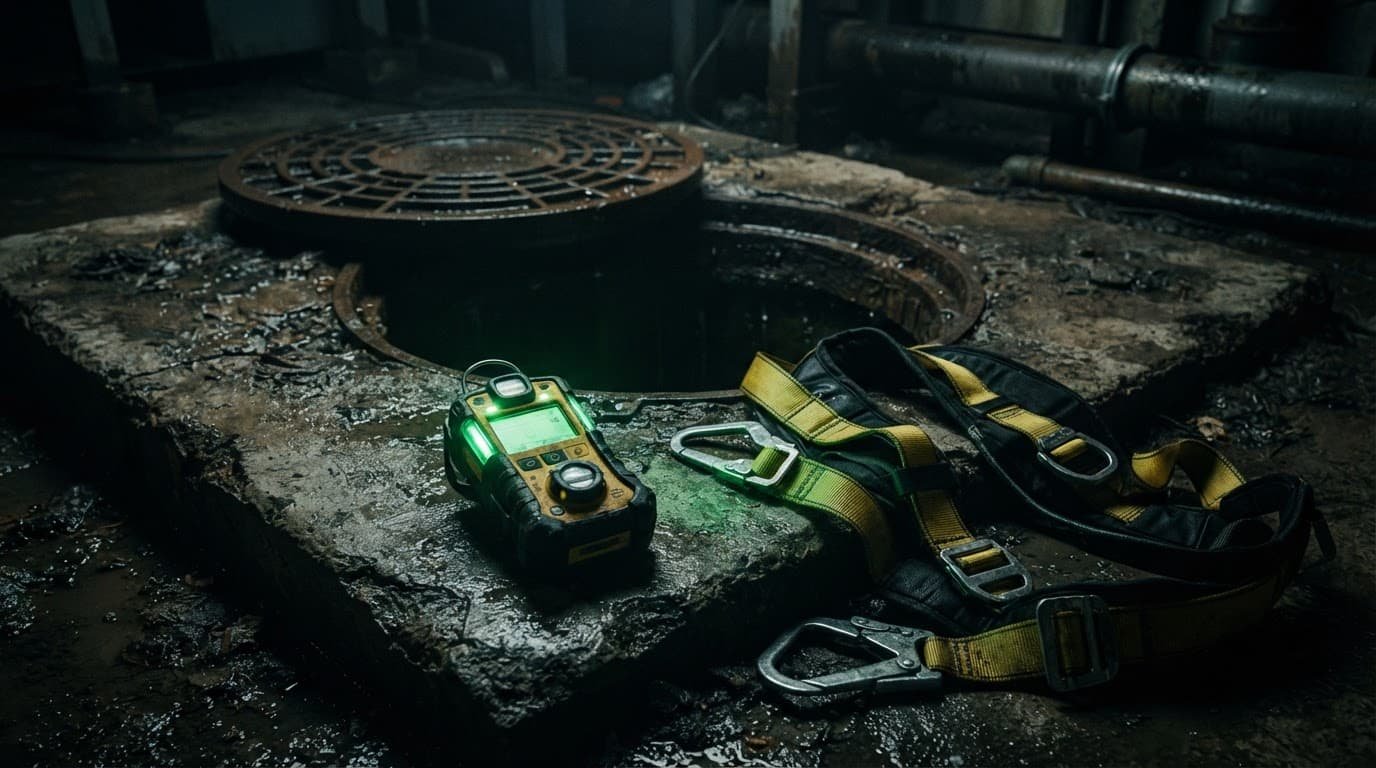
This is why “use your senses” is not a safety method, and a sewer gas detector must replace them. Eyes cannot see these hazards, and lungs cannot negotiate with them. A handkerchief, a basic mask, or a damp cloth does nothing against toxic gases, while carbon monoxide cannot be reliably identified by smell.
H2S can build up near sludge, wet wells, septic tanks, and organic waste. Methane and carbon dioxide may rise or settle differently, while turbulence can mix the air without warning. Because gas concentration can vary by height, atmospheric testing with portable gas monitors must sample the top, middle, and bottom before entry. Readings must continue throughout the job, not stop at the opening.
A gas monitor does not make a sewer safe. It tells the team when entry must stop, ventilation must continue, or an external rescue plan must be activated.
Why Sewer Worker Gas Monitors Need Real Time Monitoring
Portable gas monitors can serve as a personal sewer gas detector, giving workers an early warning before headache, dizziness, collapse, or ignition. A good multi gas detector measures oxygen, combustible gas as a percentage of the lower explosive limit, hydrogen sulfide, and carbon monoxide at the same time.
Inside these devices, different sensors do different jobs:
- Electrochemical sensors are commonly used for H2S, CO, and oxygen.
- Catalytic-bead sensors detect combustible gas, though they need regular checks and can be affected by contaminants.
- Infrared sensors can measure methane in oxygen-poor spaces where catalytic sensors may struggle.
The device should be lowered into the space using a sampling pump before anyone descends. Once entry starts, use functioning portable gas monitors in every entrant’s breathing zone, not one clipped to a ladder above. Wireless communication can relay alarms to an attendant or supervisor.
Continuous atmospheric-monitoring guidance calls for checks of oxygen, flammability, and toxic conditions during work in confined spaces. That principle matters more than the paperwork around it. Air changes while the work happens.
Buying certified gas detection equipment is not the finish line. Workers need clear alarm training and safety procedures: evacuate on alarm, make a no-entry decision when conditions are unsafe, and never send an unprotected colleague down to pull someone out. Secondary deaths happen when courage is forced to replace a rescue plan.
Portable monitors and fixed systems should work together
Portable gas monitors protect the entrant, while a personal sewer gas detector provides an immediate warning. Fixed gas detection protects wider operations at pump stations, wet wells, wastewater treatment plants, and recurring problem chambers. Some sites also need carbon monoxide monitoring near engines or other combustion sources.
For smaller municipalities, the sensible path isn’t an expensive control room before basic protection exists. Start with reliable personal monitors, trained attendants, forced ventilation, retrieval gear, and documented entry permits. Then install fixed monitoring at the highest-risk sites identified through incident logs and worker reports.
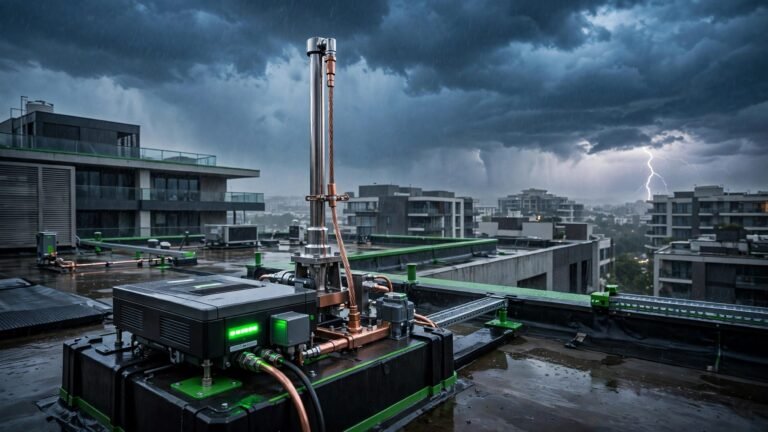
A fixed sensor can send alarms to supervisors before a crew arrives. It can reveal repeated spikes linked to certain flows, rain events, pump failures, or organic waste. That history helps sewer maintenance teams fix the cause instead of repeatedly sending people into the same hazard.
Low-cost pilots have a place. An arduino microcontroller and methane gas sensor can support non-critical trend collection, data logging, and wireless communication to a local dashboard. This hobby-grade arrangement isn’t life-safety equipment, and it can’t make entry decisions. Entry decisions must rely on certified gas detection equipment. A multi gas detector must have known performance, dependable power, and calibration and maintenance records.
Sensible monitoring requirements for confined spaces also stress the basics: test before entry, monitor continuously, and treat oxygen deficiency as an emergency.
A Sewer Gas Detector That Is Not Maintained Is a False Promise
A dead battery, blocked inlet, expired sensor, or muted alarm can create the appearance of safety while leaving workers exposed. That is the same old pattern we see in weak pollution control, a visible object replacing a working system.
Every shift needs a simple readiness routine for portable gas monitors:
- Inspect the monitor’s casing, inlet, battery level, alarm, and carbon monoxide channel.
- Conduct a bump test with known test gas according to the manufacturer’s instructions.
- Calibrate it on schedule, after failed bump tests, or after exposure that may damage electrochemical sensors.
- Record who used it, where it was used, the gas concentration readings, alarms, repairs, and calibration dates.
A bump test is not the same as calibration. The first confirms that the sensors and alarms respond to test gas. Calibration adjusts the instrument so its reading matches a known concentration.
Calibration and maintenance are operational responsibilities, not occasional paperwork. Data logging can support these records, but it cannot replace accountable documentation.
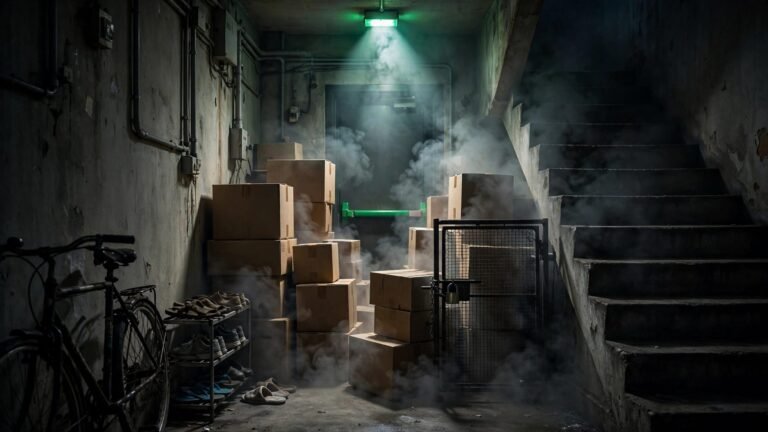
Sewer worker gas monitors also need docking stations or accountable charging routines. A device cannot protect someone if it is sitting uncharged in an office cupboard while a contractor opens a manhole outside.
Safety is a labour-rights and ecological question
Protecting worker safety cannot be outsourced or replaced by treating a person as a living sensor. If a city can track traffic, water bills, and property taxes, it can track confined-space permits, gas-monitor logs, equipment faults, and contractor violations.
This is systemic change. Sewer maintenance contracts should reward verified safe work, training, mechanical cleaning, equipment uptime, and workers who can refuse unsafe entry without losing their income.
The ecological impact reaches beyond the chamber. Sewer failures and untreated discharges damage drains, ponds, wetlands, and urban biodiversity. A circular economy that celebrates reclaimed water, methane recovery, or biosolids cannot ignore the people closest to the toxic source. This responsibility extends to wastewater treatment plants and the systems that connect them to communities.
Climate literacy also has to include labour. Methane is not only a climate pollutant. In a confined chamber, it is an explosion risk. Plant-based living and lower-waste habits can reduce parts of our ecological footprint, but no consumer choice cancels an employer’s duty to protect sanitation workers.
Residents and unions can ask municipal bodies for defined records: entry permits, inspection reports, safety procedures, gas-monitor maintenance logs, contractor safety clauses, and action taken after incidents. Everyday mindfulness means noticing a recurring sewage smell or open manhole, then demanding a proper response, not asking someone to climb down and “check.”
For people who want local work tied to climate literacy, community resilience, and accountability, Explore Our Active Missions connects concern with action that reaches the ground.
Frequently Asked Questions
Why is a sewer gas detector necessary if workers can smell hydrogen sulfide?
Smell is unreliable because hydrogen sulfide can numb the sense of smell at dangerous concentrations. A sewer gas detector provides measured warnings for H2S and other hazards that workers cannot see or reliably identify.
Which gases should a sewer worker gas monitor detect?
A suitable multi gas detector should measure oxygen, combustible gases such as methane, hydrogen sulfide, and carbon monoxide. These hazards can change as sludge is disturbed, water flows, pumps start, or ventilation shifts.
Should workers monitor the air only before entering a sewer?
No. The atmosphere must be tested before entry and monitored continuously during the job because conditions can change within minutes. Sampling should cover the top, middle, and bottom of the space, with the monitor used in each entrant’s breathing zone.
How often should portable gas monitors be tested and calibrated?
Workers should inspect the device and perform a bump test with known test gas according to the manufacturer’s instructions. Calibration is also required on schedule, after a failed bump test, or after exposure that may damage the sensors.
Can a low-cost methane sensor or Arduino system protect sewer workers?
It may support non-critical trend collection, data logging, or local alerts, but it is not life-safety equipment. Entry decisions must rely on certified gas detection equipment with known performance, dependable power, and documented calibration and maintenance.
The air below the street deserves the same value as life above it
A sewer is not dangerous because workers lack courage. It is dangerous because public systems still allow invisible risks to be managed by luck.
Real time monitoring, fixed gas detection, maintained equipment, trained teams, and no-entry rules when readings are unsafe can stop predictable deaths. A monitor is a warning, but accountability is the protection.