Why India Needs Vulture-Safe Veterinary Drugs
 TBH Editorial
A painkiller can ease a cow’s suffering, but diclofenac residues in its carcass can cause fatal kidney failure in vultures.
When veterinary use is assessed without this risk, entire populations can collapse, and communities lose a public-health defence they rarely notice.
Treating livestock and protecting wildlife are compatible responsibilities. The first step is understanding where a medicine’s effects go after treatment.
How diclofenac caused the vulture crisis
Diclofenac was the main cause of the South Asian Gyps vulture population crash during the 1990s and 2000s. Its widespread veterinary use exposed vultures through their normal food source: dead livestock.
A treated carcass becomes a poisoned meal
Diclofenac belongs to the non-steroidal anti-inflammatory drugs, or NSAIDs. Veterinarians use these medicines to manage pain, inflammation and fever.
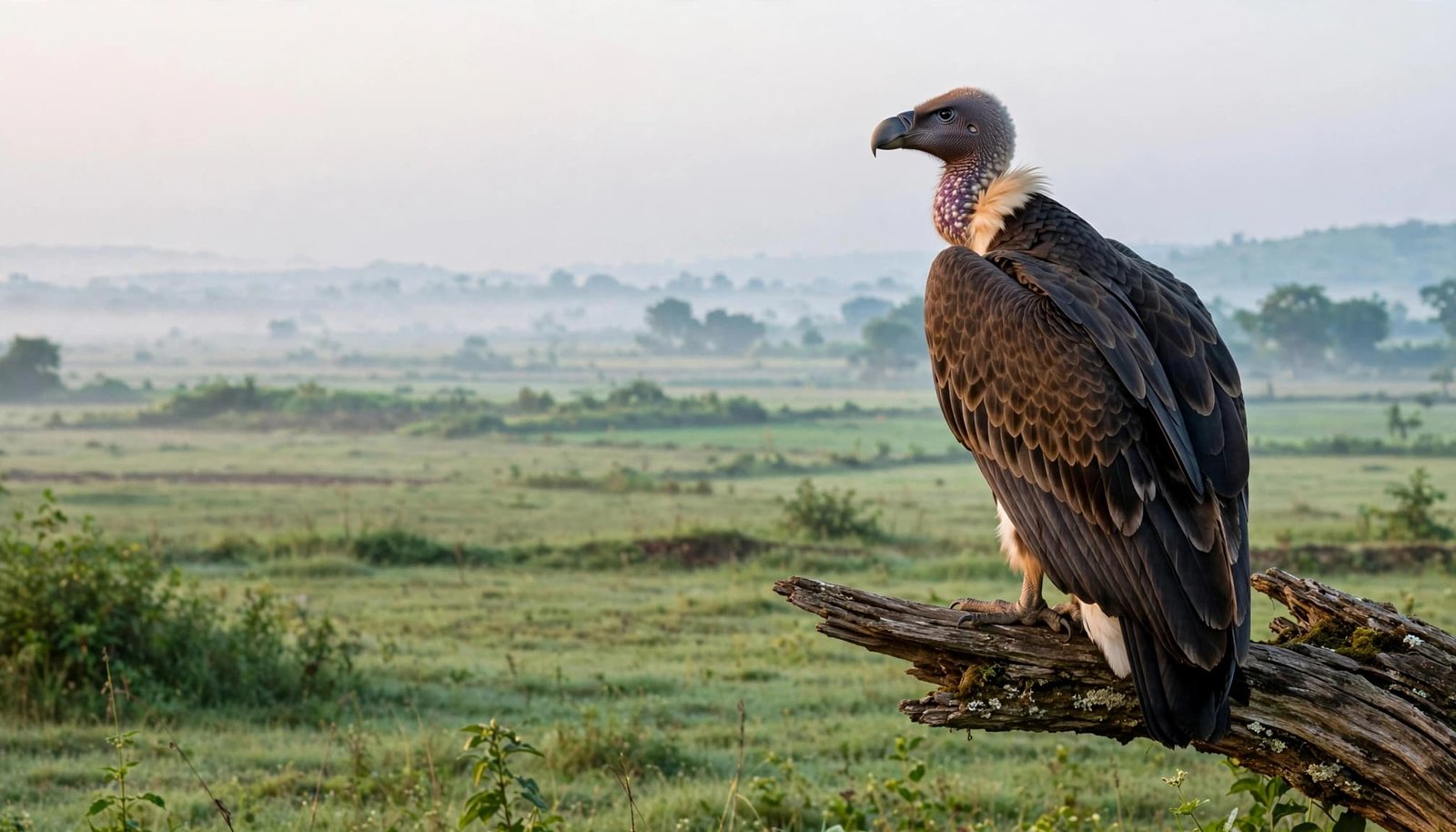
When cattle die shortly after treatment, drug residues can remain in their tissues. Vultures that feed on a carcass can develop kidney failure and die within days.
Failing kidneys can’t clear uric acid properly. Urate deposits accumulate around internal organs, a condition called visceral gout. Feeding is enough to expose a bird to the drug.
The population figures need careful reading
Reports of the vulture population decline use different periods and scopes. Research Matters reports that the white-rumped vulture, Gyps bengalensis, declined by more than 99% in just over a decade.
Uppsala Reports describes losses exceeding 95% in the early 2000s, with some species losing 91% to 98%. These figures shouldn’t be treated as identical measurements or as a second estimate for Gyps bengalensis.
Both accounts describe catastrophic losses, but responsible reporting preserves their different scopes. Combining them into one dramatic statistic makes the story less accurate.
The practical lesson remains clear: routine veterinary treatment can cause population-level harm when wildlife exposure goes untested.
Choosing vulture-safe veterinary drugs
A replacement medicine needs evidence of safety. A different active ingredient, legal sales licence, or familiar brand doesn’t prove it’s safe for vultures exposed to diclofenac.
A safer alternative has established evidence
The cited review literature identifies one established safer alternative. Research in the review of veterinary drug risks supports its use.
That evidence matters because livestock still need effective pain relief. Withholding treatment from a suffering animal isn’t responsible conservation.
The safety evidence applies to tested exposures. It doesn’t mean every dose, formulation, or combination is harmless. Treatment still belongs under veterinary supervision.
Other replacements carry documented risks
The distinction between tested safety and known danger should guide procurement.
| Drug | Evidence relevant to vultures |
|---|---|
| Meloxicam | Best-established safer alternative in the review literature. |
| Diclofenac | Causes fatal kidney failure and visceral gout. |
| Aceclofenac | Cattle convert it into diclofenac. |
| Ketoprofen | Toxicity demonstrated in tested birds. |
| Nimesulide | Linked to deaths in scavenging birds. |
| Flunixin | Linked to deaths in scavenging birds; shouldn’t be treated as safe. |
Evidence for vulture-toxic NSAIDs varies in strength. A substitute doesn’t become safe simply because a familiar drug disappears from shelves.
Aceclofenac creates a hidden risk: it acts as a pro-drug, which cattle metabolise into diclofenac. The name on the bottle doesn’t remove that toxic exposure.
What the bans have changed across countries
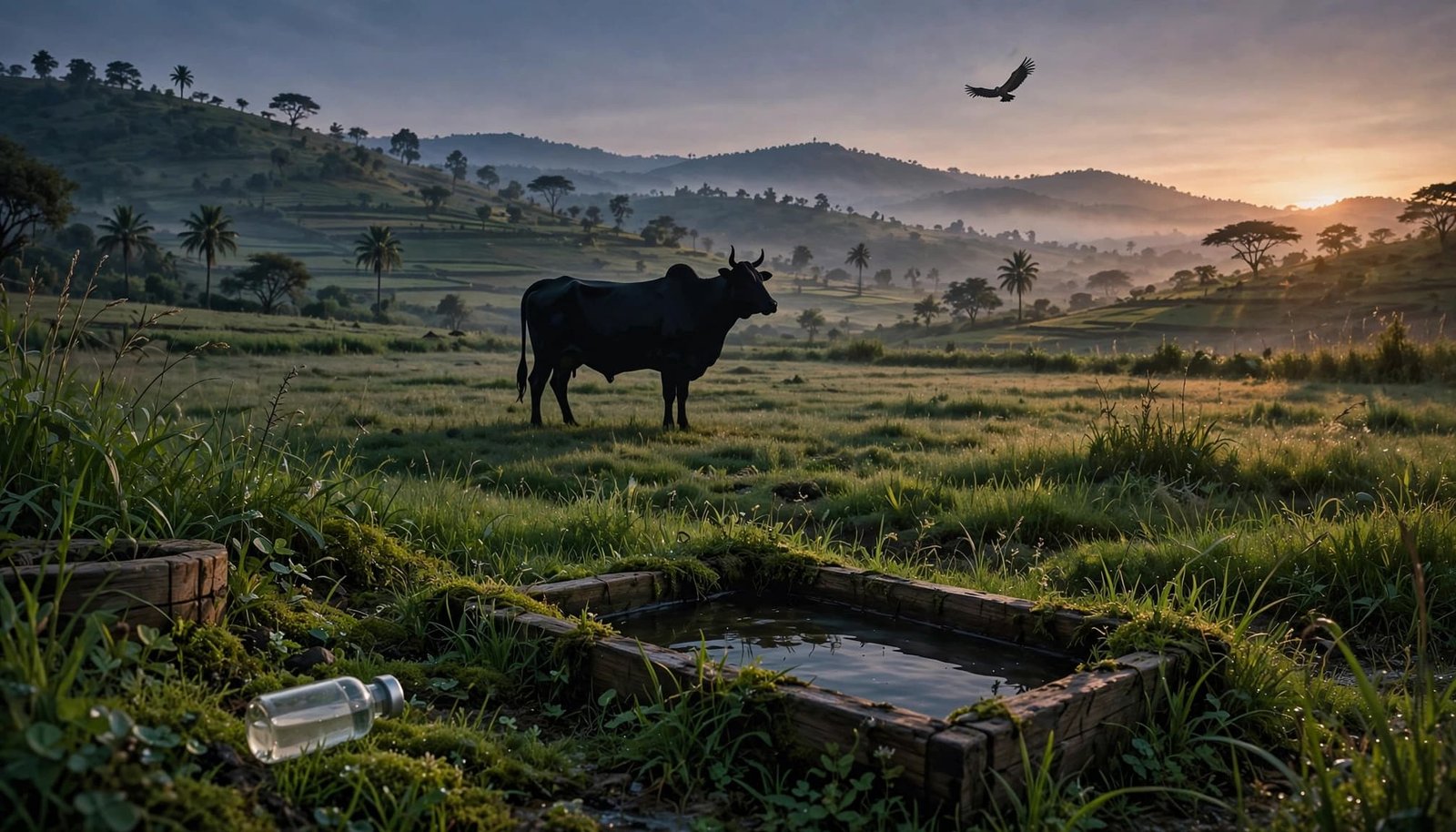
The diclofenac ban reduced access to the drug, but it hasn’t removed every dangerous NSAID. Human formulations, replacement drugs and uneven enforcement still leave routes for exposure that can harm vultures.
These documented milestones show how differently countries have responded.
| Country | Major regulatory or conservation milestones |
|---|---|
| India | Veterinary ban in 2006; large human-use vials restricted in 2015; two additional veterinary drugs banned in 2023. |
| Nepal | Veterinary ban in 2006; all districts declared diclofenac-free in 2023, following a shift to meloxicam. |
| Pakistan | Veterinary ban in 2006, according to Uppsala Reports. |
| Bangladesh | Ban reported in 2021; a later review dates the nationwide veterinary-use ban to 2023. |
| Spain | Veterinary diclofenac authorised in 2013 despite the country’s large European vulture population. |
These are policy milestones, not a complete inventory of current restrictions.
India’s Ministry of Health and Family Welfare restricted human formulations to single-dose vials no larger than 3 mL in 2015. Larger vials had enabled veterinary misuse.
India’s aceclofenac and ketoprofen bans followed in 2023. Bangladesh was the first country reported to ban a second vulture-toxic NSAID.
Nepal’s declaration shows that sustained substitution and conservation work can change practice and protect vultures. Elsewhere, the replacement problem persists: Research Matters reports rapidly rising flunixin use in Bangladesh.
Progress depends on reduced toxic exposure, not the number of prohibited drug names.
Losing vultures puts communities at risk
Vultures can clear carcasses within hours. This removes decaying animal tissue before other scavengers and pathogens gain prolonged access.
Their disappearance leaves more carcasses exposed to scavengers, including feral dogs, which can transmit rabies. Unmanaged carcasses also create sanitation concerns, including possible exposure to pathogens such as anthrax.
The public-health account in Uppsala Reports links vulture losses to about 100,000 additional human deaths annually from multiple causes. It cites more than US$69 billion in mortality damages.
The estimate covers wider mortality and its economic cost, not a tally of confirmed rabies deaths. That distinction matters when the figures enter public debate.
For communities, the consequences are concrete: more carcass-management work, greater exposure to scavenging dogs, and increased pressure on sanitation and healthcare.
They also return nutrients to biological cycles. A circular economy that ignores toxic residues in those cycles misses part of the waste problem.
We don’t need to value birds only through their usefulness to humans. But their ecological impact exposes a harsh accounting failure: a medicine’s sale price can exclude costs paid by entire communities.
What farmers and pharmacists can do
Farmers need affordable treatment. Pharmacists need clear rules. Neither group should have to reconstruct wildlife toxicology at the counter.
Responsible veterinary use starts with the active ingredient, the prescription and a record of what the animal received.
Make safety part of purchasing
Three decisions can reduce avoidable exposure:
- Ask the veterinarian to choose an effective painkiller with established evidence of safety for vultures, when clinically appropriate.
- Never substitute a human diclofenac formulation for livestock treatment or sell a banned veterinary NSAID.
- Record the medicine, treatment date and animal identity so carcass-management teams can identify possible drug exposure.
If a recently treated animal dies, its medication history matters. Keep the carcass out of planned feeding arrangements for scavengers and seek professional advice on safe management.
Necessary treatment must continue. The goal is to choose safer treatment, not leave sick livestock in pain.
Keep different safety questions separate
Painkillers aren’t antibiotics. Wildlife poisoning isn’t antimicrobial resistance. Food-residue compliance doesn’t establish wildlife safety either.
Our discussion of responsible livestock medicine use makes a related distinction: acceptable food residues don’t prove good antimicrobial stewardship.
Each risk needs its own evidence. A food-safety result can’t answer what happens when a scavenging bird eats a treated carcass.
Pharmacies can support better practice through procurement records, staff training and refusal to offer dangerous substitutions. Awareness at the counter helps, but institutions must make safe choices accessible.
Drug licensing must account for scavengers
Systemic change begins before a medicine reaches the pharmacy. Drug licensing must account for animals that may encounter its residues beyond the treated patient.
Environmental assessment needs the right exposure pathway
A 2024 study of veterinary NSAID policies states that no country in vultures’ range required mandatory safety testing of veterinary NSAIDs before licensing.
The paper also highlights Spain, where veterinary diclofenac was authorised in 2013. Spain holds about 90% of Europe’s vulture population.
Uppsala Reports notes that the EU has required environmental risk assessment for human and veterinary medicines since 2006. Yet environmental risk assessment can miss harm if it doesn’t model scavengers feeding on medicated carcasses. Safety testing that omits this route can’t detect the risk. The exposure pathway determines whether the test is useful.
Put responsibility on the supply chain
Ecopharmacovigilance tracks and addresses medicines’ effects on the environment. One Health connects human health, animal health and environmental conditions.
Under ecopharmacovigilance, manufacturers should fund relevant testing, regulators assess exposure, distributors track products, and field programmes investigate deaths.
The review of NSAID licensing processes contrasts veterinary drug policy with the EU precautionary principle and stricter proof requirements for plant-protection products. Post-market ecopharmacovigilance should monitor carcass exposure and investigate suspected wildlife deaths.
Drugmakers should fund ecological testing and remain accountable for foreseeable harm. We shouldn’t wait for another collapse before requiring evidence.
Community action should support stronger rules
People who care about animals often get handed individual responsibilities while institutional failures remain untouched. Personal restraint matters, but it cannot redesign a drug-approval system.
Plant-based living may express someone’s concern for animals. It doesn’t remove the duty to treat existing livestock humanely and protect scavengers from toxic residues.
The same accountability principle applies to bird-safe design in Indian cities. Urban biodiversity survives better when known hazards are removed through ordinary planning rules.
For those of us working on climate literacy, vultures make an important distinction visible: this collapse was driven by drug toxicity. Environmental education needs to explain biodiversity risks alongside emissions.
Our field missions connect education with habitat work. You can Explore Our Active Missions to support tangible community action.
Conservation campaigns should also ask pharmacies, manufacturers and regulators for measurable outcomes: fewer toxic products offered, safer procurement and documented action after wildlife deaths.
Safer treatment is a shared duty
India’s vultures need medicines whose safety has been tested beyond the animal receiving treatment. Meloxicam provides an established safer option, while dangerous replacements show why a diclofenac ban alone cannot finish the work.
We can protect livestock welfare and scavenging birds through evidence-based procurement, effective enforcement and licensing that accounts for carcass exposure.
Ask your local veterinary clinic whether its painkiller procurement policy requires evidence of vulture safety. That question brings conservation into an ordinary purchasing decision, where preventable harm often begins.