Indian School Air Pollution Is Hiding in Plain Sight
 TBH Editorial
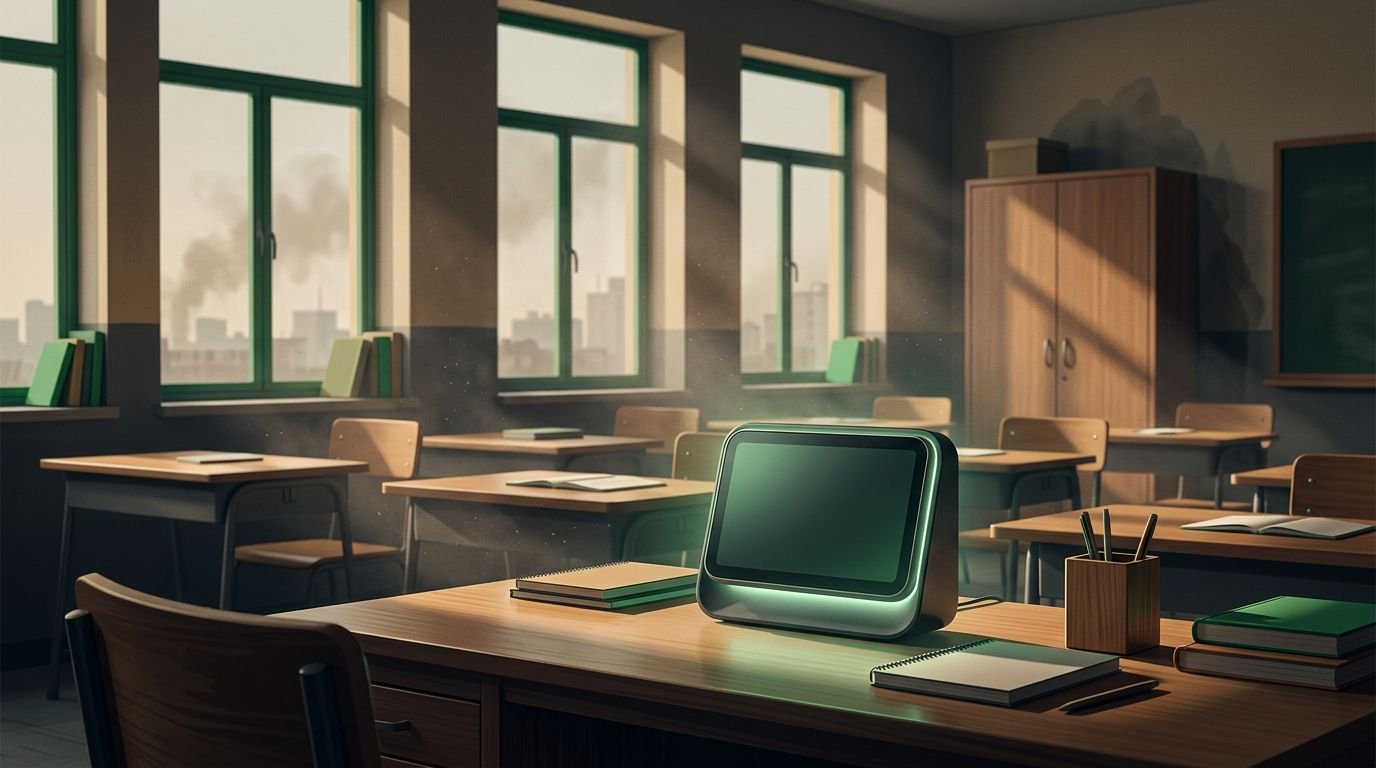
A classroom can have bright walls, a working timetable, and students in uniform, yet still make it harder for school children to breathe and think. In cities like New Delhi, where the external environment is often compromised, the issue of Indian school air pollution extends far beyond the smog outside the school gate.
The hidden danger lies in poor Indoor Air Quality (IAQ). This is not limited to chalk dust rising with every wiped board or traffic fumes drifting through open windows. It also includes damp patches tucked behind cupboards and carbon dioxide levels that build up in crowded rooms with poor airflow.
We keep asking students to focus while the classroom environment itself may be working against them. This is not merely a small maintenance issue. It is a critical public health and education challenge that demands our immediate attention.
Key Takeaways
- Classroom air often contains a mix of dust, traffic pollution, chemical fumes, dampness, and stale exhaled air, all of which pose significant risks to the respiratory health of school children.
- Chalk dust and resuspended floor dust can raise particulate exposure even when outdoor air quality appears acceptable.
- While a high outdoor Air Quality Index (AQI) is a major concern, it does not fully reveal the specific pollutants that students breathe inside a single, crowded classroom.
- Schools need consistent maintenance budgets, cleaner materials, safer ventilation, and local monitoring, rather than relying on an occasional one-day cleaning drive.
- Parents and students can notice early warning signs, but systemic change must carry the real responsibility for protecting the well-being of school children.
The Classroom Is Not Separate From the Street
We often imagine a school room as shelter. Four walls, a roof, a teacher, a blackboard. Safe enough.
But air does not respect school gates.
A classroom beside a busy road can pull in vehicular emissions, brake dust, tyre particles, construction dust, and roadside soil. Natural ventilation through open windows may bring relief on a hot day, yet these windows can also become a direct route for polluted air. Closing every window is not a solution either. Then carbon dioxide rises, heat gets trapped, and the room turns stale.
That is the hard part. Indian schools often face a choice nobody should have to make: polluted outdoor air or poorly ventilated indoor air.
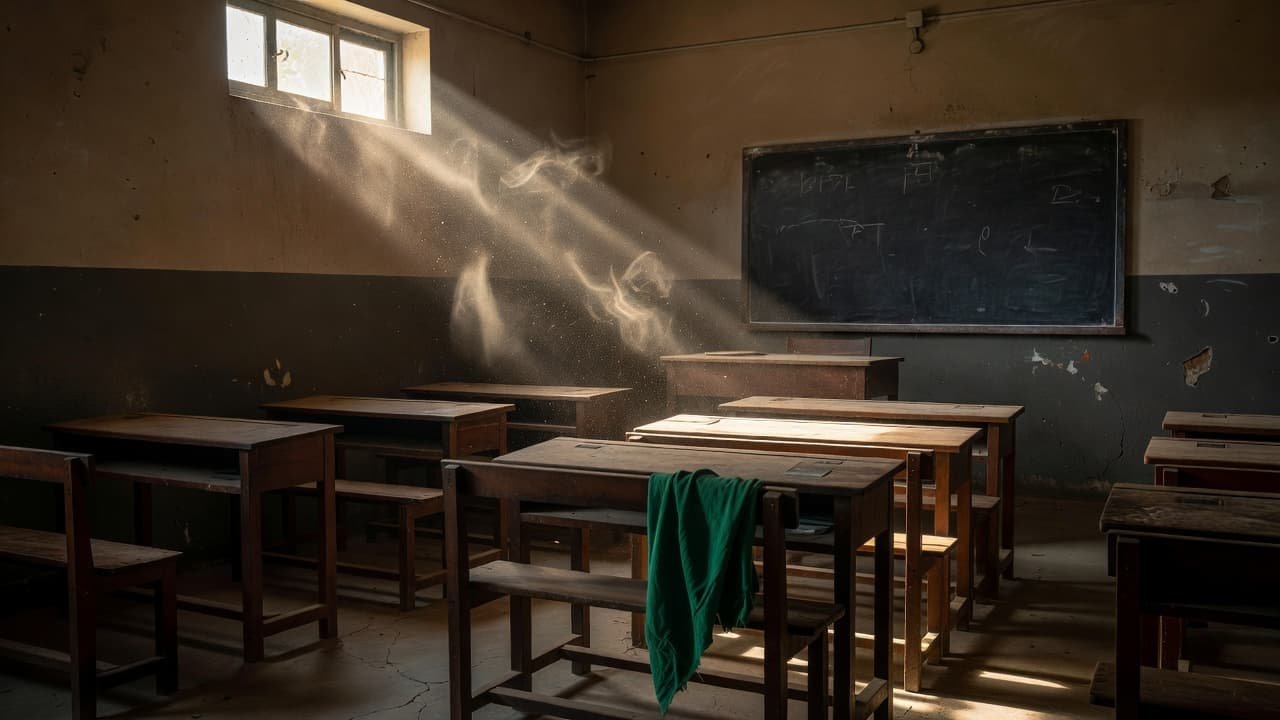
Chalk is one overlooked source. A teacher writes, erases, and dust settles on desks. Then children move chairs, drag bags, run in after recess, and those fine particles rise again. The dust is not gone because nobody can see it.
Research on indoor pollution links particles, nitrogen oxides, volatile organic compounds, and biological contaminants with respiratory and other health harms. This review of indoor air pollution and human disease makes one point plain: indoor exposure is not harmless because it happens inside a familiar room.
A child doesn’t need to stand beside a highway to breathe traffic pollution. An open classroom window can do that work for the highway. Such exposures often reach levels that far exceed WHO guidelines.
The heaviest burden often falls on children who already have the least protection. Government schools near freight corridors, informal settlements, construction zones, brick kilns, or waste-burning areas cannot solve this through good intentions from teachers.
What Builds Up Inside Indian Classrooms
The air problem is rarely one villain. It is a messy mix of pollution outside, materials inside, and buildings that have not received the care they need.
Fine dust does more than make desks dirty
PM2.5 and PM10 are types of particulate matter, which are small particles that enter the body through breathing. PM10 includes bigger dust from chalk, soil, broken road edges, cement, and construction. PM2.5 is smaller and can travel deeper into the lungs. Long-term exposure to these particles can trigger respiratory conditions, such as asthma, in young students.
In schools, dust comes from more than the blackboard. Shoes carry soil in. Brooms can lift settled particles back into the air. Nearby demolition can send cement dust across a playground. An unpaved approach road becomes a dust source every time a bus or motorcycle passes.
A classroom’s location matters. A school near fast traffic may receive a steady supply of exhaust and road dust all day. That is why a citywide air-quality average can mislead parents. A monitor kilometres away cannot show what children breathe beside a congested school gate at 8:30 am.
Stale air is a warning, not a personality flaw
A packed room that smells stuffy is telling you something.
Carbon dioxide is not the only pollutant in a classroom. Still, high CO2 often points to inadequate air exchange. When 40 or 50 children share a room with limited ventilation, fresh air can disappear quickly. Students may feel sleepy, get headaches, or struggle to concentrate. While ceiling fans help with thermal comfort by circulating air to cool the skin, they do not actually bring in fresh outdoor air or remove pollutants, meaning they often just move the same stagnant air in circles.
A primary school indoor-air study links inadequate ventilation and raised carbon dioxide levels with sick-building symptoms. That does not mean every tired child has a pollution-related illness. It means schools should stop treating stale rooms as normal.
Ventilation must be designed for the local reality. A window opening onto dense traffic is not enough. Effective airflow requires systems that filter pollutants rather than just relying on internal movement.
Paint, furniture, dampness, and cleaning chemicals matter too
New plywood benches, glue, paint, plastic flooring, marker pens, photocopiers, and strong floor cleaners can release volatile organic compounds (VOCs). Recently renovated rooms can smell new because these chemicals are still leaving surfaces and entering the breathing zone.
Dampness creates a different danger. A leaking roof, plumbing fault, blocked drain, or wet wall can feed mould and fungal growth. The first sign may be a musty smell or dark marks behind a cupboard. Too often, paint gets applied over the stain and the problem stays alive underneath.
A 2026 study of educational indoor environments found that sources and activities shape exposure across different spaces. Schools should take that seriously. Air quality changes across a day, a building, and a neighbourhood.
Why Air Purifiers Cannot Carry This Alone
A portable purifier may help in a small, closed room when it has the right filter and is properly maintained. That is not an argument against them.
It is an argument against pretending a machine can compensate for a broken system.
A purifier cannot stop a construction truck from tracking dust onto the school road, nor can it filter the pervasive outdoor air quality that infiltrates every corner of a building. It cannot repair a leaking roof or reduce traffic emissions at the gate. Furthermore, these machines cannot address regional hazards like biomass burning or crop residue burning that overwhelm urban environments. They cannot make an overcrowded classroom bigger, nor can they give a teacher the authority to pause a lesson during unsafe dust exposure.
We have already seen this mistake with smog towers and cosmetic road washing. A visible object gets praised while the pollution source keeps working. While authorities often rely on closing schools as a reactive measure during peak pollution periods, this disruption hurts education without solving the underlying problem.
The same thinking shows up in school buildings. A green wall, a token sapling, or an awareness poster can look good in a photo. None of it counts if the classroom still has blocked vents, chalk clouds, mould, and dust-covered fans.
Ecological impact is not separate from children’s health. Construction residue coats leaves, weakens roadside trees, and reduces the shade that could cool a school compound. When schools protect trees, plant native species, and keep soil covered, they support urban biodiversity. But a few plants cannot filter their way out of unchecked emissions.
This is where climate literacy needs to grow up. It cannot mean telling students to carry a steel bottle while adults approve dusty worksites beside their classrooms.
What a Safer School Air Plan Looks Like
The fix is not glamorous. It is a set of ordinary duties done consistently, with money attached.
Schools, education departments, municipal bodies, and private operators should begin with a room-by-room audit. These assessments should align with the standards set by the National Clean Air Programme to ensure baseline compliance. Look at the windows, roof, fan blades, toilets, drains, nearby roads, cleaning methods, and the condition of furniture. Ask students and teachers where the air feels worst. They already know.
A serious plan should include:
- Cleaning with damp mops or HEPA-equipped vacuums where possible, instead of dry sweeping that launches dust back into the room.
- Maintaining roofs, drains, toilets, plumbing, fans, and ventilation openings before dampness becomes mould.
- Using lower-emission paints, adhesives, and furniture materials during repairs and renovations.
- Keeping vehicle idling away from school gates and promoting the use of public transport to reduce local emissions, while controlling construction dust through covered loads, wet methods, and clean exits.
- Measuring particulate matter and CO2 during different school hours, particularly when the Graded Response Action Plan mandates heightened vigilance, then publishing what was found and what changed.
This is also where sustainable business models need to prove they are useful. Suppliers can offer repairable fans, replaceable filters, lower-toxicity materials, and maintenance contracts that do not vanish after installation. A circular economy is not only about collecting old computers. It includes repairing equipment before it becomes waste and buying durable items that schools can maintain.
Parents can help without being asked to become unpaid environmental inspectors. Notice dust on window grills, paint peeling over damp walls, chemical smells after cleaning, or children complaining of headaches in one room. Be mindful of potential health impacts, raise the issue collectively, and ask for a written response.
Personal habits matter, in proportion. Everyday mindfulness can mean keeping classroom bags off dusty floors, avoiding harsh fragranced sprays, and reporting leaks early. Plant-based living can reduce wider emissions. Neither replaces clean air in a crowded room today.
For communities linking school safety to local ecosystems and public accountability, Explore Our Active Missions connects education with on-the-ground climate work.
Frequently Asked Questions
Why is the air quality inside a classroom different from the outdoor Air Quality Index (AQI)?
While outdoor AQI provides a broad measurement for a city, indoor air is influenced by specific factors like classroom overcrowding, cleaning habits, and the condition of the building. Even on days with acceptable outdoor air, activities like dry sweeping or chalk use can create high concentrations of particulate matter that are not reflected in city-wide reports.
Can ceiling fans help improve air quality in a crowded classroom?
Ceiling fans are effective for cooling, but they do not filter or replace stagnant indoor air. They simply circulate the existing air, which often contains trapped carbon dioxide, allergens, and dust, meaning they cannot solve the problem of poor ventilation or rising pollutant levels.
What are the immediate signs that a classroom environment needs improvement?
Common indicators include a persistent musty smell suggesting dampness, visible dust accumulation on surfaces, or students frequently reporting headaches and fatigue. If a room feels stuffy or smells like cleaning chemicals or new paint, it is a sign that the ventilation is inadequate or that the space is not being properly maintained.
Should schools rely solely on air purifiers to protect students?
Portable air purifiers can be a useful tool, but they cannot address the root causes of pollution like building leaks, traffic emissions at the gate, or poor ventilation designs. Relying exclusively on machines is a temporary fix that neglects the systemic maintenance needed to ensure a truly safe and healthy learning environment.
Clean Air Is Part of the Right to Learn
Children cannot choose where their school sits. They cannot demand a safer road outside, a repaired roof, or an air quality monitor in their classroom. Adults, however, can act to protect them.
Indian school air pollution remains a quiet crisis that becomes invisible when we dismiss it as just dust or tell students to simply adjust to the conditions. It becomes clear only when we ask a simpler question: can a child sit in this room for six hours without their body paying a price for the building’s neglect?
Ensuring that school children have a healthy environment requires more than just local awareness. It demands systemic change, consistent funding for maintenance, and transparent, honest monitoring. By establishing rigorous indoor air quality (IAQ) standards, we can ensure that every student has a safe space to breathe and grow. Ultimately, we must ensure that those in power treat every breath of our students as worth protecting, finally addressing the pervasive threat of Indian school air pollution.