Why Indian Homes Need Carbon Monoxide Alarms Near Gas Appliances
 TBH Editorial
Carbon monoxide can build up in a home without smoke, smell, or a dramatic warning. By the time someone feels a headache, nausea, or confusion, carbon monoxide poisoning may already be underway.
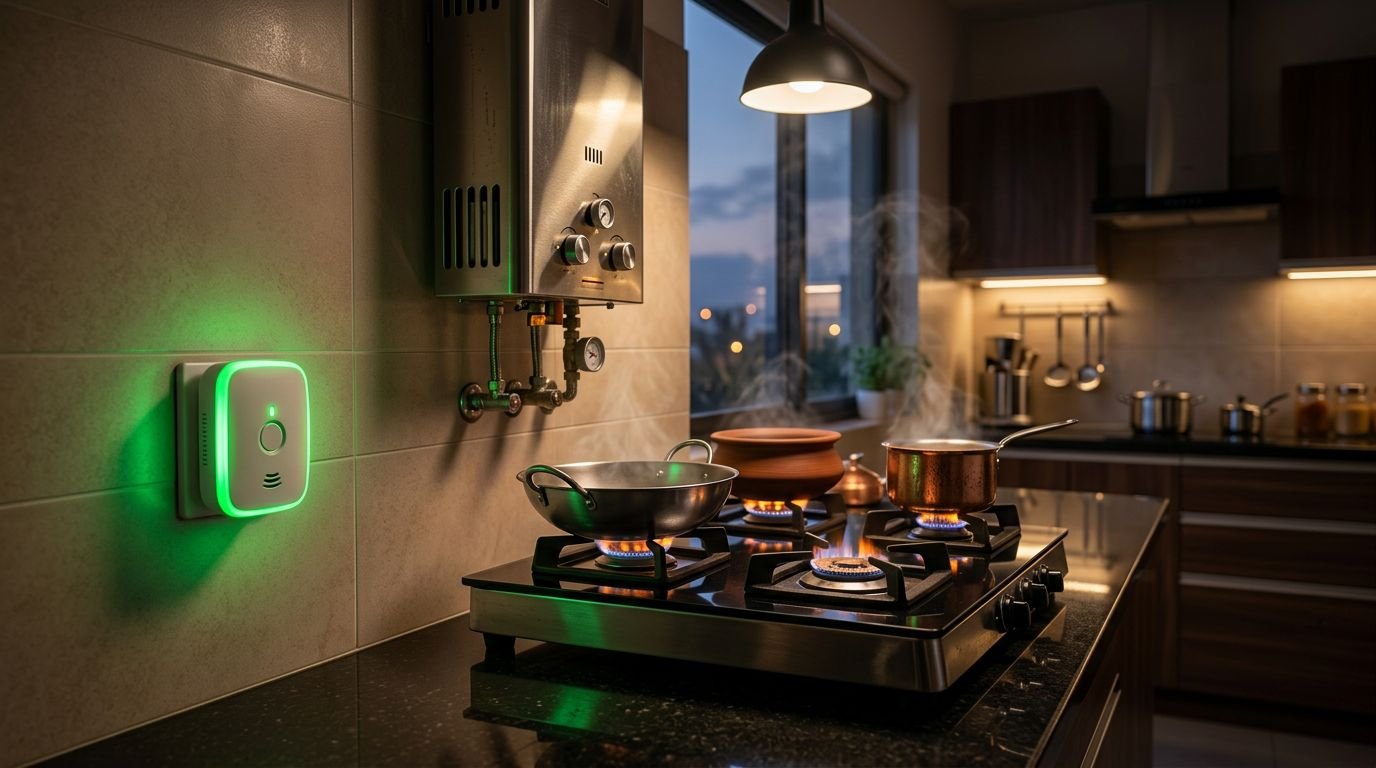
That is why carbon monoxide alarms India households use deserve more attention than they get. An LPG stove, gas geyser, piped-gas hob, backup generator, or charcoal cooking setup can become dangerous when fuel burns without enough oxygen. An alarm is not panic buying. It’s a small, practical layer between a hidden failure and a family emergency.
Start with the risk most kitchens are taught to overlook.
Key Takeaways
- Carbon monoxide is an invisible, odourless danger that can come from LPG stoves, gas geysers, heaters, generators, charcoal, and other fuel-burning appliances.
- A carbon monoxide alarm is different from an LPG leak detector; homes may need both because they detect different hazards.
- Choose a domestic alarm tested to a recognised standard such as UL 2034 or EN 50291-1, with a loud local warning that works even when WiFi or mobile phones do not.
- Install alarms near sleeping areas and on levels with fuel-burning appliances, away from stoves, vents, steam, grease, and blocked airflow. Test them monthly and replace them according to the manufacturer’s sensor-life guidance.
- If an alarm sounds, leave immediately for fresh air, call 112 or local emergency services if anyone feels unwell, and do not re-enter until the property is declared safe.
A clean kitchen can still have dangerous air
Carbon monoxide, or CO, forms through incomplete combustion when carbon-based fuel doesn’t burn fully. A yellow or unstable flame, blocked flue, poor ventilation, dirty burner, or damaged appliance can all raise the risk. The gas then enters the bloodstream and reduces the body’s ability to carry oxygen.
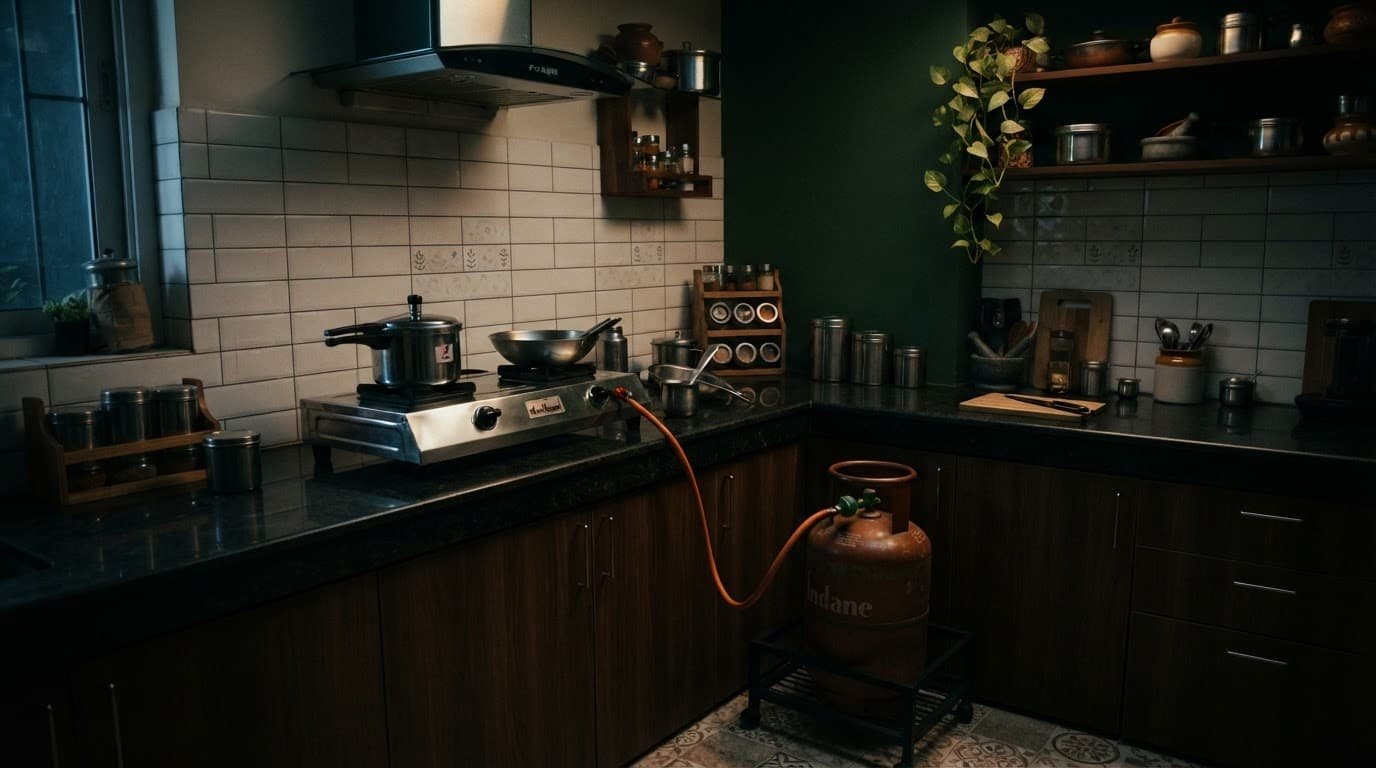
This isn’t only a kitchen problem. Gas geysers in closed bathrooms, portable heaters in winter, generators near windows, and cars idling in attached parking areas can also create exposure. A child doing homework near a poorly vented geyser doesn’t get a different dose because the appliance looks ordinary.
The CPSC’s carbon monoxide safety guidance warns against using gas ranges, ovens, or clothes dryers for heating. That shortcut turns a cooking appliance into an indoor combustion source with no safe margin.
Common early signs of carbon monoxide poisoning include headache, dizziness, weakness, nausea, chest discomfort, and confusion. They can look like flu, exhaustion, dehydration, or a bad night’s sleep. CO concentration is measured in parts per million, yet people cannot sense those levels through smell or visible smoke. That is why CO is called the “silent killer.” Your senses cannot detect it.
A blue flame and a tidy countertop are not proof that combustion is clean. Invisible hazards need a device built to detect them.
Good ventilation matters. So does annual servicing. But neither gives you a warning at 2 a.m. when everyone is asleep.
Carbon monoxide alarms India: the missing layer of kitchen safety
A carbon monoxide detector senses CO in the air. A carbon monoxide alarm turns that reading into a loud local warning, often with lights and a display. In everyday shopping, sellers use both terms loosely. For a home, you need a working sensor and a clear warning.
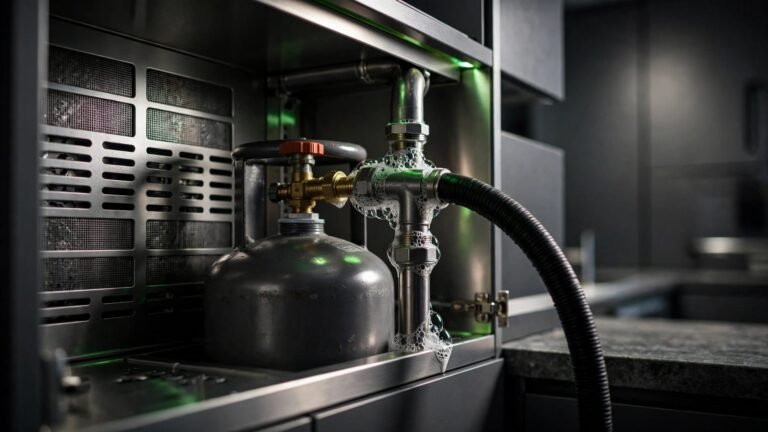
Don’t confuse it with an LPG leak detector. An LPG leak detector is a gas detector for unburned combustible gas, the fuel that could ignite. A CO alarm looks for the poisonous by-product of incomplete combustion. One device cannot automatically replace the other unless independently tested for both jobs.
India’s LPG safety rules cover cylinders, regulators, hoses, stoves, and installation practices. Yet there is no widely used nationwide household rule that tells every home exactly where to install a residential CO alarm. That gap is not a reason to wait. It is a reason to make an informed choice.
Look for a domestic unit tested to a recognised performance standard, such as the UL 2034 standard or EN 50291-1. A marketplace listing may call a product CE EN50291 certified, but that claim alone is not enough. Ask sellers, manufacturers and suppliers for the product manual, testing documentation, manufacturing date, sensor life, and replacement guidance. Housing societies should check the minimum order quantity before arranging a bulk purchase.
The reason standards matter is concentration plus time. A quality alarm does not behave like a smoke detector that reacts instantly to every trace. Under UL 2034 performance windows, 70 parts per million of CO should trigger an alarm within 60 to 240 minutes. At higher parts per million, the response must be faster. UL’s carbon monoxide alarm guidance explains why an alarm may sound before carbon monoxide poisoning becomes life-threatening, not at the first tiny trace.
For factories, boiler rooms, commercial kitchens, and parking garages, an industrial carbon monoxide alarm may link to panels, ventilation systems, and maintenance records. A portable single gas detector, including worker-worn models sold by companies such as Karam, is an occupational tool. It requires bump tests, calibration, charging, and trained users. It is not a substitute for a fixed bedroom alarm.
Choose an alarm that can do its job
A cheap device that cannot be heard from the bedroom is safety theatre. Many Indian listings begin near Rs 1,500, while smart and multi-gas units cost more. Check the minimum order quantity, since some listings target housing societies or commercial buyers rather than one household. Price matters, but ask whether the alarm can warn your household when the phone is silent and WiFi is down.
Sensor type matters more than price in a battery-powered domestic CO alarm. An electrochemical detector is usually the stronger choice because it is selective and uses little power, helping preserve battery life. Its service life often runs about five to 10 years, depending on the model and storage conditions. Semiconductor tin dioxide sensors detect several gases, but may use more power and react more strongly to temperature and humidity or vapours. Check selectivity, power use, storage conditions, and replaceable sensors before buying; don’t assume replacement is available for a domestic alarm.
Use this quick comparison before buying:
| Device type | Best use | What to check |
|---|---|---|
| Fixed electrochemical CO alarm | Bedrooms, hallways, homes with gas appliances | UL 2034 or EN 50291-1 testing, end-of-life date, 85 dB audible alarm |
| Wireless WiFi carbon monoxide detector | Homes where app notifications help | Check that the local alarm works without internet, plus battery backup, battery life, and app support period |
| LPG gas detector | Near LPG or piped-gas supply points | Correct fuel compatibility and installation instructions |
| Portable single-gas monitor | Workers in industrial or confined spaces | Calibration, bump-test process, battery charging, service support |
An LCD display can show a current or peak reading. A digital display is useful for local readings, but it cannot replace an audible warning. WiFi can notify you when you are away. These features may support continuous monitoring, but they fail when the internet, WiFi, or phone is unavailable. A wireless WiFi carbon monoxide detector must still sound a local alarm that wakes people inside the home.
The Sonoff AJ-833 and similar smart products may suit connected homes, but don’t buy on app features alone. Check whether the model is intended for residential CO protection, not merely an air quality monitor. Also, never expect a PESO-related approval for fuel or hazardous-area equipment to replace a domestic CO alarm standard.
Place the alarm where it can warn people
The carbon monoxide alarms India homes install should protect people, not sit as decorative gadgets above a stove. Follow the manufacturer’s installation manual first. It is written for that sensor and housing.
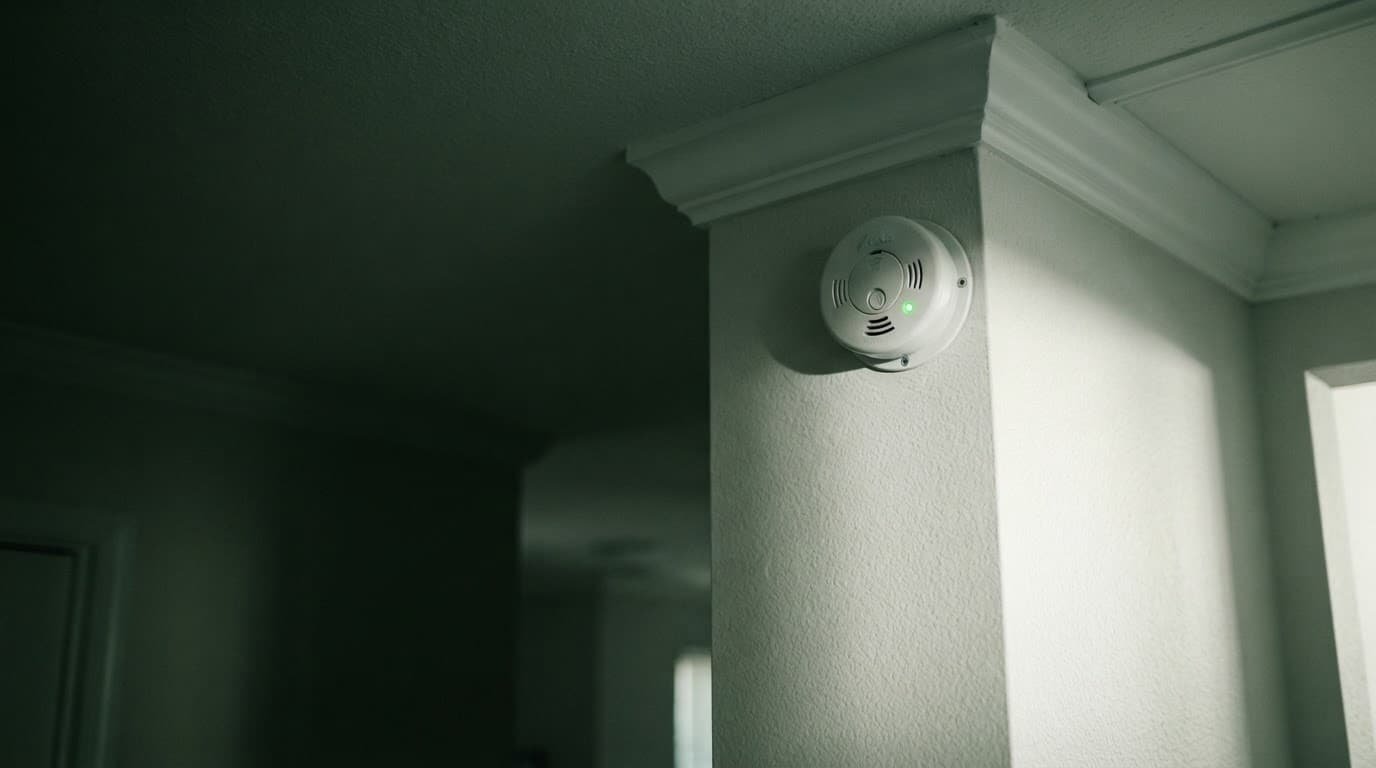
For most homes, a sensible starting point is an alarm outside sleeping areas and another on each level with a fuel-burning appliance. Keep it close enough to detect a developing problem, but not directly beside the stove, geyser, exhaust vent, bathroom steam, fan blast, or a dead-air corner.
A few practical rules make a big difference:
- Put the unit where its 85 dB audible alarm can be heard from bedrooms, even with doors partly closed.
- Don’t place it behind curtains, cupboards, or furniture that blocks airflow.
- Keep it away from heavy grease, spray cleaners, paint fumes, and persistent moisture.
- Record the installation date and the replace-by date in your phone calendar.
- Test it monthly. A test button often checks the battery, horn, and circuitry, not full sensor accuracy. If it has test and mute controls, muting a nuisance signal must not replace finding its cause.
The EPA’s detector guidance also stresses using alarms that meet current safety standards. A low-battery chirp, fault tone, and full CO alarm may sound different. Every adult in the house should know the difference.
If the alarm sounds, treat it as possible carbon monoxide poisoning. Get everyone outside into fresh air immediately, including pets. Call 112 or local emergency services if anyone feels unwell. Do not spend time searching for the source. Don’t re-enter until emergency responders or a qualified gas technician says it is safe. Switch off the appliance or close the gas valve only if you can do it without delaying escape.
Safety needs accountability, not a one-time purchase
I want to be blunt here. Buying an alarm and leaving it untested for eight years is no safer than hanging a green mesh around a dusty construction site while pollution escapes through every gap. The object looks responsible. The daily work is missing.
Everyday mindfulness means noticing a yellow flame, a soot mark above a burner, a geyser in a sealed bathroom, or a recurring headache that improves outside. It also means refusing to normalise poor ventilation because a landlord says, “It has always been like this.”
Systemic change belongs here too. Housing societies, landlords, builders, appliance companies, and gas distributors should treat ventilation checks, service records, and replacement dates as basic home safety. Sustainable business models should also include reliable servicing, clear end-of-life information, and take-back routes for old electronics.
Climate literacy means knowing that outdoor smog and indoor CO are different threats. Plant-based living, cleaner transport, and a circular economy can reduce wider fuel and waste pressures. They cannot repair a faulty geyser tonight. The ecological impact of wasted fuel and unsafe combustion is real, but human safety comes first.
That same public-health lens matters outside the flat, where traffic, construction dust, and poor planning burden neighbourhoods and urban biodiversity. Explore Our Active Missions to support community work that connects climate literacy with direct local action.
Frequently Asked Questions
Is a carbon monoxide alarm the same as an LPG gas detector?
No. An LPG detector senses unburned fuel gas, while a carbon monoxide alarm detects the poisonous gas produced by incomplete combustion. Depending on the appliances in your home, you may need both devices.
Where should I install a carbon monoxide alarm in an Indian home?
Place one outside sleeping areas and another on each level with a fuel-burning appliance, while following the manufacturer’s instructions. Keep it away from direct stove heat, geyser vents, bathroom steam, exhaust fans, grease, and places where furniture blocks airflow.
Should I buy a WiFi carbon monoxide detector?
WiFi notifications can help alert you when you are away, but they should be an additional feature rather than the main protection. Choose a model with a loud local alarm that continues to work during an internet, WiFi, or phone failure.
What should I do if the carbon monoxide alarm sounds?
Take everyone, including pets, outside into fresh air immediately and call 112 or local emergency services if anyone feels unwell. Do not spend time searching for the source or re-enter the home until emergency responders or a qualified gas technician says it is safe.
The alarm you hope never to hear
An alarm cannot fix a damaged burner, replace ventilation, or excuse poor appliance maintenance. It can give your household the warning needed to leave before invisible gas becomes a medical emergency.
Check the gas appliances in your home tonight. Then choose, place, test, and replace a carbon monoxide alarm with the same seriousness you would give any other safety device.