
How to Verify a Nonprofit’s Impact Before You Donate
 TBH Editorial
A moving photo is not proof that a project worked.
You may see children in a classroom, saplings in the soil, or volunteers holding rescued animals. Those moments can be real, and still leave the hardest question unanswered: what long-term social impact happened after the camera left?
When you choose to support any nonprofit organization, you want to know your contribution truly matters. To verify nonprofit impact, you do not need to become an auditor. You simply need to ask better questions before your money becomes somebody else’s responsibility.
Key Takeaways
- Look for evidence of long-term outcomes, not only emotional stories or activity counts.
- Check whether the nonprofit provides complete donor transparency by explaining where funds go, who makes decisions, and what happens when a project falls short.
- Use public records, independent charity databases, and field updates together. No single rating tells the whole story.
- Pay attention to workers, communities, and ecological data to ensure true community impact, keeping in mind that a project is not responsible if it shifts harm onto people with less power.
- Give to work you can understand, question, and revisit after the donation receipt arrives.
Start With the Difference Between Activity and Impact
Many nonprofits tell you how many things they distributed, planted, built, or hosted. That is activity. It matters, but it is not the finish line when you want to measure nonprofit impact.
A group may report that it planted 10,000 trees. Did the trees survive two summers? Were they native species? Did local people have water, fencing, and paid maintenance support? Or did the project produce a good annual report and a dry patch of land?
The same test applies everywhere. A school supply drive isn’t proof of better learning. A recycling campaign isn’t proof of a circular economy. A mangrove plantation isn’t proof of restored coastal protection. Measuring impact requires looking beyond these immediate outputs to see what actually changed.
Ask the nonprofit to connect its work to a measurable outcome and explain its theory of change or logic model:
- What problem are you trying to reduce or solve?
- Who is affected, and how were they involved in the plan?
- What will look different in six months, one year, or three years?
- What data do you collect, and what have you learned when results fell short?
A serious organisation can answer without hiding behind glossy language. It may not have perfect data. Small grassroots groups often don’t have a research department. But it should know what it is watching, why it matters, and what it will change if the work fails.
If a nonprofit can tell you what it did but not what changed, you are being shown effort, not yet evidence.
For climate and community work, the gap between short term outcomes like planting trees and long term outcomes like ecosystem recovery really matters. Urban biodiversity cannot be measured by counting one tree planting day. You need survival rates, species diversity, soil conditions, local stewardship, and evidence that the site stayed protected after the launch event.
Read Financial Information Without Falling for the Overhead Myth
The phrase “100% goes to the cause” sounds clean. It can also hide a mess.
A nonprofit needs staff, accounting, training, transport, safeguarding systems, community meetings, insurance, and monitoring. Those costs aren’t automatically waste. In fact, an organisation with no budget for field checks may have no idea whether its project worked.
The question isn’t whether administration exists. The question is whether spending is explained honestly and tied to real work, relying on strong donor transparency to keep supporters informed.
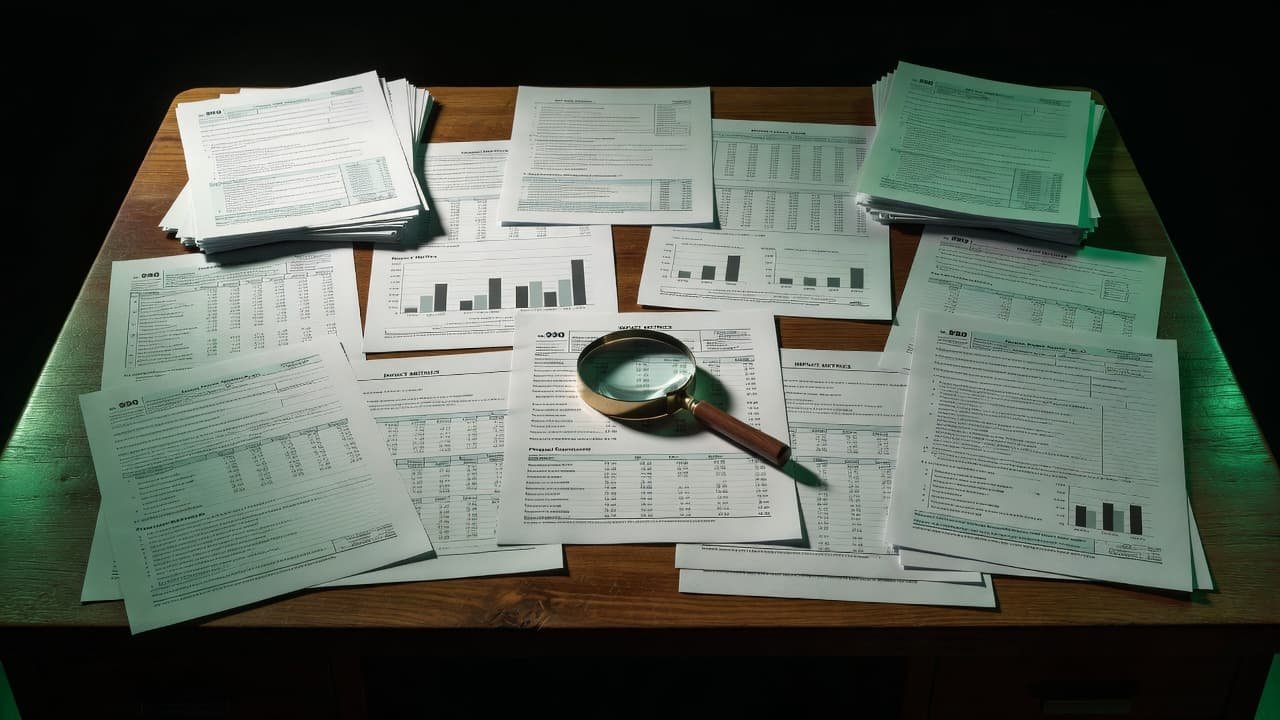
For US-based charities, Charity Navigator can help you review ratings, financial disclosures, and governance signals. Its system looks beyond a single expense ratio. It considers accountability, finance, impact and results, leadership, and community practices.
Still, don’t treat a four-star rating like a moral certificate. Charity Navigator’s 2026 rating methodology is useful, but ratings depend on available filings and eligibility rules. A small nonprofit organization may be too new or too local to appear, though you can often find details in a detailed impact report or through standard grant reporting documents.
Use financial records to ask grounded questions:
| What you find | What to ask next |
|---|---|
| A large programme budget | What activities and outcomes did it fund? |
| Heavy fundraising costs | Is the donor acquisition strategy disclosed? |
| Big reserves | Why are funds held, and when will they be used? |
| Sudden income growth | Can the organisation manage growth without weakening field work? |
| Founder-led operations | Is there independent oversight and a conflict-of-interest policy? |
In India, look for basic legal and financial clarity. Depending on the organisation, this can include registration details, audited financial statements, tax-exemption information, annual reports, and FCRA disclosures if it accepts foreign contributions.
Don’t demand a perfect spreadsheet from a small community group. Do expect honesty about constraints, costs, and control of funds.
Check Who Holds Power When the Project Begins
Impact isn’t only about outputs. It is also about who carries the risk.
A nonprofit may run a clean-up drive while waste workers remain underpaid and unprotected. It may celebrate a phone take-back scheme while informal recyclers dismantle damaged batteries without ventilation, gloves, fire equipment, or fair pay. That is not a circular economy. It is a transfer of danger.
Ask whether people affected by the project have a real voice. Are they named only as beneficiaries, or do they shape decisions? Are field workers paid on time? Can community members complain safely? Does the group publish what it heard and what it changed?
This is where sustainable business models and nonprofit accountability meet. True social impact cannot be achieved if a financial model depends on unpaid labour, hazardous work, or communities being grateful for decisions made elsewhere.
Look closely at claims around climate action too. Plant-based living, public transport, repair, native planting, and low-waste systems can reduce pressure on ecosystems. But personal choices never replace public systems. A nonprofit that talks only about individual habits while ignoring waste contracts, air pollution, land rights, or worker safety is leaving the hardest part untouched.
Systemic change looks less glamorous than a launch-day photograph. It looks like fair contracts, local maintenance budgets, worker protections, grievance channels, and public data that people can challenge to improve overall community impact.
For social programmes, numbers should not erase human experience. Relying solely on quantitative data can hide real struggles, which is why it must be balanced with qualitative data to capture true lived experiences. A family may receive a water filter, yet still lack safe water because sewage enters the source upstream. A village may gain toilets, yet face failure if there is no water supply or waste treatment. Metrics without context can turn harm into a success story.
Use Independent Sources, Then Test the Story Yourself
A nonprofit’s own website should not be your only source. It controls the photographs, the language, and the updates you see.
For US organisations, Candid’s GuideStar directory can help you find profiles, Form 990 filings, and self-reported impact information. Its highest transparency tier asks organisations to publish at least one outcome measure and a year of related data as part of a proper program evaluation. That is a useful starting point, not a substitute for judgment.
Search the organisation’s name with words such as “audit”, “complaint”, “annual report”, “court”, “staff”, “community”, and the name of the place where it works. Read local news, check independent audit reports, and look into court filings as part of validating impact. Look for partner organisations. If it claims to restore a lake, speak to residents or check whether the lake still holds water after monsoon season.
A credible nonprofit does not need to look flawless. It needs to be traceable.
Look for updates that include dates, locations, budgets, setbacks, and decisions. When reviewing their data collection methods, look for clear performance metrics and key performance indicators rather than vague phrases. Vague claims such as “thousands empowered” or “lives transformed” should make you pause unless the group explains how it knows.
Climate literacy helps here. It teaches us to ask what sits outside the frame. Were trees planted where groundwater is already strained? Did a flood-relief project protect residents, or did it only clear roads while sealing more soil under pavers? What is the ecological impact after the funding cycle ends?
Everyday mindfulness is part of this work. Notice what claims make you feel good fast. Then slow down long enough to ask what they leave out.
Give Where Evidence Meets Community Accountability
The most useful donor question is not, “Is this charity perfect?” Nothing run by humans is.
Ask instead: “Can this group show me its work, its limits, and its responsibility to the people living with the result?”
A trustworthy organisation shares more than polished success. It focuses heavily on demonstrating outcomes by reporting survival rates, repair needs, missed targets, weather damage, delays, and changes in approach. It can explain how a community benefits after the funder leaves. Behind these operations, organizations often manage their communications through a nonprofit CRM to track supporter relationships, which naturally supports long-term donor engagement and volunteer engagement strategies that improve overall donor retention while maintaining genuine field results.
That matters in environmental work. A mangrove project needs more than seedlings. It needs suitable tidal conditions, protection from grazing or construction, local monitoring, and time. A bird-nest project needs safe placement, seasonal checks, and attention to habitat loss. A project that ignores these conditions may spend money without repairing the real problem.
If you want to see field work tied to place and follow-up, Explore Our Active Missions. Look for practical details: where the work happens, what is funded, what evidence is shared, and how the project treats people on the ground.
Your donation is not a vote for the best story. It is a decision about which systems get strengthened.
Frequently Asked Questions
What is the difference between activity and impact in nonprofit work?
Activity refers to the immediate outputs of a project, such as how many trees were planted or supplies distributed. Impact measures the long-term, lasting changes that happened after those initial activities took place.
Are high administrative costs always a sign of a bad charity?
No, overhead costs often pay for essential functions like staff training, safeguarding, and monitoring. Without these resources, an organisation cannot properly track whether its projects are actually succeeding.
How can I verify a nonprofit’s claims if I don’t have an audit background?
You can use independent charity databases like Charity Navigator or GuideStar, read public financial disclosures, search for local news, and ask the nonprofit direct questions about their measurable outcomes.
Conclusion
A powerful image can open your heart. Evidence should guide your hand.
Verify a nonprofit’s impact by checking outcomes, financial honesty, community power, independent records, and long-term ecological effects. Through consistent impact measurement and validating impact, you can ensure your donations truly matter. The organisations worth backing will not punish you for asking hard questions.
Good giving does more than fund a moment. Taking the time to measure nonprofit impact helps build public accountability that lasts after the applause fades.