
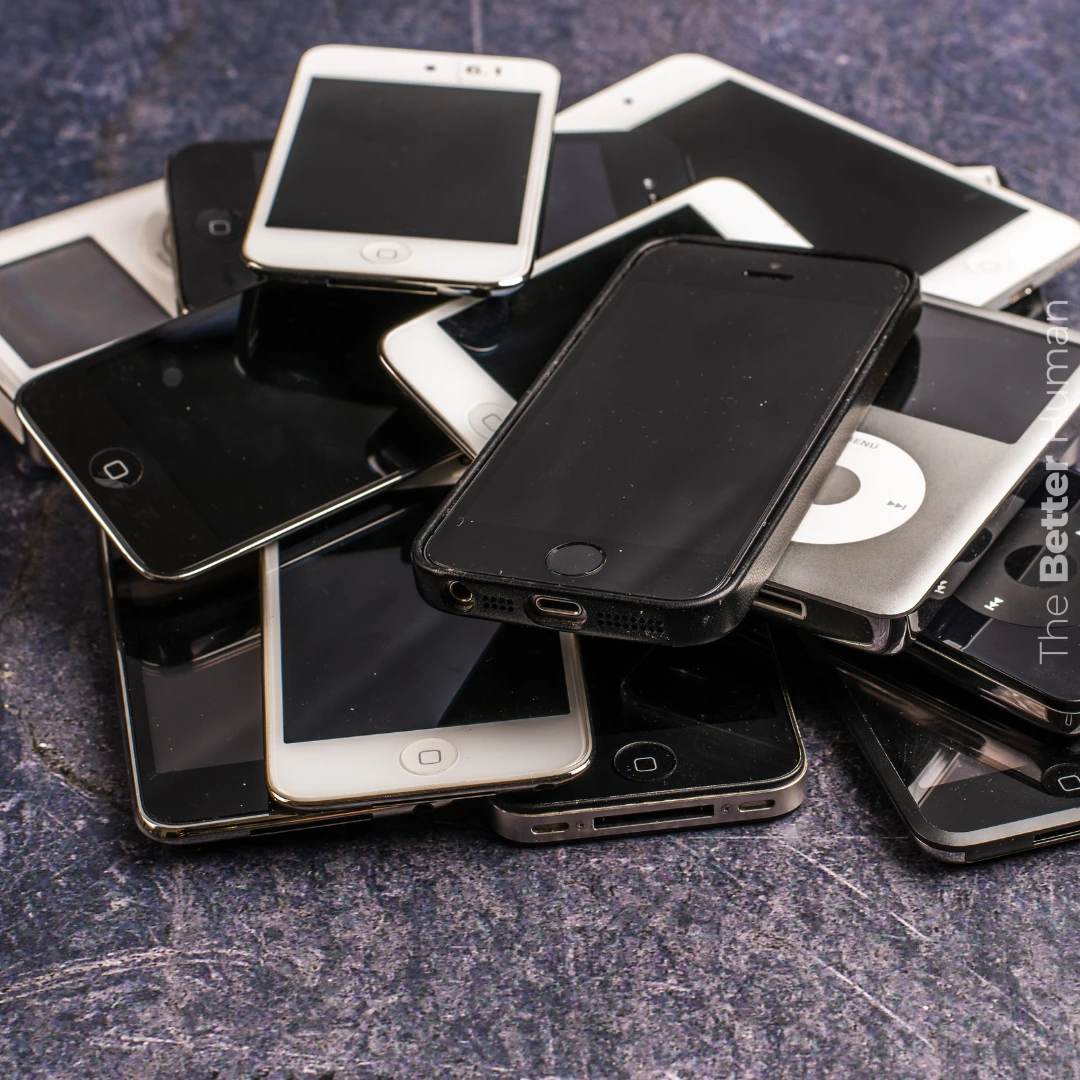
Where Old Phones Go to Die: The Toxic Afterlife of E-Waste
 Saket Sambhav
That old phone in your drawer is not sleeping. It’s waiting.
We like the fairy tale of disposal. Upgrade, wipe, trade in, move on. But “away” isn’t a place.
For millions of phones, the journey ends in informal dump sites and scrapyards across the Global South, where convenience turns into smoke, acid, ash, and someone’s lungs.
This isn’t only an environmental story. It’s a business story about cost externalisation. The profits stay near the buyer. The poison travels.
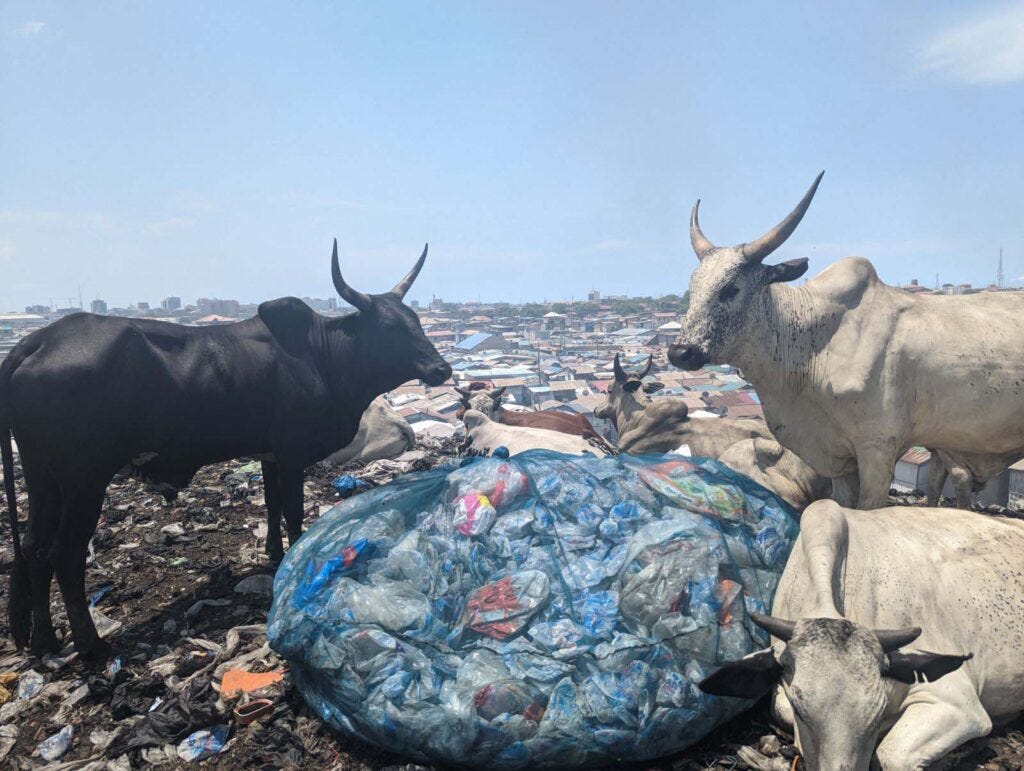
What really happens after a phone is replaced
Most phones don’t go straight from your hand to a safe recycling plant. They enter a chain of middlemen.
Some are resold. Some are stripped for parts. Some are packed into mixed loads of “used electronics” and shipped abroad. Some still work.
Many are half-dead, battery-swollen, cracked, or beyond repair. Once they land, workers sort them by hand, hunting for anything with resale value.
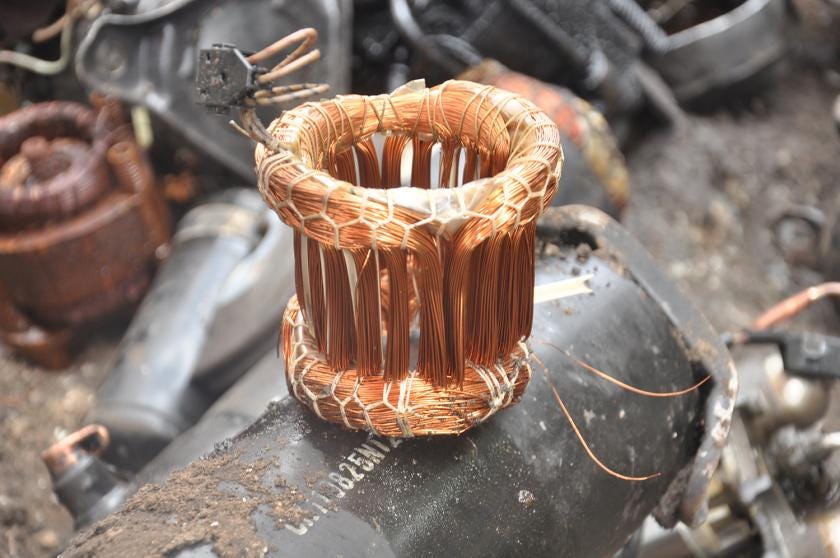
Why old phones are worth money, even when they are broken
A dead phone still contains copper, gold, cobalt, lithium, aluminium, rare earths, cameras, chips, screws, glass, and plastic.
In plain English, it is a tiny urban mine.
That value is why the trade exists. Not because the system is moral. Because the margins are there.
A phone that looks worthless to a London or Delhi consumer can still yield recoverable material. That creates a global market where poor oversight is profitable.
As one 2026 report from Nigeria’s e-waste markets shows, “second-hand” often means “someone else’s trash with a customs label”.
How e-waste leaves richer countries and lands elsewhere
This is what arbitrage looks like in the waste economy. Labour is cheaper elsewhere. Enforcement is weaker elsewhere. The environmental cost is pushed elsewhere.
in Lagos, Nigeria [File: Sunday Alamba/AP]
So containers move. Brokers bundle old electronics with repairable goods. Exporters use loopholes. Customs systems miss mixed loads.
By the time a broken phone is smashed open in Accra, Lagos, or Delhi, the brand that sold it is long gone from the scene.
There is no “away”. There is only “somewhere else”, and usually someone poorer.
Why the Global South becomes the dumping ground
Let’s be honest. These sites don’t exist because people in the Global South like toxic work. They exist because formal systems leave a vacuum, and poverty fills it.
The latest global estimate puts e-waste at 62 million metric tonnes in 2022, with only 22.3% formally collected and recycled.
The total is still rising and could hit 82 million tonnes by 2030. When wealthy markets upgrade faster than they build repair systems, somebody else absorbs the fallout.
Informal recycling fills the gap that formal systems leave behind
In many cities, informal recycling is not a side hustle. It’s survival.
Workers remove copper from cables, crack casings, sort circuit boards, and salvage batteries because that cash buys food today.
A study on Ghana’s toxic circular economy makes the trade-off plain: income comes bundled with chronic exposure to pollution.
That’s why moral outrage on its own goes nowhere. If policymakers want these yards to shrink, they need safer jobs, proper collection systems, and certified recycling that pays people fairly.
The myth that all used electronics are harmless second-hand trade
Reuse is good when a device still has life in it. Reuse is a lie when broken stock is exported under a cleaner name.
The language matters.
“For repair” sounds noble.
“Refurbishable” sounds efficient.
But dead batteries, corroded boards, and unusable junk don’t become ethical because paperwork says so.
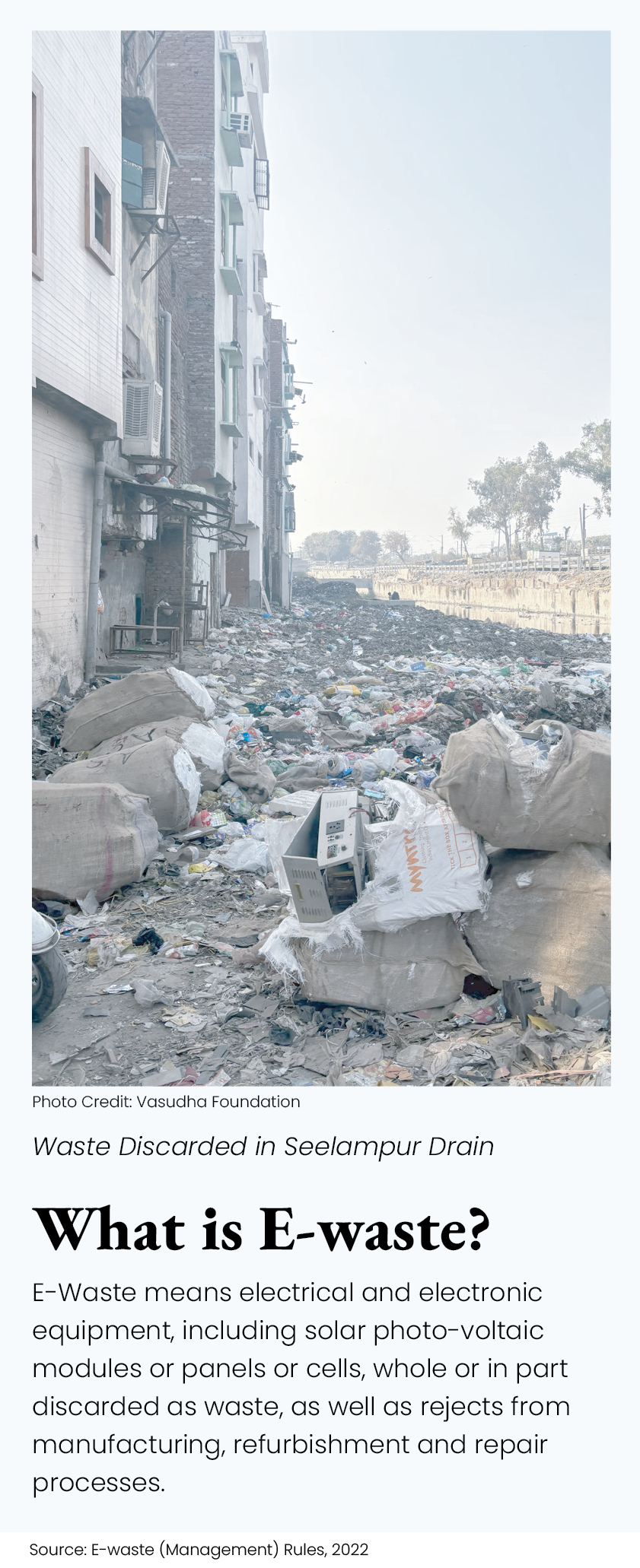
In India, reporting from Delhi’s Seelampur market shows the human scale of that fiction, thousands of workers, many with little protection, breaking down the gadgets that modern life burns through.
The toxic cost of burning, breaking, and burying phones
Phones are small, but their chemistry is not innocent.
They can contain lead, mercury, cadmium, brominated flame retardants, and battery metals that turn dangerous fast when handled badly.
Open burning releases toxic smoke. Acid stripping contaminates surfaces and drains. Hand-smashing sends dust into the air.
This isn’t abstract harm. It’s exposure at breathing height.
What the smoke and dust do to workers and children
Workers inhale fine particles and metal-laced fumes. Children living nearby breathe the same air.
Skin burns, headaches, coughs, nerve damage, developmental harm, and higher cancer risk are not fringe outcomes here. They are predictable.
A recent report on toxic exposure in Ghana described the same brutal bargain seen across informal yards: short-term income, long-term damage.
That’s not recycling done badly. That’s harm priced into the business model.
How pollution spreads through rivers, farms, and food
Toxins don’t respect the boundary of a scrapyard.
Rain carries residues into soil and waterways. Metals settle into sediments. Crops absorb what the land holds.
Animals drink contaminated water. Families eat from the same local system. The poison moves slowly, then stays.
This is why e-waste is an environmental justice issue, not a tidiness problem. The bodies closest to the dump become the first data point.
What a more honest phone economy would look like
The fix is not guilt. The fix is design, law, and accountability.
Design phones to last, be repaired, and be taken apart safely
If a battery can be replaced, a phone lasts longer. If parts are modular, repairs are cheaper. If devices are easier to disassemble, recycling gets safer and less wasteful.
For founders, this is not charity. It’s good strategy. Durable products build trust, reduce churn, and cut hidden end-of-life costs.
Make companies responsible for the full life of their products
Brands that profit from fast replacement should pay for safe take-back, certified recycling, and transparent reporting.
Extended producer responsibility is not radical. It’s basic accounting with a conscience.
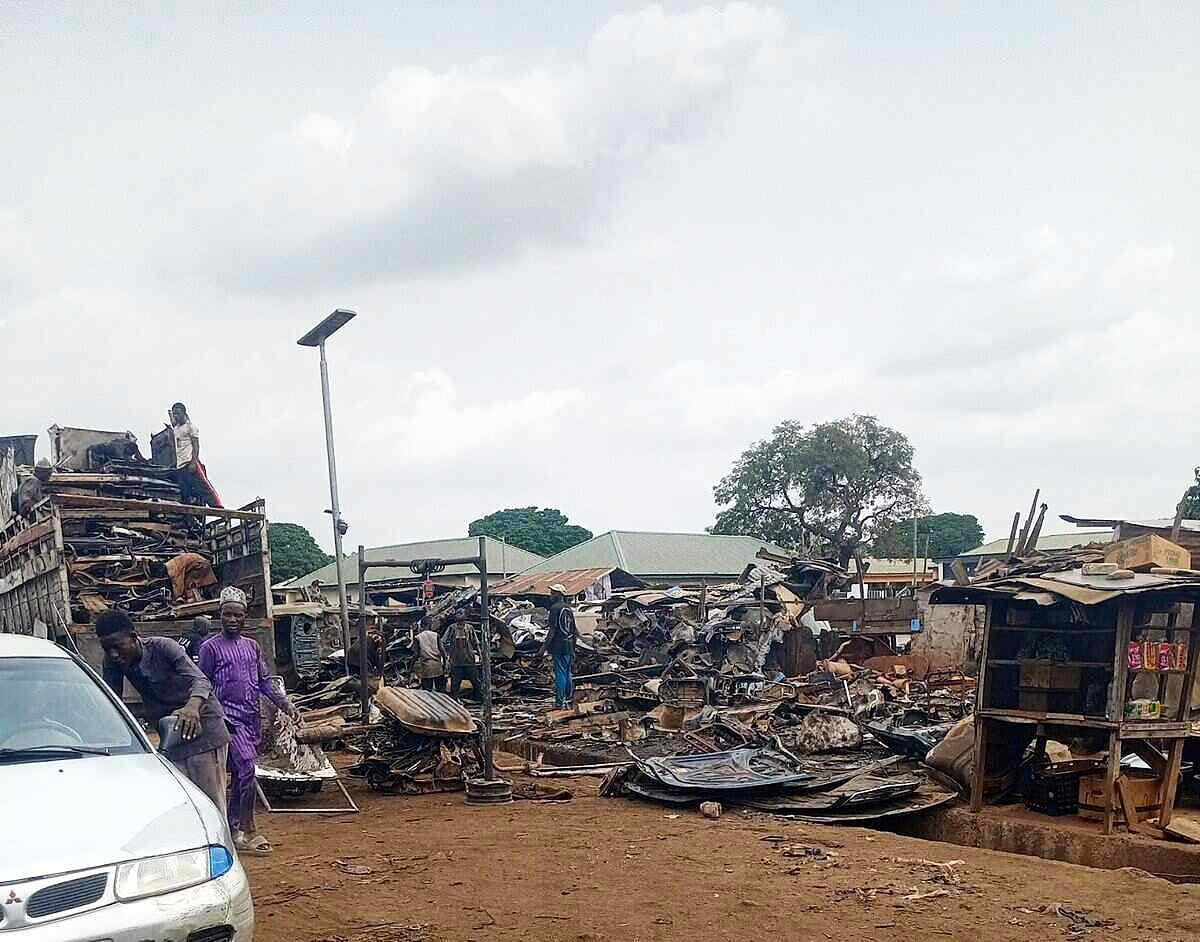
Export rules also need teeth. The debate around the Basel treaty and informal e-waste economies shows the core point: laws fail when enforcement is weak and waste is disguised as reuse.
Consumers still matter. Buy less. Repair first. Keep devices longer.
But let’s not pretend your personal virtue can outmuscle a business model built on planned replacement.
Conclusion
Every shiny upgrade has an endpoint, and too often that endpoint is a toxic graveyard far from the buyer who caused it. That’s the ugly arithmetic of modern convenience.
Radical accountability means linking ethics to systems, not slogans. Buy less. Demand repairable design. Push companies to own the full life of what they sell. If you want your values and habits to stop fighting each other, Join the Better Human Project.