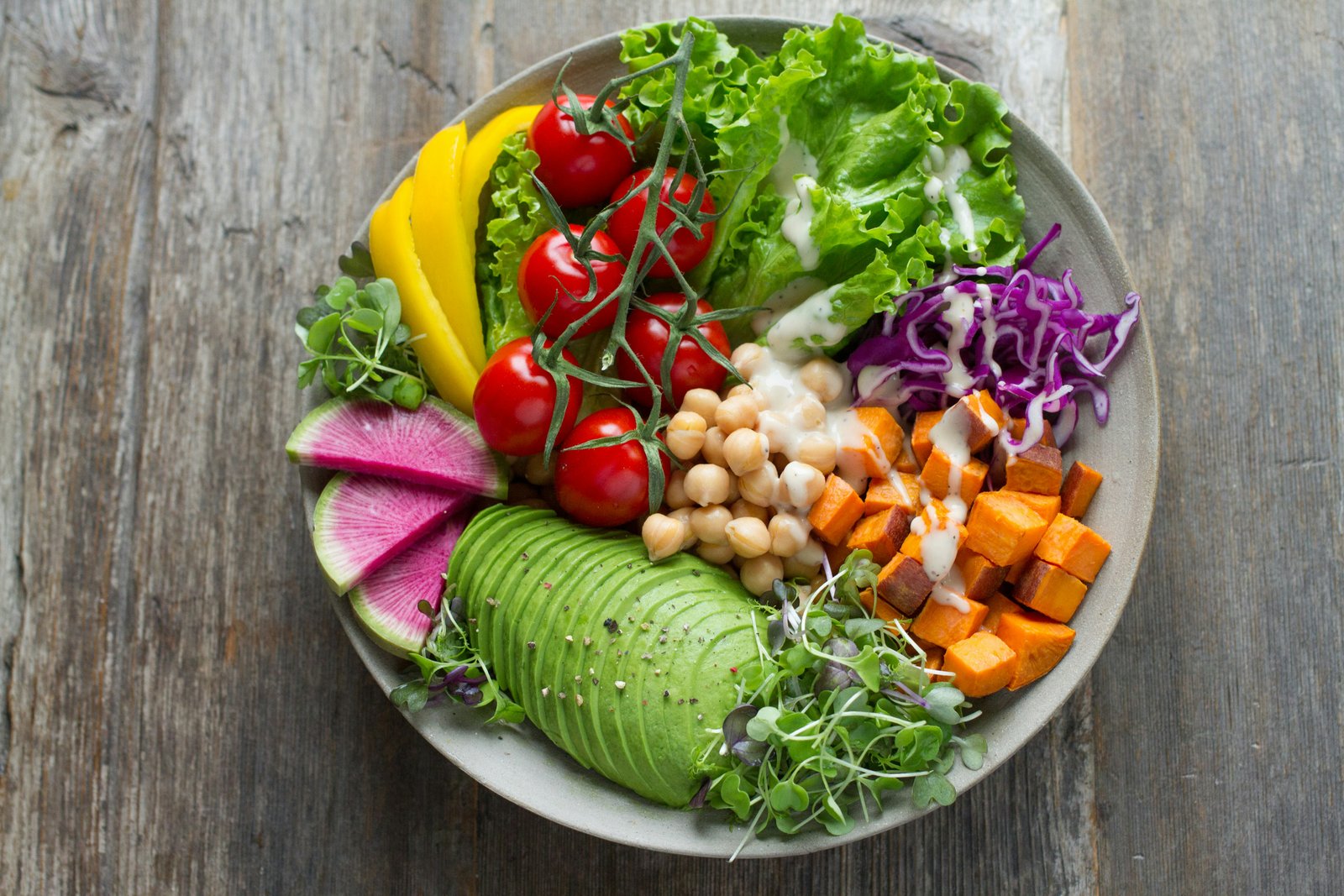
The Physics of the Plate: Why Conservation Starts with What You Eat
 Saket Sambhav
When we talk about “climate tech,” we usually think of shiny solar panels, humongous wind turbines, or clever machines that suck carbon out of the air. These are all brilliant. But there is a piece of technology you use three times a day that is arguably more powerful, more efficient, and available right now.
It’s your plate.
The way we eat isn’t just a personal choice or a cultural habit; it is a massive transfer of energy. When you look at your dinner through the lens of physics, the impact of a plant-based diet becomes undeniable. It is the most efficient “cooling technology” we have for the planet.
Key Takeaways
- The 10% Rule: Eating plants directly is ten times more energy-efficient than eating animals that eat plants, because energy is lost at every step of the food chain.
- Massive Land Savings: Moving to a plant-based diet could reduce the amount of land needed for food by up to 76%, allowing for massive “rewilding” to absorb carbon.
- Immediate Cooling: Vegan diets produce roughly 75% fewer greenhouse gas emissions than high-meat diets, providing a near-instant reduction in your personal climate footprint.
- Beyond the Plate: True conservation involves direct action: supporting projects like mangrove reforestation that actively pull carbon out of the atmosphere.
The Thermodynamics of Your Dinner
To understand why your diet matters, we have to look at the “trophic levels” of energy. In nature, plants are the primary producers. They take raw energy from the sun and turn it into food. When an animal eats those plants, it uses the majority of that energy just to stay alive: to breathe, to move, and to keep its heart beating.
In physics, this is called entropy. At every step up the food chain, roughly 90% of the energy is lost as heat or waste. Only about 10% is actually stored as biomass (meat or milk).
Think of it like a leaky battery. If you charge a battery and 90% of the electricity leaks out before you can use it, you’d call it a broken piece of tech. Yet, that is exactly how the animal agriculture industry works. When we eat beef, we are consuming a product that required ten times the energy to produce than if we had just eaten the grains or legumes directly. By choosing a plant-based meal, you are cutting out the “middle-animal” and plugging directly into the source.
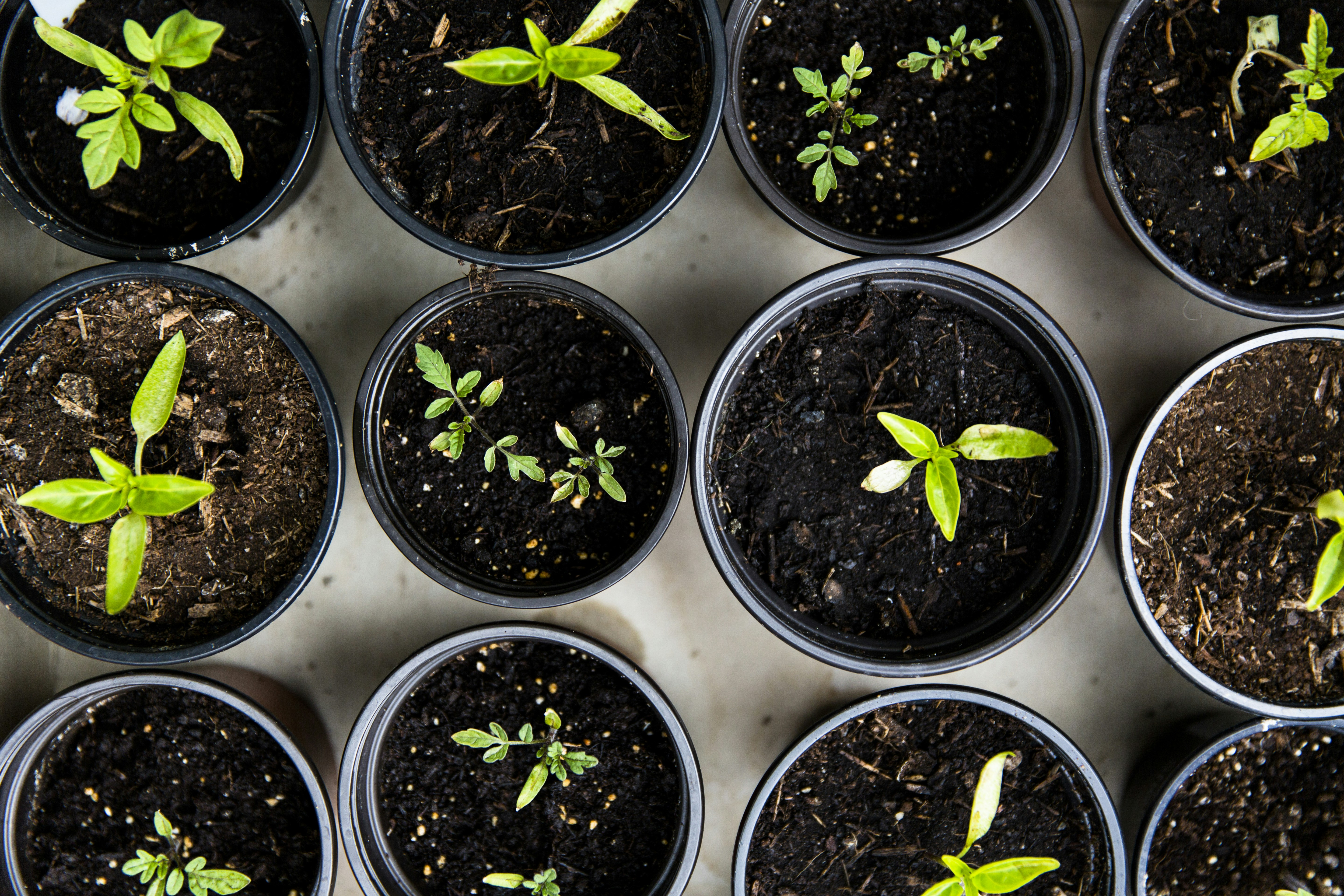
The Land Debt and the Rewilding Solution
The inefficiency of eating higher up the food chain doesn’t just waste energy; it wastes space. Because we need so much more energy to produce a kilogram of meat, we need vast amounts of land to grow the “feed” (like soy and corn) that livestock eat.
Recent UK research from Oxford University shows a startling reality. High meat-eaters use about four times as much land as vegans to sustain their diet. Globally, if we all shifted to a plant-based pattern, we could reduce the total land used for agriculture by 76%.
That is an area the size of the US, China, the EU, and Australia combined.
What happens to that land? This is where the “cooling” happens. When we stop using land for grazing or feed crops, nature takes over. Forests regrow. Peatlands recover. Mangroves thrive. These natural ecosystems are the world’s most effective carbon sinks. By changing what’s on our plate, we create the physical space for the planet to breathe again.
The Cooling Effect in Numbers
Let’s look at the hard data. In the UK, a high-meat diet (more than 100g of meat per day) creates about 10.24kg of CO2 equivalent daily. A vegan diet? Just 2.47kg.
That is a 75% reduction in your personal climate footprint, overnight.
If every person in the UK made this shift, the reduction in emissions would be like taking 8 million cars off the road. It isn’t just about carbon, either. Animal agriculture is a leading cause of water pollution (eutrophication) and biodiversity loss. When we reduce the demand for meat, we reduce the pressure on our rivers and the threat to endangered species.

Animal Welfare as Ecological Care
For many, the shift to a plant-based diet starts with compassion for animals. At The Better Human™ Life Foundation, we believe that animal welfare and ecological health are two sides of the same coin. When we treat animals as industrial units, we create a system that is inherently violent to the earth.
A plant-based diet is an act of non-violence toward the planet. It is a way of acknowledging that we don’t need to dominate the landscape or the creatures on it to thrive. It’s about finding a balance that allows both humans and wildlife to have the space they need to survive.
Turning Anxiety into Leadership
It is easy to feel “eco-anxiety” when looking at the scale of climate change. The numbers can feel overwhelming. But the physics of the plate gives us a sense of agency. You don’t have to wait for a government policy or a corporate breakthrough to start cooling the planet.
However, personal choice is only the first step. At The Better Human™ Life Foundation, we facilitate active missions that take this personal responsibility and turn it into collective impact.
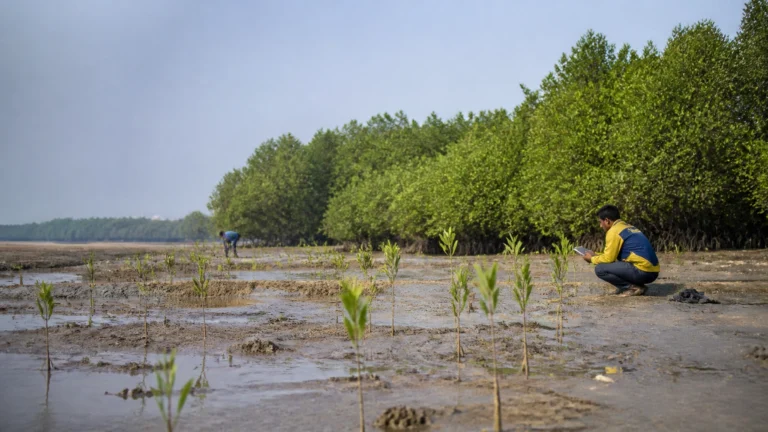
For example, our mangrove planting projects in India provide a double benefit. Mangroves are “blue carbon” powerhouses, sequestering carbon up to 10 times faster than tropical rainforests. By supporting these missions, you aren’t just reducing your debt; you are actively paying it back.

Transparency You Can See
We know that many people are wary of “charity.” You want to know where your money goes. Our founder, Saket Sambhav, covers all administrative costs so that 100% of your contribution goes directly to the field.
We use a Live Mission Tracker to show you exactly where every penny is spent. You can see the geo-tagged locations of the trees we plant and the washrooms we build for rural schools. It’s about accountability, not just donations. We want to help you become a “better human” by giving you the tools to take direct, verifiable action.
The Power is on Your Plate
Every time you choose lentils over lamb or oats over milk, you are choosing a more efficient version of the future. You are choosing to save water, protect forests, and reduce emissions.
The physics is simple: less waste, more life.
It’s time we stop treating our diet as a footnote in the climate conversation. It is the headline. By combining a plant-based lifestyle with direct-action partnerships, we can move beyond just “trying” to help. We can start succeeding.
Frequently Asked Questions
Is a plant-based diet really the best thing I can do for the environment?
According to researchers at Oxford University, a vegan diet is likely the “single biggest way” to reduce your impact on Earth. It affects everything from greenhouse gas emissions and global land use to water pollution and species extinction.
What about “grass-fed” beef? Isn’t that better?
While some grazing management can be better for soil health, the physics of trophic levels remains the same. Grass-fed beef often requires more land and produces more methane because the animals grow more slowly. In terms of sheer efficiency, plants always win.
I’m not ready to go 100% vegan. Does a “low-meat” diet help?
Absolutely. UK research shows that “low-meat” eaters (less than 50g a day) still reduce their environmental impact by about 50% compared to high-meat eaters. Every step down the food chain helps.
How does The Better Human™ Life Foundation ensure my money helps?
We operate on a 100% transparency model. Our operational costs are covered privately, meaning every pound you contribute goes directly to projects like climate literacy for youth or planting mangroves. We use geo-tagging and live trackers so you can see the results for yourself.