Why Everyone Is Talking About Direct Action for Climate (And Why It Beats Just Raising Awareness)
-
by
 Saket Sambhav
 - No Comments on Why Everyone Is Talking About Direct Action for Climate (And Why It Beats Just Raising Awareness)
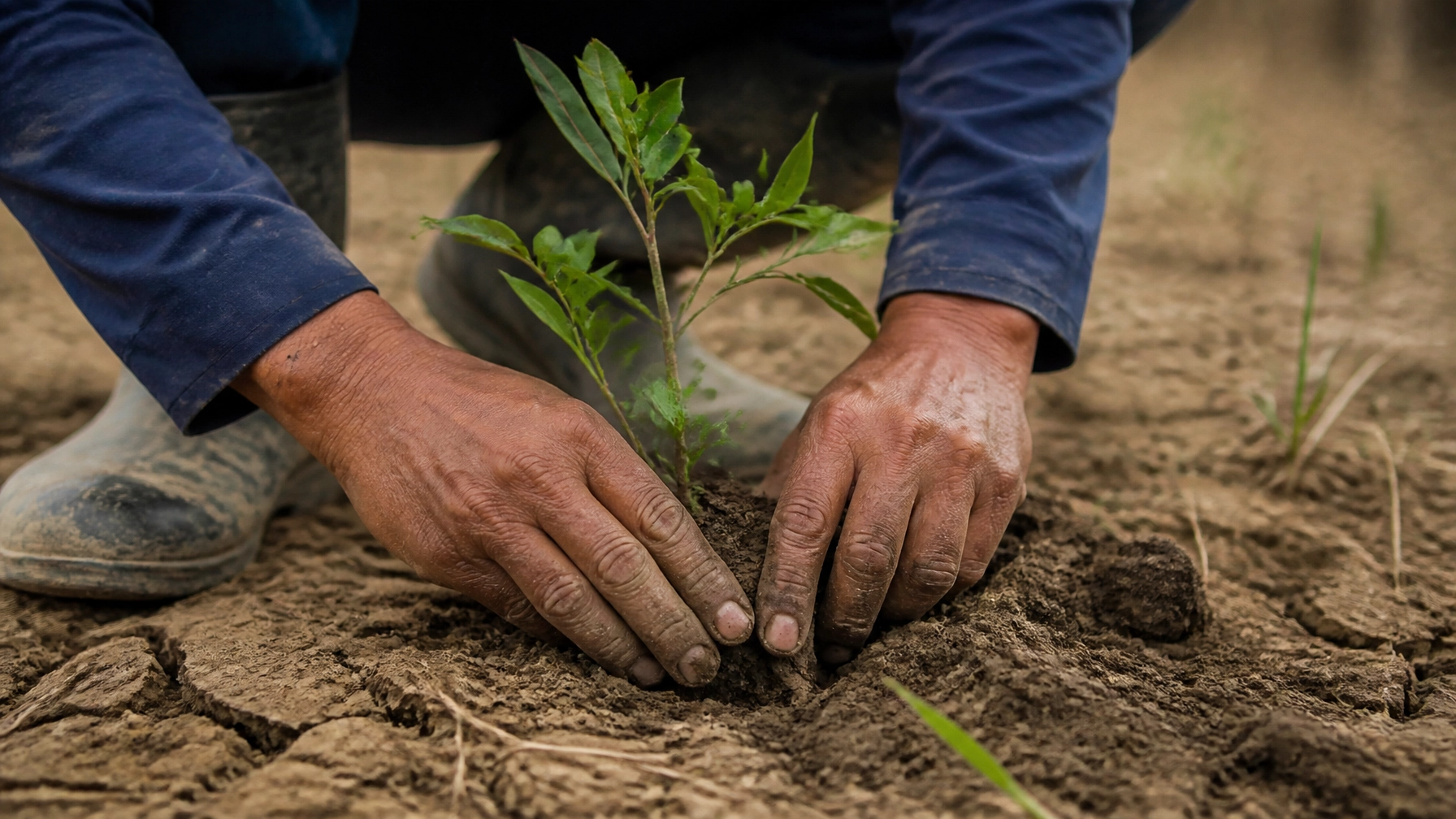
Caption: Hands in the soil, not slogans in the air. Direct climate action starts where damage becomes physical.
Most climate content stops at awareness.
You see a post. You feel bad. You share it. Then nothing really changes.
That is the problem.
The climate crisis is not short on attention. It is short on real work. Soil still gets stripped. Coastlines still break down. Water systems still fail. A lot of people know. Too few people act.
That is why direct action matters more.
It means doing something real in the field. Planting. Restoring. Protecting. Tracking results. Not just talking about the problem, but getting your hands dirty and fixing part of it.
Key Takeaways
- Awareness helps, but action matters more: Knowing the problem is only the first step. Real change happens when something is actually done.
- Where the money goes matters: A lot of charities lose money to admin costs. Direct-action models try to get more of it to the ground.
- Proof builds trust: It is easier to believe in climate work when you can actually see what was done.
- The goal is real-world change: Better water, healthier land, safer habitats, stronger communities. Not just better messaging.
Why Awareness Alone Is Not Enough
Awareness is not useless. It can start a conversation.
But it is often where things end too.
People watch a documentary, repost a graphic, sign a petition, and feel like they have done their part. Sometimes that helps. Often, it becomes a substitute for action.
That is where things get shaky.
If the land is damaged, it does not need another hashtag. It needs repair. If a wetland is collapsing, it needs work on the ground. If people are trapped in broken systems, they need practical support, not just sympathy.
And then there is the money side of it.
A lot of traditional non-profits spend a chunk of donations on offices, staff, campaigns, and overhead before the work even starts. That is one reason people are asking harder questions now. If you want a clearer look at that problem, read Non-Profit Transparency Secrets Revealed.
Put simply: if awareness alone worked, we would be in much better shape by now.
What Direct Action Actually Looks Like
Direct action is simple.
It means doing the work that changes the outcome.
That could mean restoring damaged land. Supporting a local community project. Protecting habitat. Installing something useful. Funding something practical. Then tracking it properly.
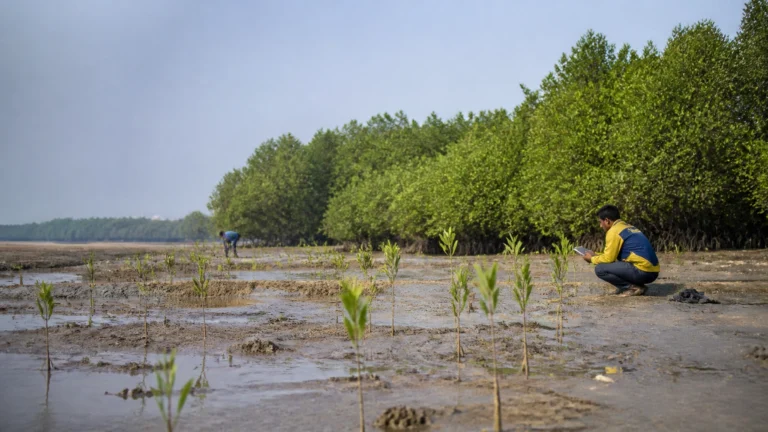
Take mangrove planting in the Sundarbans, for example.
This is not just about putting a tree in the mud and taking a photo. The bigger issue is whether the place can actually support those mangroves. Water flow matters. Tides matter. The whole system matters. If you want the deeper version of that, read Why Mangrove Planting in India Fails Without Tidal Flow.

Caption: Mangrove restoration only counts when real people do real work in the right place.
Sometimes direct action also means dealing with the reason damage keeps happening.
For example, brick kilns in India destroy fertile topsoil for construction. That hurts farms, weakens land, and deepens poverty. So the real answer is not just “save the soil” in theory. It is supporting work that protects land and helps people move out of harmful systems.
That is the difference.
Direct action goes after the source, not just the symptom.
Why Proof Matters
People are tired of vague promises.
Fair enough.
If someone says they are helping the planet, you should be able to ask: what exactly did you do?
That is why proof matters so much.
The Better Human™ Life Foundation uses a Live Mission Tracker so people can see what happened on the ground. That means actual missions, actual places, and actual records.

Caption: Climate work feels more trustworthy when the impact is tracked, recorded, and visible.
This is also why non profit transparency matters. People do not just want inspiring stories anymore. They want to know their support reached the field.
That is a healthy shift.
Trust should not depend on emotion alone. It should be backed by evidence.
Why Young People Need More Than Fear
A lot of young people care deeply about climate change.
Many also feel overwhelmed by it.
That makes sense. When all you hear is bad news, it is easy to feel stuck.
The answer is not to tell people to care more. A lot of them already care. The answer is to give them a way to turn that concern into action.
That is where climate literacy and hands-on learning come in.
Through the WriteToWin platform, young people can move from worry to leadership. They can learn, think clearly, and take part in meaningful work. And if someone wants to start with changes in daily life, 5 Steps to Lower Your Ecological Footprint and Beat Eco-Anxiety is a helpful place to begin.

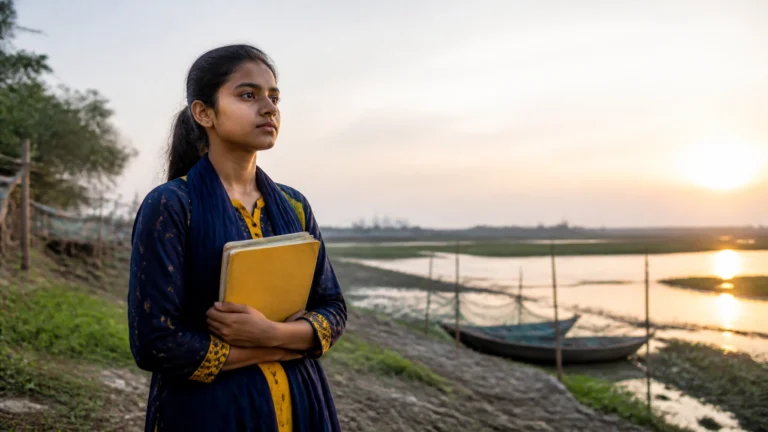
Caption: When young people get tools, support, and direction, climate concern can turn into leadership.
That is the real shift.
Not fear. Not guilt. Not endless doom-scrolling.
Action.
And sometimes that action grows into a social impact project that helps other people too.
Why This Model Feels Different
A lot of people are done with symbolic gestures.
They want honesty.
They want to know what changed, who benefited, and where the money went.
That is part of what makes direct-action models feel different.
At The Better Human™ Life Foundation, the idea is simple: founders cover operational costs, and mission contributions go directly to the field. That makes the model easier to understand and easier to trust. It also connects back to the bigger conversation in Non-Profit Transparency Secrets Revealed.
In plain words, this is about doing less performance and more repair.
The planet does not need better slogans.
It needs honest work.
Frequently Asked Questions
What does direct action for climate mean?
It means doing practical work that helps the environment in real life. That can include planting, restoration, habitat support, community projects, and other work that creates visible results on the ground.
Is raising awareness still useful?
Yes, but it is only the starting point. Awareness can help people care, but on its own it does not fix land, water, or ecosystems. Action has to follow.
How can I know if a climate project is real?
Look for proof. That includes clear reporting, visible project updates, location-based tracking, and honest explanations of where the money goes and what changed.
How can I deal with eco-anxiety in a healthier way?
One of the best ways is to move from helplessness to action. Learn more, support work you trust, make practical changes in your life, and get involved in something real. That is also why 5 Steps to Lower Your Ecological Footprint and Beat Eco-Anxiety can be a good next read.