Why India Needs Thermal Comfort Standards for Rentals
 TBH Editorial
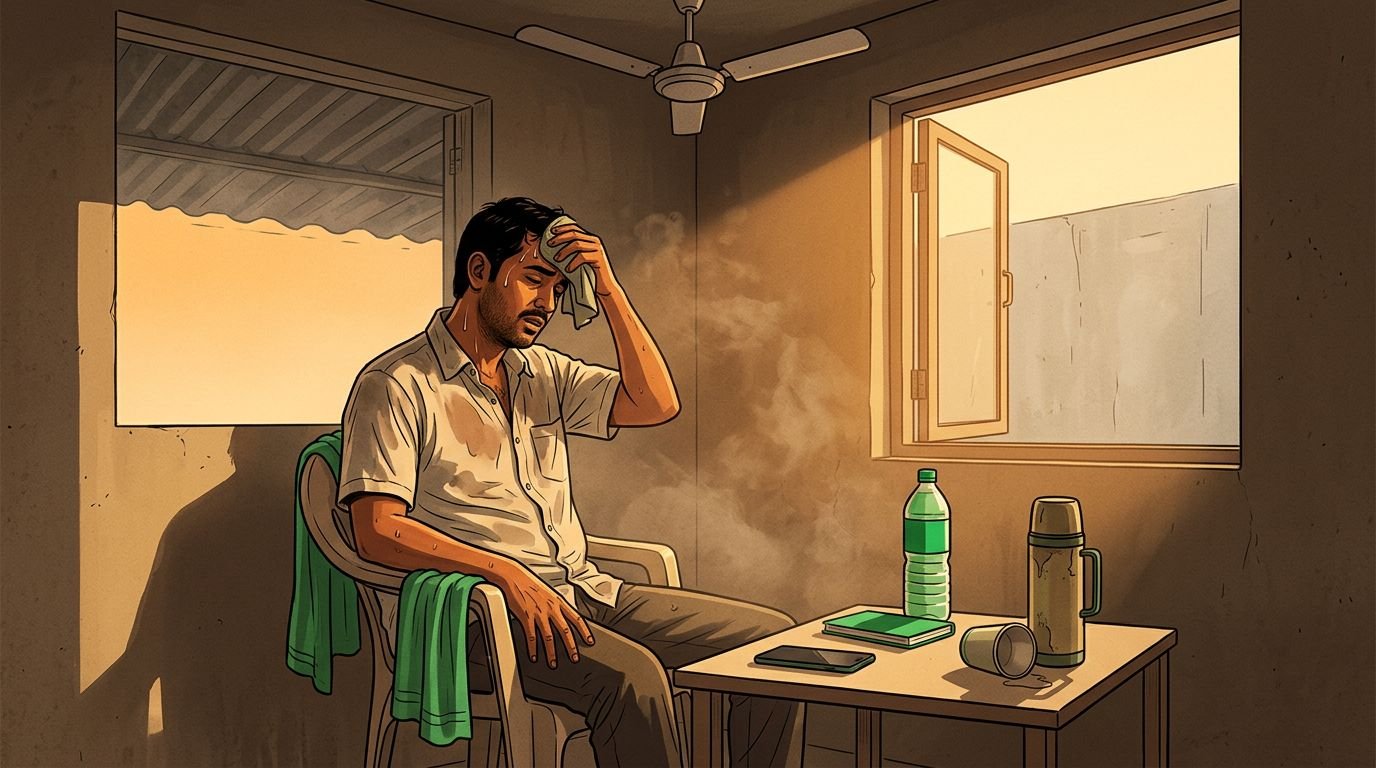
A rental home can have fresh paint, a working lock, and a legal agreement, then still become unbearable by 2 pm. When the roof stores heat like a frying pan and the only window faces another concrete wall, a tenant is not getting a home. They are renting exposure.
India’s heat crisis is usually discussed outdoors, on roads, at worksites, and in crowded markets. But many people carry that heat back into rooms where they are meant to sleep, recover, study, care for children, and begin again the next morning.
Thermal comfort standards in India must become part of rental housing rules, not an optional upgrade for people who can afford air-conditioning.
Key Takeaways
- Rental homes need minimum protections against unsafe indoor heat, poor ventilation, dampness, and heat-trapping roofs.
- Existing building rules focus more on construction safety and energy performance than a tenant’s lived indoor conditions.
- A ceiling fan cannot fix a sealed room, a hot concrete roof, or a window blocked by the next building.
- Better rentals need enforceable standards, repair duties, tenant rights, and city planning that reduces heat at street level.
- Cooling homes without reducing urban heat and fossil-fuel demand only shifts the burden elsewhere.
The Heat Crisis Inside Indian Rental Homes
A tenant may not know the technical language for thermal comfort. They know the feeling. The pillow stays warm after midnight. The fan pushes hot air around. Cooking makes the room unbearable. A child cannot focus on homework, and an older parent wakes up tired.
That is not a lifestyle problem. It is a housing problem.
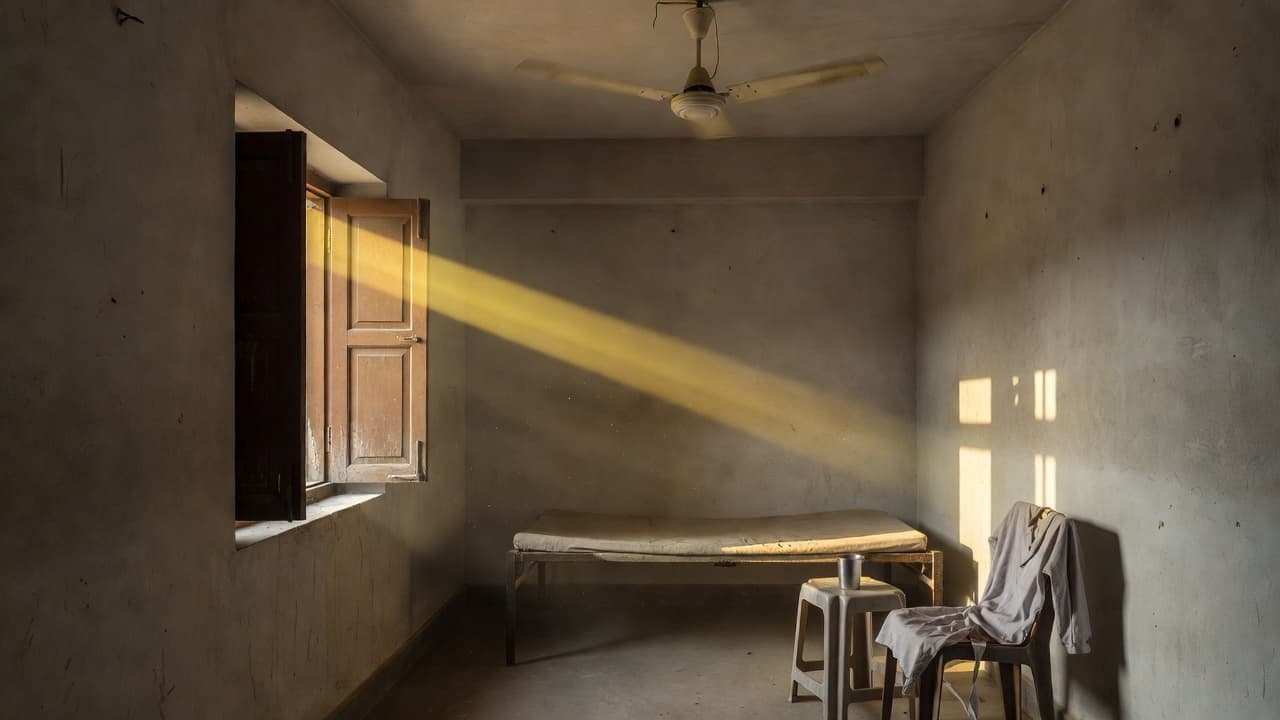
In many Indian cities, renters live in top-floor units with exposed slab roofs, cramped paying guest rooms, converted garages, basement spaces, and buildings packed too close together for air to move. Landlords often advertise proximity to a metro, security, or modular furniture. Few listings mention roof insulation, cross-ventilation, shading, or indoor temperatures during May.
That silence has consequences.
Heat affects sleep, concentration, mood, pregnancy, heart health, and the body’s ability to recover after physical work. The Centre for Science and Environment’s heat-wave analysis also links thermal discomfort indoors with sleep disruption and health harm. For a delivery rider, domestic worker, security guard, teacher, or construction labourer, a hot room extends an already punishing workday.
The burden isn’t shared evenly. Someone with money can buy an inverter AC, pay a larger electricity bill, or move. A student sharing one room, a migrant worker sending money home, or a family in a low-rent settlement often cannot.
A house doesn’t become acceptable because the rent is low. If it traps dangerous heat, the lower rent may simply hide a higher health cost.
The first hard truth is simple: India has treated thermal comfort as a private purchase. It should be a minimum housing condition.
Why Existing Rules Leave Tenants Behind
India does have building codes and energy guidance. The trouble is that they don’t yet create a clear, enforceable right to a thermally liveable rental home.
The National Building Code, issued by the Bureau of Indian Standards, deals heavily with structural safety, fire protection, sanitation, and other construction requirements. It does not give tenants a practical rule that says, “This room must stay within safe indoor conditions during extreme heat.”
The Bureau of Energy Efficiency’s Eco-Niwas Samhita is more relevant. It sets energy-performance guidance for residential building envelopes, including roofs, walls, windows, and heat gain. Its Residential Envelope Transmittance Value benchmark seeks to limit how much heat moves through the building skin in several climate zones.
That is useful. It is not enough.
Much of India’s rental market sits outside formal compliance. Small plots, older buildings, informal additions, divided family homes, and rooms created after construction rarely receive energy audits. A tenant cannot ask the municipal office for the roof’s thermal value before signing a lease. Most do not even know whether the room gets direct sun all afternoon.
The rules also speak the language of design approval, not lived experience. A building can look compliant on paper while one west-facing top-floor bedroom remains hot long after sunset.
Research from naturally ventilated affordable homes in Mumbai and Hyderabad shows why imported comfort ranges can miss local reality. Residents adapt through fans, clothes, window use, shading, and daily routines. Yet adaptation has limits. People can acclimatise to warmth, but they cannot safely adapt to a room that never cools down.
The research on affordable, energy-efficient housing makes a point that should shape rental rules: ventilation, envelope design, and prolonged exposure to heat all matter. Comfort is not one thermostat number copied from a colder country.
India needs standards built around local climate, local housing, and local bodies. Not a borrowed formula that assumes everyone has insulation, stable electricity, and a private air-conditioned bedroom.
A Fan Is Not a Thermal Comfort Plan
The most common answer to tenant heat is a ceiling fan. Fans matter. They improve air movement and can help the body shed heat through sweat. But a fan is not insulation. It cannot stop a roof from radiating stored heat into a room at night.
Neither can reflective paint, by itself.
Cool roof coatings can reduce indoor temperatures, and community projects in Ahmedabad have shown meaningful reductions in low-income homes. But many coatings need regular reapplication. A landlord who paints the roof once, takes photographs, and ignores peeling surfaces four years later has not fixed the problem.
A minimum thermal comfort standard should look at the whole room:
| Housing feature | What a tenant needs | What failure looks like |
|---|---|---|
| Roof | Insulation, reflective treatment, or shaded roof design | Top-floor room stays hot after dark |
| Windows | Openable windows with shade and secure ventilation | Fixed glass, blocked openings, direct western sun |
| Airflow | Cross-ventilation or reliable mechanical ventilation | One tiny window facing a corridor |
| Walls | Materials and finishes that limit heat gain and dampness | Bare heat-soaked concrete and trapped moisture |
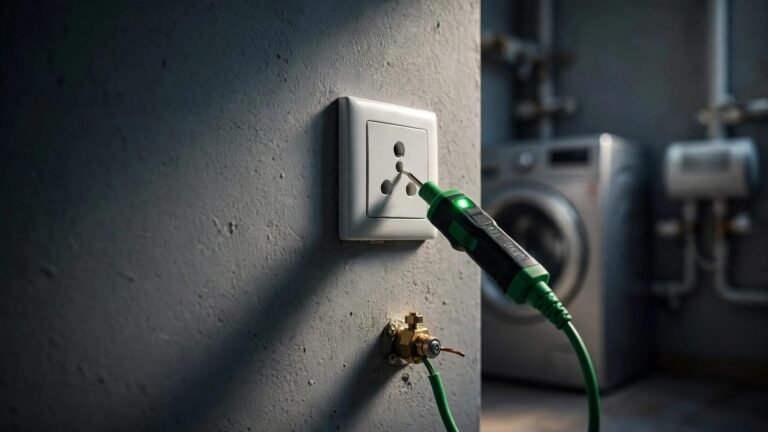
| Power | Safe wiring and sufficient load for fans or cooling | Overloaded sockets and frequent power failure |
The goal is not to demand luxury finishes. It is to stop treating preventable discomfort as the tenant’s personal weakness.
A rental unit should have enough openable window area for its size. It should not depend on one narrow opening that faces a blank wall. Habitable rooms need safe electrical capacity for at least fans. Top floors need roof measures that cut heat gain. Bathrooms and kitchens need ventilation that removes moisture instead of feeding mould.
These are ordinary building details. They become radical only because too many landlords have been allowed to ignore them.
Minimum Standards Must Protect Health, Not Property Values
The wrong version of thermal regulation would become another checklist. A builder installs one token vent, ticks a box, and moves on. We have seen this failure in construction dust control, rainwater harvesting pits, and tree planting drives. A visible object is not proof of real performance.
Rental standards must focus on conditions people can feel and verify.
Cities could require landlords to disclose basic thermal information before a lease begins. Is the unit on the top floor? Which direction do the main windows face? Is there roof insulation or a cool roof? Does the room have cross-ventilation? Has the building experienced recurring dampness or power overloads?
That disclosure alone would change the conversation. Right now, tenants inspect a flat for ten hurried minutes. They often visit in the evening, when the worst heat has passed. By May, the truth arrives.
Local governments should also create a simple habitability inspection route for complaints. It should not require a tenant to hire an architect, risk eviction, and wait months for action. A clear complaint process needs time-bound inspections, repair orders, and penalties for repeat failures.
The standards should cover:
- Minimum ventilation and daylight in every habitable room.
- Roof heat-reduction measures for exposed top-floor units.
- Shading for windows with severe afternoon sun.
- Safe electrical systems that can support cooling equipment.
- Repairs for dampness, leaks, blocked vents, and broken fans.
- Protection against eviction or rent retaliation after a complaint.
Landlords will say upgrades cost money. Some do. But tenants are already paying. They pay through higher electricity bills, lost sleep, missed work, medicine, and heat stress.
A better model could pair enforcement with low-interest retrofit finance, property-tax incentives, and technical support for smaller landlords. That is where sustainable business models have a real job. Property managers, housing societies, and lenders should reward buildings that reduce heat, energy waste, and tenant illness.
No one should be able to profit from a room that becomes dangerous in summer.
Heat at Home Is Also a City Design Failure
Indoor heat is not produced only by bad buildings. It is fed by the street outside.
Dark roads absorb sunlight. Concrete towers block wind. Shrinking tree cover removes shade and evapotranspiration. Diesel generators, traffic, construction dust, and waste burning add heat and pollution to the same neighbourhood. The result is an urban heat island, where dense built areas stay warmer than surrounding land.
A tenant on the fourth floor cannot solve that with a bamboo blind.
This is why Systemic change matters more than asking residents to become better heat managers. People can close curtains, drink water, and use fans carefully. Those habits help. They cannot replace shaded streets, better building spacing, cooler roofs, clean public transport, and functioning electricity.
Urban trees are not decorative extras in this equation. Their survival affects indoor comfort, stormwater, air quality, and urban biodiversity. Yet cities still seal tree bases with concrete, prune canopies aggressively, and treat a surviving mature tree as an obstacle to parking.
A healthy neighbourhood needs permeable ground, shade, parks, street trees, wetlands, and buildings designed for airflow. It also needs planning departments willing to say no to designs that turn every lane into a heat-storage corridor.
The ecological impact of poor rental housing extends beyond one household. When every tenant has no choice but to install a cheap AC, peak electricity demand rises. If that power comes from fossil fuels, the city burns more fuel to cope with heat it helped create.
Air-conditioning can protect health during dangerous heat. It should never be moralised against. But it cannot be the only answer. A city that forces millions to mechanically cool badly built rooms has designed a costly loop.
A Fair Cooling Policy Can’t Stop at Air-Conditioners
Cooling is often sold as a consumer product. Buy an AC. Buy a cooler. Buy a better fan. That framing lets the housing system escape scrutiny.
A fair policy begins with passive protection: shade, insulation, ventilation, reflective roofs, lower heat gain, and trees that are alive five summers after planting. These measures reduce indoor heat before electricity enters the picture.
Then comes efficient cooling for periods when passive design isn’t enough. Energy-efficient fans, well-maintained air-conditioners, clean power, and affordable electricity protections all have a place. But the order matters.
A poorly built room forces its occupant to spend more energy every hour. A well-designed room reduces that need before the fan starts.
This is also a circular economy issue. Indian cities demolish workable buildings, use high-heat materials without accountability, and throw away repairable cooling appliances. A more responsible housing economy would reward retrofit work, repair skilled fans and AC units, recover construction materials safely, and retain buildings that can be upgraded rather than discarded.
Renters should not be offered a choice between heat stress and an electricity bill they cannot pay.
Personal choices still belong in the conversation, but they must stay in proportion. Plant-based living, public transport, and lower-waste habits can reduce wider emissions. They do not cool a sealed rental room tonight. Telling a tenant to make better consumer choices while ignoring a burning roof is moral theatre.
The policy question is sharper: who has the power to reduce heat at its source, and who is being asked to endure it?
What Tenants Can Check Before Signing a Lease
Tenants deserve rights, but people also need practical questions before money changes hands. A landlord may not volunteer useful answers. Ask anyway.
Visit the home during the hottest part of the day if possible. Stand still for a few minutes. Notice whether the room feels stale even with windows open. Check the top-floor ceiling for heat, water stains, and signs of added insulation.
Look beyond the staged furniture:
- Open every window and see where the air actually moves.
- Ask about summer electricity bills, outages, and inverter backup.
- Check whether the western side has shade, an awning, or bare glass.
- Look for damp corners, mould, blocked vents, and patched roof leaks.
- Confirm that the meter and wiring can safely support fans or an AC.
- Ask whether the landlord will repair a broken fan, leaking roof, or faulty window within a set timeframe.
Put repair responsibilities in the written agreement. Verbal promises fade fast after the deposit is paid.
This is where everyday mindfulness can become useful without becoming blame. Notice the direction of the sun. Notice whether rain can enter the room. Notice the smell of dampness and the hum of an overloaded electrical board. Those observations are not small when a lease may shape the next year of your health.
We also need stronger climate literacy around housing. Young renters learn how to compare rent, commute time, and Wi-Fi. They should also know how to recognise heat risk, poor ventilation, and energy waste. A home inspection should include more than paint quality and wardrobe space.
Community Pressure Can Make Heat a Housing Issue
One tenant complaining can be dismissed. A building full of tenants documenting the same heat, dampness, or broken ventilation cannot be ignored as easily.
Resident groups can track common problems, request maintenance records, and ask local councillors whether rental inspections include heat safety. Colleges and employers can share heat-safe housing information with students, interns, and migrant workers. Housing platforms can publish ventilation, roof type, and top-floor status instead of treating those details as irrelevant.
Community work also connects indoor comfort with the systems outside the building. Better tree cover, wetland protection, public transport, mangrove restoration, and neighbourhood shade all reduce climate pressure over time.
That wider connection matters. You can Explore Our Active Missions supporting climate literacy, community resilience, and urban biodiversity because a liveable home depends on a liveable city.
We should stop calling these separate issues. Heat in a rented room, a dying roadside tree, a dusty construction site, and a power-hungry city are part of the same public-health story.
Thermal Comfort Is a Basic Rental Right
A ceiling fan in a heat-soaked room is not comfort. It is a tenant doing their best inside a system that has accepted too little.
India needs rental rules that treat ventilation, cool roofs, shade, safe wiring, and repair duties as basic conditions of a home. Thermal comfort should not be reserved for people who can buy their way out of bad design.
The next time a rental listing calls a room “well-ventilated,” ask to feel it at 3 pm. That one question can expose whether the home offers shelter, or only four hot walls.