EPR Compliance in India for Small Consumer Brands, Explained Plainly
-
by
 TBH Editorial
 - No Comments on EPR Compliance in India for Small Consumer Brands, Explained Plainly
Selling one neat pouch of serum, snacks, or detergent can create a messy obligation after checkout. That’s the blunt truth behind EPR compliance in India.
If your brand puts plastic packaging into the Indian market, regulators don’t care that you’re “still small”. They care that the packaging exists, moves, and becomes waste. The rules can look dense, and too many founders rely on half-read blog posts and WhatsApp forwards. That’s how expensive mistakes happen.
TL;DR
- If you sell under your own brand and use plastic packaging, you may fall under EPR as a producer, importer, or brand owner.
- This isn’t only a factory issue. D2C brands, marketplace sellers, food labels, beauty brands, fashion labels, and home brands can all be pulled in.
- The real work is plain, not fancy: register, classify packaging, track volumes, work with authorised recyclers, file returns, and keep records.
- Delay is the costly bit. Penalties can run into lakhs, and some sales channels may ask for proof before they onboard or continue you.
What EPR means when the package carries your name
EPR stands for extended producer responsibility. In plain English, if your business puts plastic packaging into the market, you may also be responsible for what happens to that packaging after use.
For most small brands, the real question isn’t, “Do we own a factory?” It’s, “Whose name is on the pack, who imports it, and who introduces it into India?” If the answer points to you, you’re already close to the issue.
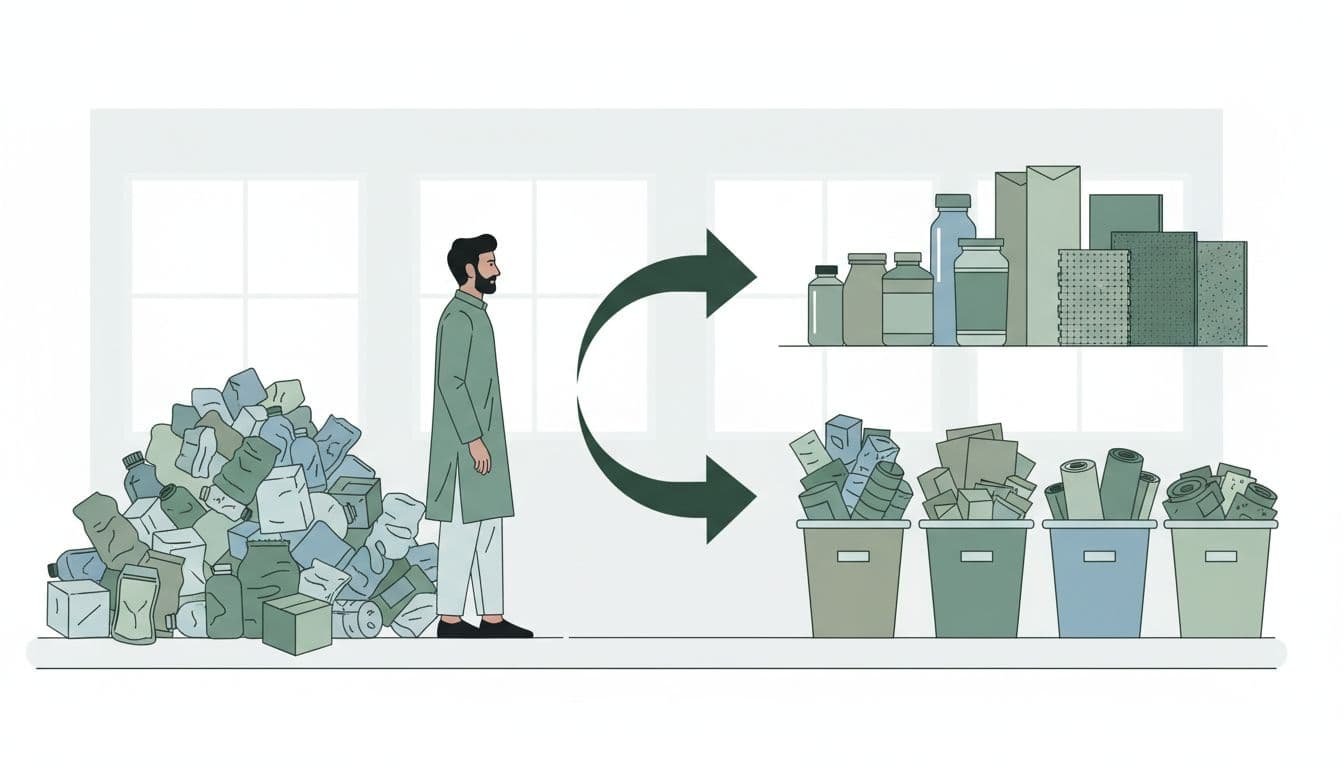
Small businesses usually meet EPR through one or more PIBO roles. Here’s the simple version:
| Role | What it usually means | Common small-brand example |
|---|---|---|
| Producer | You make plastic packaging or plastic-packed goods | A unit filling products into plastic jars or bottles |
| Importer | You bring in plastic packaging or finished goods packed in plastic | A beauty brand importing sheet masks or refill packs |
| Brand owner | You sell under your own brand using plastic packaging | A D2C snacks or home-care brand using pouches and mailers |
This catches founder-led brands all the time because they outsource manufacturing. Outsourcing production doesn’t outsource responsibility. If your label goes on the pouch, jar, cap, or mailer, the compliance question still circles back to you.
The same goes for e-commerce. Selling through Amazon, Flipkart, Meesho, or your own site doesn’t make you invisible. If you’re the brand owner, the packaging obligation may still sit with you. A good plain-English reference is this MSME plastic packaging guide, which explains why 2026 is getting tighter on targets and portal tracking.
Which packaging types can pull a small brand into the rules
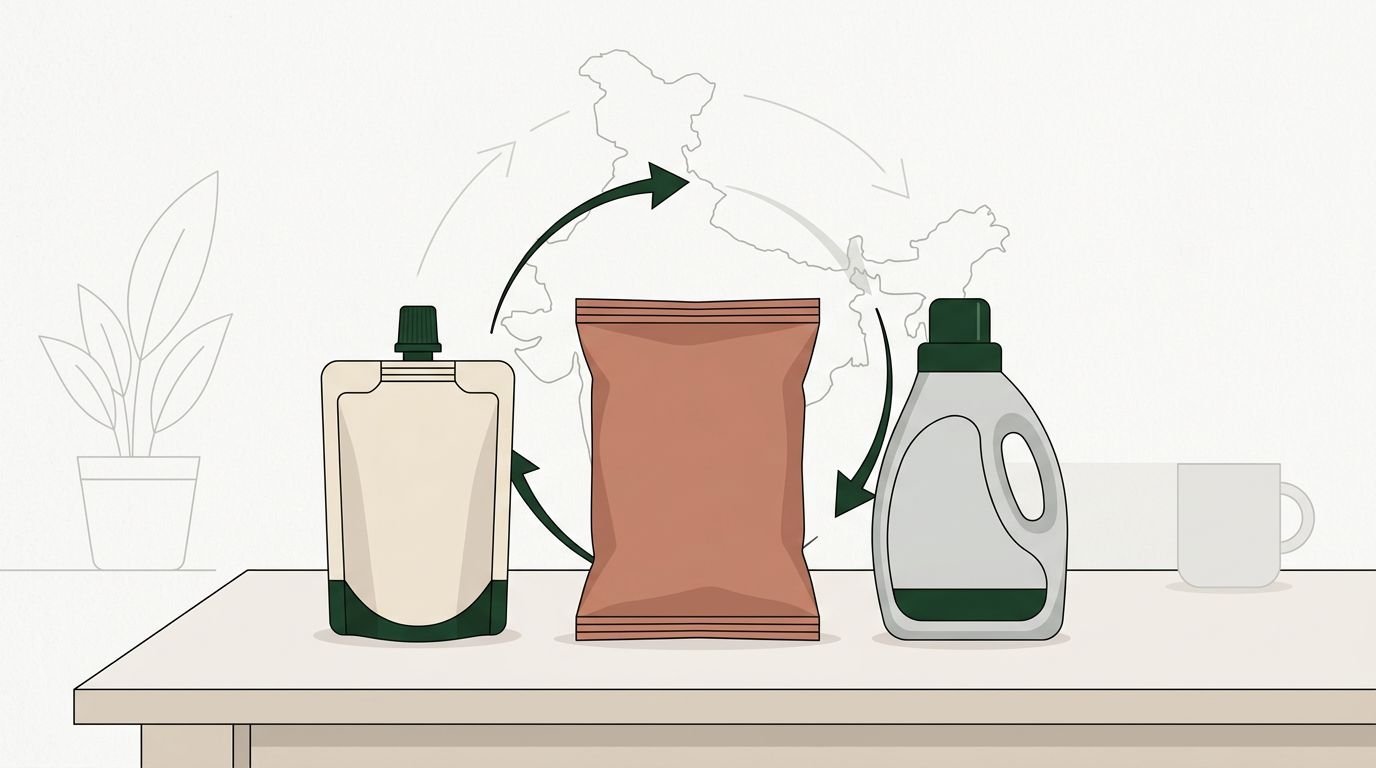
Founders often think EPR is a bottle problem. It isn’t. The rules can touch primary packaging, secondary packaging, and tertiary packaging. That means the jar, the pouch, the shrink wrap around the carton, the outer shipping polybag, and sometimes the protective packaging used to get the order to the customer in one piece.

Think about how this shows up by category. Beauty brands may use pumps, droppers, sleeves, caps, and refill pouches. Food brands often use multilayer laminates, sachets, and secondary wrap. Fashion brands may sell cloth products, then ship them in plastic mailers with tape and garment sleeves. Home brands often mix rigid containers with shrink wrap and protective film.
If your packaging reaches the market, somebody expects you to account for it.
A lot of small brands undercount because they look only at the obvious pack. They forget caps, seals, liners, labels, tape, sample sachets, or the mailer used for D2C orders. Then purchase records, dispatch data, and annual returns stop matching. That’s when the problem stops being theoretical.
The exemption question is where founders get misled. Some online guides still suggest relief for certain MSME brand owners. Others say there is no practical small-business carve-out if plastic packaging is involved. The safer position is simple: don’t assume size protects you. Check your actual role, your packaging mix, and the latest rules. This 2026 plastic EPR registration guide is useful for role checks, and this e-commerce seller explainer on plastic waste EPR shows why marketplace sellers get caught too.
What EPR compliance in India looks like in day-to-day operations
This is the part nobody puts on the pitch deck. EPR is mostly paperwork, data discipline, and vendor management. Glamorous? Not remotely. Important? Yes.
The first step is registration under the right category. After that, you need to classify your packaging by type and quantity. Rigid bottles and trays are treated differently from flexible pouches and small-format packs. Current 2025-26 guidance points to recycled-content targets that vary by packaging class, with some rigid categories facing higher percentages than flexible ones, and those targets rise over time.
Then the work becomes operational. You need clean numbers on how much plastic you put out, which SKUs use it, which suppliers provided it, and which authorised recycler or waste processor will back your obligation. If you’re buying certificates or credits through registered recyclers, your own packaging data still has to be right. Bad inputs don’t become good compliance because a consultant made a PDF.
2026 has also brought tighter portal monitoring and more attention on traceability. Some brands may need updated labelling or QR-based tracking, depending on category and current requirements. Annual returns matter. Record-keeping matters. If your data lives in one founder’s head and three vendor WhatsApp chats, that’s not a system. That’s a future headache.
Food, beverage, and beauty brands have extra pressure because packaging changes can affect product safety, shelf life, and customer experience. A cheaper material switch can create a worse problem than a missed filing. Procurement, packaging, ops, finance, and compliance need to speak to each other. In a small startup, that may be the same two people. Fine. The point is to make the process real.
EPR compliance in India isn’t a one-time form. It’s an operating habit.
How small brands can get compliant without building a mini bureaucracy
The fastest way to get stuck is to treat EPR as a consultant’s file that appears once a year. The better way is to build a lean internal routine, then bring outside help where it adds clarity.
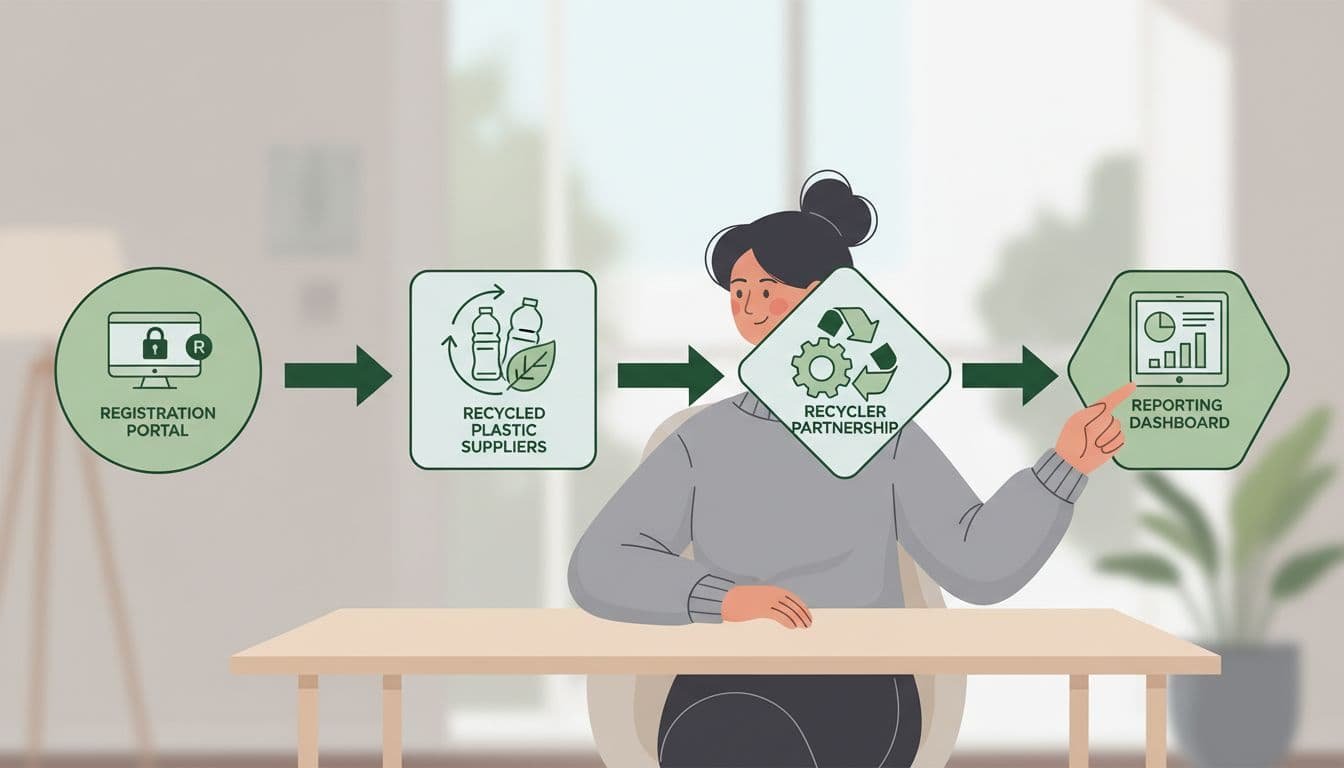
A workable sequence looks like this:
- Map every plastic component by SKU. Count the obvious pack and the boring bits, caps, sleeves, liners, tape, shrink film, mailers.
- Decide your legal role or roles. A brand can be a brand owner and an importer at the same time.
- Gather clean paperwork early, GST details, PAN, product list, packaging specs, supplier details, and authorised signatory records.
- Line up the right partners, packaging vendors, authorised recyclers, and if needed, a consultant who explains the job instead of hiding it behind jargon.
- Set a monthly data routine. Waiting until filing season is how numbers go feral.
That monthly rhythm matters more than most founders realise. One spreadsheet is enough to start if it’s updated properly. Track packaging bought, packaging used, units sold, states supplied, recycler documents received, and any packaging change by SKU. When you launch a new pack size, add it to the tracker that week, not six months later when no one remembers the material spec.
The money question matters because small brands have budgets, not fantasy plans. Your spend may include consultant fees, recycler certificates, packaging redesign, better supplier documentation, and internal time. For a lean D2C brand, that can hurt. Still, it’s usually cheaper than scrambling after a notice, missing a retailer requirement, or dealing with penalties that can run into lakhs.
One more mistake is common and avoidable. Founders dump EPR on one exhausted ops person and walk away. That never ends well. Give one person ownership, yes, but make packaging, sourcing, finance, and leadership part of the rhythm. This practical PIBO compliance guide is a useful reference if you’re building that internal handover.
EPR isn’t a branding exercise. It’s a records exercise.
Brands that get this right early don’t become saints. They become harder to trip up.
Final thoughts
The worst time to think about EPR is after a marketplace, retailer, or regulator asks for paperwork you don’t have. If your brand uses plastic packaging, treat EPR compliance in India like GST or batch tracking, not like a “later” problem for when the business is bigger.
Start small, but start clean. Count the plastic, classify it properly, and give one person the job of keeping the numbers honest.
If you’re already trying to reduce waste beyond paperwork, you can also Contribute to Active Missions, which funds field projects directly, including bird nests and mangrove planting. Compliance is the floor. Thoughtful action is the part people remember.