Ocean Noise Pollution Is Driving Marine Life Away
 Saket Sambhav
How noise harms marine life beyond hearing loss.
The ocean was never silent. It has always been full of clicks, songs, pulses, crackles, storms, and movement.
That living soundtrack is how whales find each other, how fish breed, and how young animals stay close to their mothers.
Now we are drowning it out.
This is not some niche wildlife issue for people who like documentaries and reusable bottles. Underwater noise pollution is a systems problem, tied to shipping, drilling, sonar, ports, and the industrial obsession with moving faster, digging deeper, and building more.
If your idea of progress depends on turning whole ecosystems into collateral damage, that isn’t progress. It’s poor management with better branding.
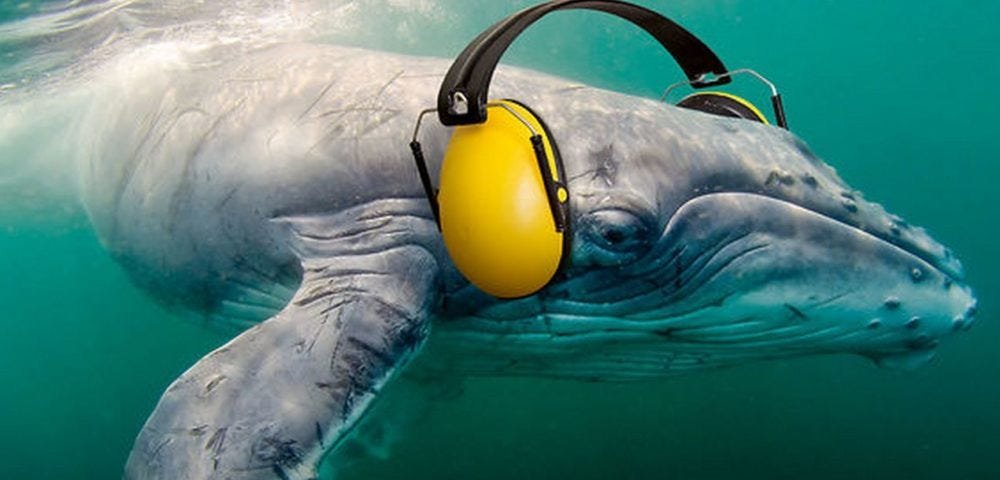
What underwater noise pollution really is, and why it is getting worse
Underwater noise pollution is human-made sound that spreads through seas and oceans and disrupts marine life.
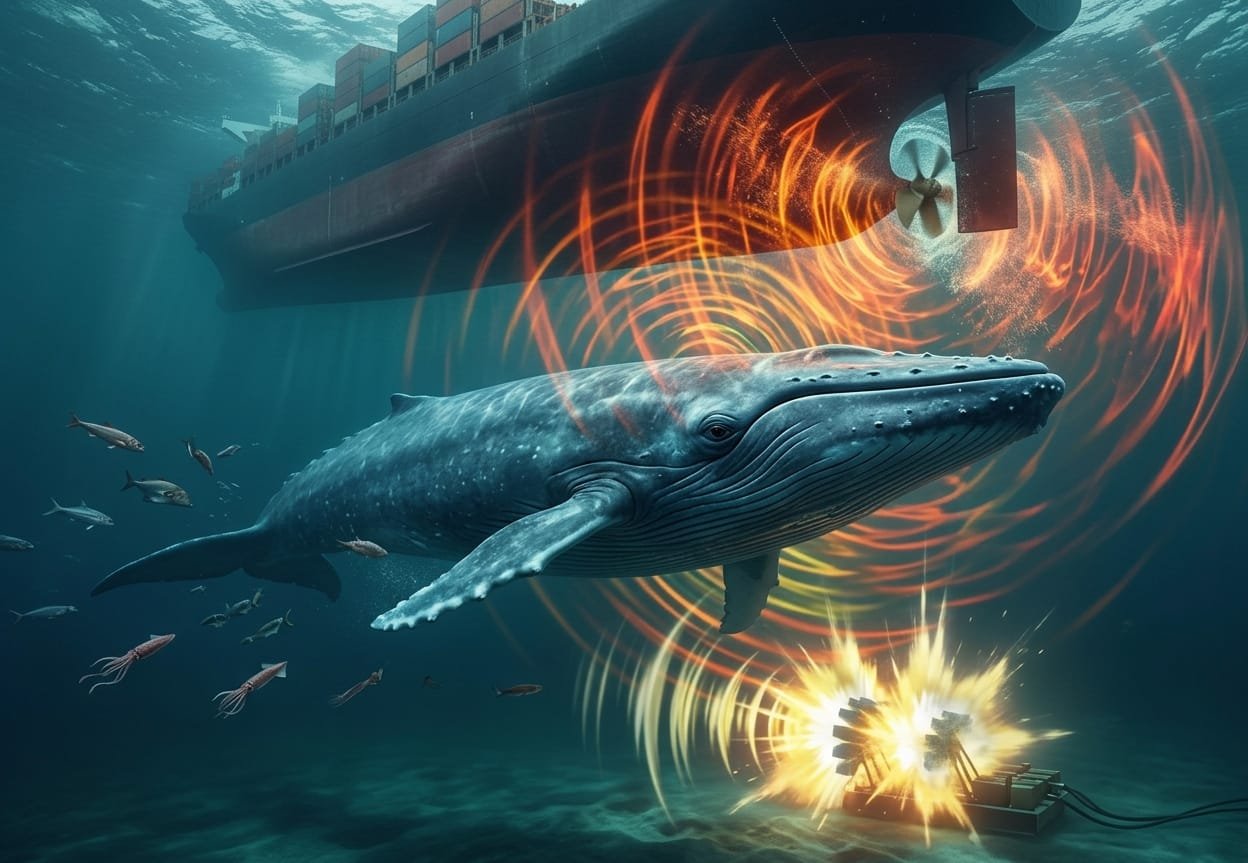
Think cargo ships, military sonar, seismic surveys for oil and gas, dredging, pile driving, harbour expansion, and coastal construction.
One ship might sound harmless. Thousands moving through the same routes, day and night, create a wall of sound.
The problem is growing because trade is growing. Ships are larger, ports are busier, coastlines are more industrial, and offshore energy infrastructure keeps expanding.
The ocean is being treated like free space, when it isn’t free and it certainly isn’t empty.
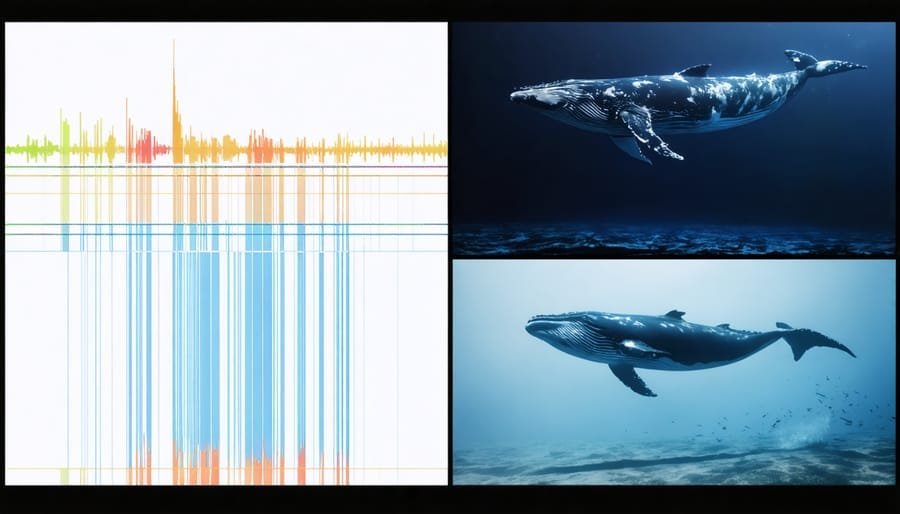
Why sound moves differently in the sea than it does on land
Sound travels faster in water than in air, and low-frequency sound can travel enormous distances. That means the source doesn’t need to be nearby to cause harm.
A vessel or airgun survey many kilometres away can still interfere with an animal trying to feed, mate, or orient itself.
For marine animals, sound is not background decoration. It’s a map, a phone line, and an alarm system rolled into one.
The main human activities driving the noise spike
Commercial shipping is the biggest source of constant low-frequency noise.
Seismic surveys add repeated explosive blasts.
Naval exercises add powerful sonar.
Dredging and construction add grinding, hammering, and vibration near coasts where marine life already faces pressure from warming, pollution, and overfishing.
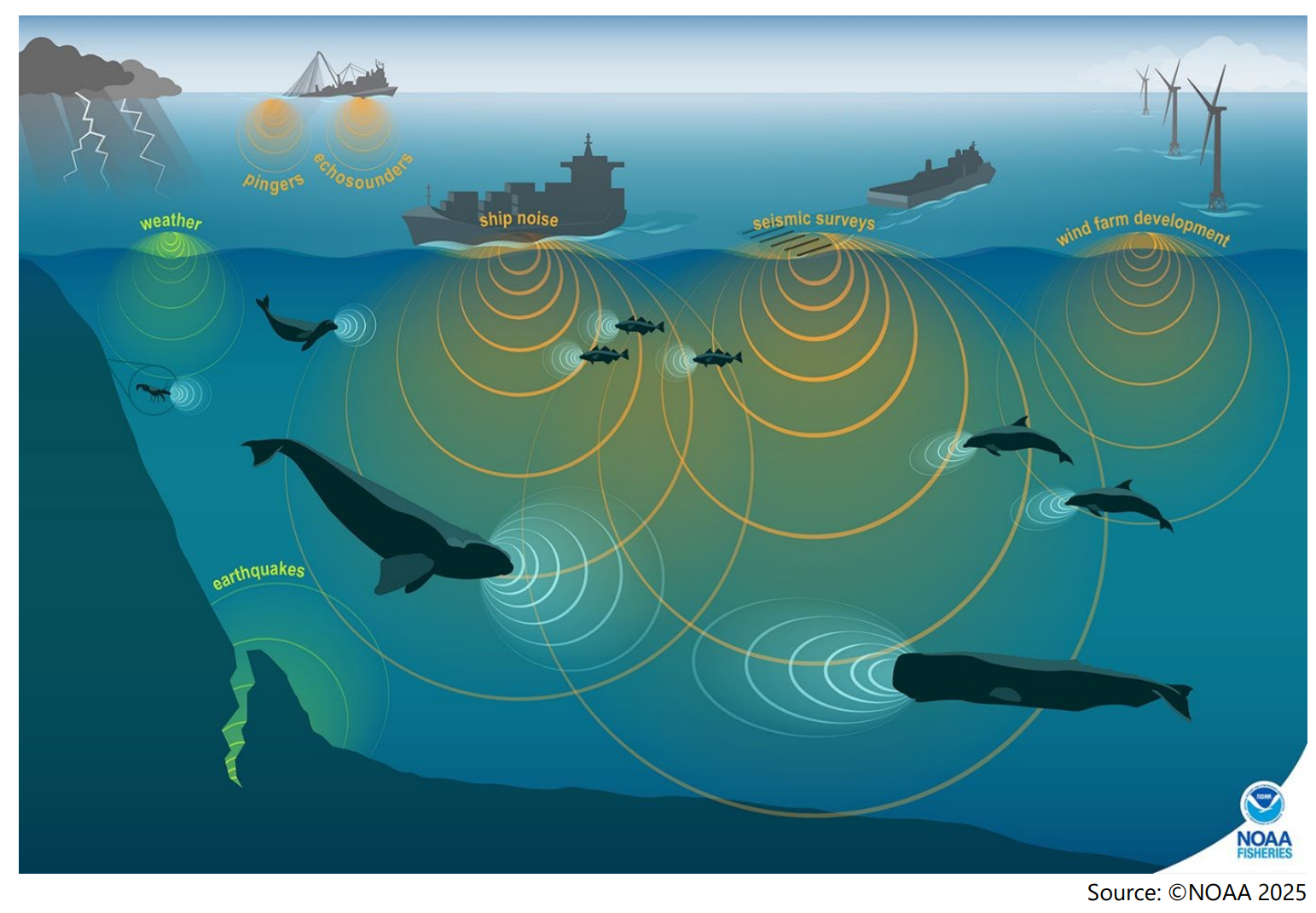
A UK evidence review on underwater noise and Good Environmental Status makes the point plainly: this is a population-level environmental issue, not a minor disturbance.
We built the noise. We own the consequences.
How constant noise harms marine life far beyond hearing loss
When people hear “noise pollution”, they often imagine damaged ears. That’s too narrow.
In the sea, chronic noise changes behaviour first, then survival. Animals stop calling. They move away from feeding grounds. They burn more energy. They miss cues that tell them where predators, mates, or prey are.
A 2026 Scientific Reports study on fin whales and seismic survey noise found a sharp drop in whale vocal activity when airguns were firing. That matters because silence here isn’t peace. It’s forced silence, like trying to speak in a factory.
If marine animals can’t hear each other, they don’t just lose sound. They lose access to food, safety, and reproduction.
Why whales, dolphins, and porpoises are especially vulnerable
Cetaceans live by sound. They use it to navigate murky water, coordinate in groups, find prey, and stay in contact across long distances. Human noise can mask those signals, which means important calls get buried.
That masking effect has real costs. A 2025 study on beaked whales exposed to naval sonar found changes in swimming behaviour linked to stress and escape.
In simple terms, these animals are not “adapting”. They are spending energy to flee.
In some cases, that can contribute to stranding. In others, it pushes animals out of habitats they need. Either way, displacement is damage.
What happens to fish, coral reefs, and other species that people overlook
Whales get the headlines. Fish, squid, crabs, and reef communities pay the price too.
Noise can disrupt spawning, scatter shoals, and hide the sound cues young fish use to find suitable habitat.
Busy coasts often become harder places to survive, not because the water is empty, but because the signal is scrambled.
A cross-taxa review of vulnerability to underwater noise shows this isn’t a single-species problem. It cuts across marine mammals, fish, and invertebrates.
Less communication, less breeding success, more stress, fewer stable populations. That’s not abstract ecology. That’s ecosystem decline in plain English.
Why this is a business, food, and justice issue, not just an ocean issue
Here’s the uncomfortable bit. The industries creating most of this noise often don’t pay the full cost.
Ecosystems pay. Small fishing communities pay. Coastal livelihoods pay. Future generations pay. That is classic externalization, dressed up as efficiency.
If you’re a founder or operator, you should recognize the pattern. We celebrate throughput, ignore system damage, then act shocked when supply chains, food systems, and public trust start wobbling.
Who pays the price when marine animals are driven away
When fish move or breeding drops, catches can fall.
When whale populations avoid noisy routes, local tourism suffers.
When coastal habitats weaken, food security gets thinner for communities that were never the ones profiting most from the expansion in the first place.
This is why marine noise is also a justice issue. The damage flows downhill. The benefits concentrate at the top.
Why leaders who care about efficiency should care about ocean noise
Good strategy is not “extract now, explain later”. Good strategy protects the asset base.
Oceans are part of the asset base. Destroying communication channels in marine ecosystems is like sabotaging the wiring in your own office and calling it productivity.
The serious business case is simple: lower-noise ship design, slower vessel speeds in sensitive areas, tighter sonar rules, better port planning, and stricter environmental standards reduce risk.
They protect biodiversity, fisheries, and long-term economic stability. That’s not charity. It’s competent leadership.
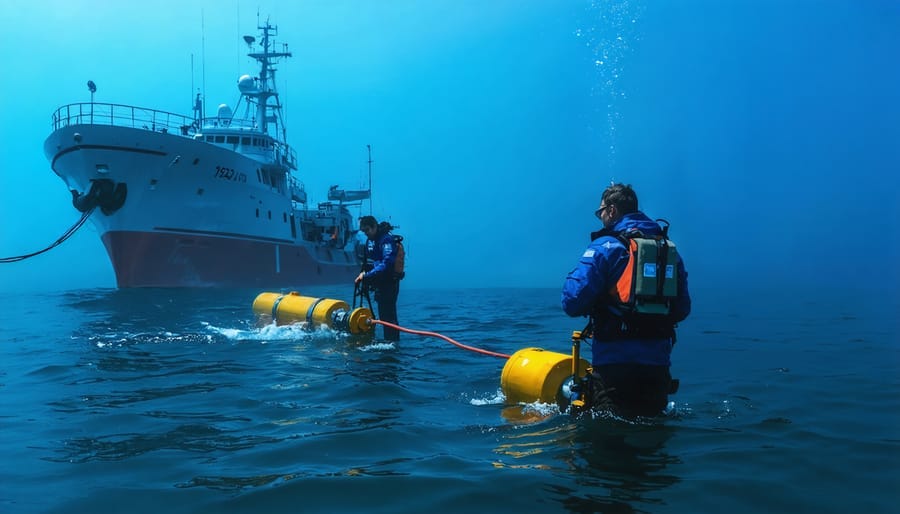
If the ocean sounds louder to us on paper than it used to, that’s because it is.
We have filled a living communication system with industrial interference, then pretended the fallout belongs to nature alone.
Radical accountability means refusing that lie. It means pushing for cleaner shipping, stronger rules, quieter infrastructure, and personal choices that match our public values.
If you want climate ethics without the double life, Join the Better Human Project. In 2026, leadership means hearing the damage and choosing not to be part of the noise.