
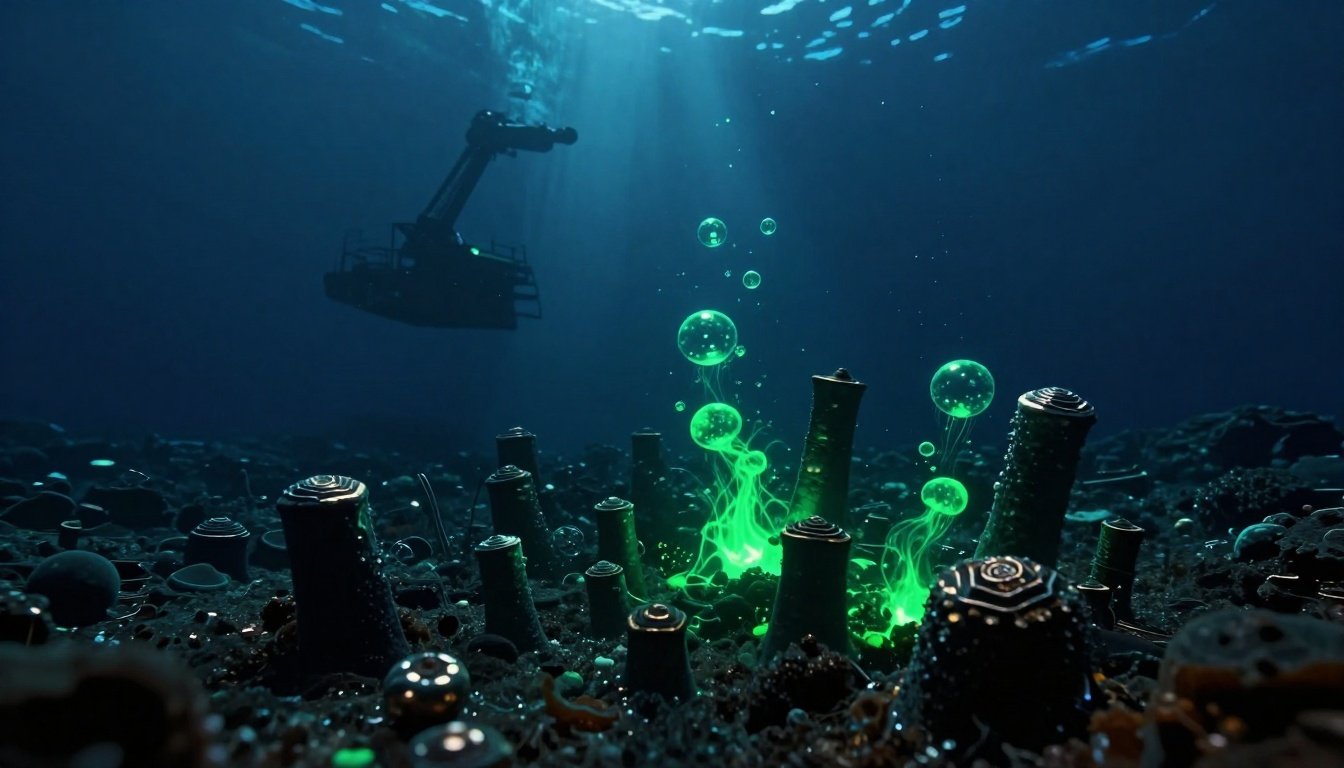
Dark Oxygen on the Sea Floor, and What Mining Could Destroy
 Saket Sambhav
We were taught that oxygen needs sunlight. The sea floor didn’t get the memo.
Scientists have found evidence that dark oxygen may be produced on the deep seabed, far below any light, in places targeted for mining.
That turns a strange finding into a warning. If industry tears up this system before science catches up, we don’t get a second draft.
This matters now because the same metal-rich nodules linked to the finding are being sold as battery treasure. Climate action without restraint is still extraction. It just wears cleaner branding.
What dark oxygen is, and why scientists took it seriously
The discovery came from the abyssal Pacific, especially the Clarion-Clipperton Zone, a vast seabed region between Hawaii and Mexico.
It sits several kilometres down, cold, dark, and covered in polymetallic nodules. These are rock-like lumps packed with manganese, nickel, cobalt, and copper, the same metals companies want for batteries and electronics.
In 2024, a Nature study on dark oxygen reported oxygen increases on a nodule-covered seabed in total darkness. By May 2026, researchers are still debating the exact mechanism. Fair enough.
Serious science should argue. What matters is that oxygen appeared where the standard sunlight story says it shouldn’t.
One leading idea is simple enough to picture. Some nodules may act like tiny natural batteries. If they generate enough electrical potential, they may split seawater and release oxygen.
No sunlight. No algae. No waving kelp forest. Just chemistry happening in the black.
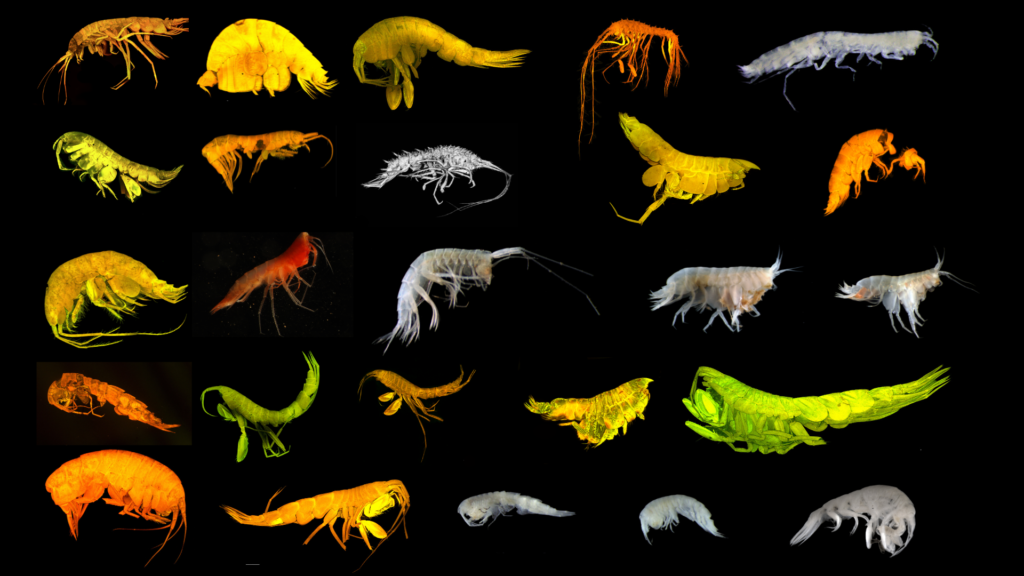
Source- MarineBio
The sea floor is not a dead zone, it is a working system
That finding lands hard because people still imagine the deep ocean as empty space with mud at the bottom.
It isn’t. It’s slow, but it is active.
Microbes trade chemicals. Minerals react. Small animals live on and around nodules. Sponges, worms, sea cucumbers, and bacteria use that hard surface in a place where hard surface is rare.

What looks empty from a boardroom slide can be biologically busy and chemically alive.
The deep sea works on long timescales, which fools people into thinking nothing important is happening.
That is a bad habit in business and an even worse one in ecology.
Why the discovery changed the conversation about deep-sea mining
Those nodules are not lying there as loose change. They may be part of the machinery.
If they help create oxygen, or even shape the local chemistry that allows it, ripping them up is not simple mineral recovery. It’s system removal.
That is why the finding changed the mining debate so fast. Even deep-sea conservation groups tracking the issue framed it as a reason for stronger protection, not faster extraction.
The logic is basic. When a system surprises you, don’t industrialise the surprise.
How mining the sea floor could break what we do not yet understand
Deep-sea mining is sold as neat and targeted. It isn’t. Machines would collect nodules, scrape across the seabed, and send sediment plumes into the water column.
That means less structure on the bottom, more suspended waste, more noise, and more disturbance in a place built for stability.
If dark oxygen depends on mineral surfaces, electrical gradients, or microbial interactions, mining could knock out all three at once.
Remove the nodules, stir the sediment, alter the chemistry, and you’ve changed the experiment before you understood the result.
Removing polymetallic nodules may do more than strip minerals
A nodule is not just ore. It is habitat. It is structure. It may also be part of the local oxygen story. Many of these nodules take millions of years to form.
On human timescales, that means removal is functionally permanent.
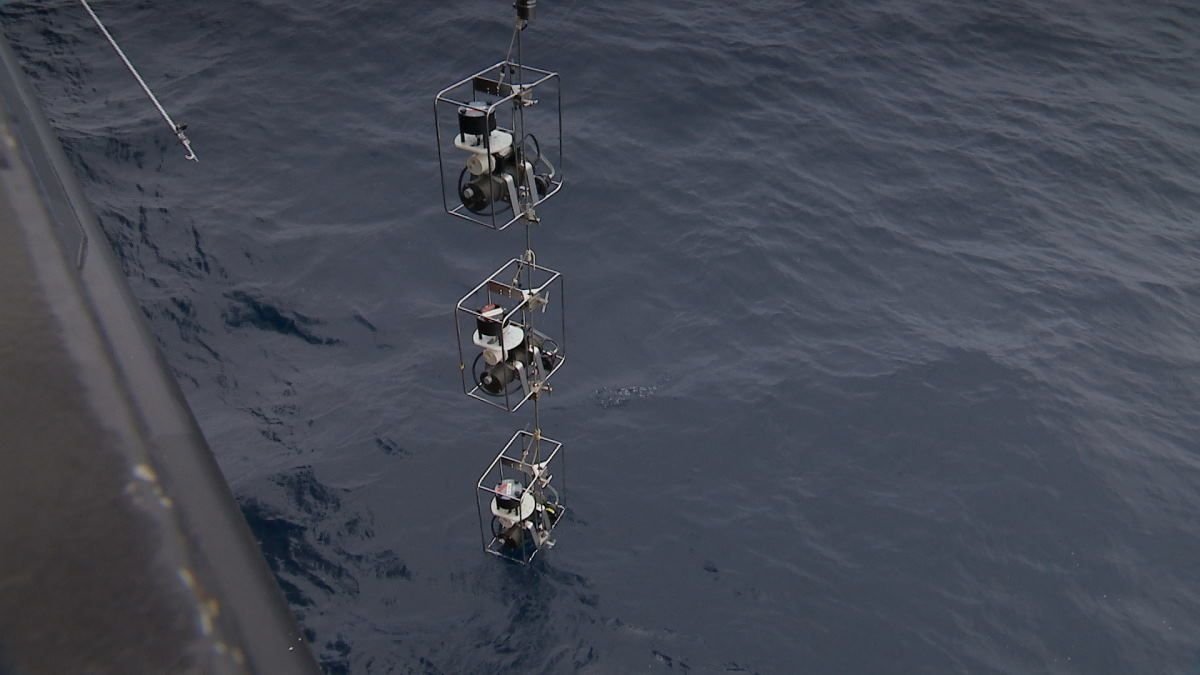
Source-OceanBlogs
That is why even industry-adjacent technical commentary has raised concern about polymetallic nodules and dark oxygen production.
Once those nodules are gone, the seabed is flatter, poorer, and missing the very surfaces that may help life persist there.
The real cost is not just pollution, it is irreversible ignorance
Here is the blunt version. You cannot restore an abyssal plain on a quarterly reporting cycle.
You cannot re-grow a million-year nodule with a nice sustainability report.
And you cannot measure every loss in real time whilst a commercial operation is already underway.
If the science is incomplete and the damage may be permanent, “mine first” is not progress. It is negligence.
In business terms, this is a classic externality problem with terrible feedback speed.
The cost arrives late, off balance sheet, and mostly on species that never got a vote.
Uncertainty is not a reason to rush. It is the reason to stop pretending speed is wisdom.
Why this matters far beyond the ocean floor
This story is not only about marine science. It is about the ethics of the energy transition.
Deep-sea mining is often pitched as necessary for electric vehicles, storage, and cleaner grids.
The sales line is tidy: we need the metals, so the ocean must pay. That logic is lazy.
A low-carbon economy that trashes another poorly understood ecosystem is still a high-damage economy. It has simply moved the harm out of sight.
That is not sustainability. That is supply-chain camouflage.
The mining debate is also a test of corporate honesty
If a company claims climate leadership, ask one rude question: are they counting the full ecological risk, or only the market upside?
Boards love to talk about efficiency. Fine. Then price the unknowns honestly.
Price habitat loss, irreversible disturbance, and the possibility that seabed nodules support oxygen production we barely understand.
Clean-tech branding does not grant moral amnesty. One form of extraction does not become ethical because it powers a battery instead of a diesel engine.
Precaution is not anti-progress, it is responsible progress
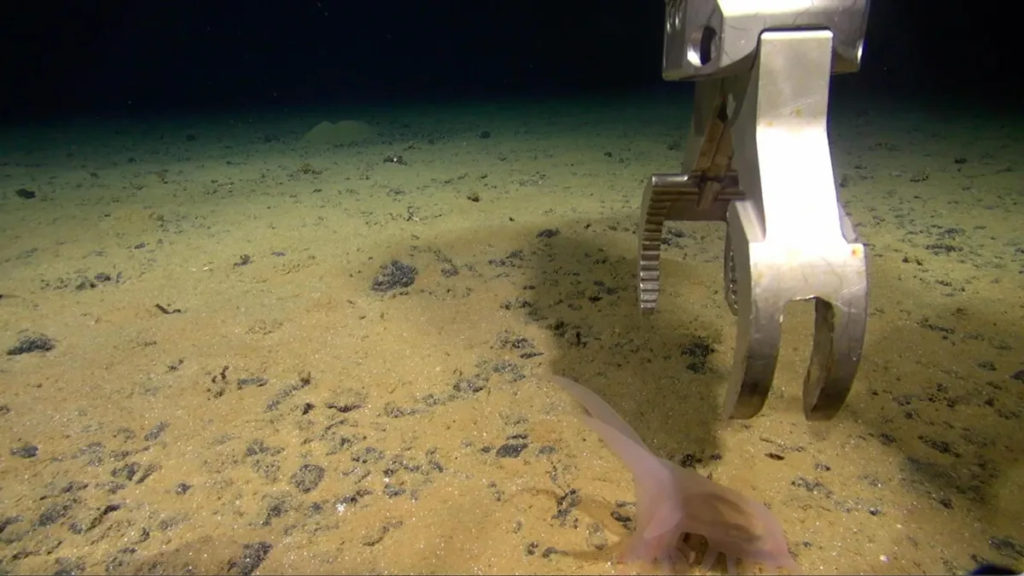
Serious leadership in 2026 means using the brake when the evidence says “not yet”.
A pause on mining, tighter rules, independent research, and stronger oversight are not anti-innovation.
They are what competent governance looks like when the downside may be permanent.
There are better plays on the table anyway: battery recycling, material efficiency, lower waste, smarter design, and less mindless demand.
The ocean floor should not become the next sacrifice zone because industry couldn’t imagine discipline.
Conclusion
The sea floor may be making oxygen in the dark whilst we prepare to strip out the nodules linked to that process.
That should stop us cold.
This is not a quirky ocean fact. It is a live test of whether we can recognise a warning before profit bulldozes it.
Radical accountability means refusing the polished lie that any extraction is acceptable if the marketing says “green”.
If you want your ethics, business logic, and climate politics to line up, Join the Better Human Project. Leaders in 2026 do not get to call themselves sustainable whilst outsourcing damage to the dark.