Lithium Mining and the Hidden Cost of Clean Energy
 Saket Sambhav
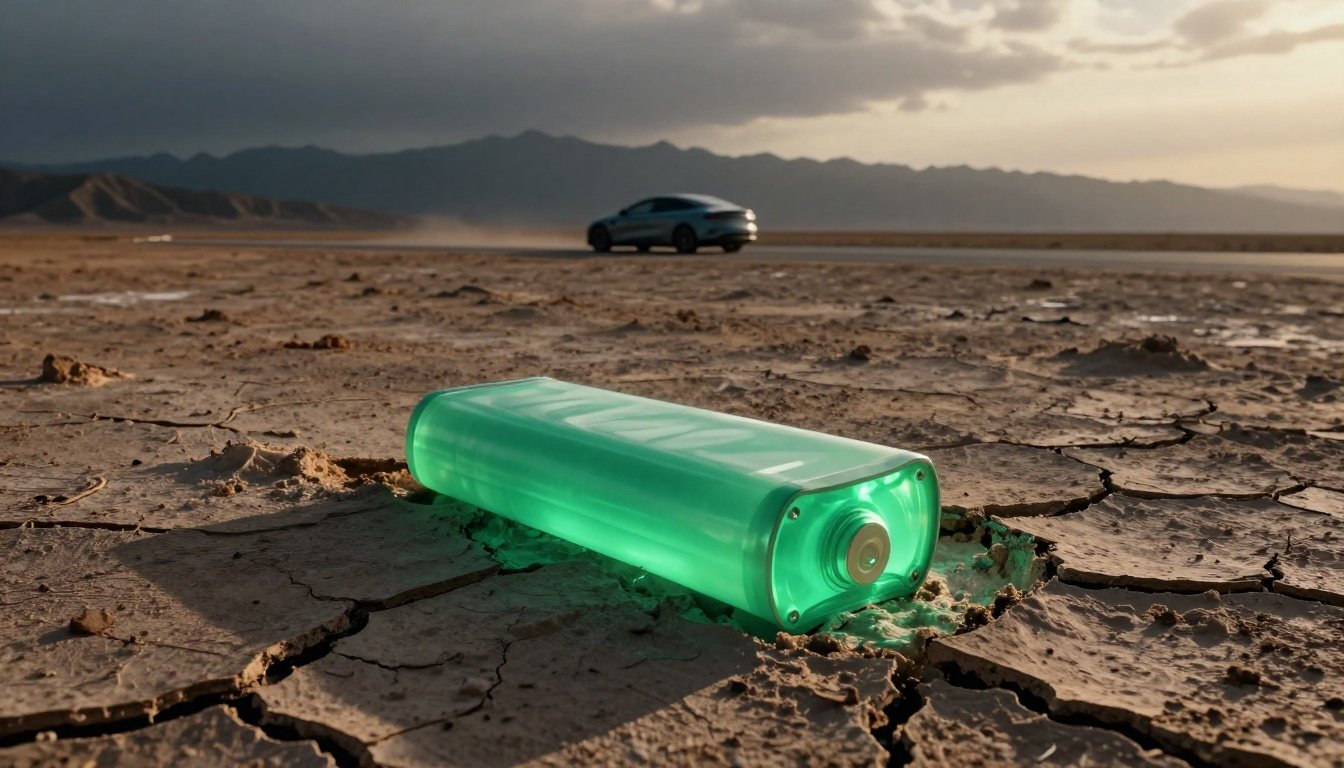
A battery can cut tailpipe emissions. It can also drain a salt flat.
That’s the tension nobody serious about climate gets to dodge in 2026. Lithium helps power electric cars, store wind and solar, and cut oil use. But the word green starts to wobble when mining eats water, scars land, and pushes local communities to the edge.
You don’t solve one ecological crisis by hiding another in a remote desert. This isn’t an argument against clean energy. It’s an argument against lazy accounting. Batteries aren’t magic. They’re metal, chemistry, water, diesel, roads, contracts, and waste, packed into a sleek promise. That is where the real test begins.
Why lithium sits at the centre of the energy transition
As of 2026, lithium sits inside the battery boom. Electric vehicles need it. So do home batteries and grid-scale systems that keep renewables useful after sunset. Lithium isn’t the enemy. Fossil fuels still do more damage overall. But swapping one extractive system for another blind spot is not progress.
Why the world wants more lithium, not less
Demand keeps rising for a simple reason: countries want fewer petrol cars, fewer gas peaker plants, and more stored electricity. When solar output drops at night, batteries step in. When grids wobble, batteries help stabilise them. That makes lithium a climate tool, not a climate villain.
But rising demand makes the supply chain more important, not less. If you want a grounded picture of that trade-off, read APM Research Lab’s look at EV lithium mining.
The uncomfortable truth about every battery
Every battery starts long before the showroom. First comes extraction. Then processing, transport, refining, assembly, and, too often, weak plans for end of life. A battery may look clean on the road, but its history is written in land, water, and labour.
The environmental damage starts long before a battery is built
Water stress is the biggest red flag
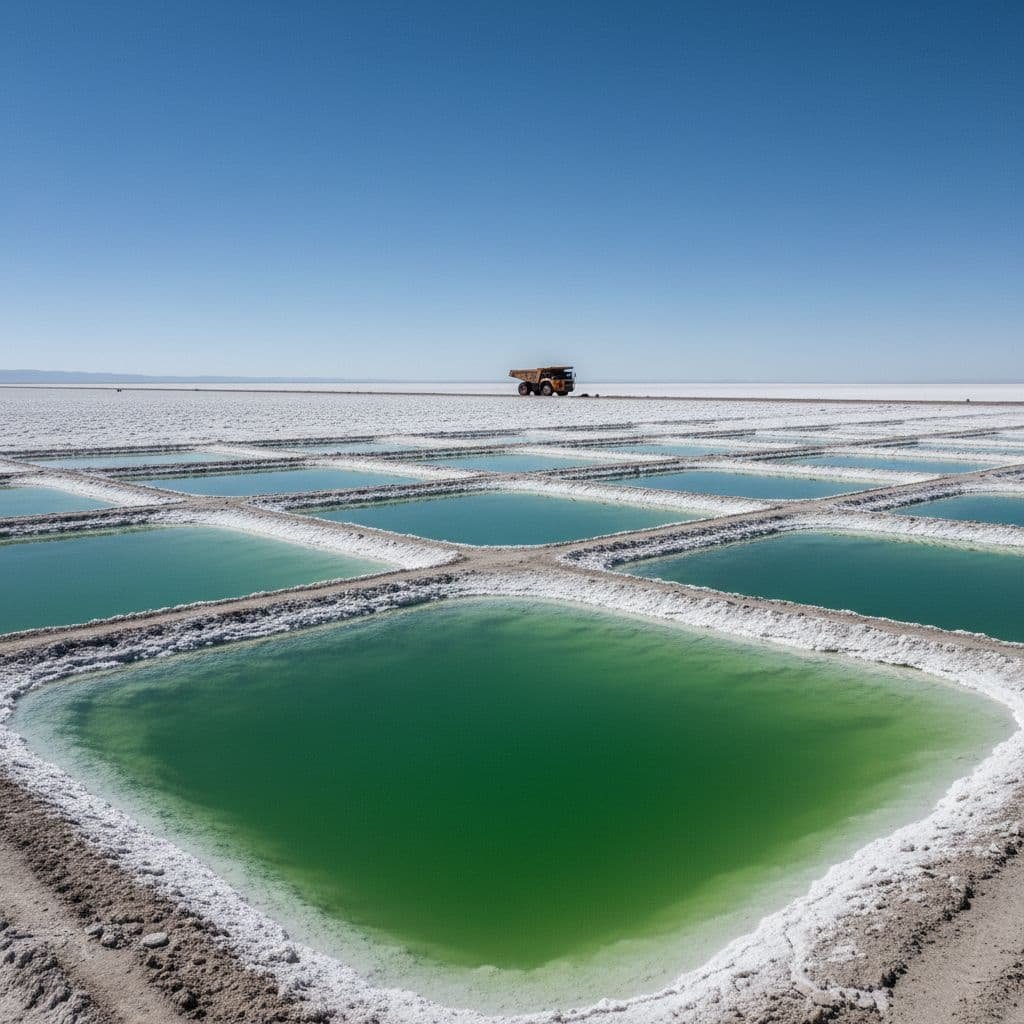
Water is the first stress test. In parts of Chile, Argentina, and Bolivia, lithium often comes from brines pumped beneath salt flats. That can upset fragile hydrology in places already running dry. Wetlands suffer. Rivers and springs can weaken. Farms, wildlife, and drinking supplies all feel the strain.
This damage is local, physical, and hard to reverse. Earth.Org’s overview of lithium and cobalt mining lays out the point well: cleaner transport does not erase water loss at the source.
Open-pit mining scars land and wildlife
Hard-rock lithium mining looks different, but it isn’t gentle. Open pits remove topsoil, clear vegetation, and leave waste rock behind. Roads and blasting break up habitat and change how animals move across the landscape. Erosion doesn’t stop when the press release does.
And when a mine closes, the land doesn’t bounce back on command. Recovery can take decades. Some damage lasts longer than the project that caused it.
Pollution and emissions still matter, even in a green industry
Then comes the part glossy adverts skip. Dust from blasting, diesel from haul trucks, chemical waste from processing, and energy-heavy refining all carry a cost. If refining runs on dirty power, the footprint grows again.
Clean on the road doesn’t mean clean at the source.
Lithium batteries are still lower-carbon than fossil-fuel transport over time. Fine. But “better than oil” is not the same as impact-free. Full life-cycle scrutiny is the minimum.
The people closest to the mines often pay the highest price
Nature takes the hit first. People take it next.
What consent should look like, and why it often fails
Nearby communities, especially Indigenous communities, should get more than a presentation and a promise. Real consent means early consultation, clear data, independent advice, time to decide, and the power to say no. Too often, projects move faster than the people expected to live with them.
That is not a side issue. It is the ethical core of the supply chain. If climate policy ignores sovereignty, it stops being justice and starts looking like old extraction in a new outfit.
When water loss becomes a social crisis
When water levels fall, daily life changes fast. Crops shrink. Grazing weakens. Local tourism suffers. Families spend more time securing water and less time earning a living. What sounds like an environmental problem in a boardroom becomes a social crisis on the ground.
That link is not theoretical. Recent research on social impacts connects lithium-ion supply chains with livelihood loss, rights violations, and conflict around land and water.
How to tell the difference between real progress and greenwashing
Founders, voters, and buyers need a better filter. A product is not ethical because the marketing team used the colour green.
The questions every climate leader should ask
Ask plain questions.
- Where did the lithium come from?
- How much fresh water did extraction use?
- Did local communities give real consent?
- What happens to the battery at end of life?
If a company can’t answer those four questions, its climate claim is branding, not leadership.
What better systems could look like by 2026 and beyond
There are real steps forward. Battery recycling is improving. Some firms are trying lower-impact extraction. Cleaner processing, stronger rules, and batteries designed to last longer would all cut harm. Smaller vehicles would help too, because demand reduction is still a strategy.
But don’t confuse motion with success. Even in 2026, direct lithium extraction is still being marketed as cleaner before it has proved itself safe at scale. Better systems are possible. They just need honesty, regulation, and less appetite for shiny slogans.
Conclusion
Lithium is essential to the energy transition. Harmless, it isn’t.
If climate action means anything, it has to include water protection, Indigenous rights, transparent supply chains, tougher rules, and far better recycling. Otherwise we’re not building a clean future. We’re outsourcing the dirt and congratulating ourselves for not seeing it.
The point is not to walk away from electrification. It’s to stop living with a double standard, one for the planet in public, another for extraction in private. If you want climate action, ethical living, and leadership that match, Join the Better Human Project.