
Why Compostable Packaging Fails in Most Indian Cities
 TBH Editorial
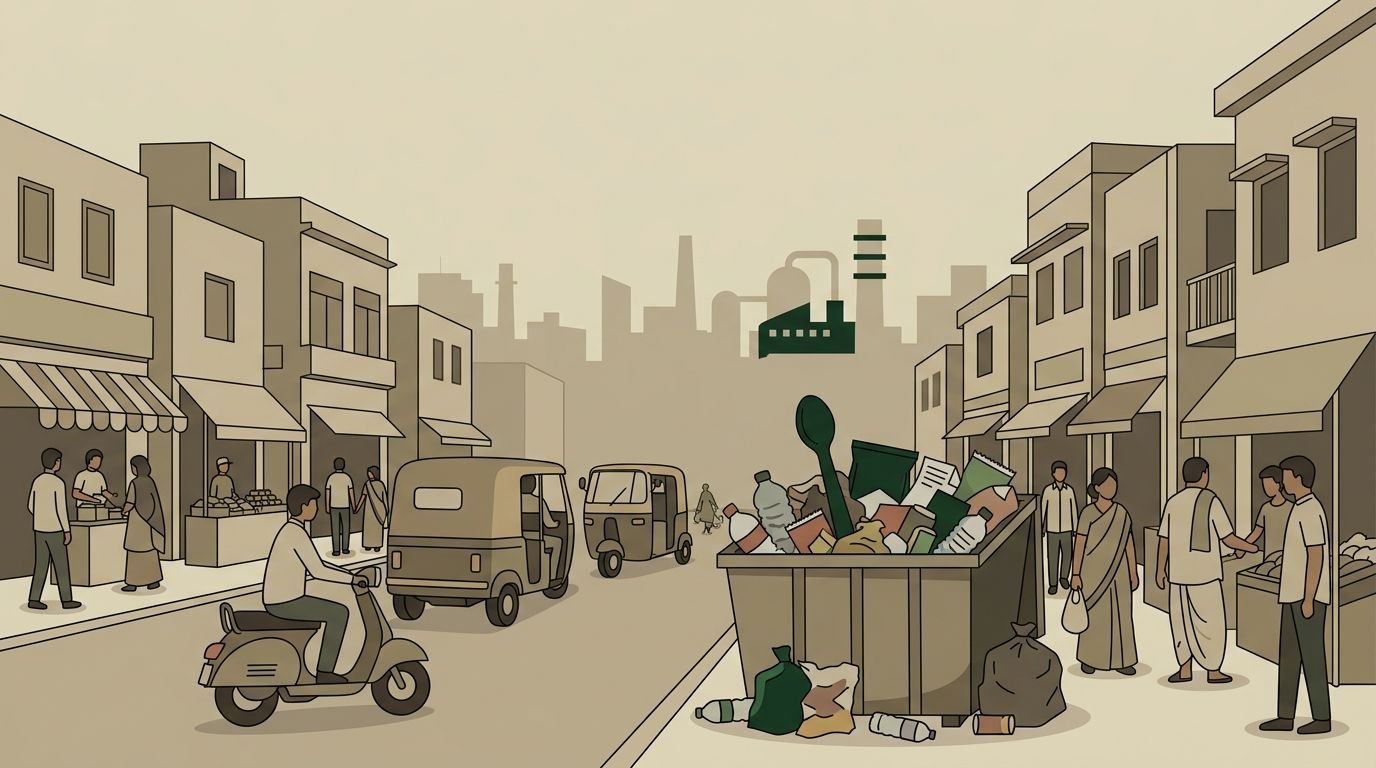
A compostable spoon in a mixed waste bin is still a waste problem.
That is the uncomfortable truth behind much of the hype around compostable packaging in India. Brands switch materials, consumers feel less guilty, and cities keep sending the same mixed rubbish to dumps, landfills, and burners.
The issue isn’t the idea of compostable packaging. It’s the system around it, and in most Indian cities, that system barely exists.
TL;DR: Compostable packaging only works when waste is sorted, collected separately, and sent to active composting. In most Indian cities, that chain breaks at almost every step.
The problem starts long before the packaging breaks down
Most compostable packaging is not magic. It doesn’t vanish because rain fell on it or because someone wrote “eco” on the pack.
Many of these materials need controlled composting conditions, heat, moisture, oxygen, and time. Some need industrial facilities, not a corner of a landfill. When they are tossed into mixed waste, they usually end up doing what ordinary single-use items do, sit, get buried, get burnt, or drift into the environment.
That is why the material alone doesn’t solve much. A recent Bengaluru report on eco-alternatives backfiring put it plainly: without aggregation, segregation, and transport, certified compostables can end up in landfill just like plastic.
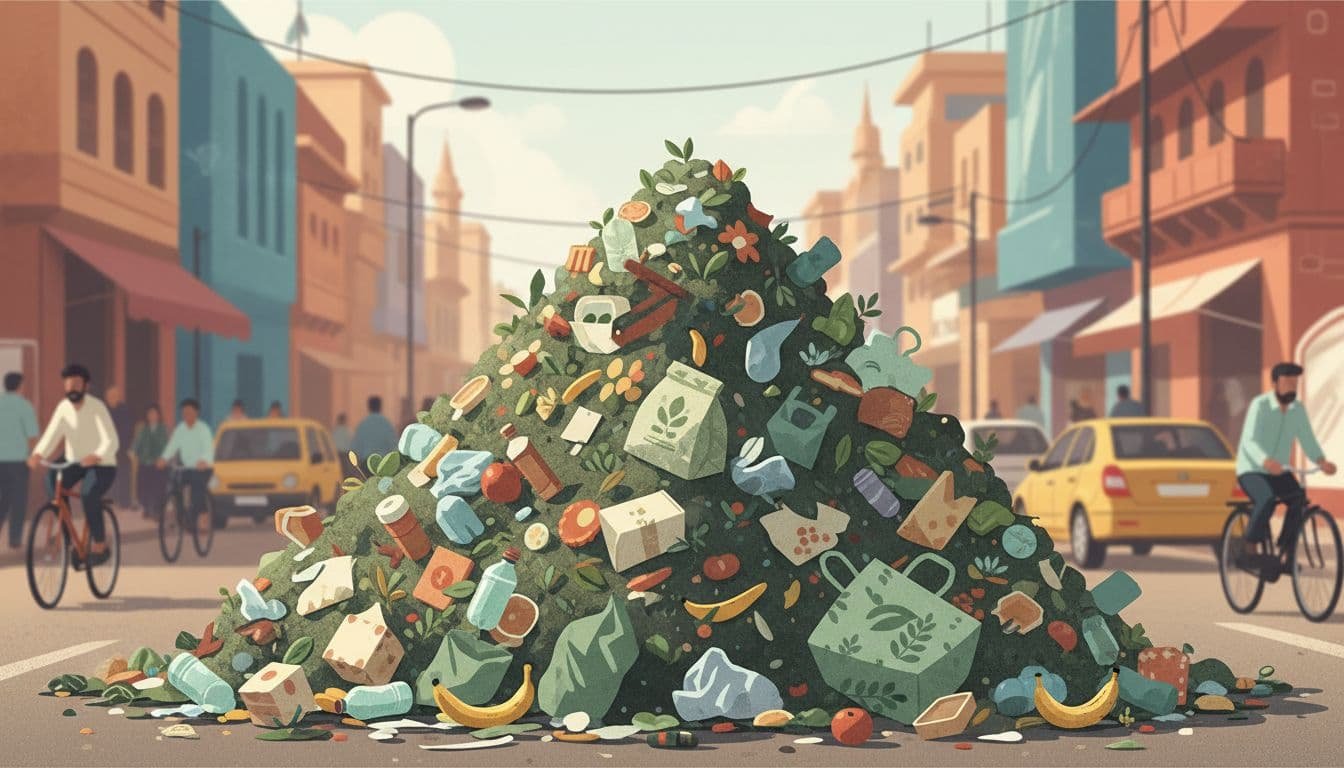
There’s another catch. Compostable packs often look and feel like plastic. To a waste picker or sorting worker, that creates risk, not clarity. If it gets mixed into plastic recycling, it can contaminate the stream. If it gets treated as residue, it gets rejected. Either way, the “green” pack loses its supposed advantage.
For urban consumers, the label creates a false shortcut. Buy, use, discard, feel fine. But waste systems don’t run on intentions. They run on what gets separated, collected, and processed on the ground, every day, at scale.
That is where most city systems fail. One careless bin at home becomes one overloaded truck on the street, then one giant mixed pile at the transfer point.
Most Indian cities don’t create the conditions compostables need
Compostable packaging fails in Indian cities because the back-end is weak, patchy, and often missing.
Source segregation is the first crack. If wet waste, dry waste, sanitary waste, multilayered plastic, and compostable packaging all land in the same bag, the compostable item is finished before collection even starts. Chennai’s long struggle with segregation shows how hard this is in practice. The Hindu’s reporting on the city’s bumpy waste sorting effort described closures of micro-composting centres and material recovery facilities, which makes the whole chain weaker.
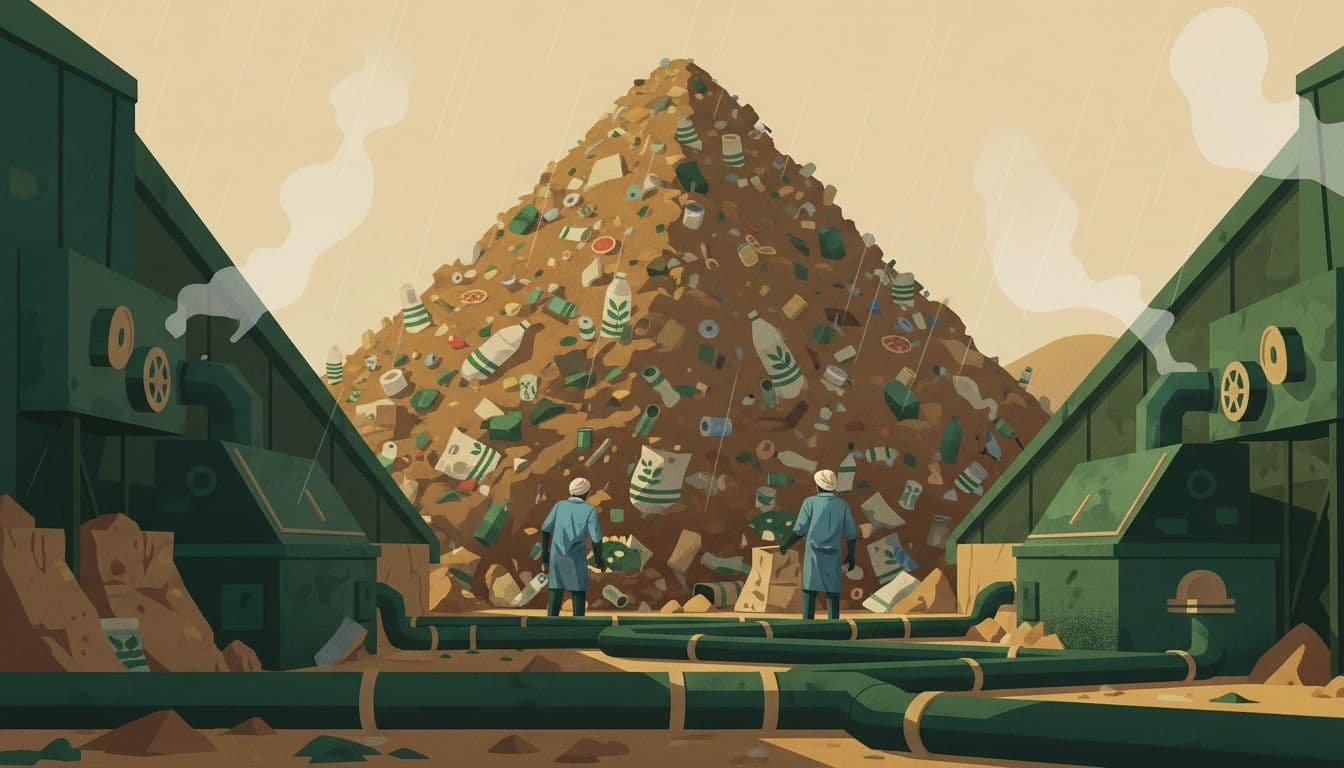
Then comes collection. Most households still don’t have a separate stream for compostables. The truck collecting waste is usually built for volume, not for protecting a delicate compostable stream from contamination. By the time the load reaches a sorting point, food waste is smeared across plastics, paper, and everything in between.
This mismatch is easier to see side by side:
| What compostable packaging needs | What most cities offer |
|---|---|
| Clean sorting at source | Mixed household waste |
| Separate collection | Common collection trucks |
| Active composting facilities | Dumps, landfills, or burning |
That gap is the whole story.
Research on barriers to compostable waste management keeps landing on the same points: weak infrastructure, poor incentives, and low municipal readiness. India adds another layer, huge volumes, informal handling, uneven enforcement, and neighbourhoods where even basic waste collection is inconsistent.
So when people ask, “Why doesn’t compostable packaging work here?”, the better question is, “Where was it supposed to go?” If the answer is vague, the material choice is mostly theatre.
Green labels often hide a very ordinary single-use habit
This is where things get a bit awkward.
Compostable packaging can make bad systems look responsible. It gives brands a nicer story while leaving the throwaway model intact. A fork used for 10 minutes is still a fork used for 10 minutes. If it joins mixed waste, the compostable label doesn’t rescue it.
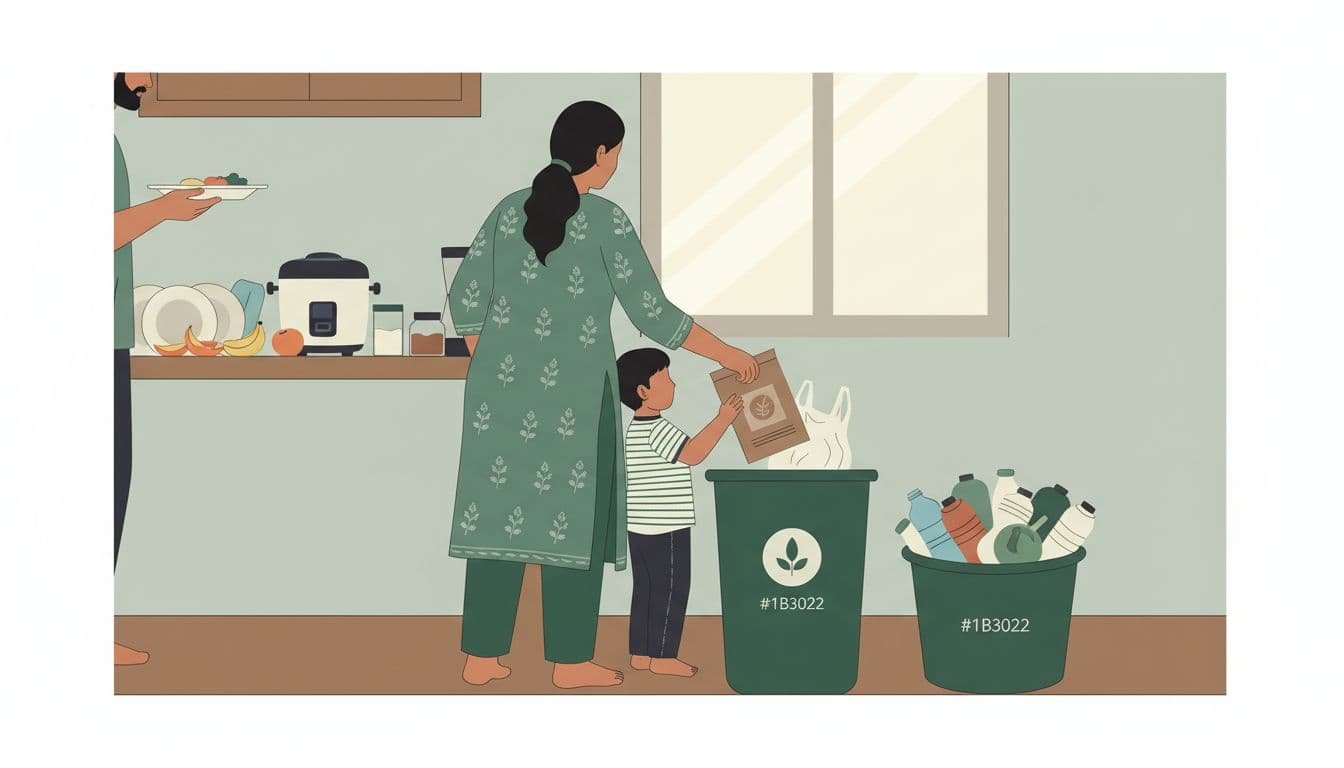
Consumers are confused too. Compostable, biodegradable, oxo-degradable, paper-coated, plant-based, they get treated as the same thing. They are not. That confusion was captured sharply in Mathrubhumi’s report on compostable bags in India, which argued that the promise depends on a waste system that most Indian cities do not have.
For founders and packaging teams, one blunt question cuts through the noise: what happens to this pack on Tuesday morning after someone throws it away? Not in a PowerPoint. In a real ward, with a real collection route, real workers, and real contamination. If that answer ends with “probably landfill”, the sustainability claim needs trimming.
This doesn’t mean compostables never make sense. They can work in closed-loop settings, stadiums, campuses, canteens, events, or properties with on-site composting and disciplined sorting. But those are controlled environments. A sprawling city is not.
In most places, reuse beats compostable, and better waste systems beat both.
Conclusion
Compostable packaging fails in most Indian cities because the pack changed, but the waste chain didn’t.
Until segregation, separate collection, and composting infrastructure improve together, compostables will keep landing in the same broken system as everything else. The honest fix is less glamorous, reduce disposables, build reuse where possible, and stop pretending a greener label can do a city’s job.
If you want to back practical environmental work instead of wishful branding, Contribute to Active Missions.