Building a Circular Business Model for Indian D2C Brands
 TBH Editorial
TL;DR
- A circular business model is not charity, it’s margin discipline with a better customer story.
- Start with one loop, returns, repairs, refills, resale, or take-back, not five.
- In India, the brands that win will make recovery easy, trusted, and worth repeating.
Most D2C brands still operate in a straight line. Make the product, ship it, hope for a reorder, then chase the next customer. That line gets expensive fast.
Customer acquisition costs keep climbing. Returns eat margin. Dead stock sits like a silent tax. A circular business model fixes that by keeping products, materials, and customers in the loop for longer. If you’re building in India, that’s not a nice extra. It’s a sensible way to grow without burning money.
What circularity looks like when it leaves the pitch deck
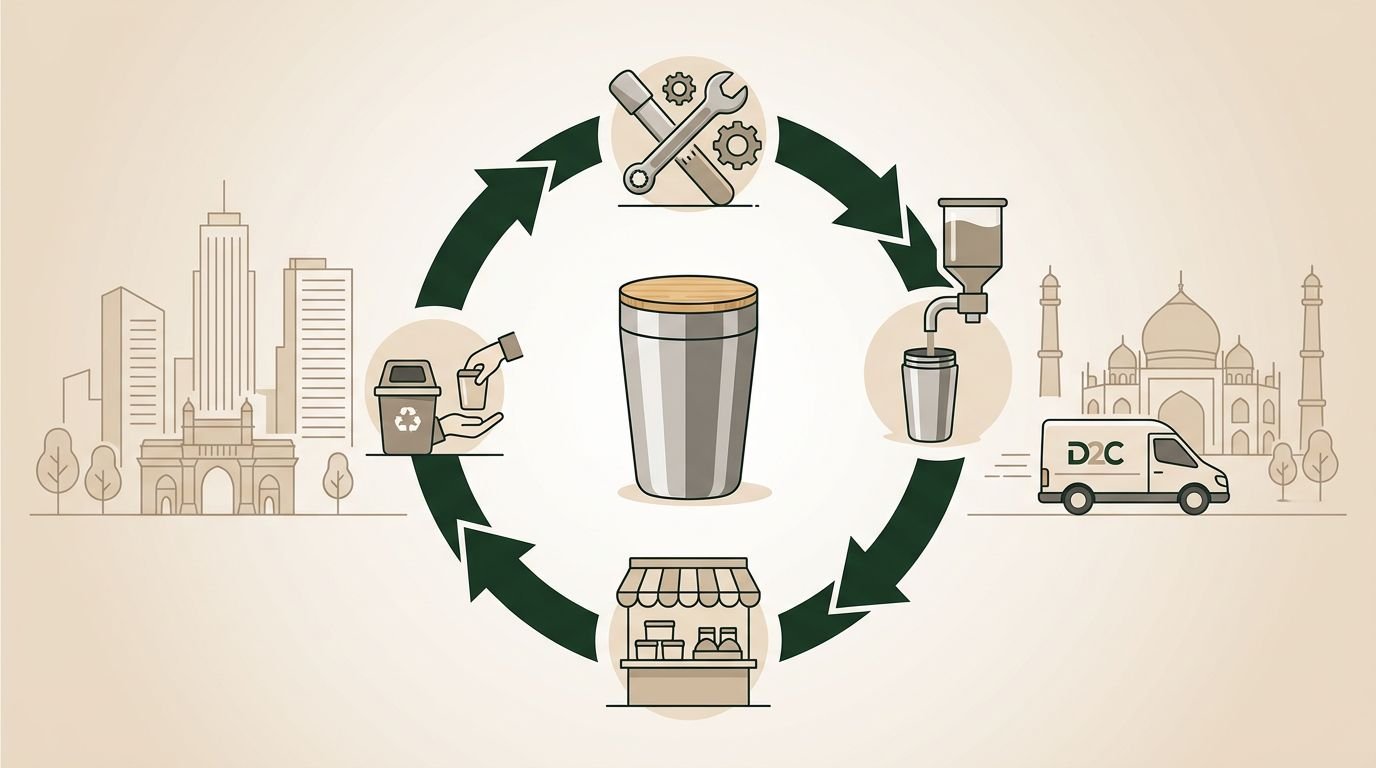
A circular model is simple in theory. You design the product to last, recover it after use, and create value again through refill, repair, resale, refurbishment, or recycling. The point is not to sound green. The point is to stop treating waste as somebody else’s problem.
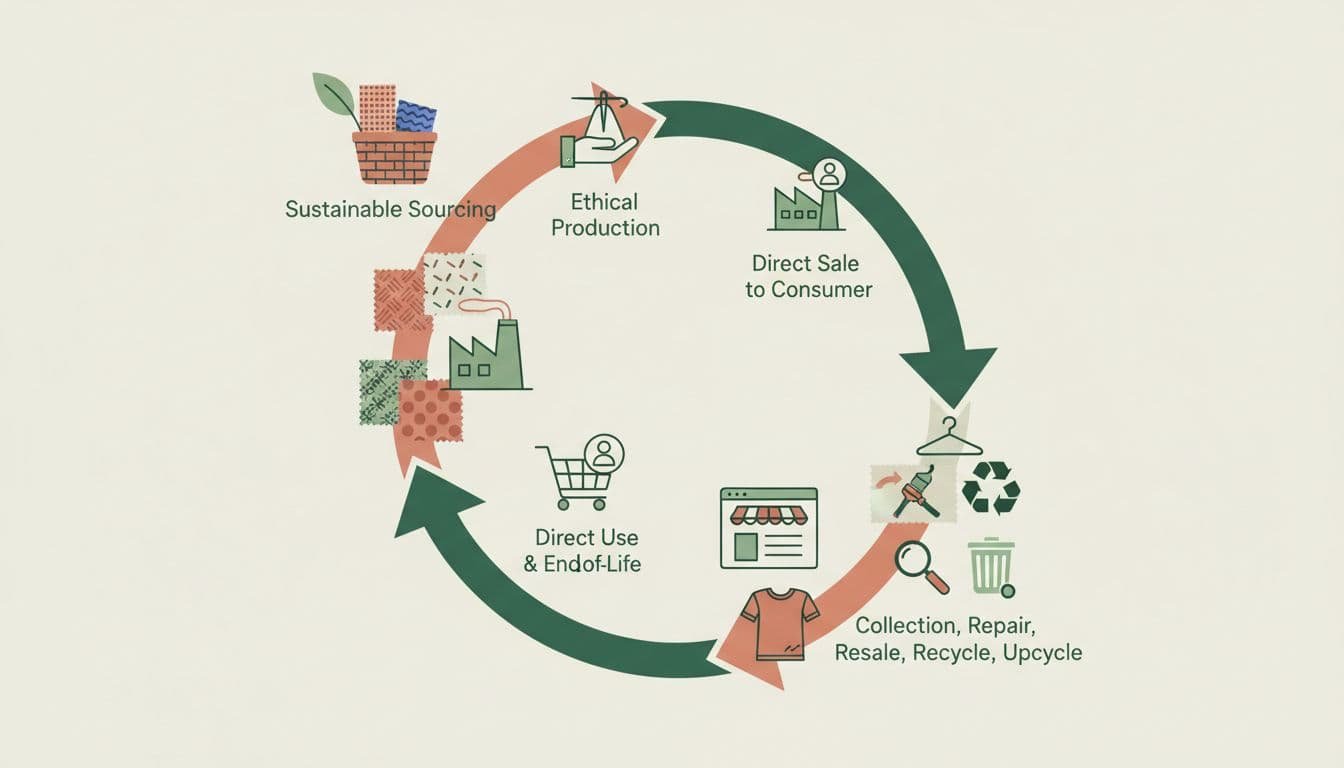
For Indian D2C brands, the model looks different by category. Apparel can run take-back and resale. Footwear can offer repair and material recovery. Home and personal care can push refill packs or reusable containers. Hard goods can create spare-part programmes and refurbish returns. Same idea, different loop.
The good news is India isn’t starting from zero. Repair culture already exists. Resale is normal. Scrap recovery is messy but real. Your job is to formalise it, improve trust, and make the customer journey clean. That’s where brands can beat the informal market.
You can see early signals already. Circular fashion brand EcoDhaga is built around post-consumer textiles, which is a stronger starting point than slapping “eco” on fresh inventory. The lesson is clear. Circularity works best when it sits inside product design and operations, not only in packaging copy.
A good test is brutally practical: after the first sale, do you still have a reason to stay in the customer’s life? If the answer is yes, you may have the start of a loop.
Build the loop around economics, not slogans
The fastest way to kill a circular business model is to launch too much at once. Founders get excited, then pile on recycled materials, take-back, resale, repair, and carbon claims in one go. Operations suffer, the unit economics blur, and the team quietly stops talking about it.
Start where value is already leaking. Look at customer returns, unsold stock, damaged inventory, packaging waste, or products with a decent second life. Pick one stream. Then ask one hard question: can this come back cheaper than replacing it with new production?
If you sell apparel, resale or refurbishment may be the cleanest pilot. If you sell cleaners or personal care, refill systems might work better. If you sell shoes or accessories, repair could be the easiest door in. Sometimes a modest store credit, say ₹150 for a clean return, works better than another sitewide discount that trains customers to wait for a sale.
If the customer has to work for your circularity, the model won’t scale.
That means easy pick-up, clear grading rules, fast refunds or wallet credit, and no support ping-pong. Reverse logistics in India can get messy outside metros, so keep the pilot tight. One city. One product family. One recovery rule. Then measure recovery rate, turnaround time, resale sell-through, repeat purchase, and margin after handling costs.
This matters more in 2026 because buyers want proof, not theatre. Refill, recycled inputs, and refurbished products are showing up more often amongst India’s fast-growing consumer brands, as seen in FAST42 2026. The market is moving, but customers still punish friction. A circular loop has to feel easier than waste.
What Indian brands are already proving
The most useful examples are not the loudest ones. They’re the ones that solved a real operational problem and turned it into a customer offer.
Chumbak’s Relove programme is a good case. It keeps pre-loved products on the brand’s own platform instead of handing the relationship to a marketplace. That matters. The brand keeps the trust layer, the traffic, and the resale data.
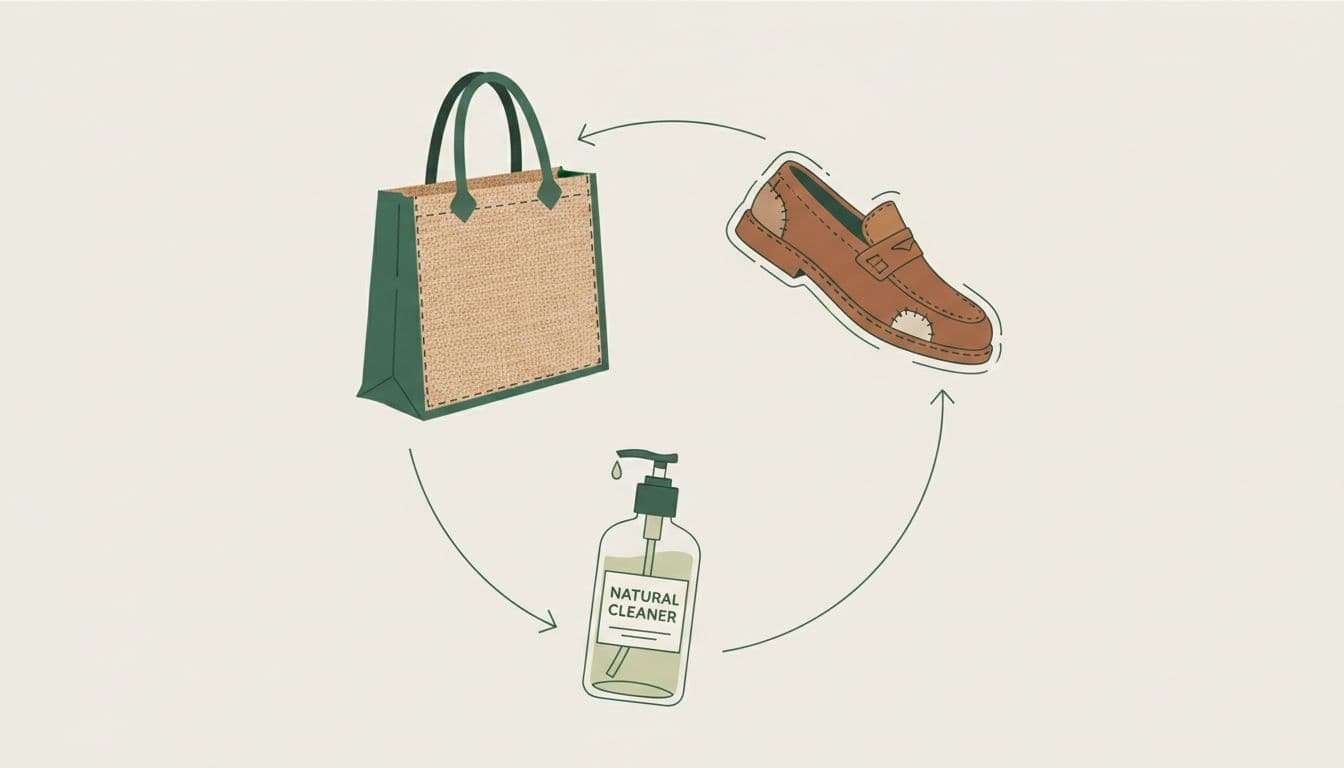
Footwear offers another strong route because materials, wear patterns, and resale logic are easier to define than in many categories. Go Planet-D’s footwear model is built around resell, recycle, and renew. Whether every brand should copy that exact model is beside the point. The useful bit is the buy-back logic. It gives the customer a reason to return and gives the brand access to materials and repeat demand.
That’s the bigger pattern. Circularity creates a second transaction without needing a second acquisition campaign. It can cut raw material dependence, lower waste handling, and lift retention. It also forces better product discipline. Goods that are meant to come back get designed with more care.
So don’t ask, “How do we become circular?” That’s too vague. Ask, “What comes back, who pays for recovery, and how do we keep the experience better than the alternative?” Those answers build the model.
Conclusion
A circular business model is not a badge for your homepage. It’s an operating system that treats returns, repairs, and used products as part of revenue, not as a mess to hide.
For Indian D2C brands, that’s the opportunity. Build one loop that customers trust, prove the economics, then widen it. And if you want to back practical recovery work beyond your own catalogue, you can Contribute to Active Missions. The brands people keep coming back to won’t be the ones with the prettiest sustainability page. They’ll be the ones that make reuse feel normal.