Groundwater Depletion Is a Hidden Banking Crisis
 Saket Sambhav
Draining our aquifers is an underground overdraft we can’t afford to ignore
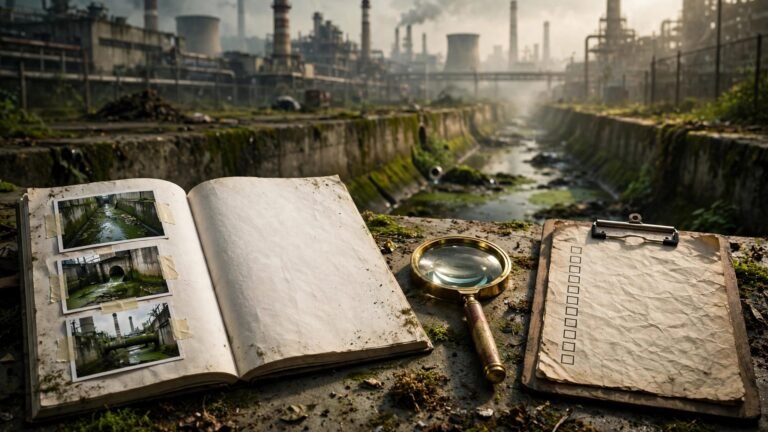
A city can look busy, green, and profitable whilst its water account is already in the red.
That is the trap with groundwater. It sits below your feet like a savings account, funding farms, factories, flats, and daily life until the balance starts collapsing.
When withdrawals keep rising and recharge stays slow, the crisis stays hidden, then turns brutal.
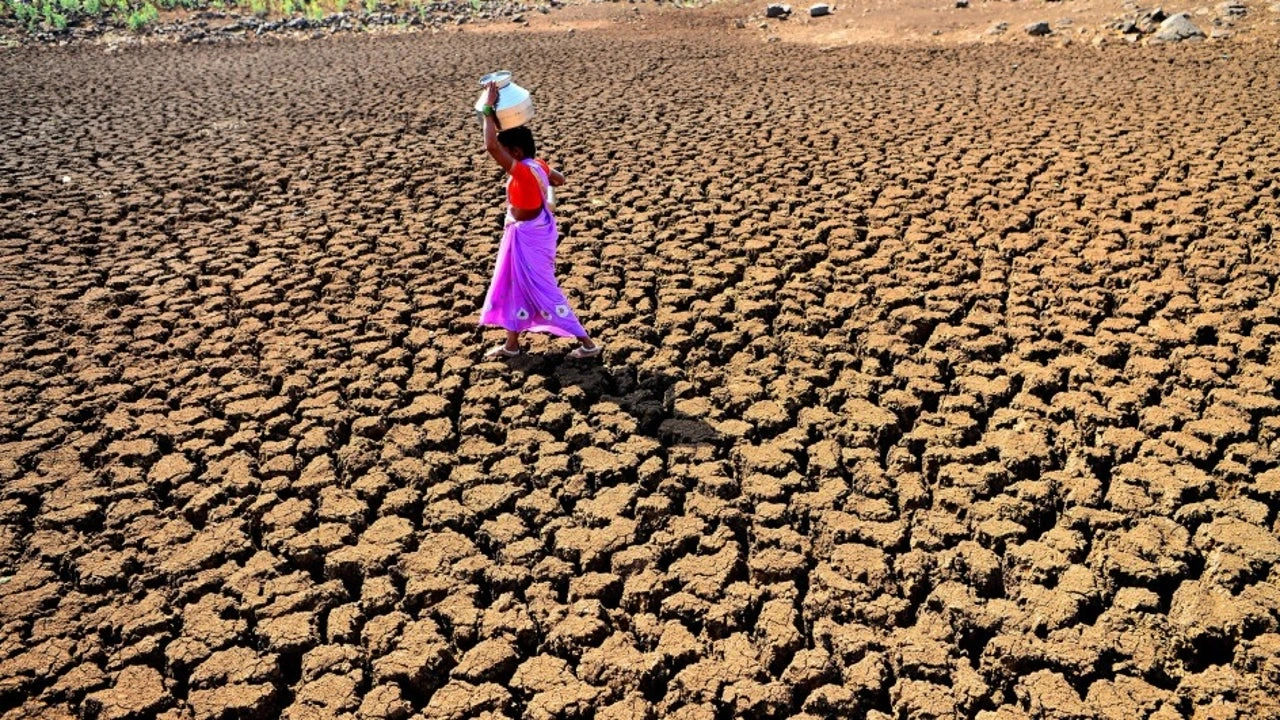
You see deeper wells, higher power bills, dry boreholes, crop stress, and food prices climbing.
This is not only a water issue. It is a systems failure built on short-term thinking.
What groundwater really is, and why water tables are falling so fast
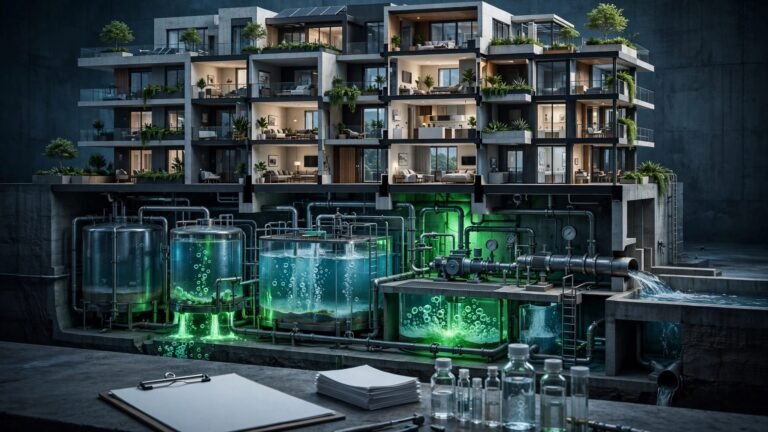
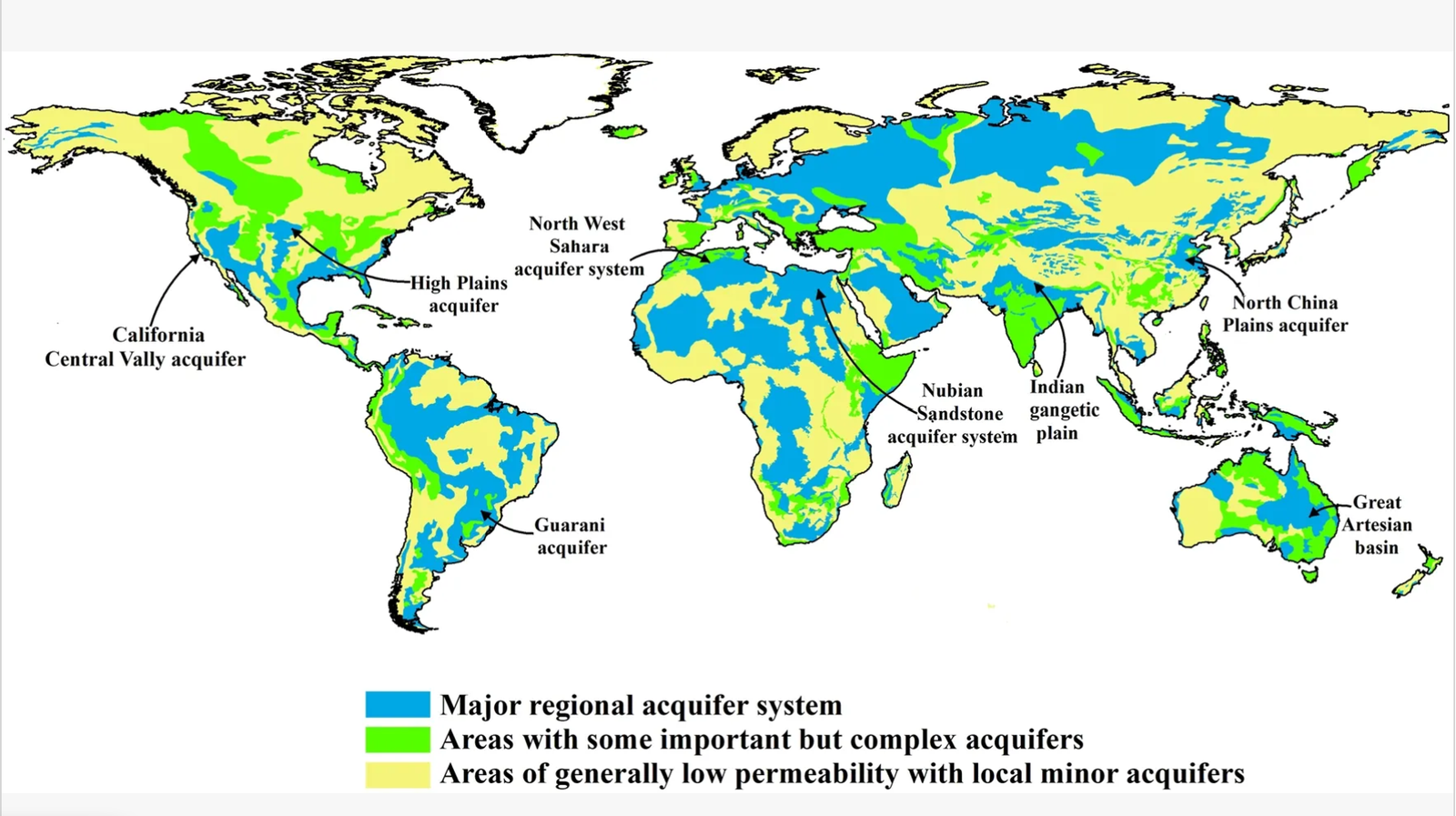
Groundwater is rain and surface water that has seeped into soil, sand, gravel, and rock. Some of it sits in spaces underground and collects in aquifers.
The water table is the upper level of that stored water. When pumping pulls more out than nature puts back, the line drops.
Aquifers are not infinite, they are underground reserves
An aquifer is storage, not magic. Some recharge in one monsoon season. Others take decades, even centuries.
If you pump at industrial speed from a system that refills at geological speed, you are not managing water. You are mining it.
Why sinking water tables are hard to notice until the damage is done
The cruelty of groundwater depletion is that it hides. Rivers show stress. Reservoirs show stress.
Aquifers stay silent until pumps weaken, wells need re-drilling, or taps start failing.
By then, the cheap water era has already ended.
The climate link matters too, because hotter weather and erratic rainfall disrupt recharge, as shown in Frontiers’ 2026 review of climate change and groundwater resources.
The banking crisis metaphor: how we keep spending water we have not earned
Think like an operator, not a slogan machine. Recharge is a deposit. Pumping is a withdrawal.
Aquifer health is your balance sheet. When a region treats groundwater as free, unlimited, and politically untouchable, the maths breaks.
A sinking water table is a cashflow crisis written underground.
When extraction outpaces recharge, the deficit compounds
One bad year hurts. Ten bad years reshape the whole system. Wells go deeper, pumping costs rise, and natural storage can shrink as sediments compact. That means tomorrow’s account is smaller than today’s. Debt is bad enough. Debt that destroys your future borrowing power is worse.
The true cost is hidden until it hits households and the economy
People rarely see the subsidy in real time. They see the bill later, through tanker water, failed harvests, pricier vegetables, and higher electricity demand for deeper pumping.
The United Nations University has already called this an era of global water bankruptcy. That phrase is blunt because the facts are blunt.
Why groundwater depletion is getting worse in India and other fast-growing regions
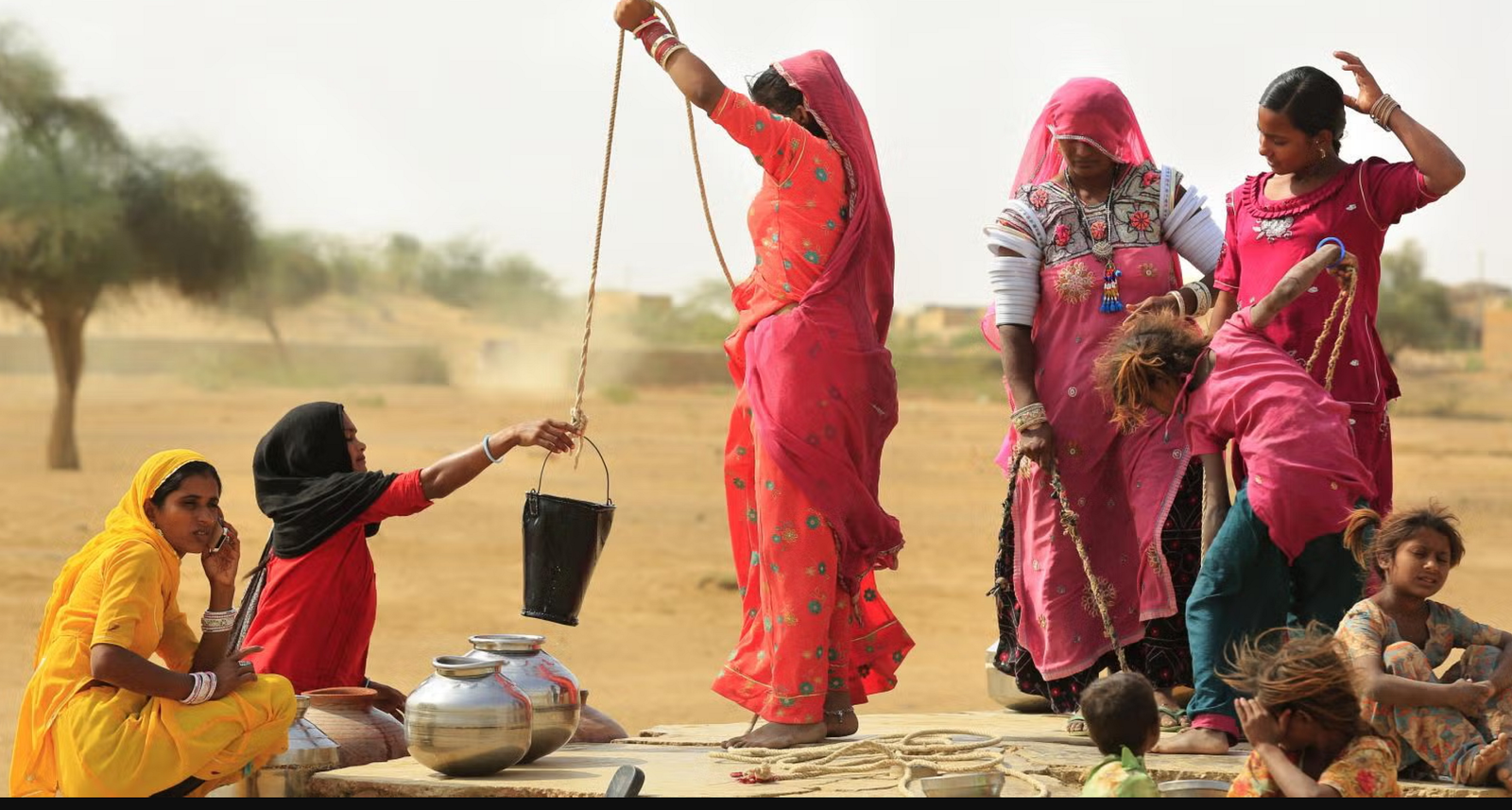
In many parts of India, borewells became the default answer to every shortage. Population growth, urban sprawl, industrial demand, and stressed rivers all pushed more users underground.
Cheap power and weak enforcement made over-pumping feel normal, even rational, in the short run.
Intensive farming is the biggest driver in many places
Irrigation is the biggest withdrawal in many water-stressed regions. Water-heavy crops planted in dry zones push the system hardest. So does year-round cultivation that ignores local recharge limits.
Animal agriculture adds another layer because feed crops and dairy-heavy supply chains pull huge volumes of water before food even reaches a plate.
Urban growth and industry add another layer of demand
Cities expand over recharge zones with concrete and asphalt. Then they drill for backup when lakes, canals, or reservoirs fail.
Manufacturing, construction, cooling, and household demand all lean on the same hidden reserve.
Groundwater becomes the emergency fund that everyone raids at once.
Weak pricing and poor rules make overuse feel normal
What gets measured gets managed. What stays unmetered gets abused.
If extraction is barely tracked, water is underpriced, and illegal drilling is shrugged off, depletion becomes business as usual.
That is not a market failure alone. It is a governance failure.
What happens when the water goes down
The first people hit are usually farmers. They pay for deeper drilling, bigger pumps, and failed wells.
Lower yields then move through the food system and land on everyone else’s plate.
This is how a hidden aquifer problem becomes a household inflation problem.
Farmers pay first, but everyone pays eventually
A borewell that once reached water at modest depth may need to go much deeper. That means more steel, more diesel or electricity, and more financial risk.
Small growers often lose first. Large operators survive longer, then pass costs onwards.
Cheap food was never cheap. Someone was paying with groundwater.
Dry borewells, land sinking, and salt water are warning lights
When aquifers are drained too hard, land can subside. In coastal zones, seawater can move inland and spoil freshwater supplies.
Dry borewells are the obvious alarm. Land sinking is the nastier one, because it can damage roads, buildings, and future storage capacity.
There is some good news, though. Places that measure use, recharge deliberately, and change incentives are making progress, as shown in research on regions reducing groundwater depletion.
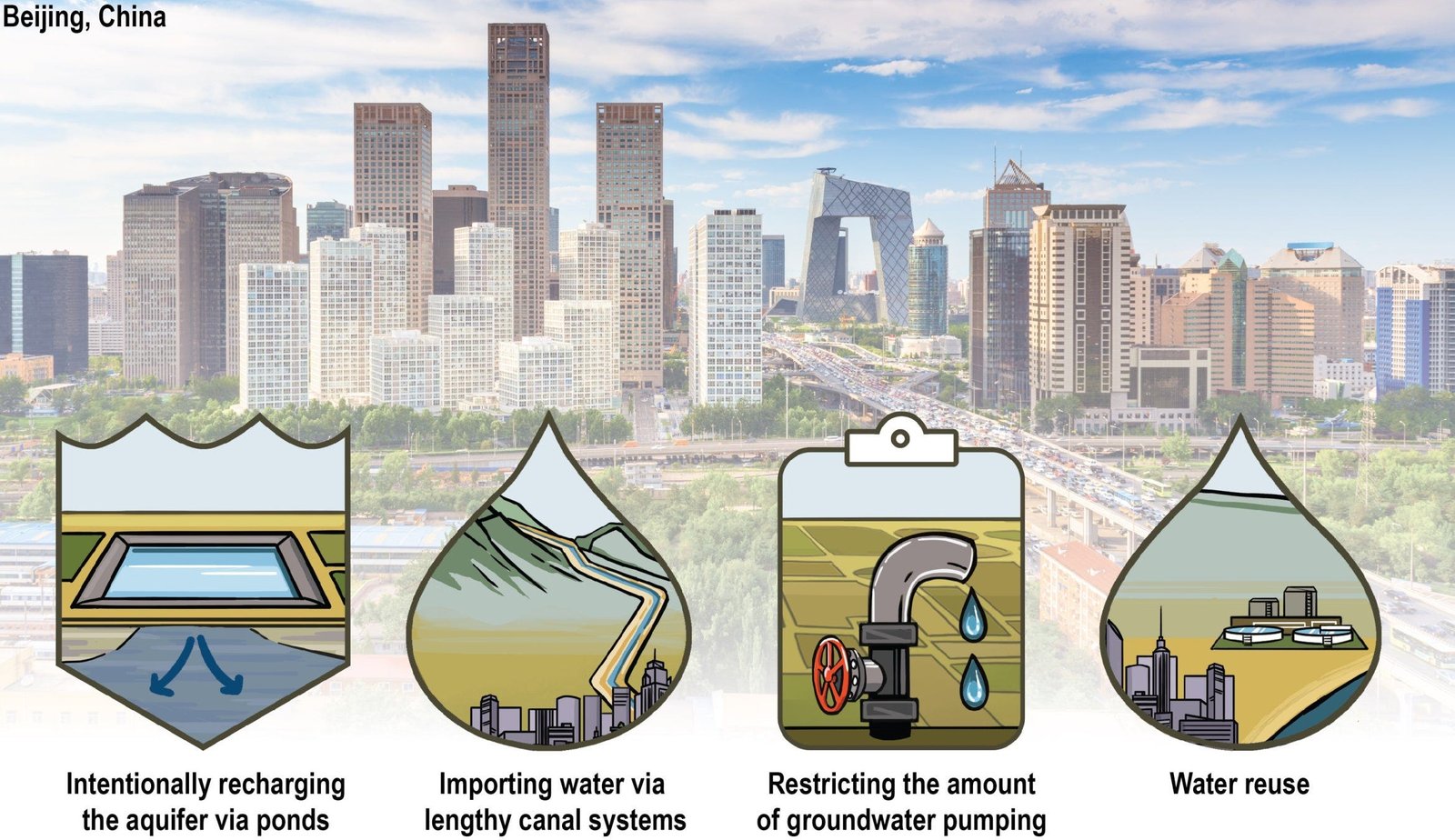
How to stop the bleed: smarter water use, recharge, and accountability
This problem is solvable, but not with posters and hashtags.
- Governments need metering, groundwater audits, crop planning, pricing reform, and real enforcement.
- Businesses need to report water risk like any other serious operational risk.
Reuse, rainwater capture, managed aquifer recharge, and wastewater treatment need money and deadlines, not speeches.
What governments and businesses must do now
Policy has to reward efficiency and punish waste. That means fewer fantasy assumptions, more data, and hard caps where aquifers are collapsing.
Surface water, reuse systems, and crop choices must be planned together. You cannot call a model efficient if it runs on a hidden overdraft.
What citizens and professionals can change in daily life
- Waste less water.
- Support local recharge work.
- Question food systems that normalise thirsty crops and animal-heavy diets in stressed regions.
- If you are a founder, investor, planner, or manager, treat water use as a moral line item, not a footnote.
Final thoughts
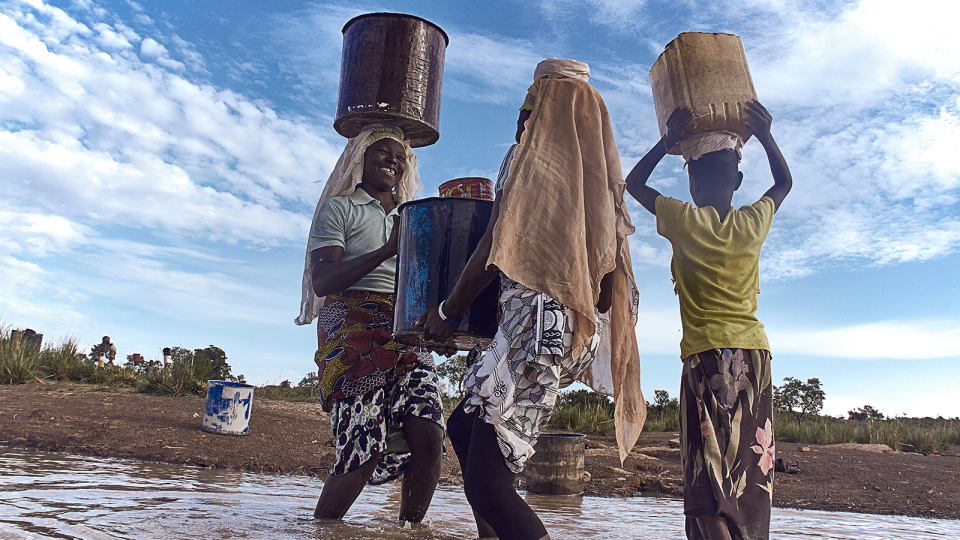
A falling water table is not a side issue for environmentalists. It is a breakdown in stewardship, accounting, and public honesty.
The account under our feet is being drained faster than it can recover, and no serious leader gets to pretend that is efficient.
If you want your ethics to match your ambition, Join the Better Human Project. Radical accountability means your business logic, civic duty, and personal choices all point the same way.
A society that talks productivity whilst emptying its aquifers is lying to itself. Groundwater keeps the books, whether we like the numbers or not.