Seagrass Meadow Decline and the Carbon Crisis Beneath the Waves
 Saket Sambhav
More Than Carbon: A Nursery, Buffer, and Coast Guard
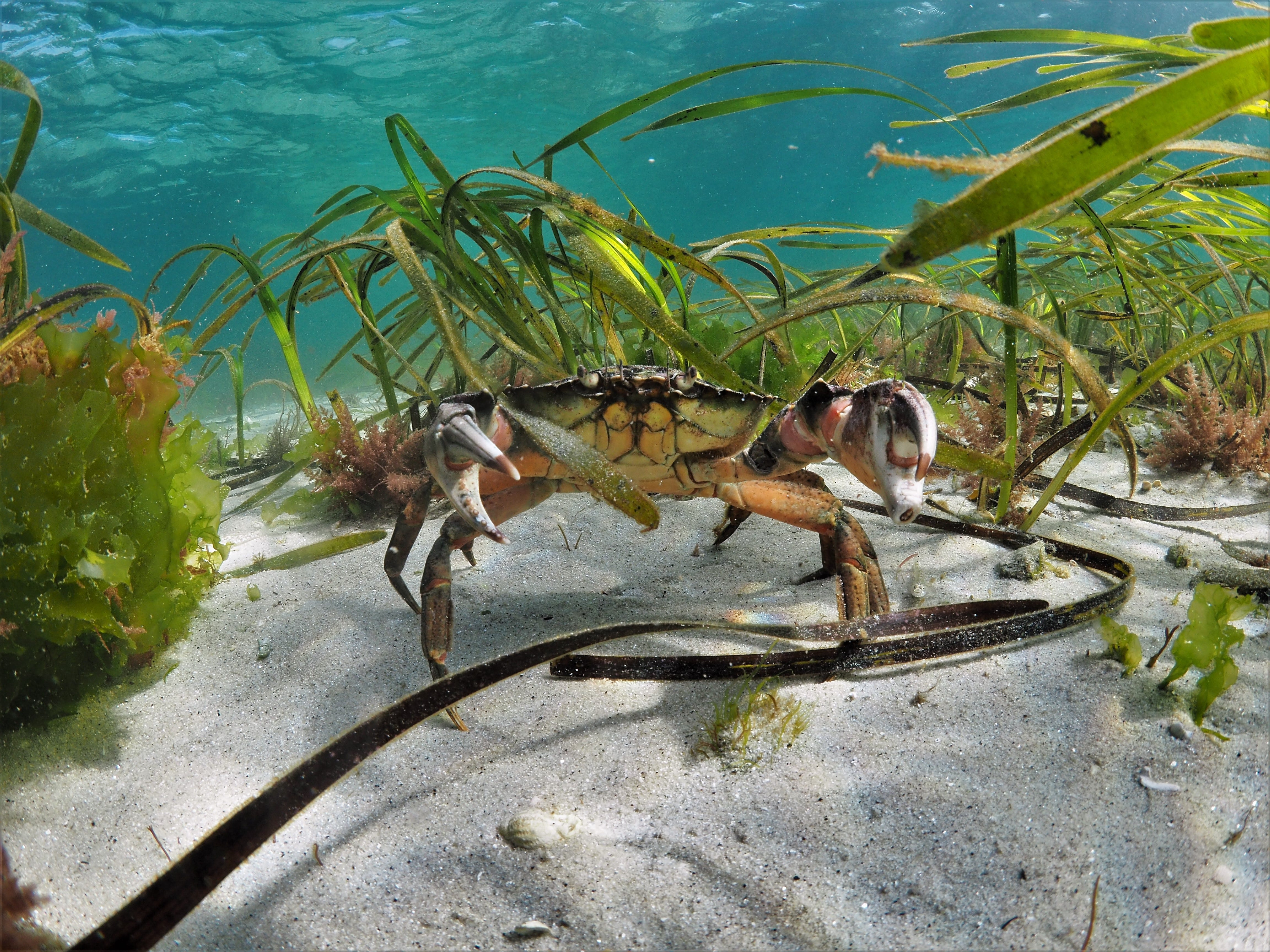
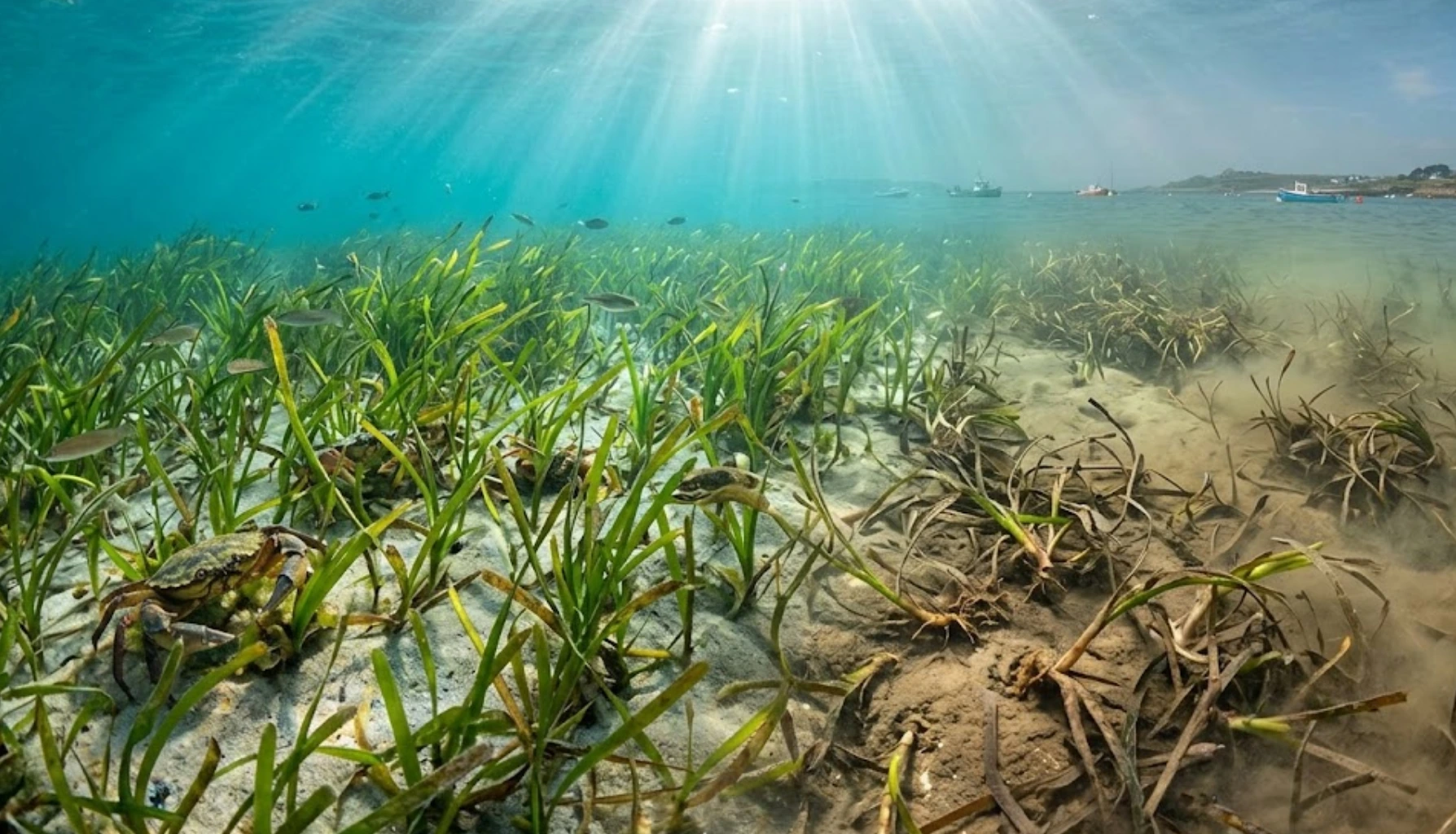
Under shallow coastal water, seagrass spreads like an underwater meadow, green, rooted, alive. Most people never see it, and fewer still hear that these marine plants are among Earth’s most efficient carbon sinks.
That neglect matters. The world has lost about 29 to 30% of its seagrass since the late 1800s, and decline rates have reached roughly 7% a year since the 1990s.
For a habitat that protects coasts, feeds fisheries, and locks away carbon for centuries, that is not a side story. It is a climate warning with salt on it.
What disappears beneath the tide often disappears from politics too. That has to change.
What makes seagrass meadows such powerful blue carbon sinks
Seagrass is not seaweed. It is a flowering marine plant with roots, leaves, and buried stems called rhizomes.
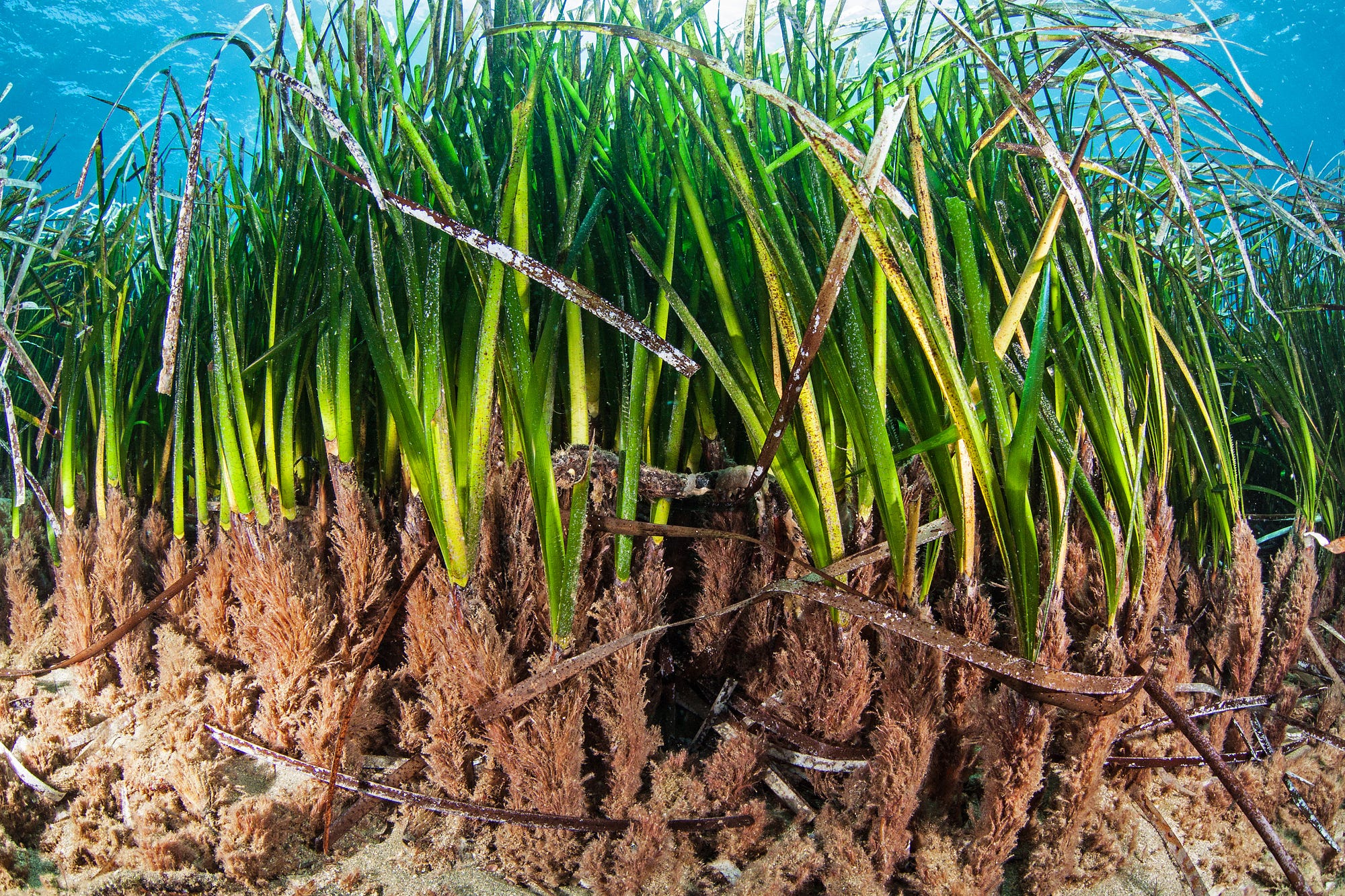
That detail matters, because rooted plants can build long-term carbon stores in the seabed.
They trap carbon above the seabed and bury even more below it
Like land plants, seagrass pulls carbon dioxide from the water through photosynthesis. It uses that carbon to grow leaves and stems. But the bigger story sits out of sight.
Its roots and rhizomes trap particles and help bury organic matter in wet, low-oxygen soils.
Those waterlogged soils slow decay, so carbon can stay locked away for centuries, and sometimes far longer.
A meadow is therefore a living plant on top and a carbon vault underneath.
Recent global estimates put seagrass soil carbon at about 19.9 petagrams, an enormous stock for a habitat that covers a small slice of the ocean floor.
A 2025 Nature Communications study on global seagrass carbon stocks adds to that picture, showing how much carbon is held in both biomass and production across regions.
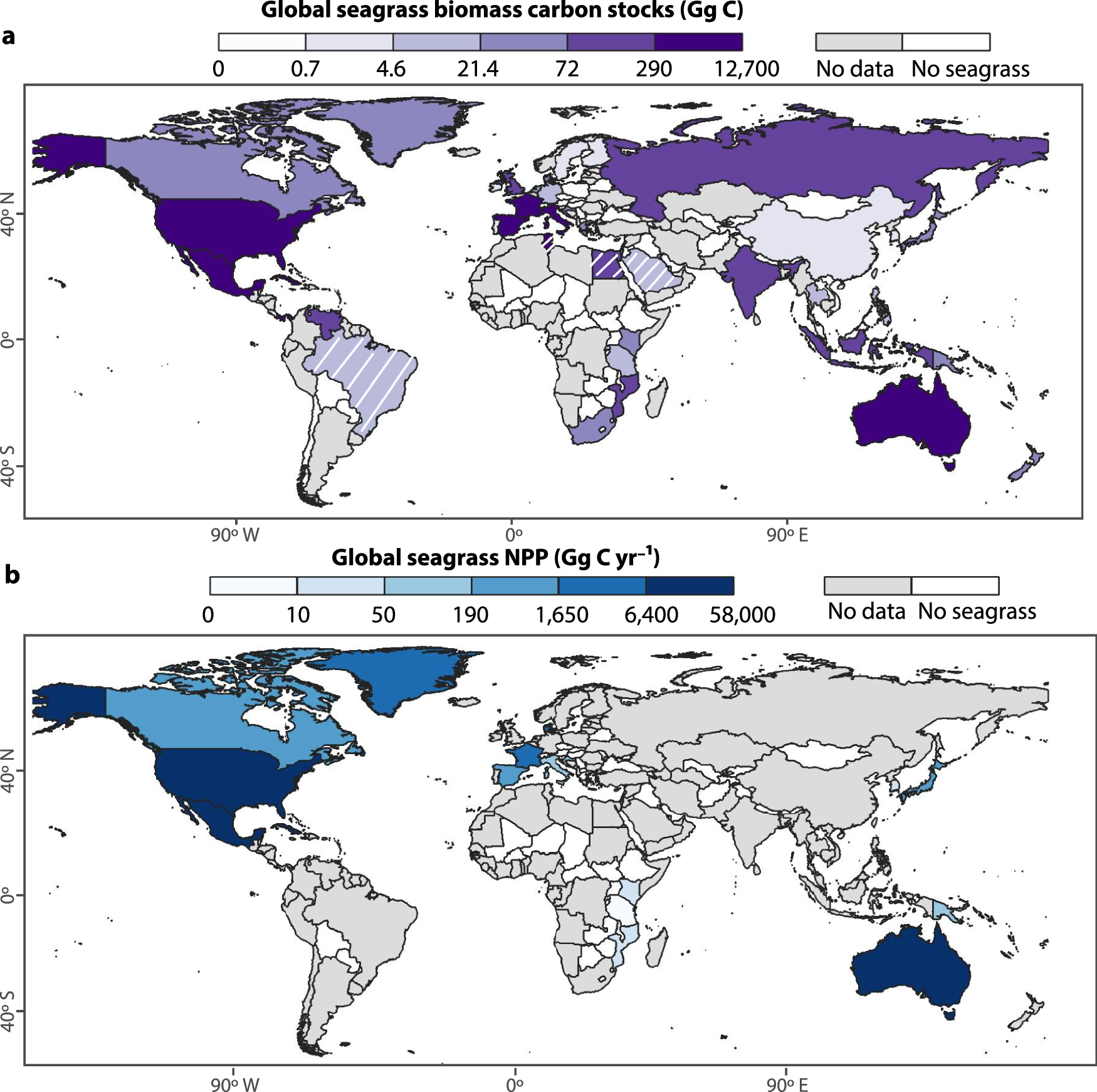
Most of seagrass’s climate value is hidden in the mud, not the leaves you can see.
Per hectare, blue carbon ecosystems such as seagrass, mangroves, and salt marshes can store carbon faster than tropical forests.
That does not make forests less important. It shows how badly ocean habitats have been underestimated.
Their value goes far beyond carbon
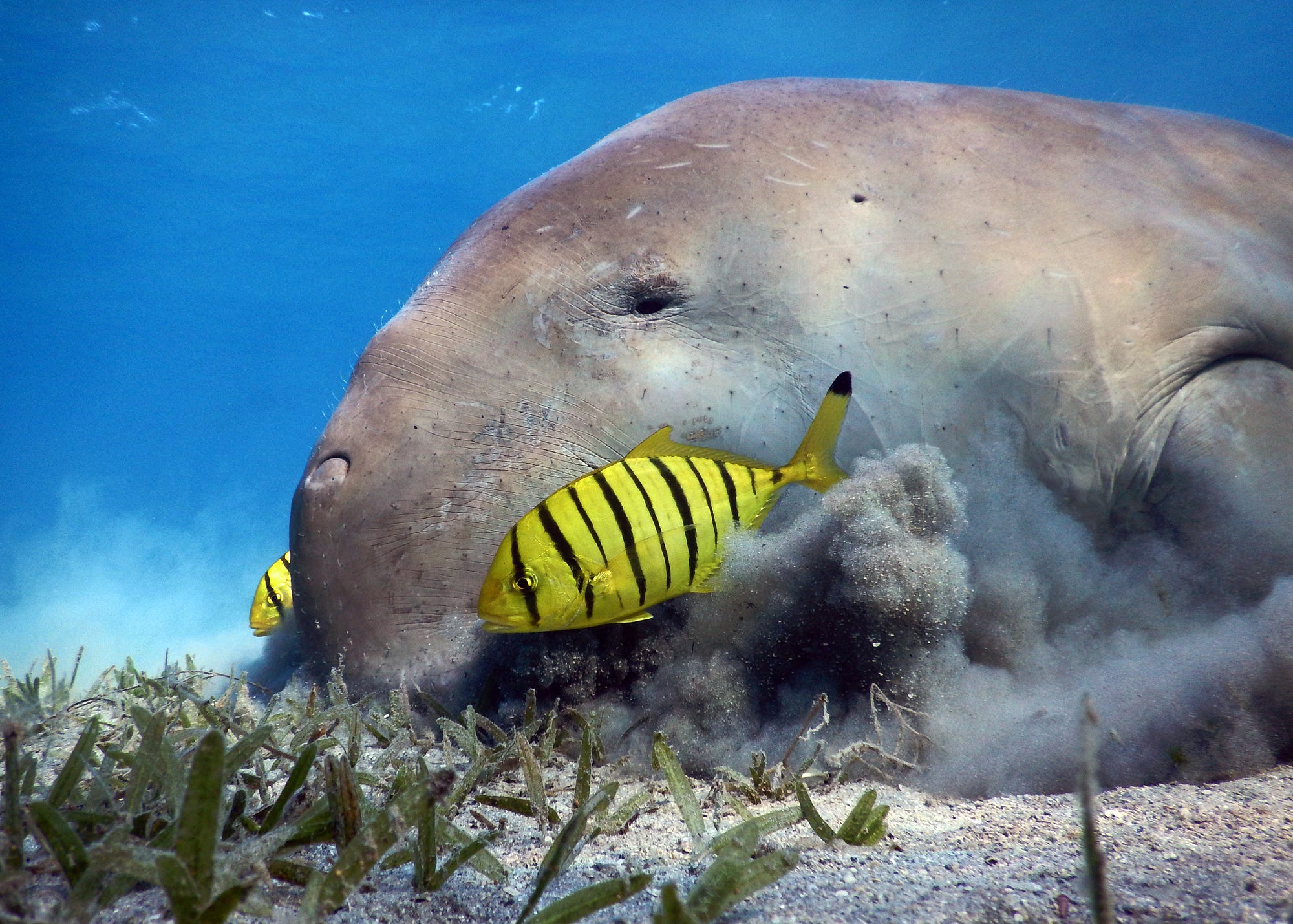
A seagrass meadow is also a nursery.
- Young fish shelter there.
- Small animals feed there.
- Turtles and dugongs depend on some species directly.
- In addition, the blades slow water movement, which helps sediment settle and keeps coastal water clearer.
- That same structure stabilises the seabed and softens wave energy.
So, when seagrass thrives, it helps hold a shoreline in place. Climate, biodiversity, fisheries, and coastal safety meet in one rooted patch of green.
Why seagrass meadows are disappearing so fast
Seagrass decline rarely has one neat cause. More often, a meadow gets hit from several sides at once, then slowly gives way.
Pollution and murky water can slowly starve a meadow
Seagrass needs sunlight. When sewage, fertiliser runoff, and farm waste flood coastal waters with nutrients, algae can bloom across the surface and on the leaves.
That blocks light.
At the same time, sediment from deforestation, construction, and river disturbance clouds the water.
The result is simple and brutal. Less light means less growth. Weaker plants store less energy in roots. Then patches thin out, sediments loosen, and the water often gets murkier still.
This is not abstract. Across many coasts, including parts of South Asia, untreated sewage, shrimp farms, sand mining, and dredging create the sort of cloudy water seagrass cannot survive.
Where ports expand and coastlines are reworked for tourism or industry, the damage stacks up.
A 2025 analysis of carbon dynamics under seagrass loss and restoration makes the stakes plain. When meadows shrink, the carbon story does not merely pause. It can reverse.
Development and warming are pushing many meadows past their limit
Dredging removes plants outright. Coastal reclamation buries habitat. Anchors and propellers carve scars through meadows that may take years to heal.
Overfishing can also upset food webs, allowing algal growth to spread unchecked in some systems.
Then there is heat. Marine heat waves stress seagrass, especially where pollution and disturbance have already weakened it.
A single hot season may not wipe out a meadow. Repeated shocks often do.
Protection is also thinner than it looks. Only about a quarter of mapped seagrass lies inside marine protected areas, and lines on a map do not stop dirty water, careless anchoring, or destructive dredging.
Some places are protected on paper and damaged in practice.
The latest global reporting still points to losses of around 7% a year in recent decades. That is a fast bleed for an ecosystem many governments barely monitor.
What we lose when seagrass disappears, and what can still be saved
The harm does not end when the leaves vanish. The buried carbon can leak back out.
A disappearing meadow means more warming, fewer fish, and weaker coasts
When a meadow is damaged, stored carbon in seabed soils can oxidise and return to the atmosphere and ocean.
Recent estimates suggest seagrass loss may release up to 0.65 gigatonnes of CO2 a year, roughly on par with emissions from global shipping.
A 2025 Nature Communications paper on emissions from seagrass loss found that the climate risk varies by region, but the threat is real and global.
The human cost follows fast. Fish nurseries shrink, so catches can fall. Biodiversity drops because food webs lose shelter and feeding grounds.
Shores become more exposed to erosion and storm damage because the seabed is no longer held together as well.
For coastal communities, this is not an “environment versus development” argument. It is a livelihood issue.
It is also a justice issue, because people who depend most on healthy coasts often have the least power over ports, dredging contracts, or polluted upstream rivers.
Protecting seagrass starts with cleaner water and better coastal choices
Recovery is possible. Seagrass can return when water quality improves and the blows stop landing.
Virginia, in the United States, offers one of the strongest restoration stories, where large-scale seeding helped bring back extensive meadows.
More recently, Marseille showed that cutting marine pollution can allow seagrass to regrow without constant replanting.
The lessons are not mysterious.
- Reduce runoff.
- Treat sewage.
- Limit destructive dredging.
- Manage boat traffic with safer moorings.
- Expand marine protection that is enforced, not merely announced.
- Restore damaged beds where natural recovery needs help.
Asia, including India, also needs better mapping and more public attention.
Too much seagrass still sits in the blind spot between coastal planning and climate policy. That is a costly mistake.
Seagrass meadows are one of the world’s quiet climate allies, and we are letting them fade in plain sight. Their decline is not only an ocean story. It is a story about warming, food, biodiversity, and whose lives count when coasts are remade.
If governments, planners, researchers, and the public keep treating seagrass as empty seabed, the losses will keep mounting.
If we treat it as living infrastructure, some of the damage can still be reversed.