The Secret Forest Makers: How Squirrels Plant Our Future
 Saket Sambhav
The Millions-Tree Legacy: How a Small Habit of “Forgetfulness” Drives Global Reforestation
When you watch a squirrel in the park, you probably just see a fast, twitchy critter. It’s easy to think they are just playing around.
But look closer. That squirrel is actually hard at work. It is an ecosystem engineer.
It is quite literally planting the future of our forests, nut by nut.
The Art of Scatter-Hoarding
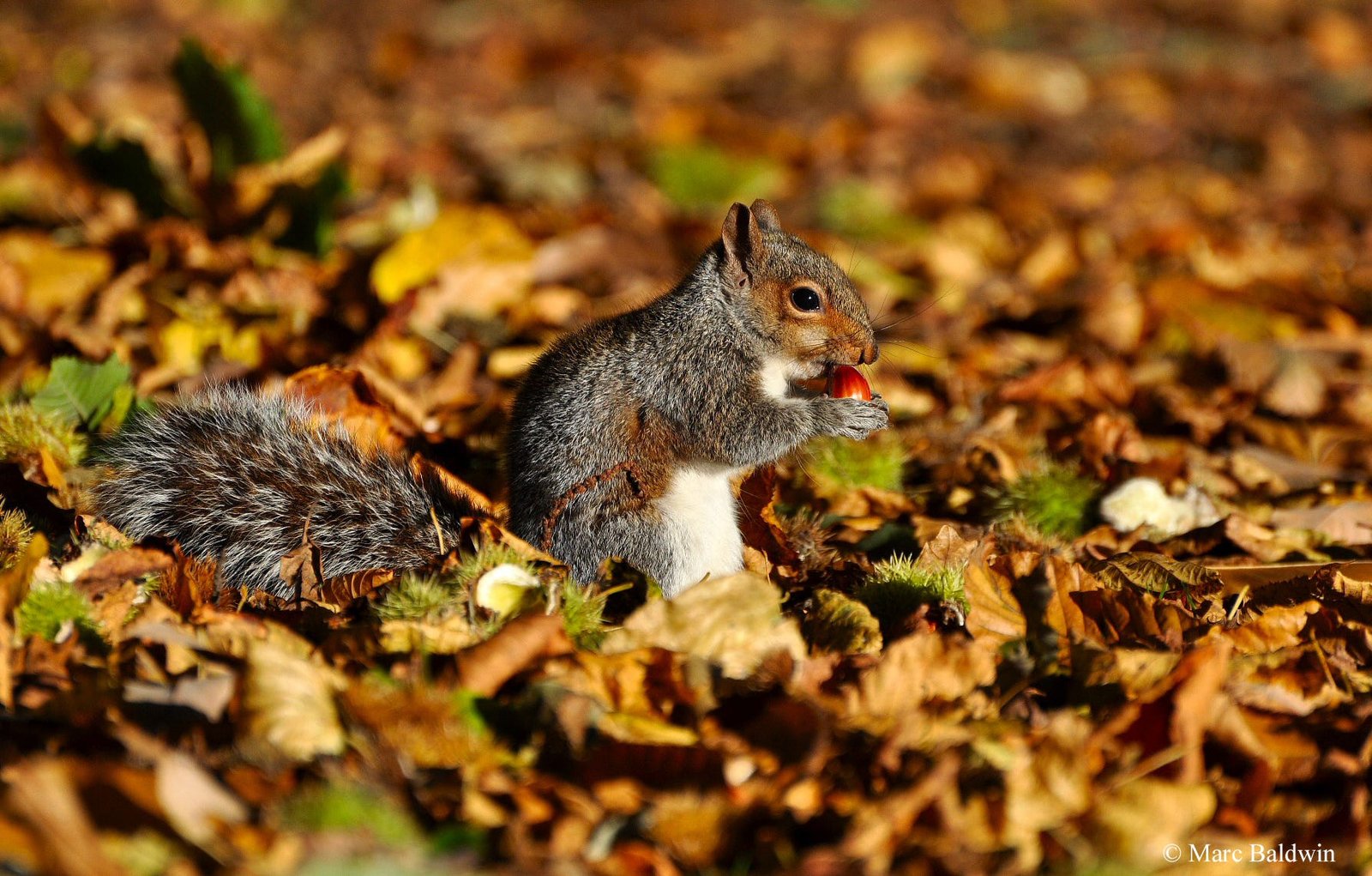
Squirrels use a strategy called scatter-hoarding. Instead of keeping all their food in one big pile, they bury individual seeds and nuts in HUNDREDS of different locations.
Think of it as a low-risk, high-reward investment strategy. If another animal finds one stash, the squirrel still has dozens of others left.
This behavior is a survival tactic for winter. However, it serves a much larger purpose for the planet.
Squirrels often bury way more food than they can actually eat.
They also have a habit of forgetting exactly where they put some of those treasures.
Why Their “Forgetfulness” Matters
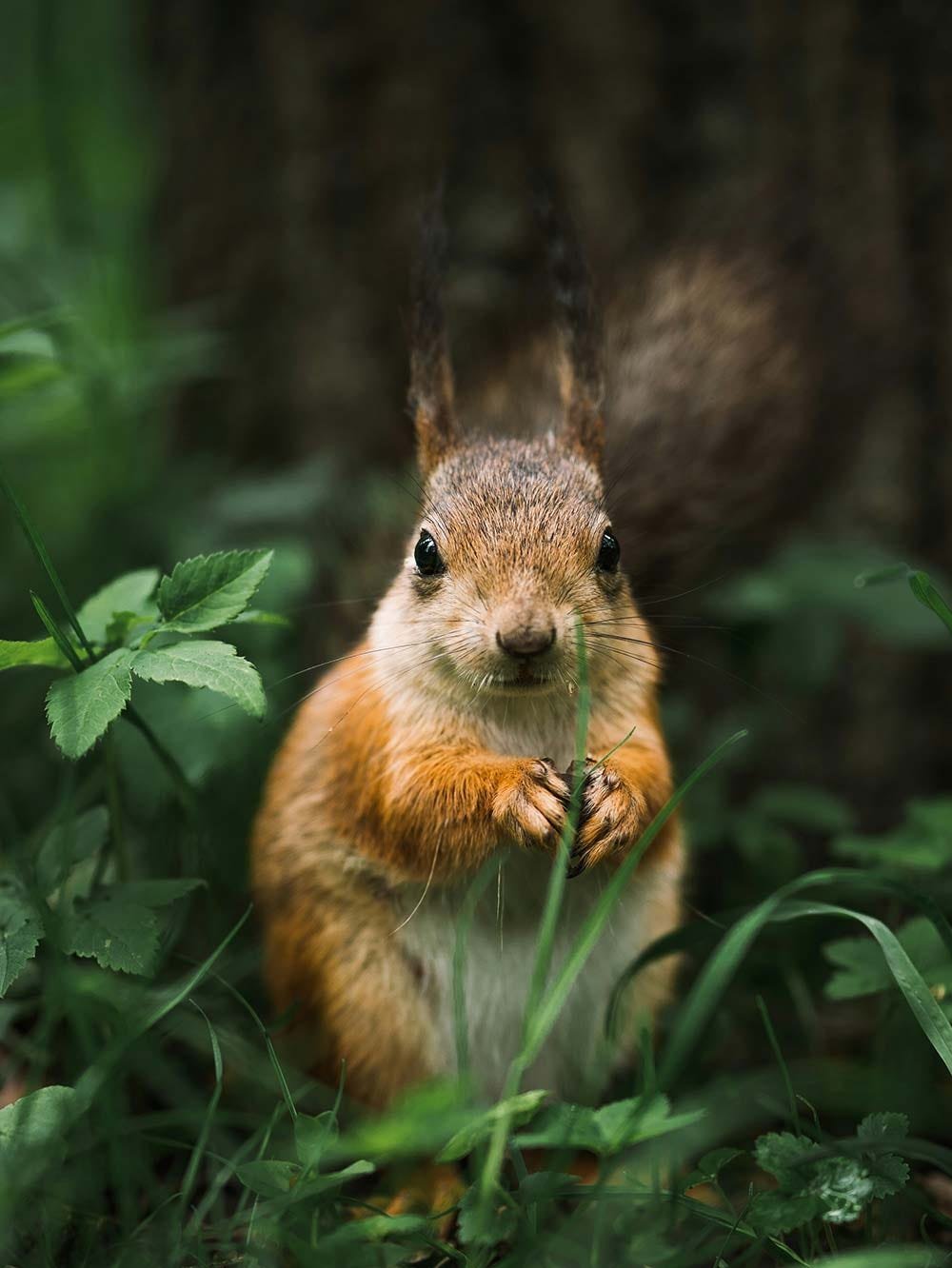
When a squirrel forgets a nut, it doesn’t just disappear. It stays in the ground, buried at the perfect depth for germination.
During the spring, when the rain and sun arrive, those forgotten seeds begin to grow.
A single squirrel can cache thousands of nuts in a single season. If even a small percentage of those go unrecovered, the squirrel has effectively planted a new forest.
Ecologists view this as a crucial seed-dispersal syndrome.
Many tree species — like oaks, beeches, and hickories — actually rely on these small mammals to move their seeds away from the parent tree.
This prevents overcrowding and allows the forest to expand and thrive.
More Than Just Planters
Squirrels do more than just drop seeds. Their constant digging and burying acts as a natural tilling process.
- Soil Aeration: As they dig, they mix organic matter into the earth. This introduces air into the soil.
- Nutrient Cycling: This process helps decompose leaves and debris faster, returning vital nutrients to the soil.
- Forest Health: By promoting new tree growth, they ensure the forest remains diverse, healthy, and resilient against climate change.
In many ecosystems, squirrels are considered a keystone species.
This means their presence — and their specific behaviors — are essential to the survival of the entire habitat.
Without them, the natural regeneration of many woodlands would be significantly slower and less diverse.
The Scale of the Impact
It is difficult to put an exact number on their work, but the scale is massive. Researchers estimate that squirrels are responsible for planting millions of trees every year across the globe.
While individual efforts might seem small, the collective impact of millions of squirrels over thousands of years has shaped the very forests we walk through today.
How to Appreciate Your Local “Arborists”
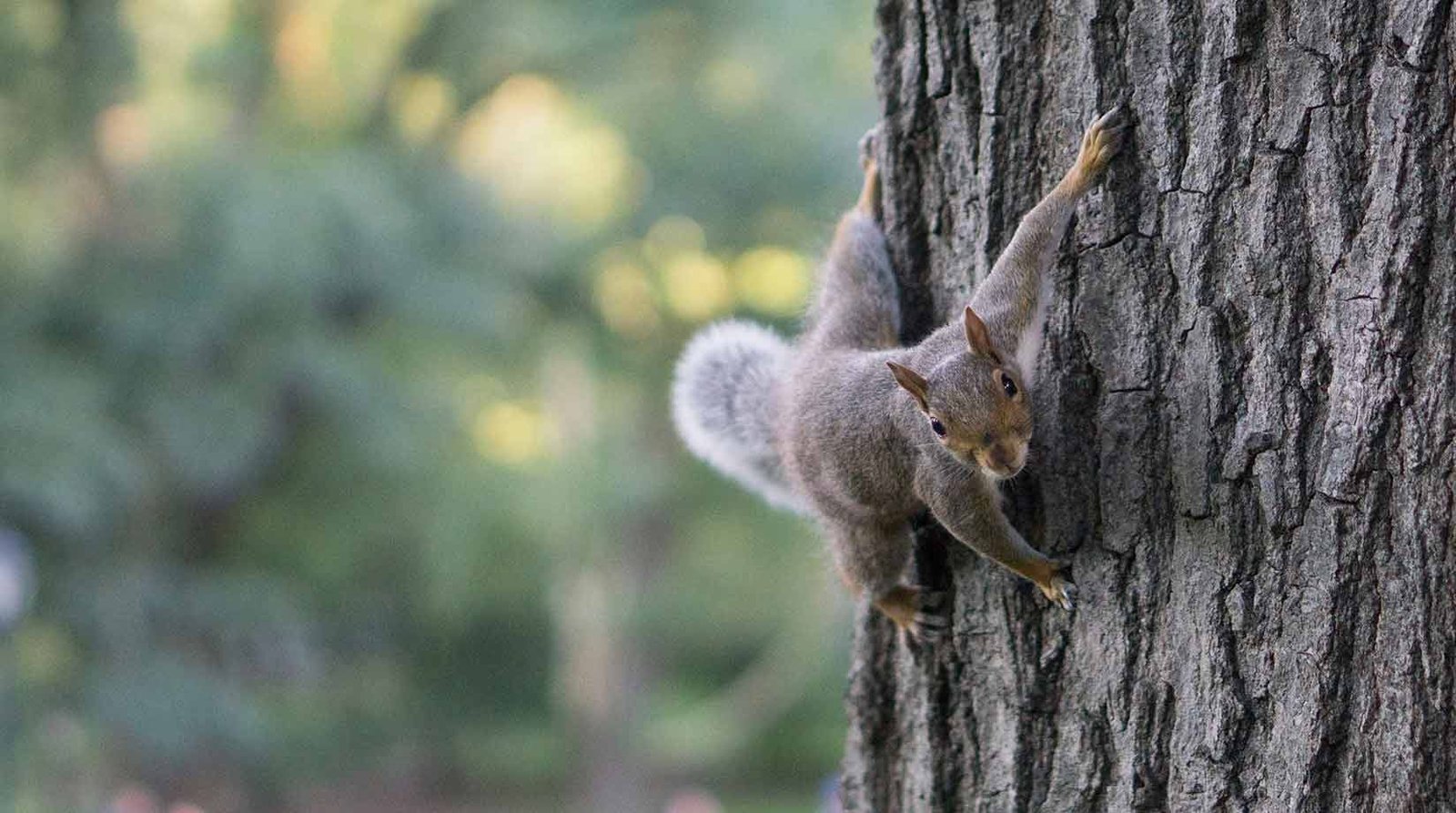
Next time you see a squirrel, try to change how you view them. They aren’t just pests or cute photo subjects.
They are silent partners in global REFORESTATION.
You can support them by keeping your local green spaces natural. Leave some leaf litter on the ground; it provides a perfect environment for them to hide their seeds.
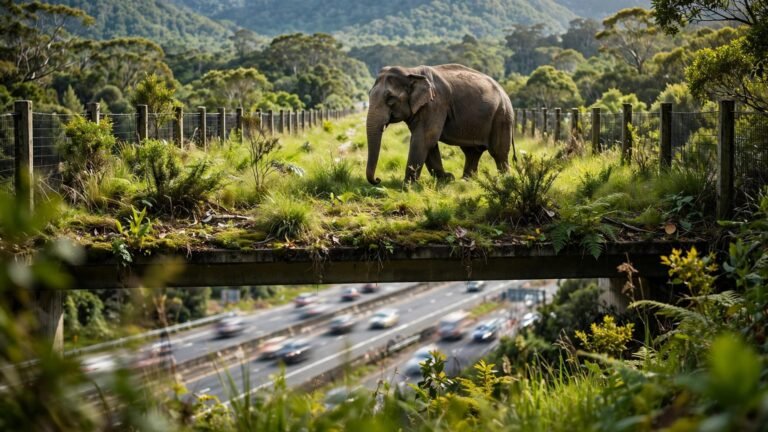
Support local wildlife corridors that allow them to move safely between patches of trees.
By protecting these little gardeners, we are protecting the future of our planet.
They are building a greener world, and they don’t even know they’re doing it. How cute is it! 🐿️