Why Indian Road Dust Carries Metals and Soot
 TBH Editorial
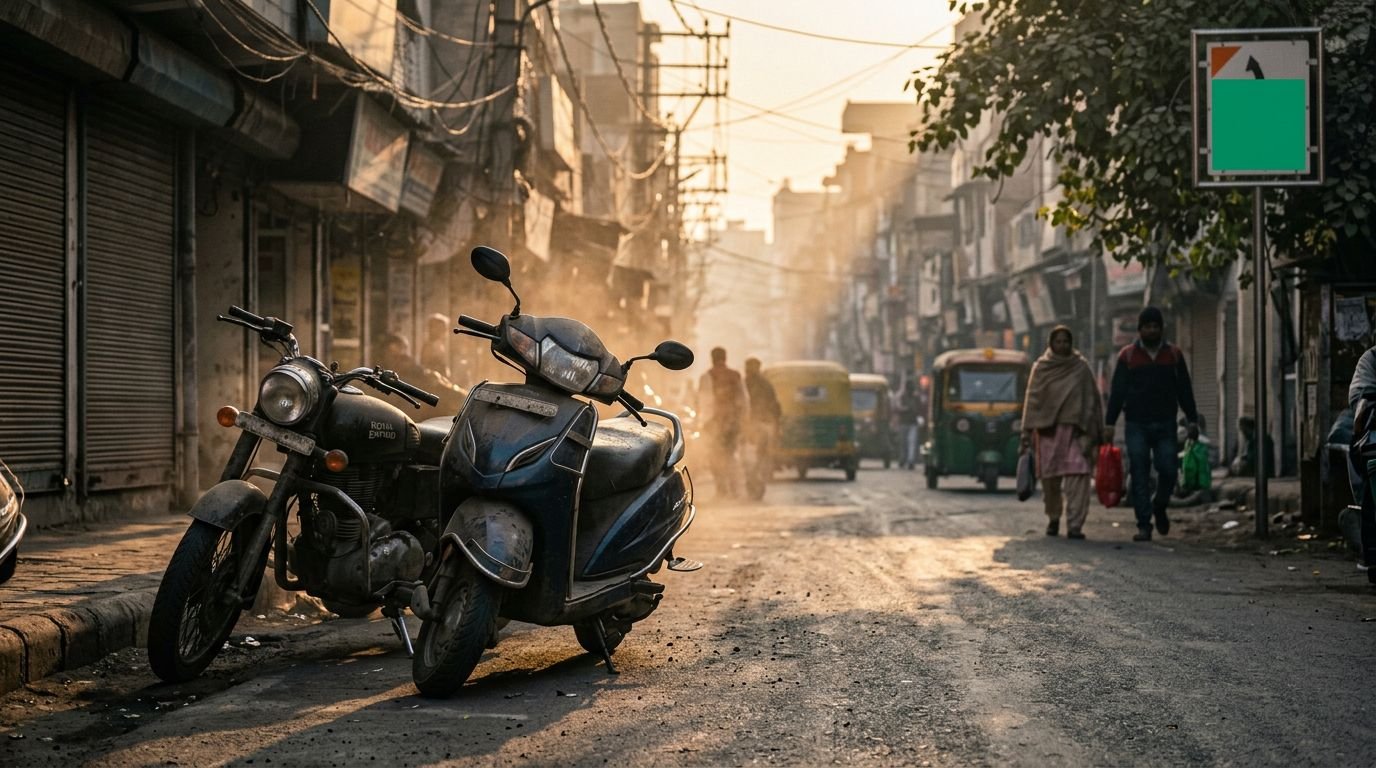
That grey film on your window grill or parked scooter is rarely plain dirt. In many Indian cities, road dust pollution is a complex mixture of traffic wear, diesel smoke, construction debris, fly ash, and soil that keeps getting crushed and lifted back into the air.
You breathe part of it at bus stops, junctions, school gates, and market roads without noticing. To understand why it looks so persistent, you have to look past the idea of dust as a mere nuisance and treat it as a record of what a city burns, builds, spills, and neglects. By analyzing this fine particulate matter, we can better understand the toxic legacy left behind by constant urban activity.
Key Takeaways
- Road dust is a complex cocktail: It is not merely loose soil but an accumulation of vehicle emissions, brake and tire wear, industrial fallout, and construction debris.
- The cycle of re-suspension: Traffic acts as a constant engine for air pollution, grinding accumulated sediments and lifting fine particulate matter back into the air at breathing height.
- Hidden toxicity: Because it contains heavy metals and soot (black carbon), urban dust poses serious, long-term health risks to pedestrians and residents, particularly in areas with heavy traffic and poor ventilation.
- Surface and design flaws: Crumbling road shoulders, unpaved edges, and ‘street canyons’ created by tall buildings trap particles and prevent natural dispersion, intensifying the concentration of pollutants.
- Need for systemic control: Cosmetic fixes like street washing are insufficient; meaningful reduction requires source control, such as paving shoulders, covering construction materials, and enforcing stricter emission standards.
Road dust is a city-made mixture, not just loose soil
Street dust starts with ordinary soil, but urban life changes its chemistry fast. Once traffic, repair work, waste burning, industry, and weak street upkeep enter the picture, the dust on the road stops being simple earth. This process is heavily influenced by non-exhaust emissions that contribute to the chemical complexity of the surface.
A useful way to think about it is this: roads collect fallout all day, then traffic grinds that fallout into finer particles. Some of those particles stay coarse and settle quickly. Others become small enough to rise again with every bus, truck, or motorbike that passes.
A comparative analysis of urban road dust compositions links street dust to brake dust and tire wear, combustion byproducts, and even ash associated with road materials. That matters because it shifts the conversation from housekeeping to exposure.
Road dust is what a city grinds down and leaves behind as accumulated road sediments.
In Indian cities, that grinding happens at scale. Mixed traffic is intense. Roads are often patched, widened, dug up, or lined with loose shoulders and unpaved roads. Debris may sit uncovered for days. Then dry weather and moving vehicles do the rest.
Street design also plays a role. Dense building walls can trap emissions and reduce air movement near the road. As a result, harmful particulate matter settles, accumulates, and returns to breathing height instead of dispersing well. On corridors with heavy traffic and frequent repairs, the road becomes both a storage surface and a launch pad.
That is why a clean-looking morning street can turn dusty by afternoon. The material is already there. The city keeps feeding it, and traffic keeps re-suspending it.
The metals come from friction, fuel, and industrial fallout
The presence of heavy metals in road dust does not happen by accident. Most of this material originates from mechanical wear and combustion, eventually mixing with the dirt already present on the street. A heavy metal contamination assessment of road dust points to vehicle emissions, industrial areas, construction sites, and road wear as the primary contributors to this persistent particulate matter.
This quick map shows where those particles originate.
| Source | What it adds to dust | Why it builds up on roads |
|---|---|---|
| Brake wear | Copper, iron, lead, antimony, other metal-rich fragments | Braking grinds pad material into fine particles near traffic lanes |
| Tyre wear | Zinc and synthetic rubber particles | Rolling friction sheds material continuously |
| Exhaust and oil combustion | Fine soot mixed with trace metals | Tailpipe emissions settle, then mix with surface dust |
| Construction and demolition | Cement fines and PM10, paint residues, contaminated soil | Loose material escapes from sites, trucks, and broken shoulders |
| Industry and fly ash | Iron, chromium, nickel, lead, ash | Emissions from industrial areas settle on nearby roads |
The exact mix changes by neighborhood. A freight corridor near workshops will differ from a residential road near a demolition site. To understand these variations, experts use source apportionment to identify which specific activities are driving the contamination. Regardless of the location, the pattern remains consistent: friction and combustion add metal-bearing particles, while road surfaces act as a reservoir for them.
A health risk review of heavy metals in road dust notes that lead, for example, is often linked to coal combustion, brake wear, fuel, motor oil combustion, and the re-suspension of settled dust. This metal is only one part of the story. Copper, zinc, chromium, nickel, and iron also appear, especially where traffic and industrial zones overlap.
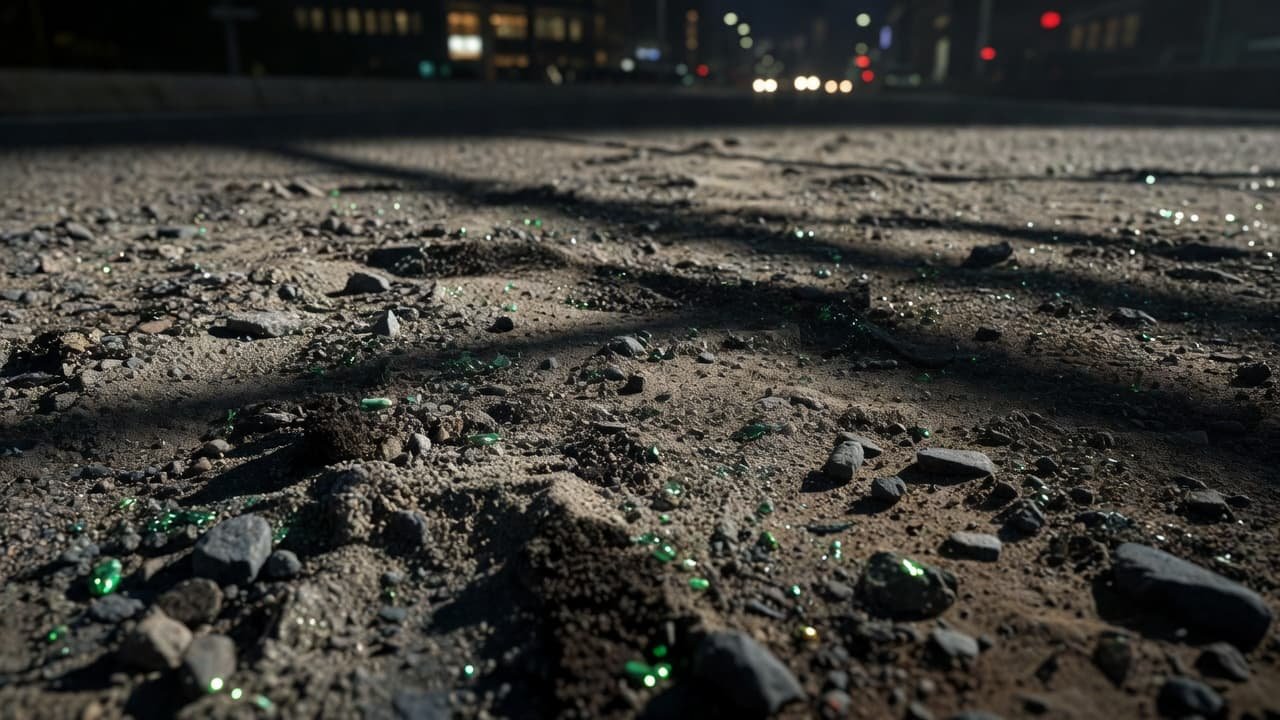
Older urban surfaces often exacerbate the problem. Roadside paint, worn barriers, battered metal fittings, and contaminated soil from past industrial use all contribute to the load. Furthermore, road wear generates significant amounts of PM10, which can easily be transported by wind and traffic. Once these particles land, they rarely stay in one place. Traffic moves them sideways, wind pushes them toward pavements, and people carry them indoors on shoes.
So when road dust in Indian cities tests dirty, it often reflects years of layered deposition and the pervasive presence of heavy metals, rather than one single source.
Soot stays in the dust because combustion never really stops
Soot, or black carbon, comes from incomplete burning. In Indian cities, that usually means traffic emissions, diesel generators, industrial combustion, and open burning of waste nearby. In peri-urban belts, crop residue burning can also add to the load that later settles in city streets.
These particles are tiny, sticky, and mobile. They drift through air, cling to larger dust grains, and darken the grit you see on road edges, windowsills, and leaves. Because PM2.5 levels are often high, these particles do not need a dramatic smoke event to build up. Daily traffic emissions are enough to keep the concentrations elevated.
Congestion makes the problem worse. Engines idle. Vehicles crawl, brake, and accelerate. Each of those actions adds soot and also creates more wear from brakes and tyres. That means the same road corridor can receive black carbon and metals at the same time, then grind them together under constant movement.
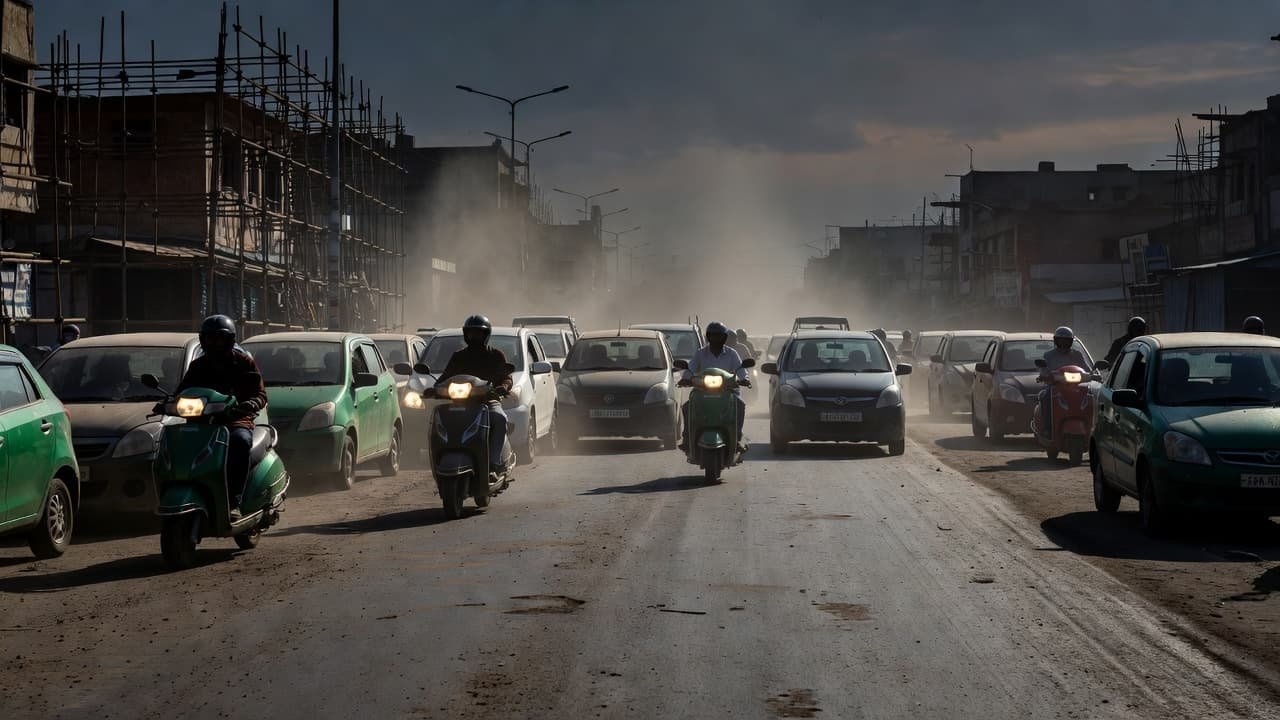
Urban form matters too. Tall buildings can create a street-canyon effect that traps polluted air close to the road. Through poor urban planning, these structures often restrict air flow, meaning more PM2.5 settles near where people walk, wait, eat, and work. In dry weather, those deposits accumulate quickly.
Waste burning adds another layer that is often ignored. When mixed waste smolders at dump edges, in vacant plots, or near transfer points, the smoke carries soot and toxic ash into nearby neighborhoods. The ash settles on streets, rooftops, food stalls, drains, and roadside plants. That is one reason road dust can carry the fingerprint of a city’s waste failures as well as its traffic.
The result is not simply dirty roads. It is a repeated mixing of combustion residues and particulate matter with street grime, then a repeated return of that mixture into the air.
Why the same dust keeps rising back to breathing height
Road dust would matter less if it stayed on the ground. The trouble is that urban traffic turns settled material into airborne exposure again and again through constant road dust resuspension. Every passing tyre, every bus wake, and every fast moving auto near unpaved roads can lift particles back up into the air.
This is why sweeping alone often disappoints. When road dust resuspension persists, it is usually because loose sediment remains on edges, medians, unpaved roads, and construction exits. Roads with poor surface quality generate even more abrasion, as cracked asphalt and crumbling shoulders create fresh particles while storing older road sediments.
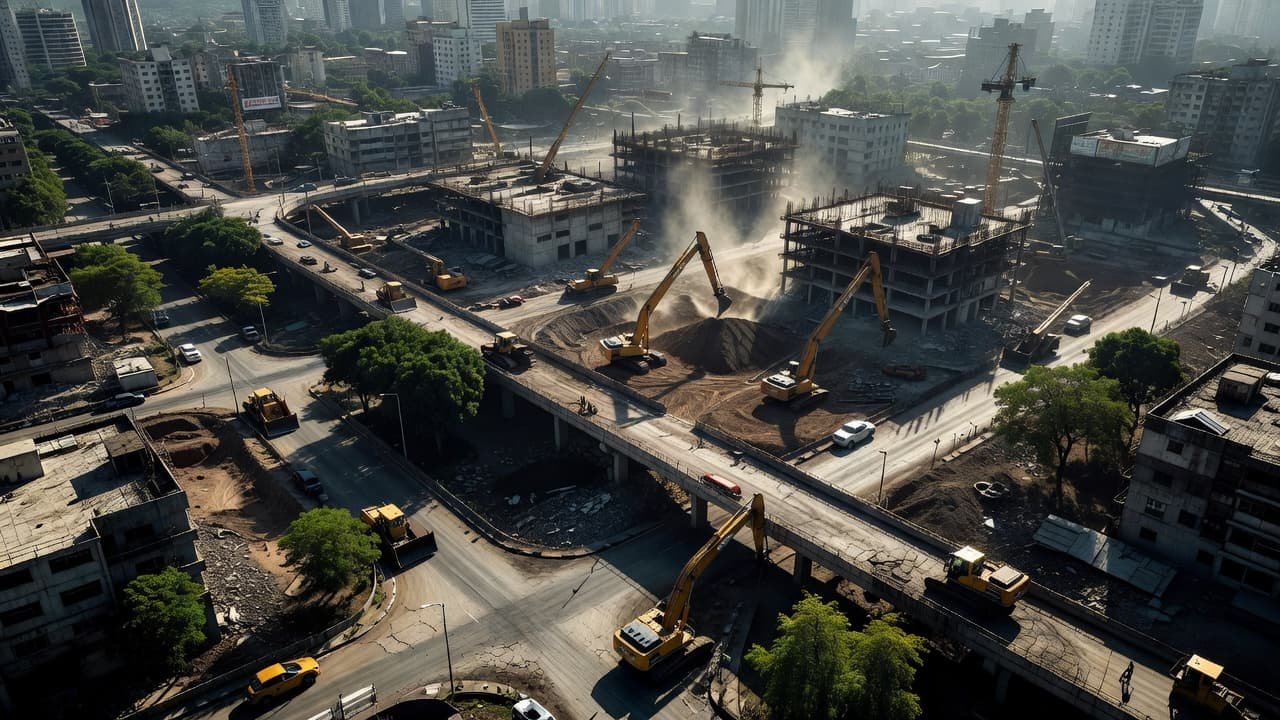
Construction activity plays a large part in Indian cities. Sand, cement fines, excavated soil, and demolition waste often sit uncovered near unpaved roads. Trucks may leave sites with dusty wheels, and road cuts often stay open for utility work. Meanwhile, barriers and pavements break apart under repeated disturbance, meaning the city sheds material faster than basic maintenance removes it.
Seasonality shapes the pattern. Dry months usually bring heavier re-suspension because there is less moisture to hold material down. Then the monsoon shifts, rather than solves, the burden of airborne particulate matter. Rain can wash some dust away from the road surface, but it also carries metals and soot into drains, roadside soil, and water bodies. Contamination moves laterally through runoff.
That wider ecological impact is easy to miss because it does not look dramatic. Yet dust laden runoff settles in sediments, coats tree pits, and burdens already stressed urban waterways. The first rain after a long dry spell often acts like a conveyor belt for months of deposited grime.
This is also why pavement edges matter. A paved, maintained shoulder generates less loose material than a broken dirt verge. Small design choices change re-suspension rates. So does routine upkeep. Cities that treat street dust as an engineering issue, not only a sanitation issue, usually do better.
The health burden lands on people who spend the most time outdoors
A commuter does not breathe city air in a lab. They breathe it at the curb, beside a bus, behind a truck, next to a school wall, or while standing over a stove at a roadside stall. That makes road dust a social issue as much as an environmental one.
Fine soot can travel deep into the respiratory system, where its impact is magnified. Metal-bearing particles add another concern because some metals are linked to nerve damage, cardiovascular disease, and other long-term harms when exposure is high enough and persistent enough. Because these particles are often PM2.5, they bypass the body’s natural defenses to settle in the lungs. Children, traffic police, street sweepers, delivery riders, street vendors, sanitation workers, and people living near busy corridors often face the heaviest health risks from this persistent inhalation.
Exposure also sits at child height. Dust settles on low surfaces, shoes, food packaging, benches, play areas, and storefront ledges. Then it returns to the air with a passing vehicle or enters homes as tracked-in grime. That is one reason the issue cannot be reduced to outdoor air alone.
The burden spreads beyond people. Roadside leaves collect soot, which can interfere with plant health. Dust clogs small soil spaces where water should infiltrate. Polluted runoff enters drains and urban lakes. Birds, insects, and small patches of green cover lose quality habitat. In other words, road dust weakens urban biodiversity even when nobody talks about it in particulate matter briefings.
Personal caution helps a little. Everyday mindfulness can reduce peak exposure, for example by avoiding exercise on high-traffic roads at rush hour, closing windows during nearby demolition, or cleaning indoor sills with damp cloths instead of dry sweeping. Still, awareness has limits. Families cannot out-think a corridor that keeps throwing toxic grit back into the air. Because PM2.5 particles remain airborne for extended periods, they frequently infiltrate the respiratory system of those living or working nearby, leading to significant health risks.
A dirty road is not equally dirty for everyone. The people with the least shelter from traffic and dust usually carry the highest health cost.
Street washing alone will not fix a system that keeps making dust
Cities often respond to dust with visible cleanup. Roads get sprinkled or treated with temporary dust suppressants. Sweepers appear after complaints. A showcase stretch gets attention while nearby lanes remain broken and powdery. These actions may help for a few hours, but they rarely change exposure day after day.
What changes exposure is systemic change. That means cutting emissions and loose material at the source. A flashy machine on one avenue will not protect children walking a dusty school corridor two kilometers away. The same logic applies to one-off washing drives. If brakes, tyres, open construction, uncovered trucks, waste burning, and industrial fallout keep feeding the road, the dust returns.
This is where accountability often gets blurry, especially regarding industrial areas where strict oversight is required. Capital budgets favor visible assets. Maintenance budgets for vacuum sweeping, drain cleaning, shoulder repair, unpaved roads, wheel-wash systems, and inspection staff are easier to cut. Contractors may meet paperwork targets while material still escapes into the street. If monitoring only tracks broad PM levels, the heavy metals and particulate matter in roadside hotspots can stay hidden.
Business choices matter too. Sustainable business models in transport and construction can reduce dust generation through cleaner fleets, better logistics, covered loads, lower-wear materials, and strict site controls, thereby lowering the overall environmental impact. A serious circular economy would also recover materials safely instead of letting low-value debris, ash, and scrap residues leak into public space, which would further minimize the environmental impact of urban growth.
Public understanding matters just as much. Climate literacy helps people see that a dusty curb is connected to transport policy, waste systems, land use, labor safety, and health, not just poor cleanliness. Once people understand the chain, they are more likely to demand source control instead of cosmetic relief.
What better accountability looks like on real streets
The practical fixes are not mysterious. Cities need paved and maintained shoulders to eliminate the loose soil from unpaved roads, covered construction materials, wheel cleaning at exits, and the application of dust suppressants at work sites. Additionally, they require routine vacuum sweeping of road sediments where traffic is heavy. Municipalities must also implement tighter checks on industrial emissions, open waste burning, and diesel-heavy freight corridors to reduce road dust pollution.
Strategic urban planning plays a vital role because fluid traffic flow reduces the stop-start motion that generates significant traffic emissions. Cleaner buses, safer walking routes, and freight timing reforms reduce what reaches the street in the first place. Source control beats after-the-fact cleanup because it targets the particulate matter entering the air. By focusing on PM10 and PM2.5 levels, cities can better manage the composition of road dust pollution.
Design choices matter as well. Reducing tire wear and brake dust through better formulations and longer-lasting components can cut the accumulation of heavy metals on city streets. The same logic that supports product repairability applies here: when parts fail, cities breathe the residue. If we build systems that grind through cheap materials quickly, the public absorbs that cost as toxic debris. Integrating green infrastructure into city design also provides a natural buffer to trap pollutants before they circulate.
Individual choices still have a place, but only within honest limits. Plant-based living can reduce part of the wider combustion and waste burden tied to food systems, especially where organic waste is poorly handled and open burning persists. Yet cleaner streets will not arrive through consumer virtue alone. They depend on rules, enforcement, and street-level investment.
Community pressure helps move that work. Residents can demand dust barriers at construction sites, ask whether shoulders will be paved, track repeat hotspots, and push for public reporting on specific roadside contaminants rather than just headline air quality numbers. If you want to support on-the-ground work that links neighborhood health, urban biodiversity, and climate literacy, Explore Our Active Missions.
Frequently Asked Questions
Is road dust just dirt?
No, road dust is a complex mixture of environmental and industrial residues. While it may look like ordinary soil, it is actually composed of metallic fragments from vehicle wear, soot from exhaust, construction waste, and chemicals from road surfaces.
Why does the dust keep returning after the road is cleaned?
Road dust is continuously generated by the mechanical wear of tires and brakes, as well as the tracking of debris from unpaved shoulders and construction sites. Because the city keeps feeding these particles into the road environment, the dust is constantly replenished by traffic and wind.
Can cleaning the street fix the problem?
Standard cleaning methods like washing or sweeping often provide only temporary, cosmetic relief. Long-term solutions require addressing the root causes, such as paving road edges, implementing wheel-wash systems at construction sites, and reducing industrial and vehicle emissions at the source.
How does road dust affect health?
Road dust often contains fine particulate matter like PM2.5 that can penetrate deep into the respiratory system. The presence of heavy metals and black carbon can lead to long-term health complications, including cardiovascular disease and chronic respiratory issues, especially for those who spend significant time outdoors near traffic.
Conclusion
That dull grey layer on city roads is not harmless background dirt. It is a complex urban residue of friction, combustion, waste, and weak maintenance, with dangerous metals and soot embedded in it.
Addressing road dust pollution requires much more than occasional washing or a photogenic fix. It demands a commitment to source control, better street design, stronger enforcement, and a public that treats these invisible health risks as a matter of justice rather than a cosmetic concern.
When a city keeps grinding pollutants into its roads, the dust tells the truth long before the policy files do. To build a healthier urban environment, we must prioritize long term solutions that stop the accumulation of hazardous particles at their origin.