Avian Flu Fallout and the Mass Death of Seabirds and Sea Mammals
 Saket Sambhav
This H5N1 wave isn’t another farm-gate scare. It’s a coastal crisis, with wild birds falling from the sky and sea mammals washing ashore in numbers no honest system can call normal.
By May 2026, the virus is still widespread in wild birds across continents, and it has pushed into seals, sea lions, elephant seals, fur seals, and even some dolphins.
That turns bird flu into a whole ecosystem emergency. It also raises a harder question: how many warnings does a food system get before accountability starts?
To see why this outbreak hits harder, start with how the virus stopped behaving like a poultry problem.
What makes this bird flu outbreak so alarming in 2026?
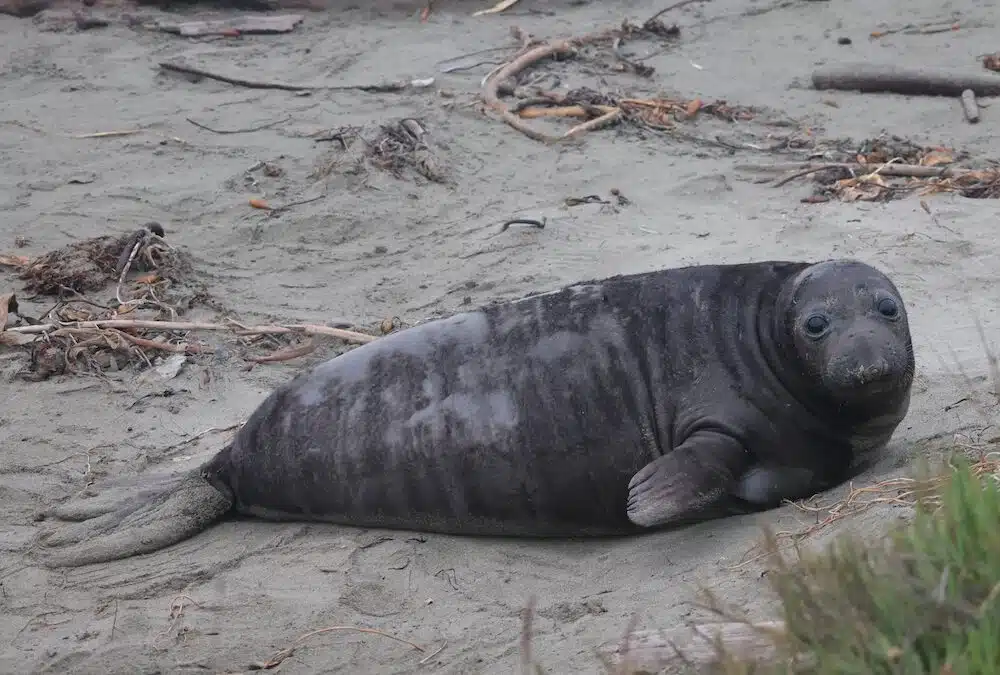
The short answer is scale, reach, and species crossover. Earlier bird flu scares were often framed as farm losses, trade bans, and rising egg prices. In 2026, H5N1 is entrenched in wild bird migration and is killing marine mammals too.
Human risk is still considered low in May 2026. Wildlife risk is not. That’s the split many people miss.
How H5N1 moved from farm risk to wildlife crisis
H5N1 began as something governments treated like a farm biosecurity issue. That framing is now obsolete. Once a virus circulates widely in migratory birds, fences stop looking impressive.
A March 2026 research tallying over 50,000 deaths reported more than 50,000 seals and sea lions killed along South America’s coast. The same body of reporting links this wider crisis to a virus that has already affected hundreds of millions of poultry.
The virus didn’t stay in sheds. It moved with wild birds, across flyways, and into coastlines where birds and mammals share space.
That’s what system failure looks like. Risk starts in one sector, then escapes the spreadsheet.
Why mass deaths in sea lions, seals, and seabirds matter beyond conservation
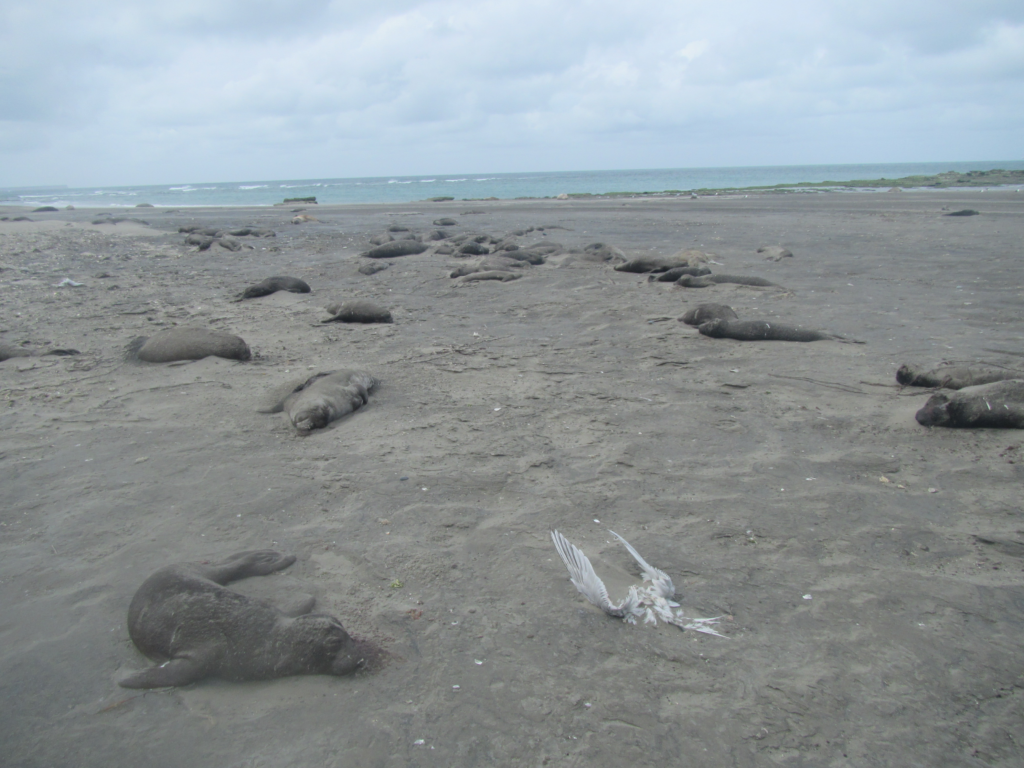
A beach full of dead sea lions is not a wildlife footnote. It’s a balance sheet written in bodies.
When breeding adults die, next year’s population shrinks before the season starts. When carcasses pile up, beaches close and tourist towns lose income.
When predators and scavengers vanish, food webs wobble. Fishing communities then work in coastal waters that feel less stable and less predictable.
Every fresh spillover also chips away at public trust in food systems. If outbreaks keep jumping species, “business as usual” starts sounding like a slogan for denial.
The chain reaction in coastal ecosystems
Coastal ecosystems are built on crowding. Birds nest shoulder to shoulder. Seals haul out in dense groups. Carcasses attract scavengers. Tides move contamination around. Once H5N1 reaches that kind of setting, the coast can act like a multiplier.
Why seabirds are easy targets when colonies gather
Seabirds are easy targets because their social life is also their exposure route. Gulls, pelicans, cormorants, terns, and other colonial birds share nesting ledges, roosts, and feeding grounds. One infected bird can bring secretions, faeces, or a corpse into the middle of thousands.
Migration makes the map larger. A 2026 Nature paper on Antarctica spread found multiple introductions of highly pathogenic avian influenza into Antarctica from South America. Remote places aren’t protected by distance alone. If infected birds can reach them, the virus can too.
That matters because seabird colonies are not random dots on a map. They are breeding engines. Knock out a colony, and the loss travels forward in time.
How marine mammals become caught in the spillover
Marine mammals don’t need to become birds to get trapped in this. They haul out on the same shores, investigate dead birds, and may consume infected prey. In dense colonies, close contact can do the rest.
The symptoms seen in wildlife cases are brutal: breathing trouble, tremors, disorientation, nervous system damage, and death. In sea lions and seals, whole groups can collapse fast once spillover lands. Panic isn’t useful here. Mechanics are. Shared space, shared food, shared exposure, that’s how a shoreline becomes a transmission corridor.
The real cost of these die-offs is bigger than headlines
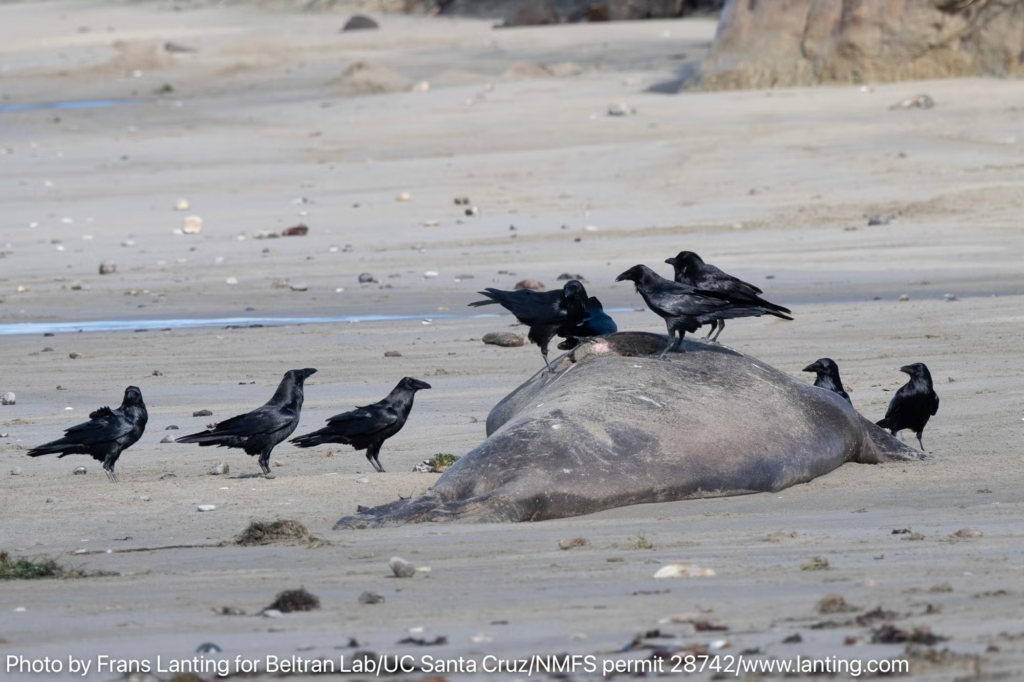
Headlines love shock. They struggle with accounting. The harder truth is that these die-offs are a lagging indicator of a system built to hide costs.
What repeated outbreaks do to biodiversity and recovery
Repeated outbreaks don’t merely reduce numbers. They remove breeding adults, orphan young, and weaken a population’s ability to recover after the next hit.
South America has already taken huge losses, and 2026 cases have continued to damage marine mammal groups, including new deaths in California elephant seals and California sea lions.
A UC Davis review of sea lion losses cites at least 36,000 South American sea lions, 17,400 southern elephant seals, and 1,000 South American fur seals killed across parts of South America.
Biodiversity is not decor. It is operating capacity for a living coast.
Once repeated mortality becomes normal, recovery stops being a given. It becomes a gamble.
Why this is a warning about our food system, not just wildlife health
This is where radical accountability begins. Dense industrial animal systems are efficient in the same way overloaded servers are efficient, right up to the crash. Pathogens love efficiency theatre.
High stocking density gives viruses volume. Global trade and wild bird overlap give them routes. Wildlife pays first because wildlife has no lobby.
Then coastal economies pay. Then taxpayers pay. The margin stays private, while the damage goes public.
That is a textbook externality. Leaders who ignore it are choosing short-term convenience over long-term stability.
If your ethics stop at the balance sheet, they were never ethics. They were branding.
Conclusion
Beaches tell the truth faster than press releases. When birds, seals, and sea lions die at this scale, the problem isn’t bad luck. It’s a brittle system that keeps hiding costs until they wash ashore.
Accountability means refusing the split between public values and private consumption. Your plate, your portfolio, and your vote all count.
If you want leadership that matches climate logic, animal ethics, and plain operational sense, Join the Better Human Project.
2026 doesn’t need softer language. It needs fewer excuses.