How the Illegal Charcoal Trade Destroys Old-Growth Forests
 Saket Sambhav
A bag of charcoal can look harmless. Black lumps, cooking fuel, everyday trade. But the illegal charcoal trade is often the final product of theft, forest destruction, forged papers, and a supply chain built to hide damage in plain sight.
That matters now because old-growth forests are not spare inventory. They are carbon banks, water regulators, wildlife habitat, and living infrastructure for the communities around them. When they are cut for charcoal, you do not get a neat swap with “replanting” later. You get a long ecological debt.
If you care about climate, ethics, or honest business, this trade deserves a hard look.
Why old-growth forests are the perfect target for illegal charcoal makers
What makes an old-growth forest different from a younger one
Old-growth forest is not just “a lot of trees”. It is a system that took centuries to build. The canopy is layered, the soil is rich, deadwood feeds life, and wildlife depends on that complexity.
That is why a plantation is not a replacement. A younger forest may grow fast, but it does not quickly recover the same carbon storage, habitat value, or water balance. Mature forests are among the best natural carbon stores on Earth.
Cut them, burn them, and that stored CO2 moves into the air far faster than the forest can rebuild.
Why charcoal production often starts with illegal logging
Illegal charcoal makers do not start with scrub when dense hardwood is available. Old trees make longer-burning, higher-value charcoal. In criminal markets, better burn time means better margins.
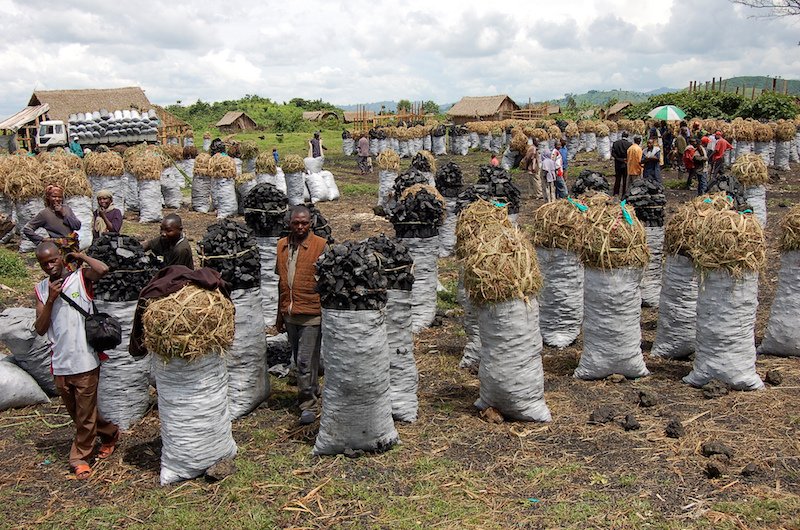
The chain is blunt. Trees are felled, stacked, carbonised in earth or mud kilns, bagged, and sold as if the forest were free raw material. It isn’t.
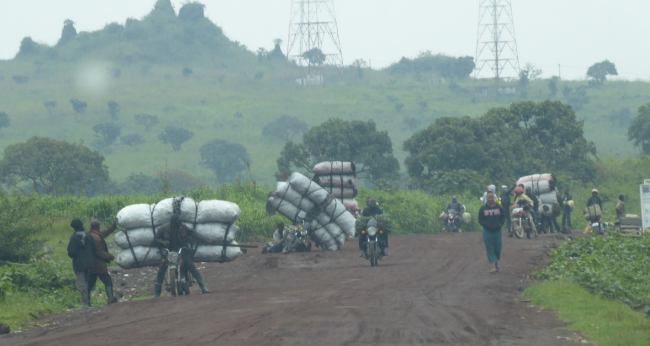
Photo: Daan van Uhm
A field report on Eastern DRC’s illegal charcoal trade estimated that roughly 1.3 million sacks were being removed illegally from the Virunga region each year. That is not cottage industry. That is extraction with a soot-covered invoice.
How the illegal charcoal supply chain works from forest to market
The people and profits behind the trade
If you run a business, you already know what happens when traceability collapses. Fraud moves in. The charcoal trade works because each step is cheap, fragmented, and easy to deny.
Loggers cut. Kiln operators burn. Porters and drivers move sacks through back routes or mixed cargo. Traders clean up the story with false declarations, tax avoidance, or vague sourcing claims.
By the time the charcoal reaches a town or border market, the forest crime is buried under layers of small transactions.
The biggest profits usually sit far from the stump.
Why weak enforcement lets the trade spread
This is where governance failure becomes market design. If forests are poorly mapped, land rights are disputed, and patrol teams are underfunded, illegal charcoal starts to look like normal commerce.
As of 2026, the trade is still active across Somalia and parts of Central and East Africa, even where bans exist. Demand remains high. Enforcement does not.
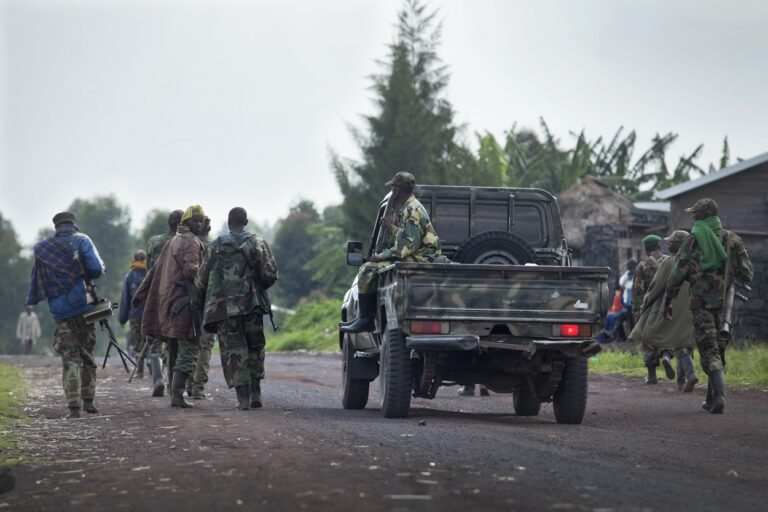
In some places, armed groups have taxed or profited from charcoal routes for years. The Global Initiative analysis of eastern DRC shows how violence, corruption, and weak due diligence keep timber and charcoal moving.
When the product blends into informal markets, the law starts chasing smoke.
The real damage goes far beyond lost trees
Why burning old-growth wood makes climate change worse
Old-growth trees store carbon over long timescales, in trunks, roots, surrounding soils, and the wider forest system.
Charcoal production breaks that storage twice. First, the forest is cut. Then much of that biomass is burned during carbonisation and later at the point of use.
You lose one of the planet’s best natural climate defences and add more heat-trapping gas at the same time.
Recovery is too slow to close that gap. A sapling cannot pay back a centuries-old carbon debt on any timeline that helps a warming planet.
How forest loss hits wildlife, water, and local livelihoods
Once canopy cover goes, the damage spreads.
- Soil dries and erodes.
- Streams warm and clog with sediment.
- Local temperatures rise.
- Rainfall patterns become less stable.
- Forest-edge farming gets harder, not easier.
- Wildlife loses breeding ground, shelter, and food.
- People lose shade, clean water, medicine plants, fuelwood options, and income tied to living forests.
In Virunga, an Enough Project report on the charcoal syndicate described how high-density wood creates premium charcoal and cross-border smuggling into Uganda and Rwanda. That is the ugly logic of the trade.
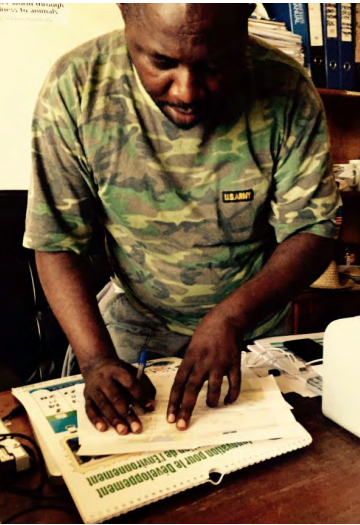
grew up in Virunga, in his office in Goma, using hand-drawn
maps to explain charcoal trafficking routes in and around
Virunga National Park. Photo: Holly Dranginis / Enough
Project
The better the forest, the more money someone makes by wrecking it.
Cheap charcoal is often expensive in the only ledger that matters, the ecological one.
What actually helps stop the charcoal trade
The policies and business rules that make a difference
Nice speeches do not stop illegal supply chains. Traceability does. So do import checks, verified legal sourcing, serious penalties, and public data that can be audited.
If charcoal or timber enters a market without clean origin records, it should be treated as suspect, not shrugged through.
Community land rights matter as much as enforcement. Forests are harder to steal when local people have recognised control, legal backing, and a stake in protection.
Better satellite monitoring helps too, but data without prosecution is only a map of failure.
What readers, founders, and consumers can do next
Ask dull questions. They are often the best ones.
Where did this fuel come from? Who verified it? What forest paid for it? If a supplier cannot answer, THAT is the answer.
Support organisations that defend forests and local rights. Back cleaner energy options where you can.
And if you are building a company, do not hide behind outsourced harm. Efficiency that depends on stolen ecosystems is not efficiency. It is theft with tidy branding.
Conclusion
The charcoal trade is not a side issue. It is a supply-chain crime that burns through old-growth forests, carbon storage, and the future stability of whole regions.
That is why this is bigger than fuel choice. It is about what kind of economy we accept, one that prices the bag and ignores the forest, or one that counts the real cost.
If you want your ethics, your work, and your climate politics to stop contradicting each other, Join the Better Human Project. In 2026, anything less is performance without accountability.