Nighttime Heat in Indian Cities Is a Health Emergency
 TBH Editorial
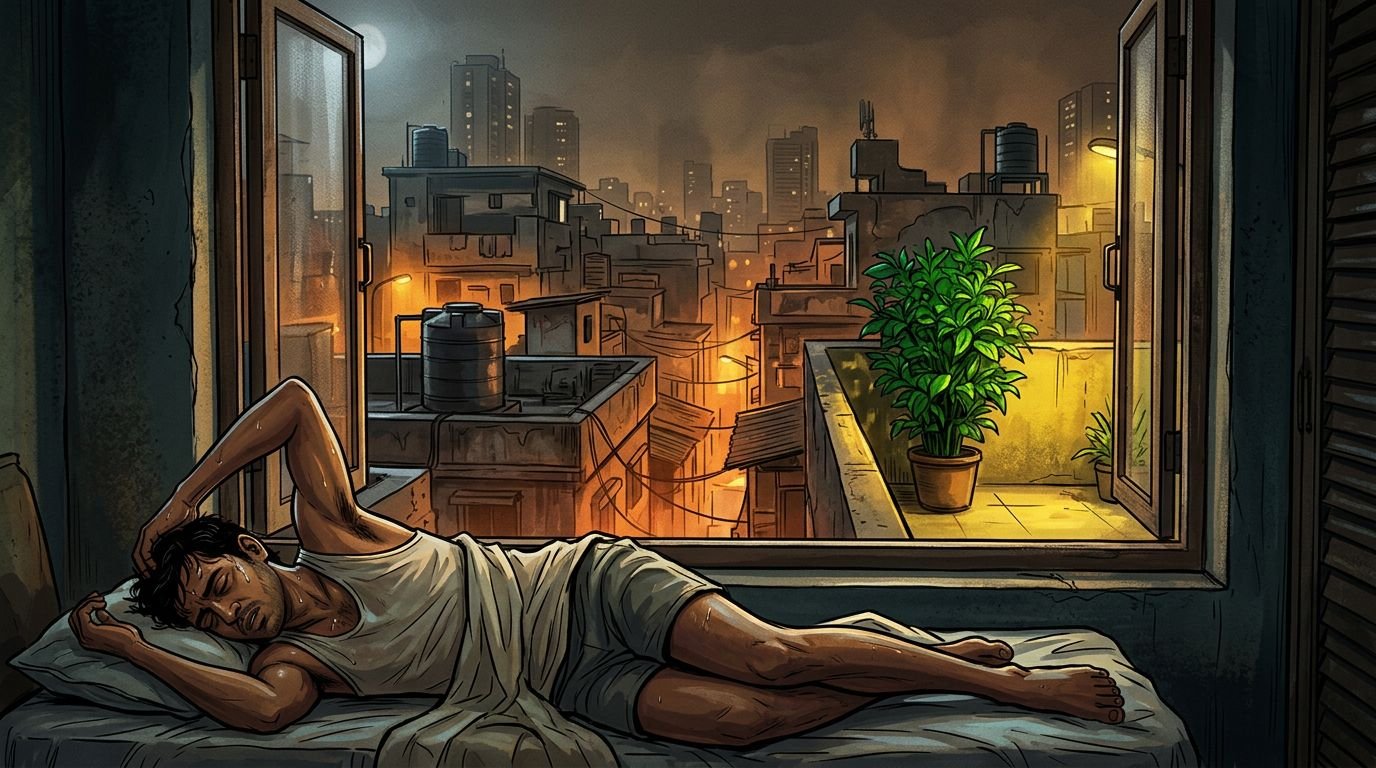
At 2 a.m., heat can turn a bedroom into the most dangerous room in the house. You have finished the day, but your heart, kidneys, and brain are still working overtime to shed heat.
When nighttime heat in Indian cities refuses to fall, sleep is not recovery. It is another stretch of exposure, especially during heat waves, and that burden lands hardest on people in top-floor rentals, informal homes, and neighbourhoods short on shade and reliable power.
This is not a minor comfort issue or an excuse to buy another gadget. It is a public health warning that asks a harder question: why have we built homes and streets that keep people hot after sunset? We need household care, yes. We also need cities to stop storing the day’s damage as the climate crisis deepens.
Key Takeaways
- Nighttime heat in Indian cities can keep the heart, kidneys and brain under strain because concrete, asphalt and dense buildings release stored warmth after sunset.
- Hot, humid bedrooms disrupt sleep, slow the body’s normal nighttime cooling and increase risks for dehydration, cardiovascular strain and worsening chronic conditions.
- Infants, older adults, pregnant people, people with chronic illness, night-shift staff and outdoor workers need extra protection, especially in top-floor, crowded or poorly ventilated homes.
- Keep sun-facing openings closed during the day, ventilate when outdoor air is cooler and safe, use fans to move air, stay hydrated and share a cooler space when needed.
- Personal coping cannot replace public action: cities need cool roofs, shade, reliable power, drinking water, night cooling spaces and ward-level plans that address indoor heat exposure.
Why nighttime heat in Indian cities doesn’t disappear after sunset
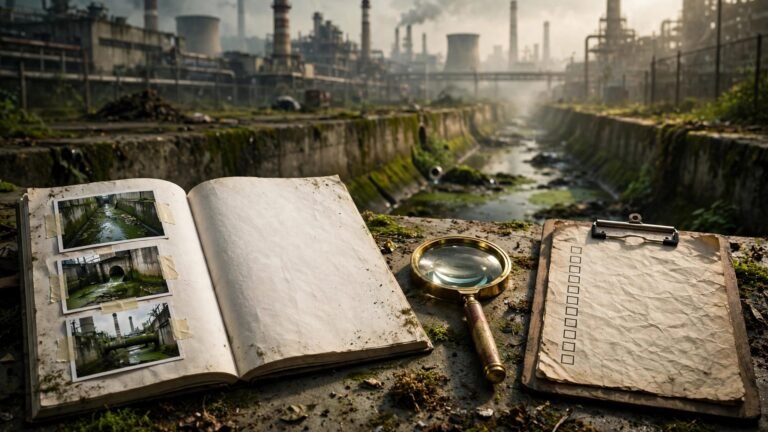
Sunset cools open land faster than a dense block of concrete. In a built-up neighbourhood, walls, roofs, roads, vehicles and paved parking areas release stored warmth slowly. This is the urban heat island effect, and it becomes cruelest when a person has nowhere else to sleep.
Concrete keeps the day’s heat
Dark roofs and asphalt absorb solar energy for hours. They release that stored heat after sunset, keeping body temperature elevated indoors.
Narrow streets can limit air movement. Tall buildings may shade a road by day, then keep warmth and exhaust near ground level at night.
Add fewer trees, covered soil, lost ponds and waste heat from traffic or cooling equipment, and the local temperature can stay high long after the sun has gone.
That is why a citywide forecast can miss the street-level reality. Two homes in the same ward may have very different indoor heat exposure because their sleeping environment differs. One may have a shaded roof and cross-ventilation; the other may have bare concrete, a western wall and one sealed window.
Humidity makes a warm night harder
Your body loses heat partly when sweat evaporates. High humidity slows that process. A fan moves air and can make skin feel better, but it cannot magically remove moisture or heat from a closed room.
Watch the IMD’s heat and humidity warnings, not only the maximum temperature. A humid night can feel punishing even after the number on the forecast has dropped.
A hot night after a hot day creates cumulative thermal stress. The body has not reset merely because the clock says midnight.
Hot sleep puts the body under pressure
Poor sleep quality is the first visible wound. The more serious strain is less obvious.
Sleep is not optional recovery
To settle into sleep, the body needs to release heat and let body temperature fall. A hot, humid bedroom disrupts that process, preventing the normal nighttime fall in core temperature. You may toss, wake early, or wake with a pounding head and still call it a bad night.
Repeated sleep disruption affects concentration, mood and work safety. For a delivery rider, nurse or construction worker, it can also mean returning to a hot day without the physical recovery their job demands.
The heart, kidneys and brain carry the load
Prolonged thermal stress increases sweating and dehydration. If a clinician hasn’t restricted your fluids, stay hydrated as sweating increases. The heart works harder to move blood to the skin, increasing cardiovascular strain. Kidneys have less room for error when fluid is low, especially for older adults and people taking medicines that affect hydration or blood pressure.
Heat can worsen existing heart disease, lung conditions, kidney problems, and mental-health conditions, though not every hot night causes organ damage.
Hot flashes and night sweats can overlap with a hot sleeping environment or menopause-related symptoms. Recurrent hot flashes and night sweats aren’t, by themselves, proof of heat stroke. New or severe hot flashes accompanied by confusion, fainting, chest pain, seizures, or breathlessness need urgent assessment. Breathable bedding may improve comfort, but it can’t treat dangerous overheating.
Don’t turn every restless night into a diagnosis. During extreme heat, confusion, fainting, seizures, chest pain, worsening breathlessness, or hot skin with altered behavior are urgent signs. Move the person to a cooler place, begin cooling, and call 112 for emergency help.
The people asked to endure the most
Heat is not equal because housing, work schedules, income and power access are not equal. Vulnerable populations face greater risk because protection is uneven, not because of individual weakness.
Vulnerability is built into housing and work
Infants, older adults, pregnant people and people with chronic illness need extra protection. So do night-shift staff, outdoor workers and anyone taking medicines that affect hydration or heat response. The Lancet Countdown’s heat and health findings show why age remains central to heat risk. People with heart disease or kidney problems may also need proactive check-ins.
Menopause-related hot flashes and night sweats can worsen sleep and symptom burden when a room stays hot. Heat can make hot flashes harder to manage, while persistent or unusual symptoms still deserve medical attention.
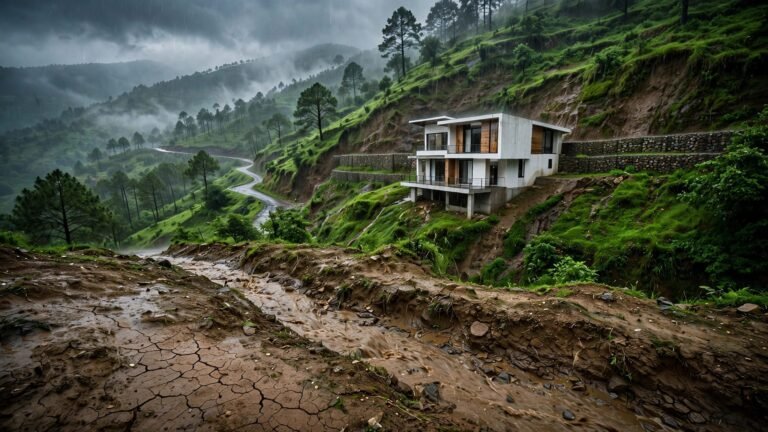
Now look at the room. A tin roof, top-floor slab, no cross-ventilation, a crowded household and a power cut can turn indoor heat exposure into a dangerous load. A person who sells vegetables or directs traffic all day may reach that room already dehydrated. Telling them to “sleep cooler” is no plan.
Make a night-time support plan
Check on someone before the room becomes an emergency, not after. Families and neighbours can agree on a cooler nearby room, a building with backup power, or a community space that stays open through a heat alert.
Employers need late-shift water, rest, transport and a humane workload. They should move outdoor workers to safer shift times when possible.
The climate crisis is intensifying these inequities. Local alerts should name warm nights, humidity and the places people can cool down. Heat action plans that only react at noon leave a huge gap between what a forecast says and what a body survives.
Systemic change is ordinary public health work. It means a working helpline, an open clinic, safe electricity and accessible drinking water. Staff must recognize heat stroke and know when to escalate care.
Cool the room without pretending the burden is yours
Nighttime heat is not a personal failure to manage. Air conditioning can protect health when it is available and reliable, but millions need safer options tonight, not a lecture about buying equipment. Reducing indoor heat exposure also depends on energy access and building design.
Block heat early, release it when conditions allow
The low-cost sequence matters. Keep sun-facing curtains, shutters and windows closed during the day, and limit heat from cooking where possible. After sunset, open opposite windows or a door-window pair if outdoor air is cooler and safe, then use a fan to move that air and help lower body temperature.
Use loose, breathable clothing and breathable bedding, choosing natural fibers when practical. Sip water through the evening to stay hydrated, but don’t wait until you feel parched. Cool showers can offer comfort. If the room remains hot, a cooler shared room may be safer than sleeping alone behind a closed door, while supporting core temperature regulation and sleep quality.
Everyday mindfulness means noticing the sleeping environment: which wall burns at 9 p.m., when power fails, where air stops moving, and who is not sleeping. A cooler, ventilated room may reduce discomfort from hot flashes. These details turn vague discomfort into a request a landlord, employer or ward office cannot dismiss.
Spend on the building before another gadget
A reflective or cool roof coating can cut roof heat gain. Roof insulation, external shade, ventilated roof spaces, light-colored surfaces and repaired windows also help. Tenants should ask about roof exposure, electrical load for fans and air conditioning, window openings, and access to backup power before signing, especially on a top floor.
Don’t confuse a fan with ventilation. It moves existing air. If the room has no route for hot air to leave, the repair belongs in the building, not in a tenant’s self-discipline.
A cooler night needs a cooler city
Personal care cannot repair a sealed rental room, a stripped lakebed or a road that holds heat like a skillet. Nighttime heat needs a 24-hour public health response, with maps showing indoor risk rather than a single afternoon number.
Fund shade, roofs and air movement where need is greatest
City budgets should start with the blocks where people have the least choice: informal settlements, worker housing, public clinics, schools, bus stops and markets. During heat waves, cooling support should prioritize outdoor workers, older adults and people with heart disease facing extreme heat. Heat plans should fund cool roofs, shaded walkways, drinking-water points and night cooling shelters. They should also guarantee reliable power, including equitable air conditioning in public facilities.
The CEEW heat-risk mapping covers 734 districts across 35 hazard, exposure and vulnerability indicators. That scale matters. Still, cities need ward-level audits of roof materials, tree canopy, rental conditions, water access and night temperatures to identify indoor heat exposure.
A circular economy worth the name would support repairable fans and cooling equipment, recover building materials safely and retrofit homes instead of pushing families into hotter, throwaway rooms. Sustainable business models should respond to the climate crisis by paying for safe housing performance, not profiting from heat trapped behind a lease.
Protect living systems, not photo opportunities
Native canopy, open soil, seasonal wetlands and connected green spaces should be central to climate change planning. They cool streets through shade and evapotranspiration, support urban biodiversity and help absorb floodwater. Filling a pond or cementing tree roots creates an ecological impact that returns as hotter nights and harder floods.
Read why trees alone cannot solve urban heat before treating a plantation drive as a finished plan. Species, soil volume, water, survival checks and where shade reaches people all matter.
Climate literacy means seeing those links. Plant-based living, public transport and lower-waste habits can reduce wider emissions, but they do not cool a sealed room tonight. That is why heat policy must hold builders, utilities, employers and city agencies accountable.
Frequently Asked Questions
Why can a hot night be dangerous even after the sun has set?
Concrete, roofs, roads and other urban surfaces store heat during the day and release it slowly overnight. High humidity also limits sweat evaporation, so the body may remain under thermal stress instead of recovering through sleep.
Who faces the greatest risk from nighttime heat?
Infants, older adults, pregnant people and those with heart, lung, kidney or mental-health conditions need extra protection. Night-shift staff, outdoor workers and people living in crowded, top-floor or poorly ventilated homes may also begin the night already dehydrated or overheated.
What can I do to make a bedroom safer during a hot night?
Close sun-facing curtains, shutters and windows during the day, then open opposite windows or a door-window pair after sunset if outdoor air is cooler and safe. Use a fan to move air, wear loose breathable clothing, drink water through the evening and consider a cooler shared room if the bedroom remains dangerously hot.
Is a fan enough to cool a hot room?
A fan moves air and can help sweat evaporate, but it does not remove heat or humidity from a sealed room. If hot air has no route to leave, the safer long-term solution is better ventilation, shading, insulation or other building improvements.
When does nighttime heat become an emergency?
Confusion, fainting, seizures, chest pain, worsening breathlessness or hot skin with altered behaviour are urgent warning signs. Move the person to a cooler place, begin cooling and call 112 for emergency help.
The Standard Is a Night Where People Can Recover
Nobody should have to choose between a power bill and a bedroom that feels like a furnace. The climate crisis makes the right to recover at night a matter of climate resilience and public accountability. Hot nights are shaped by buildings, labour, greenery, water and public decisions, not private endurance.
Start with the person nearby: check on them, share a cooler space, and listen when the room is unbearable. Then demand more than symbolic tree planting or one-off heat alerts.
Want to put climate literacy and urban biodiversity into grounded work? Explore Our Active Missions and support action that protects the living systems people depend on.