How Shrimp Farms Can Salinize India’s Coastal Groundwater
 TBH Editorial
A shrimp pond can look harmless from the road. Blue water, neat bunds, a few pumps, and a business that promises jobs in a place where work is often scarce.
But coastal groundwater is not a separate tank beneath the village. When brackish water leaks, drains badly, or is pumped without care, the salt can move into wells, fields, and homes. Shrimp farming groundwater salinity is not an abstract environmental concern. It can decide whether a family can drink from its borewell or grow food on its land.
The real question is not whether shrimp farming should exist. It is whether its costs are being pushed onto communities with the least power to refuse them.
Key Takeaways
- Shrimp ponds can raise groundwater salinity when brackish water seeps through pond beds, canals, and damaged bunds.
- Coastal aquifers are already fragile because freshwater and seawater sit close together underground.
- Salty groundwater can damage drinking-water access, soil fertility, and local livelihoods long after a farm changes hands.
- Better regulation needs monitoring wells, transparent records, safe drainage, and real penalties for repeat damage.
- Consumers, businesses, and coastal communities all have a role, but Systemic change matters most.
Coastal groundwater is easier to damage than it looks
Freshwater beneath a coastal village often sits above or beside denser seawater. Think of it less like a giant underground lake and more like a delicate lens held in place by rain, soil, and pressure.
When too much freshwater is pumped out, seawater can move inland. When brackish water is added from above, through shrimp ponds or discharge channels, the freshwater lens can become saltier too. Once that happens, recovery can take years. In some places, it may take far longer than the business cycle of one farm.
India’s shrimp aquaculture is concentrated along coastal Andhra Pradesh, Tamil Nadu, Odisha, West Bengal, Gujarat, Kerala, and parts of Goa and Karnataka. These are not empty stretches of land. They are working coastlines with farms, fishing communities, wetlands, homes, schools, and shallow wells.
That overlap is where the trouble begins.
A shrimp farm needs saline or brackish water. In carefully selected sites with proper liners, drainage, monitoring, and treatment, the risk can be reduced. But reduced is not erased. Where ponds are poorly built, expanded too quickly, or placed near freshwater-dependent communities, salt has a path underground.
A coastal aquifer does not care whether salt arrived through the sea, a pond, or a drainage channel. It only responds to pressure, seepage, and time.
The visible pond is only one part of the system. Intake canals, discharge channels, borewells, pumping schedules, soil type, and monsoon patterns all decide what happens next.
How shrimp ponds push salt into wells and soil
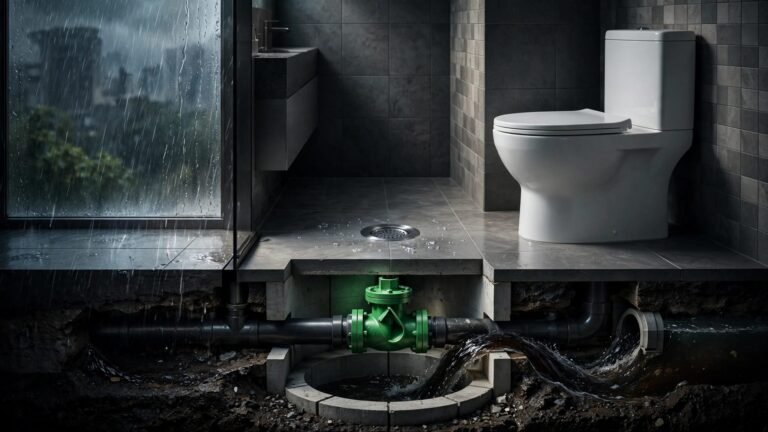
The main route is seepage. Earthen ponds can lose water through their base and sides, particularly where soils are sandy, cracked, or poorly compacted. That water carries dissolved salts with it.
A pond liner can help, but liners are not magic. They can tear, age, shift, or be skipped because they add upfront cost. A farm that cuts corners may look profitable in its first season. The village may pay for it later.
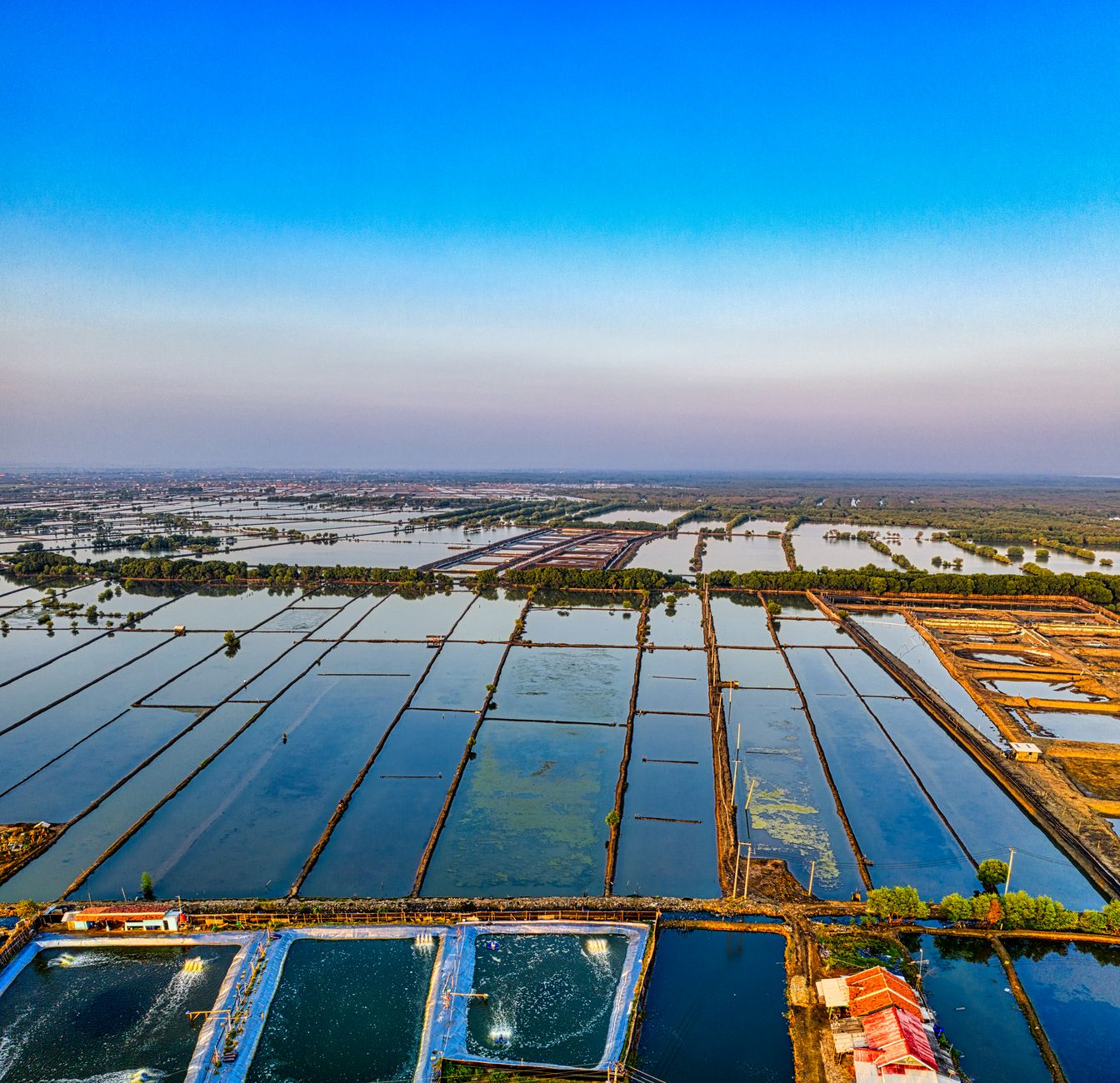
Photo by Tom Fisk
These are the common ways salinity spreads:
| Route | What happens | Who feels it first |
|---|---|---|
| Pond seepage | Brackish water moves through soil below ponds | Nearby shallow wells and farm plots |
| Saline discharge | Effluent enters drains, creeks, or low-lying land | Households and farmers downstream |
| Excess groundwater pumping | Freshwater pressure falls and seawater moves inland | Villages relying on borewells |
| Broken bunds and flooding | Pond water spills during heavy rain or storm surge | Adjacent fields, wetlands, and homes |
| Poorly managed canals | Salty water leaks along intake and outlet routes | Landowners beside the channel |
Salinization also harms land above ground. Crops struggle when salts accumulate around roots. Soil becomes harder to work. Water uptake falls even when the field looks wet. Farmers may respond with more irrigation, which can pull even more salt into the root zone.
That is a cruel loop. A shrimp farm may create income for one operator while a rice farmer nearby watches yields drop, season after season.
The ecological impact reaches beyond farms and wells. Salt changes soil microbes, affects freshwater vegetation, and puts pressure on ponds and marshes that support birds, fish, insects, and small wildlife. Coastal wetlands are not spare land. They are living buffers against floods and storms.
The damage is not shared equally
When a borewell turns brackish, wealthier households can buy tankered water, install treatment systems, or drill deeper. A fishing family, tenant farmer, or daily-wage worker often cannot.
Women and children usually carry the heaviest daily burden. They are the ones who notice first that water tastes bitter, leaves a crust on pots, irritates skin, or no longer cooks rice properly. Then comes the long walk, the extra expense, the argument over whose water can be used.
I think this is where many environmental debates lose their honesty. We talk about “production” and “exports” while treating drinking water as a side issue. It isn’t. Safe water is the floor beneath health, dignity, and local food security.
Salinity also reshapes work. A farmer may abandon a damaged plot. A household may spend money on water instead of school fees. Fishers can lose access when creeks are blocked or altered. Informal workers may be left with the most dangerous jobs around ponds, pumps, chemicals, and waste.
This is why shrimp aquaculture cannot be judged only by export volume or farm-gate revenue. The balance sheet has to include the groundwater beneath neighboring homes.
It also has to include urban biodiversity where coastal cities and expanding settlements meet aquaculture zones. Birds, mangroves, tidal creeks, and shallow marshes do not fit neatly into an industrial site plan. Yet they absorb floodwater, shelter juvenile fish, and hold coastal ecosystems together.
A shrimp pond is not automatically destructive. But a business model that takes clean water, damages land, and leaves residents to buy drinking water is not development. It is cost shifting.
Monitoring cannot stop at the farm gate
India’s Coastal Aquaculture Authority regulates registered coastal aquaculture farms under the Coastal Aquaculture Authority Act. That matters. So do environmental permissions, water rules, and coastal zoning.
Still, paperwork alone cannot tell a family whether their well is becoming saline.
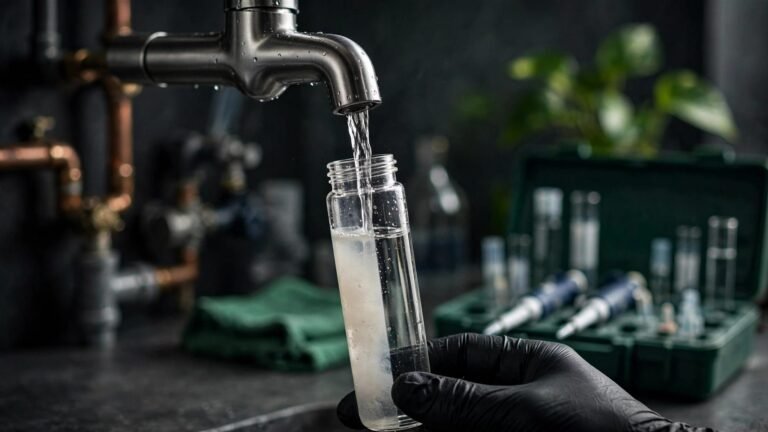
Real oversight needs baseline data before a pond opens. What was the groundwater’s electrical conductivity? What was the chloride level? How deep was the freshwater lens? Without that record, damage becomes easy to deny.
A serious monitoring system would include:
- Groundwater test wells inside and outside farming clusters.
- Public results for salinity, chlorides, and water levels.
- Regular inspection of pond liners, bunds, canals, and discharge points.
- Clear responsibility for restoring damaged water sources.
- Strong action against unregistered farms and illegal expansion.
The hard part is enforcement. Local agencies may be understaffed. Testing may happen only after residents complain. A farm can close, rename itself, or change ownership while the salt stays in the ground.
That is why monitoring has to follow the water, not the company file.
Communities also deserve a seat before approvals are granted. Public hearings should not be a box to tick after decisions are already made. Fishers, farmers, women’s groups, and people who use shallow wells know where water moves. Their knowledge is data, even when it arrives as a simple sentence: “This well was sweet before the ponds came.”
Better shrimp farming means changing the economics
The answer is not a performative boycott or a claim that every coastal farmer is the villain. Many small operators are caught in the same pressure system. They face volatile prices, disease outbreaks, feed costs, and buyers who demand cheap shrimp without asking how it was produced.
But we cannot hide behind complexity either. Sustainable business models must pay for the full cost of safe farming.
That means choosing sites away from freshwater-dependent villages and ecologically sensitive wetlands. It means lined ponds where conditions require them, separate effluent systems, better biosecurity, and water testing that communities can see. It also means buyers paying enough for farms to meet those standards.
A circular economy can help at the edges, through responsible handling of feed bags, equipment, sludge, and processing waste. But recycling plastic sacks will not repair a salty aquifer. The first job is preventing contamination.
Consumer choices matter, though they are not the whole answer. People moving toward plant-based living can reduce dependence on intensive animal-food supply chains. Others may still choose seafood. In that case, ask harder questions about traceability, farm location, water management, and labor conditions.
Everyday mindfulness is useful when it leads somewhere real. Notice where seafood comes from. Notice when a coastal project talks only about jobs and never about wells. Notice when “sustainable” has no water data behind it.
That small habit builds climate literacy. It helps us see that a plate of shrimp is connected to groundwater, land rights, public health, and the future of a coast.
For people who want to support work rooted in local accountability, Explore Our Active Missions and see how community action can protect climate, habitat, and human dignity together.
Coastal water needs accountability, not slogans
Shrimp farming can bring income to coastal India. It can also leave salt in groundwater long after the harvest is gone. Both things can be true, and pretending otherwise helps nobody.
The strongest safeguard is Systemic change that makes pollution expensive for operators, makes water data public, and gives coastal communities real power before damage begins.
A pond may sit behind a bund. Its consequences do not.