

The Hidden Carbon Footprint of Your Phone
 Saket Sambhav
Your phone looks harmless. It’s small, sleek, and runs on a charger that barely dents your electricity bill. That illusion is the problem.
Most of a phone’s climate damage happens before you switch it on. The real cost sits in mining, manufacturing, shipping, charging, and disposal.
Upgrade less often, and you’re not only saving money, you’re making a climate decision.
The hidden carbon footprint of a phone starts long before you switch it on
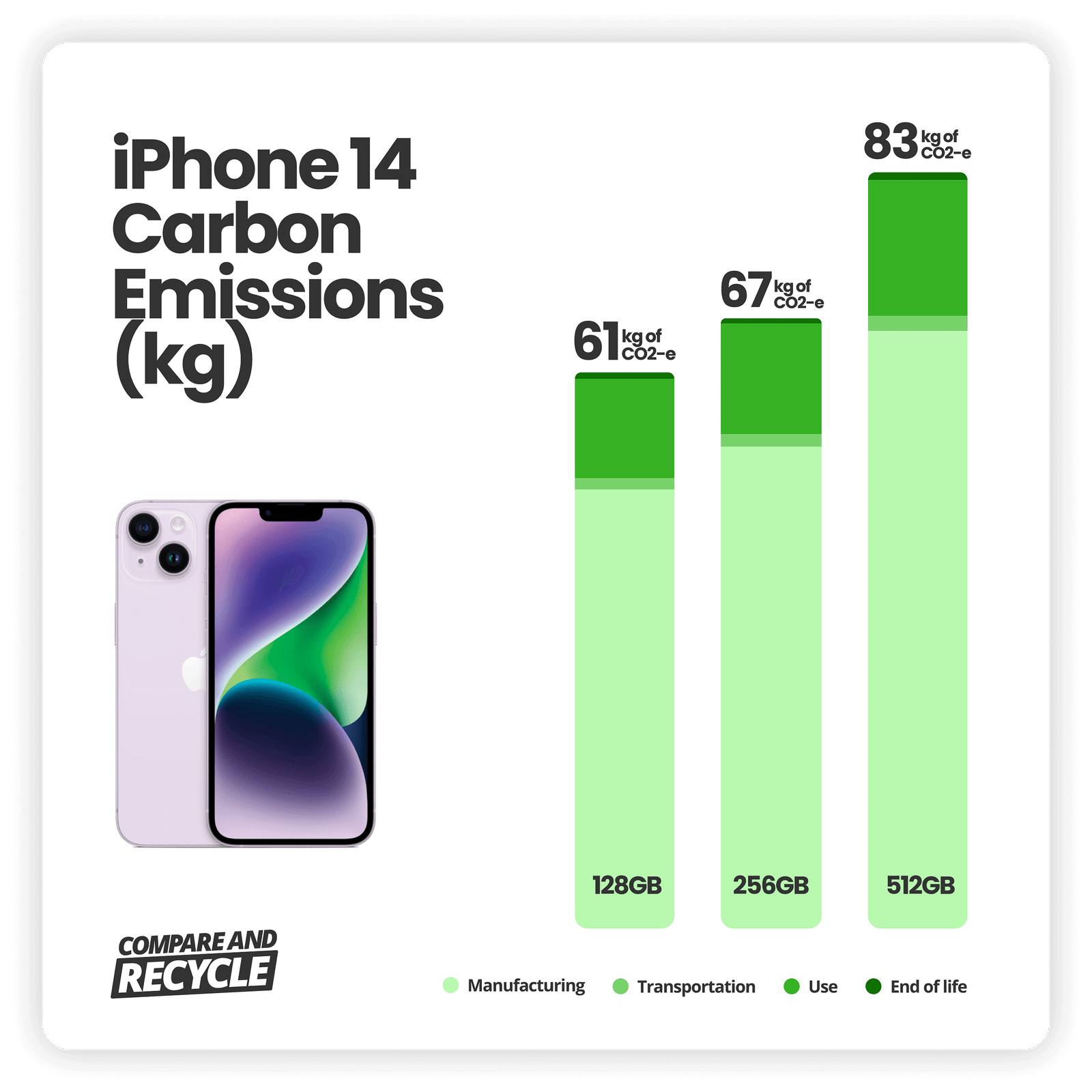
A phone’s carbon footprint is a life-cycle story, not a charging story. Current estimates in 2026 put a smartphone at about 31 to 85 kg of CO2e over its life, with many models landing closer to 50 to 85 kg.
A useful midpoint is about 63 kg CO2e for one new handset.
The ugly part is where those emissions come from. About 80% usually comes from production.
Use accounts for around 15%. Transport is under 5%, and end-of-life processing is tiny by comparison.
Most of your phone’s emissions are locked in before the first charge.
That pattern matters because it kills a popular excuse.
Switching off background apps or using dark mode isn’t bad, but it won’t touch the main problem.
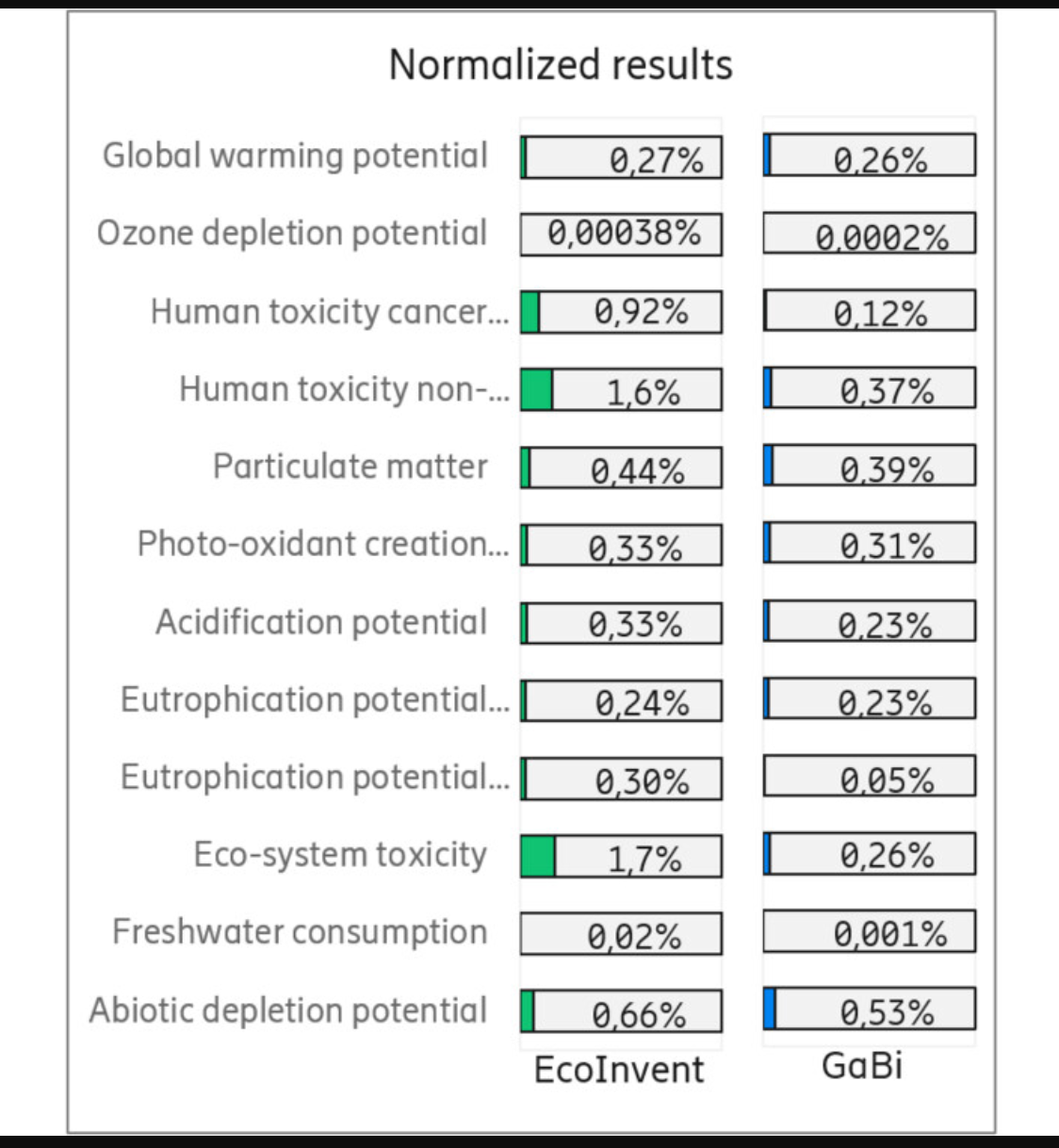
The biggest climate hit comes from making the device in the first place, a point echoed by Ericsson’s life-cycle assessment of a smartphone.
Mining the metals behind every swipe
Every swipe rides on mined material. Phones need copper, gold, lithium, cobalt, nickel, tin, tungsten, rare earth elements, and more.
For a palm-sized object, a smartphone draws from a ridiculous share of the periodic table.
Mining is energy-heavy and water-heavy.
It strips land, creates waste rock, pollutes rivers, and leaves chemical residues that don’t disappear because the finished gadget looks elegant.
A phone is not “just electronics”. It is compressed extraction. The mine is hidden by glass, branding, and a tidy unboxing video.
Why manufacturing and chip production do so much damage
After mining comes the factory stage, which is brutal in its own way. Semiconductors, circuit boards, batteries, and displays all demand energy, heat, purified water, solvents, and complex industrial processes.
Chip fabrication is one of the worst steps.
Clean-room production sounds neat. It isn’t clean in the climate sense. It consumes huge amounts of electricity and generates waste far heavier than the finished phone.
Add global supply chains, multiple assembly stages, packaging, and shipping, and the emissions stack up fast.
A concise summary of those ranges appears in the hidden environmental impact of our smartphones.
Why upgrading every year is a climate habit, not a tech upgrade
Here’s the business truth. In a mature market, growth often comes from faster replacement, not from meeting a new human need.
That is why your perfectly functional phone can start feeling old on schedule.
Planned obsolescence sounds dramatic, but the idea is plain. Products are designed, priced, supported, and marketed in ways that make early replacement more likely.
The environmental cost is then pushed onto everyone else.
Planned obsolescence makes working phones feel outdated
A phone doesn’t need to break to be replaced. It only needs a weaker battery, slower updates, a pricier repair, or a camera that now looks “last year”.
Add branding and social pressure, and a two to three-year replacement cycle starts to feel normal.
That cycle is not normal. It’s expensive, wasteful, and carbon-heavy. If you talk about efficiency in business but swap a working handset for status, your ethics have a supply-chain problem.
The wider environmental impact of your smartphone gets worse every time that replacement window shrinks.
The e-waste problem hiding in your drawer
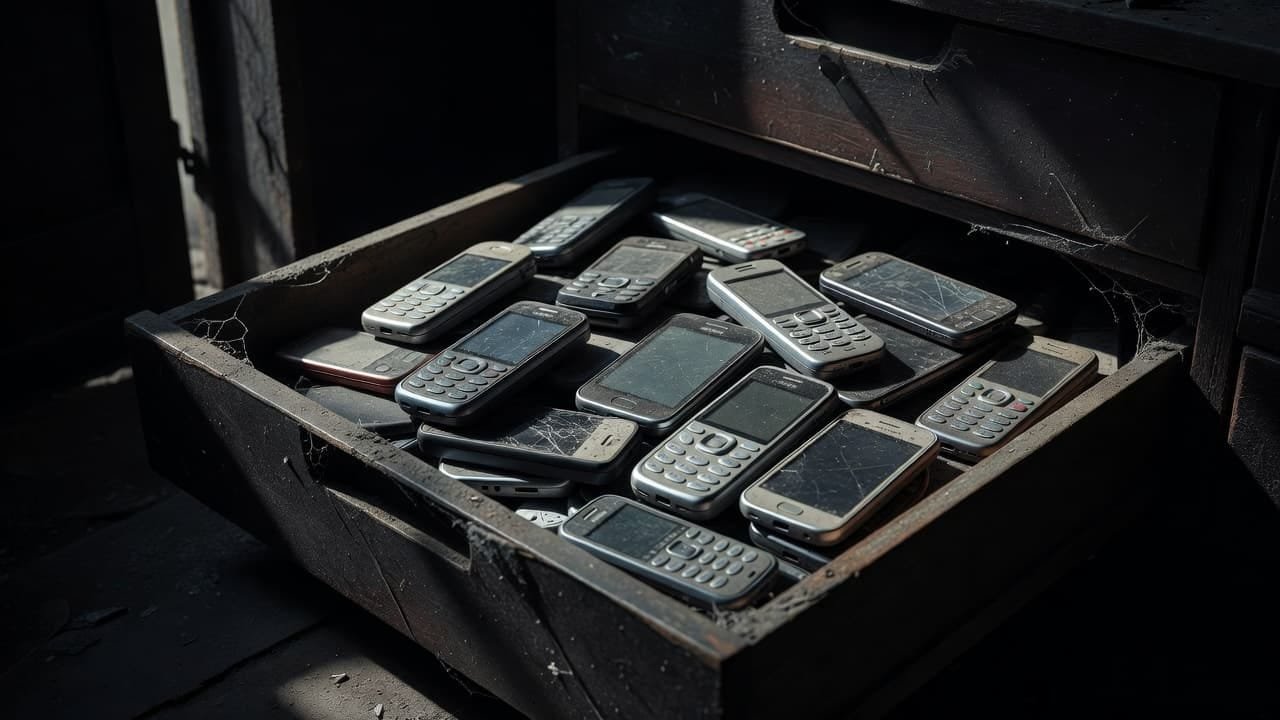
Old phones rarely disappear cleanly. Many end up in drawers, forgotten until the battery swells, the model loses value, or a house move forces a decision.
That drawer is delayed waste.
Phone recycling rates remain low, and small devices are easy to lose from proper collection systems.
When dumped or processed badly, batteries and circuit components can contaminate soil and water.
When stored forever, useful metals stay locked away, which means more mining for the next round of products.
What actually cuts your phone’s carbon footprint the most
The ranking is not glamorous, but it is clear. Use your phone longer. Repair it when you can.
Buy second-hand if you need another one. Recycle it properly only when it is truly finished.
Use it longer, repair it sooner, replace it later
Keeping a phone for one extra year does more than most “green tech tips” combined.
Stretch it to four or five years, and the annual emissions tied to that device fall hard because the production hit is spread over more time.
So replace the battery. Fix the screen. Use a case.
Keep software updates running as long as the manufacturer allows. Treating a phone like durable equipment, not fashion, is not a sacrifice. It’s disciplined consumption.
Buy second-hand, recycle properly, and stop feeding the cycle
If you need a different phone, refurbished is the smart move. It avoids the biggest chunk of emissions because no new device has to be made for you.
Circular use is not trendy language. It’s plain arithmetic.
When a handset reaches the end, use a certified recycler or a maker take-back scheme.
Don’t bin it, don’t forget it, and don’t hand the mess to informal waste streams.
The goal is simple: stop rewarding a system that profits when usable hardware is thrown aside.
Keep the phone, cut the damage
The dirtiest part of a smartphone is rarely the charge in your hand. It is the extraction, manufacturing, and replacement machine behind it.
Radical accountability starts there.
If your public values include climate action, your private upgrade habits count.
Keep devices longer. Repair earlier. Replace later.
If you want your ethics and performance to stop pulling in opposite directions, Join the Better Human Project.