
Why Waste-to-Energy in India Struggles With Mixed Waste
 TBH Editorial
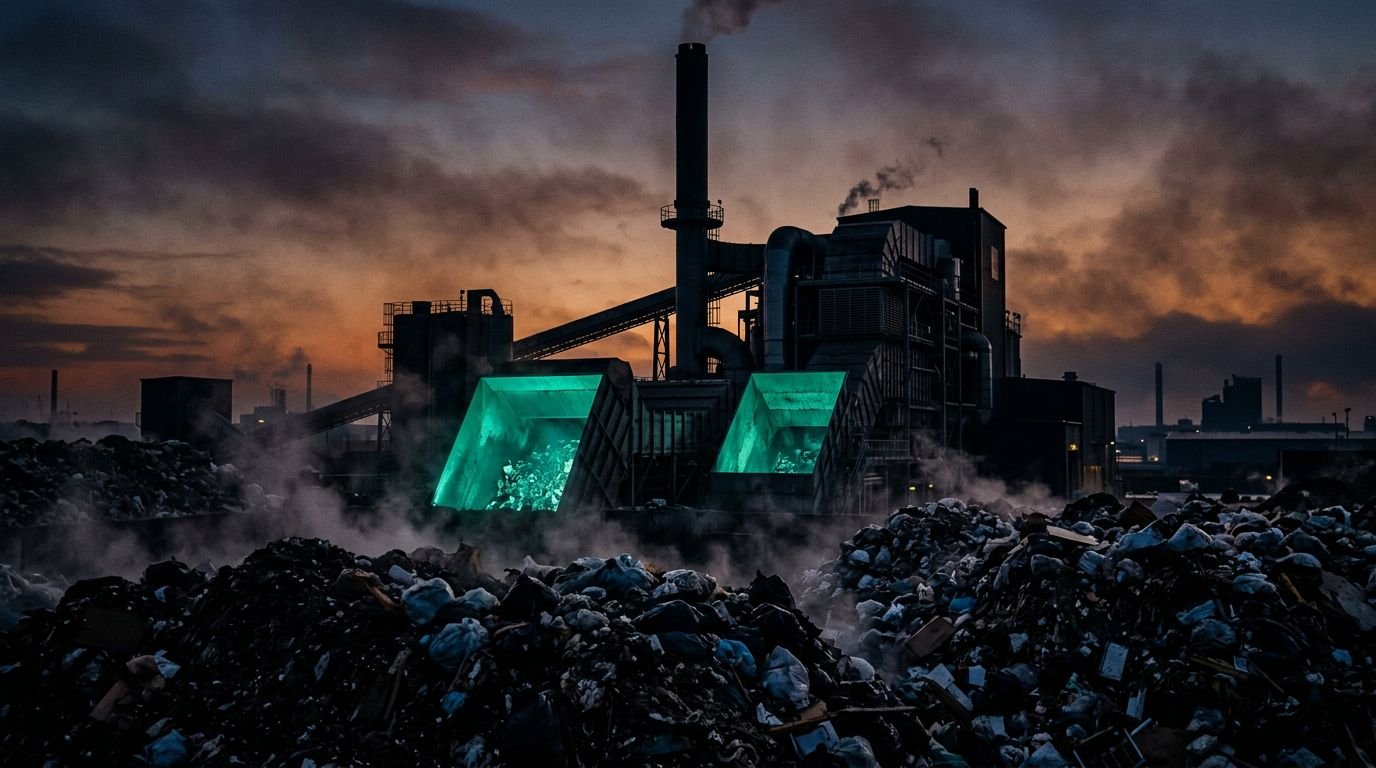
A furnace cannot turn soggy, municipal solid waste into clean power by force. That simple fact explains why so many waste-to-energy India projects run into the same wall.
If you care about climate action, this matters because the problem is not only technical. It is about city planning, public health, worker safety, and the gap between waste management promises and what trucks actually deliver to the plant gate in terms of sustainable waste management.
Key Takeaways
- Input Quality is Decisive: Waste-to-energy projects in India frequently fail because mixed, high-moisture municipal waste lacks the calorific value required for efficient combustion, forcing plants to rely on costly auxiliary fuels.
- Systemic Governance Issues: The failure is rooted in upstream collection and logistics; as long as municipal contracts prioritize the weight of waste lifted over the quality of material delivered, effective sorting will remain elusive.
- Limits of Pre-processing: While pre-processing seeks to clean up incoming trash, it cannot compensate for a fundamentally disordered waste stream and often adds prohibitive labor and energy costs to the facility.
- The Hierarchy Gap: Large-scale incineration can crowd out sustainable, high-value alternatives like decentralized composting, biomethanation, and circular economy practices that keep materials in use for longer.
- Environmental Trade-offs: Burning mixed waste complicates pollution control and leaves behind hazardous ash, often shifting environmental burdens from the city center to surrounding ecosystems and vulnerable communities.
The fuel is wrong before the plant even starts
Waste-to-energy plants are built for a specific kind of feedstock. They function most efficiently with dry, combustible material that maintains a stable heat value. Unfortunately, municipal waste in India often looks nothing like that.
In many cities, trash arrives as a single messy stream of unsegregated waste. Food scraps mix with paper, plastic, cloth, glass, metal, sanitary waste, dust, and drain silt. This blend is poor fuel. Wet organics cool the fire, while inert materials such as silt and rubble add significant weight without providing any energy.
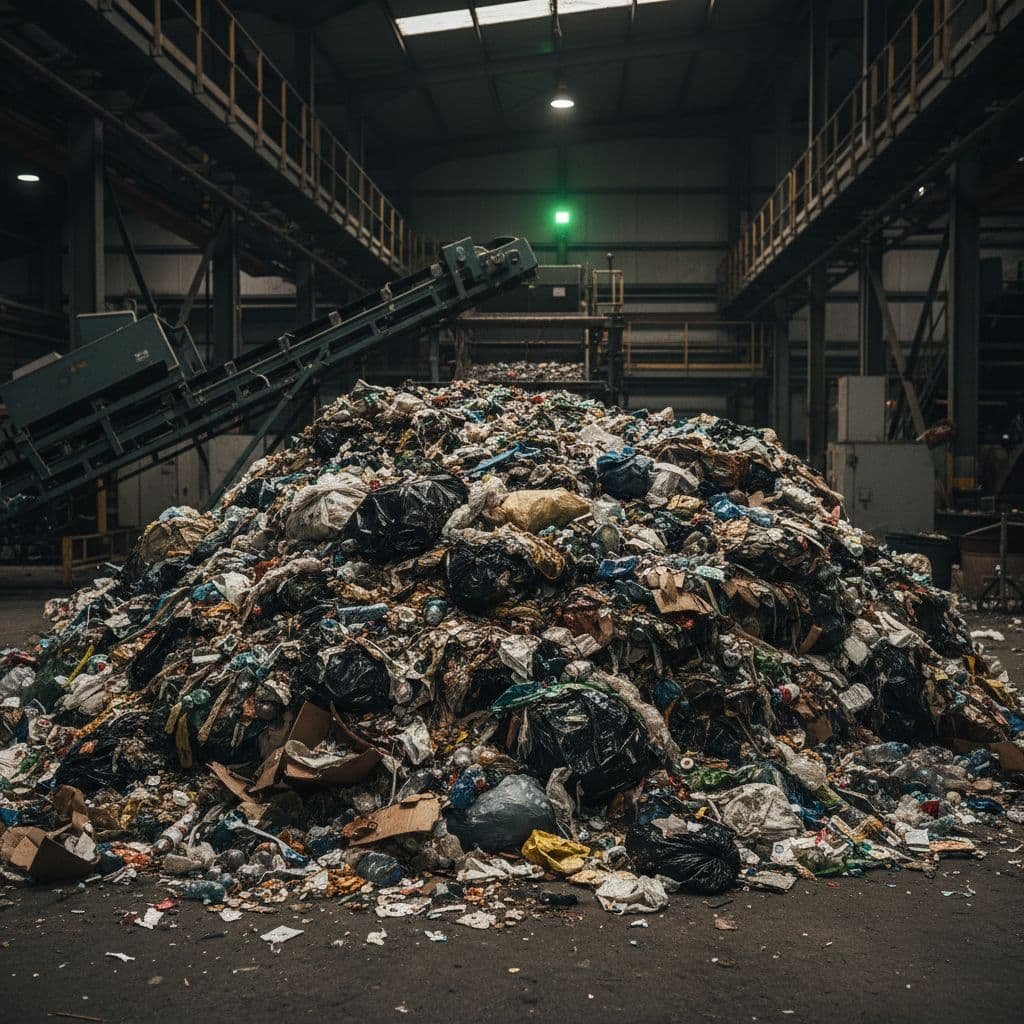
The Hindu’s explanation of repeated plant failures points to the core mismatch. Mixed Indian waste can have a calorific value of roughly 1,500 kcal per kilogram, while coal sits near 8,000 kcal per kilogram. Plants designed around higher heat input cannot make up that gap with optimism or better branding.
Mixed waste changes everything at once, including energy output, emissions, operating costs, and ash volume.
This is why the phrase waste-to-energy India often hides a harder truth. The issue is not just the plant; the issue is the waste stream feeding it. If collection systems do not separate wet and dry waste early, the thermal treatment process struggles to sustain combustion. The plant receives a low-quality fuel blend every day, making efficient power production nearly impossible.
That design mismatch creates a chain reaction. Operators need auxiliary fuel support to keep the fire burning. Temperatures become harder to maintain, equipment faces increased stress, and power generation falls below projected targets. Consequently, public trust in these projects often erodes.
The problem looks industrial, yet it starts in kitchens, street bins, transfer stations, contracts, and city governance. By the time mixed waste reaches the furnace, failure is already built into the system.
Wet organics drag down energy output
Moisture is one of the biggest reasons these plants struggle. Food waste, vegetable peels, leftover cooked meals, market waste, and green waste carry a significant amount of water. Because high moisture content in municipal waste forces the system to evaporate liquid before combustion can occur, the plant consumes much of its own heat budget just drying the material instead of producing useful power. In simple terms, it is like trying to light damp firewood every day. The fire may keep going, but the result is weak and expensive.
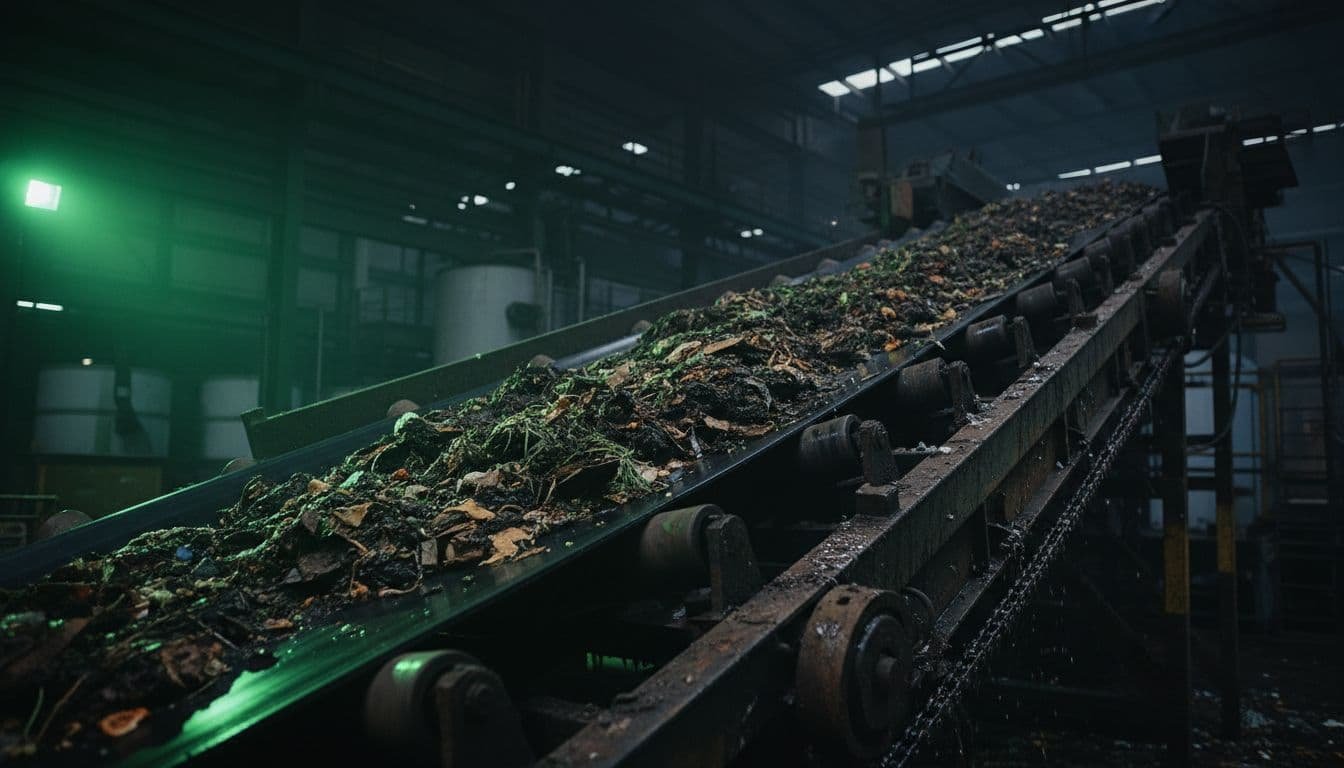
This is common in Indian cities because the organic share of household waste is still high. Seasonal rain can make it worse. Open storage, leaking transport, and poor bin design add more moisture before the waste even reaches the plant. As a result, operators may rely on auxiliary fuel to keep combustion stable, which undercuts the energy story.
There is also a planning problem hidden inside lifestyle change. As more households adopt plant-based living, the share of kitchen organics can rise in some waste streams. That is not bad news by itself. In a healthy system, those organics should be diverted to anaerobic digestion. By processing food waste this way, cities can support biogas generation and the production of Bio-CNG, which are far more sustainable alternatives to incineration. These organics become soil input or fuel rather than a drag on thermal efficiency. They only become a problem when cities mix them with dry recyclables and send the whole load to an incinerator.
That distinction matters. People often frame waste as a moral issue at home, but home behavior only works when the city provides residents with separate bins, reliable pickup, and a functional downstream system. Otherwise, even careful sorting gets undone.
For readers trying to build everyday mindfulness into daily habits, waste segregation is a good example. Personal care matters, but it is weak without public systems. A city cannot burn its way out of a collection failure.
Mixed waste raises pollution risks and leaves behind more ash
A low-quality feedstock does not only lower efficiency. It also raises environmental risk. When combustion is uneven, incineration plants face a harder job controlling emissions. Chlorinated plastics, coated materials, and contaminated waste can add to the burden on pollution control technologies.
Poor combustion and weak control can raise concern about acid gases, fine particulate matter, heavy metals, and toxic emissions such as dioxins and furans. That does not mean every plant performs the same way, but it does mean mixed waste makes clean operation harder, not easier. Furthermore, incomplete combustion often leads to increased greenhouse gas emissions, complicating the climate goals these facilities are meant to serve.
Then there is ash. Incineration does not make waste disappear. It shrinks volume, but it leaves bottom ash and fly ash behind. Fly ash can be especially risky because it may contain concentrated contaminants. If cities do not handle and dispose of it carefully, the damage shifts from one place to another.
That is where the ecological impact becomes easy to miss. A plant may look cleaner than an open dump from a distance, yet ash disposal sites, truck routes, and nearby water bodies still carry the burden. Communities downwind or downstream often feel that burden first. Children, sanitation workers, and informal waste pickers face the risk long before annual reports catch up.
The local cost goes beyond air. When waste infrastructure pushes pressure onto land and water at the city edge, urban biodiversity suffers too. Birds, wetlands, stray animal populations, soil organisms, and peri-urban green patches absorb the fallout from bad disposal choices. Waste policy often counts tonnes moved, not living systems altered.
A plant can therefore meet a narrow engineering target while still failing the wider public-health test. If the input is dirty, the output is rarely clean in the full sense of the word.
The real failure happens in collection, contracts, and accountability
It is easy to blame households for poor segregation. That story is incomplete. Many residents do mix waste, but city systems often flatten the effort anyway. Separate bins may exist on paper, yet collection crews often empty them into the same truck. Transfer stations may remix material, while informal workers recover value where they can, leaving the rest to move forward as a contaminated mass. This disconnect persists even though the Solid Waste Management Rules 2016 explicitly mandate that waste generators must keep waste streams separate.
The economics make the situation worse. Municipal contracts often reward the volume of tonnage lifted and transported rather than the quality of the material delivered. Because companies are paid based on tipping fees tied to weight, a truck full of heavy wet waste, road sweepings, and construction dust is often seen as a collection success, even though it is poor fuel and poor recycling material.
A quick comparison shows why the gap is so hard to bridge:
| What a combustion plant needs | What many cities actually send |
|---|---|
| Dry, high-heat material | Wet mixed waste |
| Stable composition | Daily variation by area and season |
| Low inert content | Silt, dust, stones, rubble |
| Limited contamination | Batteries, sanitary waste, metals, glass |
| Clean dry recyclables kept separate | Recyclables mixed with food scraps |
The takeaway is plain. A plant cannot fix upstream disorder at an industrial scale without paying a high cost.
This is where policy has to catch up with physics. Improving source segregation is the only way to ensure the downstream infrastructure functions as intended. Extended producer responsibility can reduce packaging waste and improve material recovery, but only if brands, cities, and recyclers treat it as real accountability. If you are looking at packaging and recovery systems, this plain guide to EPR compliance in India adds useful context.
The larger point is systemic change. A functional waste management system does not fail simply because citizens sorted badly on a Tuesday. These programs falter because contracts, logistics, producer responsibility, and municipal planning often reward movement over material quality. Ultimately, the long-term viability of waste-to-energy projects depends on fixing these fundamental upstream incentives.
Pre-processing helps, but it doesn’t erase bad inputs
Supporters of waste-to-energy often point to pre-processing as the answer. The idea is simple: sort the waste again, remove metals and inert material, reduce moisture, and convert what remains into refuse-derived fuel. On paper, that sounds sensible.
In practice, pre-processing is expensive, messy, and limited by what comes in. If the incoming stream is too wet or too contaminated, sorting lines lose efficiency. Recyclables are already dirty, and the high biomass fraction of Indian waste means organic matter often spoils quickly. Plastic films cling to food residue, and workers face harsher conditions while a large share of the load still ends up rejected.
A research paper on pre-processing needs in Indian municipal waste makes this point clearly. Mass-burn systems struggle when waste contains high moisture, low calorific value, and a large amount of inert material such as construction debris, road sweepings, and drain silt. Even when facilities pivot to alternative processes like gasification and pyrolysis, they struggle to remain viable when faced with such high moisture levels. Pre-processing can improve the feedstock, but it cannot manufacture a clean stream out of chronic mixing.
That matters for project finance. While developers often rely on Central Financial Assistance to get these projects off the ground, every extra sorting step adds labor, equipment, maintenance, energy use, and residue handling. The plant is not only fighting bad fuel; it is also carrying a business model that depends on turning disorder into a predictable industrial input.
Many projects underestimate that gap. They assume the city will improve segregation later. Yet once a plant is built, the pressure often flips. The plant needs feedstock every day, so mixed waste keeps flowing to keep the furnace alive. A stopgap becomes the operating norm.
Burning waste can crowd out better solutions
Cities do not manage waste in a vacuum. Every rupee, contract, truck route, and policy target shapes the entire system. When a city places too much faith in incineration, it can inadvertently crowd out options that sit higher up the waste hierarchy, such as essential landfill diversion efforts.
This is why the circular economy matters here. Organics should return to the soil through compost or biomethanation, and clean paper, plastic, metal, and glass should remain in material loops for as long as possible. Repair, refill, and reuse systems should minimize waste before it ever reaches a collection truck. While incineration plants are often framed as a renewable energy source, they sit at the far end of the chain, long after more efficient opportunities for resource recovery have been lost.
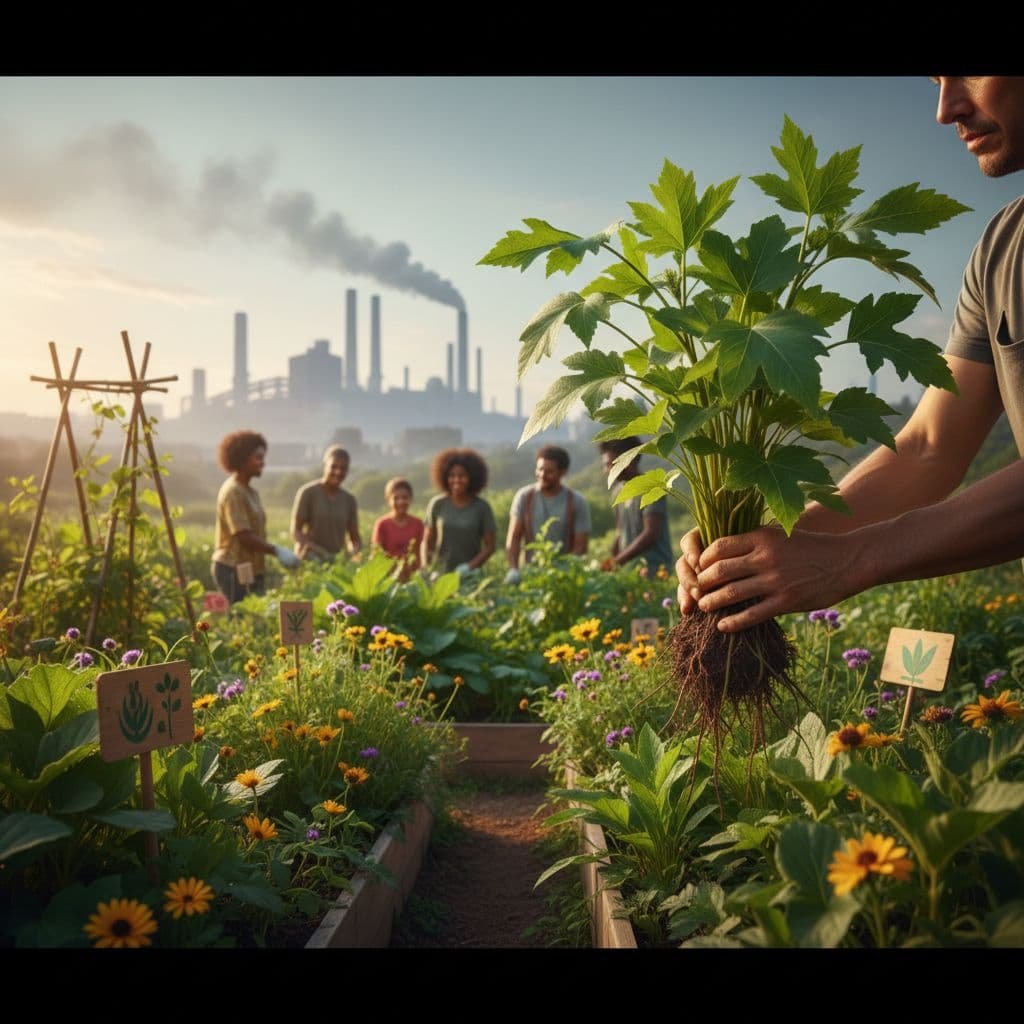
This is also a business question. Cities need sustainable business models that reward clean collection, local composting, decentralized biomethanation, refill systems, repair networks, and high-quality recycling. A large incinerator often creates the opposite incentive, as it requires a steady, massive flow of burnable material over many years. This dynamic creates a quiet conflict with long-term waste reduction goals.
The social side matters too. Community composting, ward-level sorting, and local restoration work create visible benefits that people can trust. Better soil, less smell, fewer truck miles, cleaner streets, and stronger local ownership all contribute to a healthier city. They also connect climate action to daily life in a way that giant industrial plants rarely do.
That grounded link matters for climate literacy. People learn faster when they can see how their waste choices affect air, water, food systems, and neighborhood health. Projects tied to local habitats make that connection even stronger. If you want to see how on-the-ground work can support urban biodiversity and public learning at the same time, Explore Our Active Missions offers a practical model.
What real systemic change looks like for Indian cities
A better path does not start with a bigger chimney. It starts with cleaner streams.
First, cities need true source segregation, backed by separate collection, not mixed pickup. Wet waste should go to composting or biomethanation close to where it is generated when possible. Dry waste should move through material recovery facilities that preserve recycling value. Hazardous household waste and sanitary waste need their own channels. Construction debris should never ride along with kitchen scraps.
Second, contracts must reward quality rather than just volume. When municipal authorities engage in a public-private partnership, the agreement must prioritize environmental outcomes over simple tonnage. Payment models should move away from being linked only to weight, which invites contamination, and instead focus on trackable segregation rates and verified plant emissions data. Furthermore, the stability of these projects often hinges on power purchase agreements that provide fair and predictable pricing for electricity generation. Without these fiscal and operational guardrails, cities often pay a high price for poor results.
Third, informal waste pickers must be part of the system. These workers already recover value that formal systems often miss. Better policy should improve their safety, pay, and legal standing, not erase their role.
A recent review of Indian waste-to-energy barriers points back to the same basics: poor segregation, weak municipal systems, low calorific value, and financial strain. None of those problems disappear by putting green in a project brochure.
For residents, this can still feel abstract. Yet the next step is concrete. Sort wet and dry waste. Ask whether your city collects them separately. Look at where ward waste goes. Support composting, repair, refill, and neighborhood recovery systems. Build climate literacy in schools and workplaces so people can read claims critically.
Personal action alone will not fix the system. Still, personal attention can sharpen public pressure. That is where everyday mindfulness becomes civic, not private. The point is not perfect individual purity. The point is a city that stops sending the wrong material to the wrong machine.
Frequently Asked Questions
Why does wet waste interfere with power generation?
Wet waste contains high amounts of organic moisture that must be evaporated before combustion can occur. This process consumes a significant portion of the plant’s heat budget, resulting in lower energy output and requiring additional fuel to keep the fires burning.
Can’t pre-processing fix mixed waste before it enters the incinerator?
While pre-processing can remove some inert materials, it is often ineffective at managing heavily contaminated, wet, or spoiled waste streams. The process is expensive and energy-intensive, and it still struggles to turn a poor-quality mixture into a viable industrial fuel.
How does the current municipal contract model contribute to the problem?
Many cities tie municipal waste contracts to the total tonnage collected, which incentivizes the collection of heavy, mixed, and non-combustible waste. This creates a financial structure that favors the quantity of waste moved rather than the quality of waste segregated at the source.
What are the better alternatives to mass-burn incineration?
Cities are better served by prioritizing source segregation and diverting organics toward composting and biomethanation to produce biogas. Additionally, non-recyclable materials with high heat values can often be managed more efficiently through co-processing in cement plants rather than through standalone mass-burn incineration.
Conclusion
Waste-to-energy projects in India often struggle because the input is fundamentally flawed, the upstream collection system is weak, and the environmental costs are ultimately pushed onto local communities. A wet, contaminated waste stream cannot reliably produce clean power, regardless of how promising the technology might sound on paper.
The strongest takeaway is simple: mixed waste is a governance problem before it is a combustion problem. While waste-to-energy India initiatives must prioritize better segregation, there are also smarter industrial alternatives. For non-recyclable materials with high caloric value, co-processing in cement plants offers a more efficient thermal route than mass incineration. When cities focus on separating organics, protecting recyclables, and adopting these specialized recovery systems, the entire waste chain functions more effectively.
That systemic shift is slower than building a headline project, but it is more honest. It provides citizens with a solution built on material reality, public health, and accountability rather than just the empty promise of a smokestack.