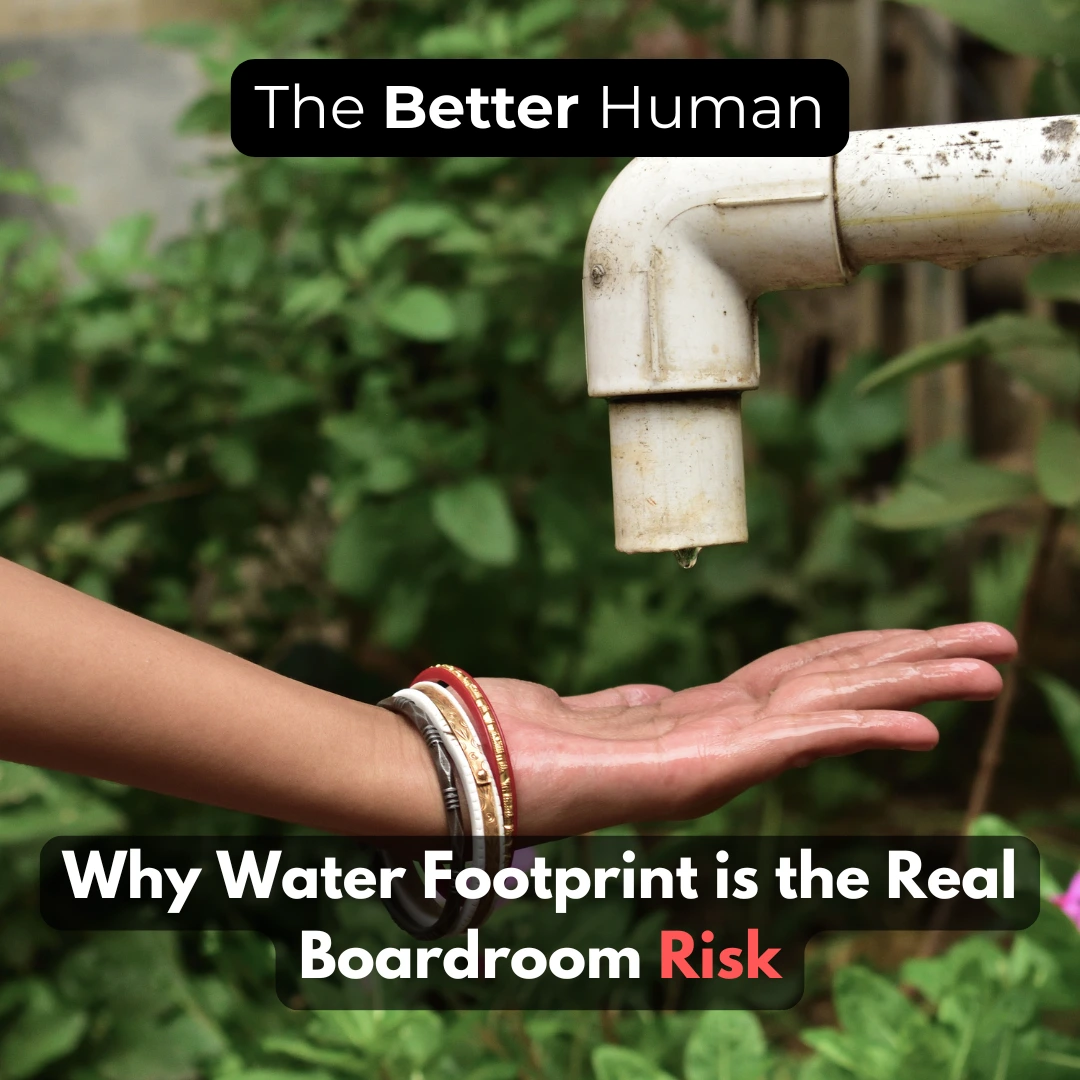
Why Water Footprint Beats Carbon for Startups in 2026
 Saket Sambhav
A startup can offset carbon on paper. It can’t offset a dry tap at the office, the factory, or the server farm.
Carbon still matters. But in 2026, water is the nastier business risk because it’s local, immediate, and political.
When water runs short, operations stall, suppliers fail, permits get harder, and communities stop clapping for your “impact” deck.
That’s the frame founders need now, radical accountability. If your business depends on water, and every business does, then your real score starts there.
Carbon is yesterday’s scoreboard, water is today’s risk
Carbon feels important, but misses shutdown risk
Carbon reporting feels clean. Tidy numbers, annual targets, a few offsets, everyone goes home pleased.
The problem is that carbon damage is global and delayed, so teams often mistake reporting for control.
Water doesn’t wait. Scarcity shows up at one site, in one basin, at one bad moment. A cheap offset in another country won’t help when your landlord cuts supply, your manufacturer pauses, or your town decides your growth story is stealing its summer.
Investors, customers and regulators care because water lands in siting, permits, insurance and litigation now, not in some abstract 2040 scenario.
Carbon can stain your reputation. Water can stop your business by Tuesday.
Water scarcity in plain business terms
Your water footprint is the freshwater you withdraw, consume or pollute across the business.
Water stress is how hard the local system is already being pushed.
Water risk is the money problem that follows, higher costs, delays, conflict and shutdowns.
That footprint is never just office taps. It includes cloud cooling, chip-making, cleaning, packaging, suppliers, outsourced manufacturing and the food your company buys.
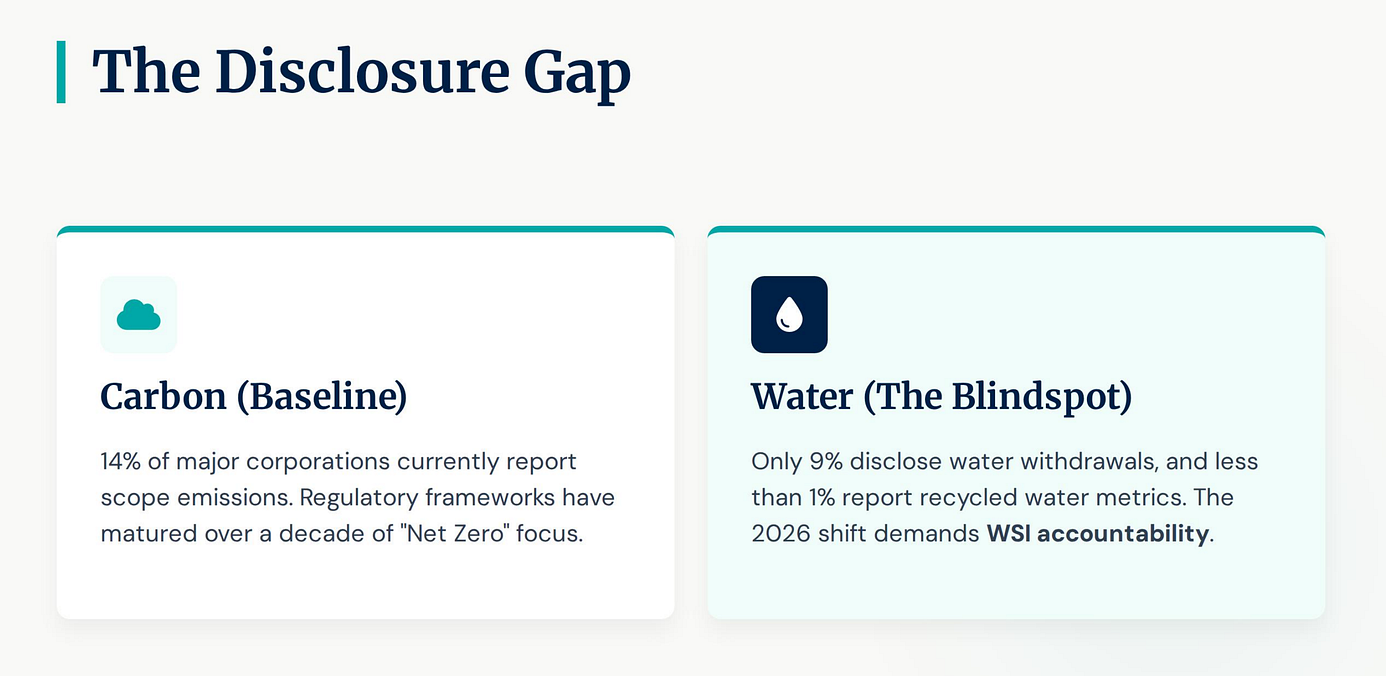
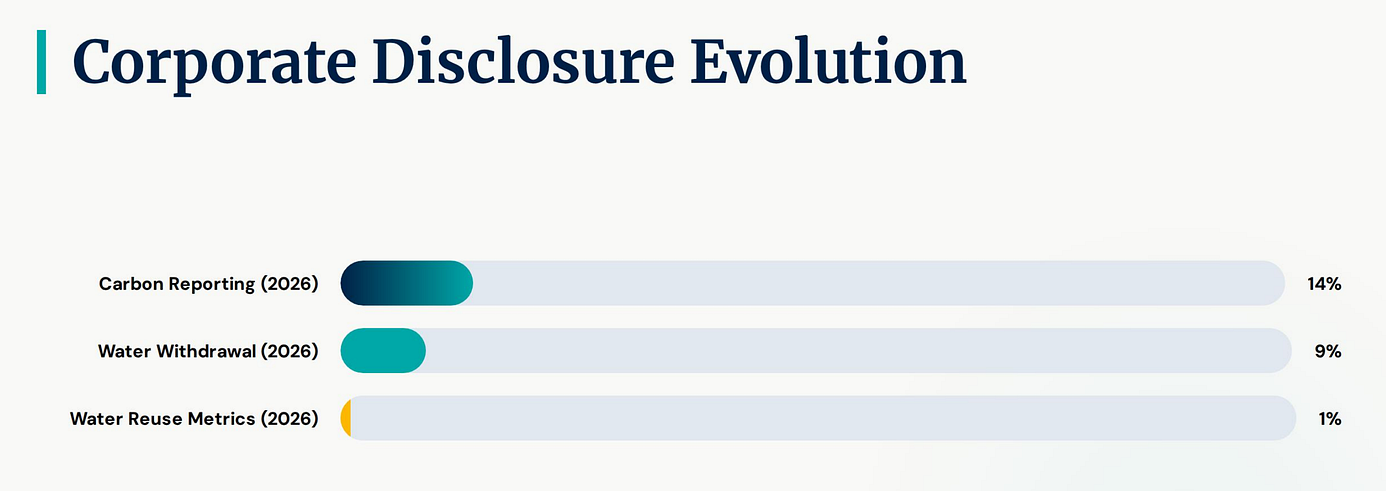
If your supplier sits in a dry basin, your risk sits there too. That’s why Stanford’s work on corporate water footprints matters, most firms still disclose far less on water than on emissions.
The 2026 water reality founders can’t ignore
Numbers that should make every founder pause
The UN’s 2026 warning was brutal, the world is entering “water bankruptcy”.
Around 4 billion people face severe scarcity for at least one month each year.
About 2.1 billion still lack safe water at home. Droughts now cost the global economy roughly $307 billion every year.
This isn’t abstract climate talk. Water insecurity hits food prices, energy, insurance, hiring and supply contracts.
Nearly three-quarters of the world’s population now lives in water-insecure or critically insecure countries.
If you’re scaling across Asia, the Middle East or the US southwest, water is already a board issue.
Where startups waste water without realising it
AI, cloud, and data centres still drink water
Digital businesses love to pretend they’re weightless. They’re not. Your app sits on hardware that runs hot, and heat needs cooling.
AI makes that worse. In 2026, a typical data centre can use about 1.1 million litres a day, and a hyperscale site can approach 19 million.
Even one AI query may use only a fraction of a millilitre, but billions of queries add up fast.
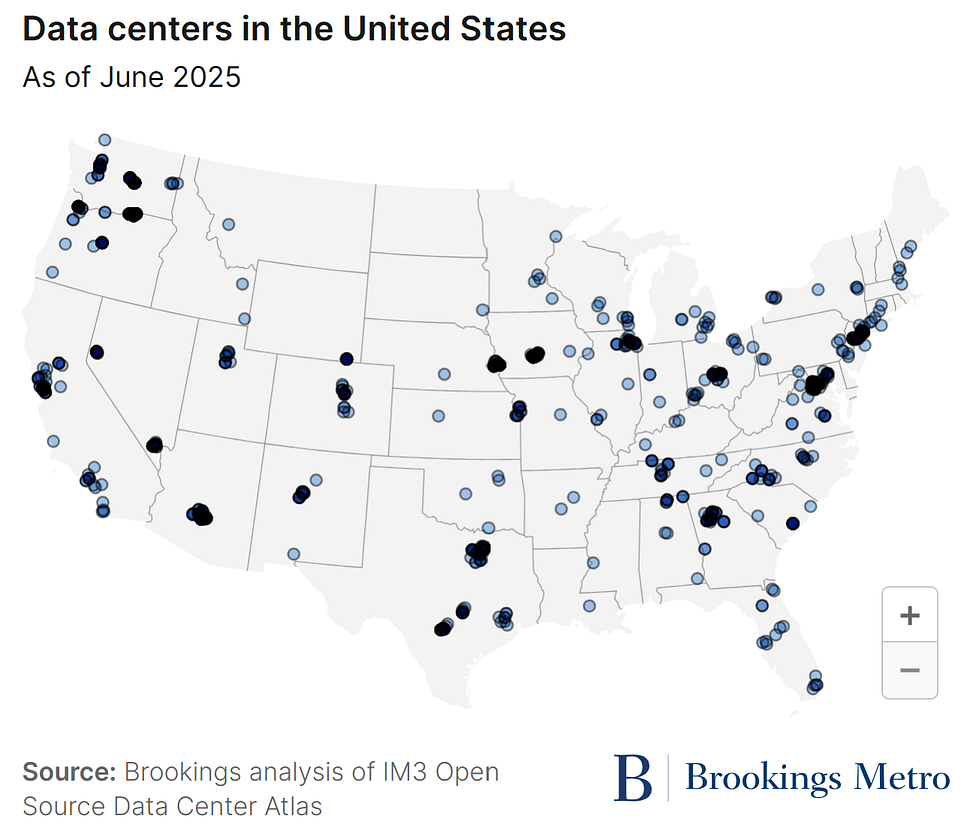
Founders building with AI should read Brookings on data centres and water. The headline is simple: cloud growth now has a freshwater problem, especially in already stressed regions.
Chip fabrication adds another hit, because semiconductor production is famously thirsty.
Catering and team culture carry a water bill
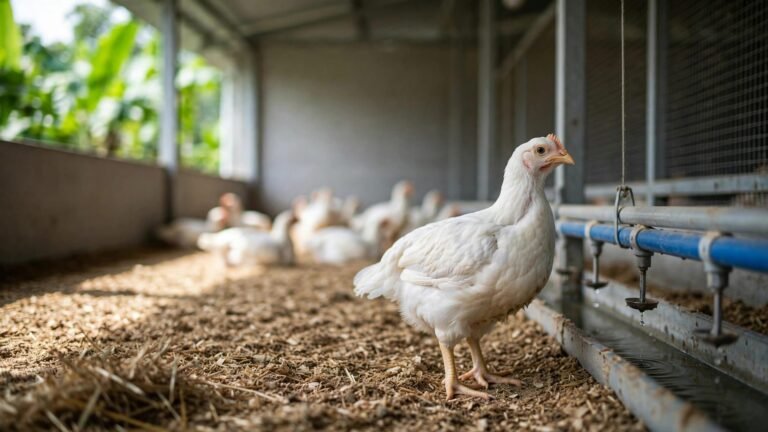
Then there’s the office menu. Agriculture uses most of the world’s freshwater, and animal agriculture is one of the most wasteful ways to turn that water into calories.
If your company buys dairy-heavy coffees, paneer platters, chicken lunches and leather swag, that’s not a side issue. It’s procurement with a moral blind spot.
Nobody needs a lecture over lunch. But founders who preach efficiency whilst bankrolling high-water, high-cruelty supply chains are living two different stories.
Plant-rich catering is not performative. It’s a cleaner water choice, and in 2026, cleaner choices are better business.
What a water-positive startup looks like
Track water like cash flow
Start with measurement.
- Audit direct use in offices and facilities.
- Ask suppliers where water comes from, how much they withdraw, and whether they recycle it.
- Review cloud and hosting partners for location, cooling method and water usage effectiveness where disclosed.
If a line item can kill margin or trigger delays, you track it. Water is that line item.
Good founders don’t wait for regulation to tell them where the leak is.
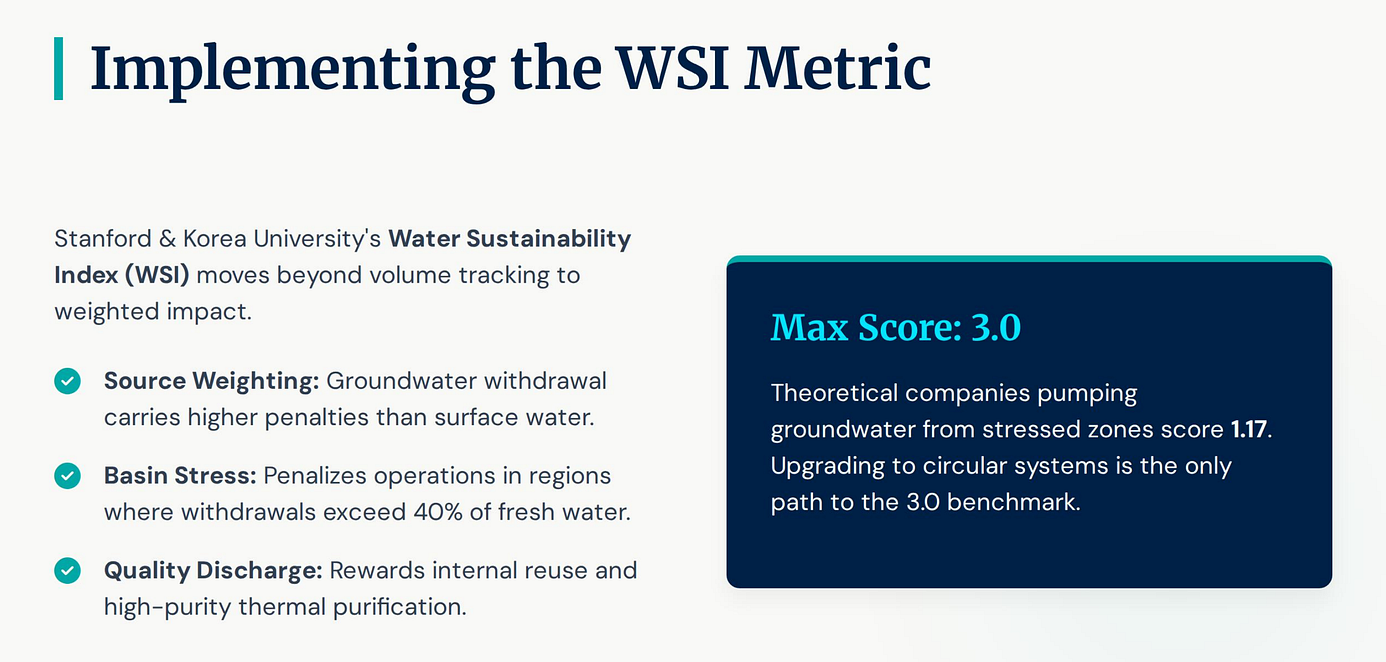
Reduce, redesign, restore
A water-positive company does three things at once. It cuts demand, redesigns the wasteful bits, and helps restore the basin it depends on.
- Use less freshwater through reuse systems, efficient fixtures, recycled process water and smarter cooling.
- Redesign purchasing so suppliers meet water standards, and default company catering shifts towards plant-based options.
- Restore locally through aquifer recharge, watershed repair and basin-level projects tied to your real footprint.
Carbon credits let too many firms buy distance from the damage. Water-positive thinking removes that escape hatch.
Conclusion
The old question was, “What’s our carbon number?” The harder 2026 question is, “Whose water are we using, and what happens when it runs out?”
Founders who want durability, ethics and credibility need both metrics, but water tells the harsher truth. It shows whether your business can survive contact with place, politics and physical limits.
If you want leadership without a double life, Join the Better Human Project.