
How Indian D2C Brands Can Build a Product Take-Back Programme
 TBH Editorial
TL;DR
- Pick one clear goal first, retention, reuse, recycling, or resale. Don’t chase all four on day one.
- Accept only products you can collect, sort, and route somewhere real.
- Make returns easy, usually with WhatsApp, courier pickup, or drop-off, plus a simple reward.
- Start with a small pilot, then track cost per return, repeat purchase, and final material outcome.
Returns are easy when you’re refunding an order. They get harder when you’re asking customers to send back something they’ve already used.
That’s why a good product take-back program matters. If you’re an Indian D2C brand, it can build trust, bring customers back, and cut waste, but only if it works in the real world, not on a pitch deck. Let’s build it from the ground up.
Start with one reason, not five
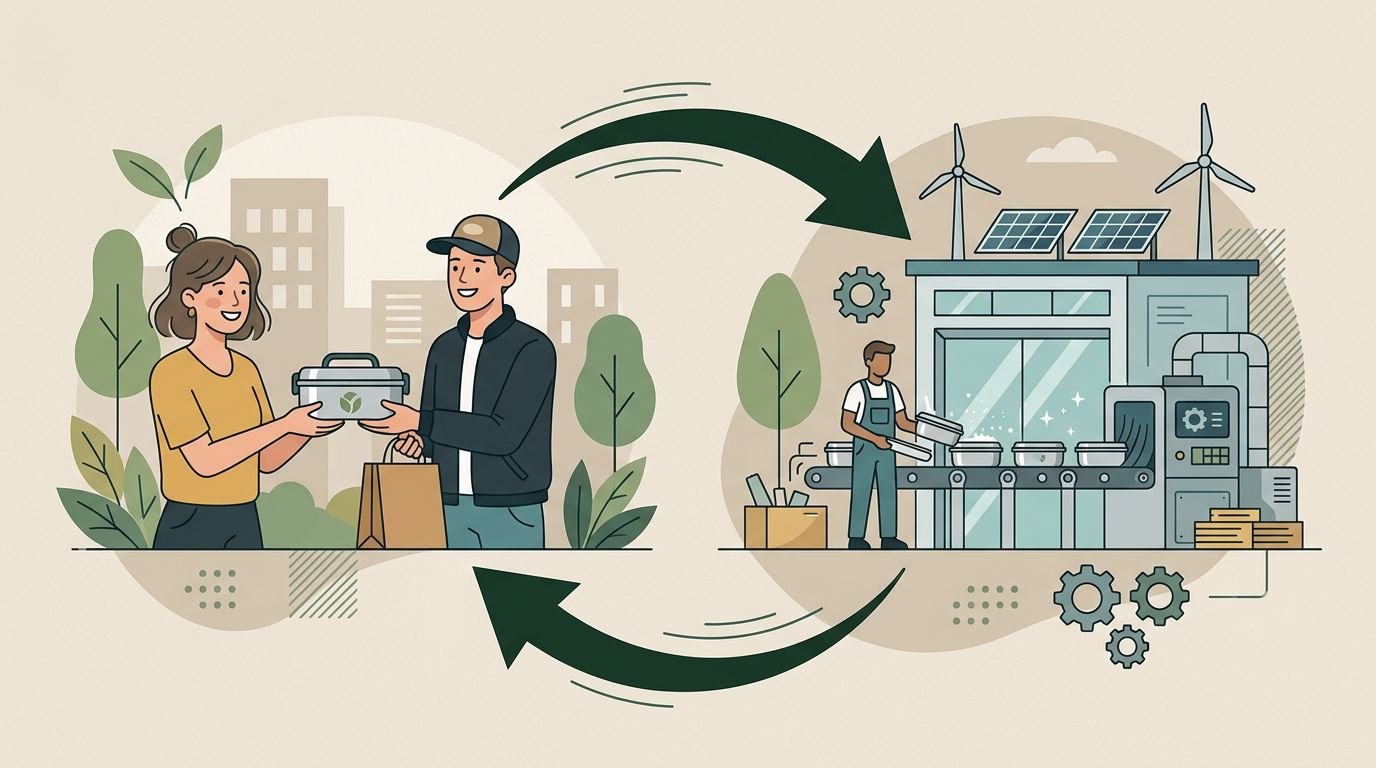
A take-back programme is not a feel-good side project. It’s an operating model. Used products come back in, someone checks them, something useful happens next, and the customer feels the brand kept its word.
The first mistake is trying to make it do everything. Retention teams want repeat orders. Sustainability leads want less landfill. Ops wants low cost. Brand wants a story customers remember. Fair enough, but your first version needs one main job.
If you’re a beauty brand, that job might be getting empty bottles back. If you’re in fashion, it might be resale or fibre recycling. If you sell durable goods, it might be repair and refurbishment.
Ask three blunt questions:
- Why are we doing this now?
- Which product line gives us the best odds of success?
- What will we do with every returned unit?
Don’t collect used product unless you already know its next stop.
That last point is where plenty of brands trip up. Collection looks impressive on Instagram. A warehouse full of unsorted returns does not. So start narrow. One category, one customer promise, one outcome you can deliver reliably.
A good first goal is often repeat purchase with proof of responsible disposal. It gives the customer a reason to act, and it gives your team a clear commercial test. If the programme lifts trust but burns cash on every return, you haven’t built a system, you’ve bought a headline.
Choose products you can actually process
The easiest mistake is saying yes to too much. “Send us anything” sounds generous. It also creates sorting chaos, contamination risk, and ugly unit economics.
Start with your own products only. Keep the rules plain. Say what you accept, what condition it must be in, and what you won’t take. “Clean and dry bottles with caps” is clear. “Used packaging in reasonable condition” is not.
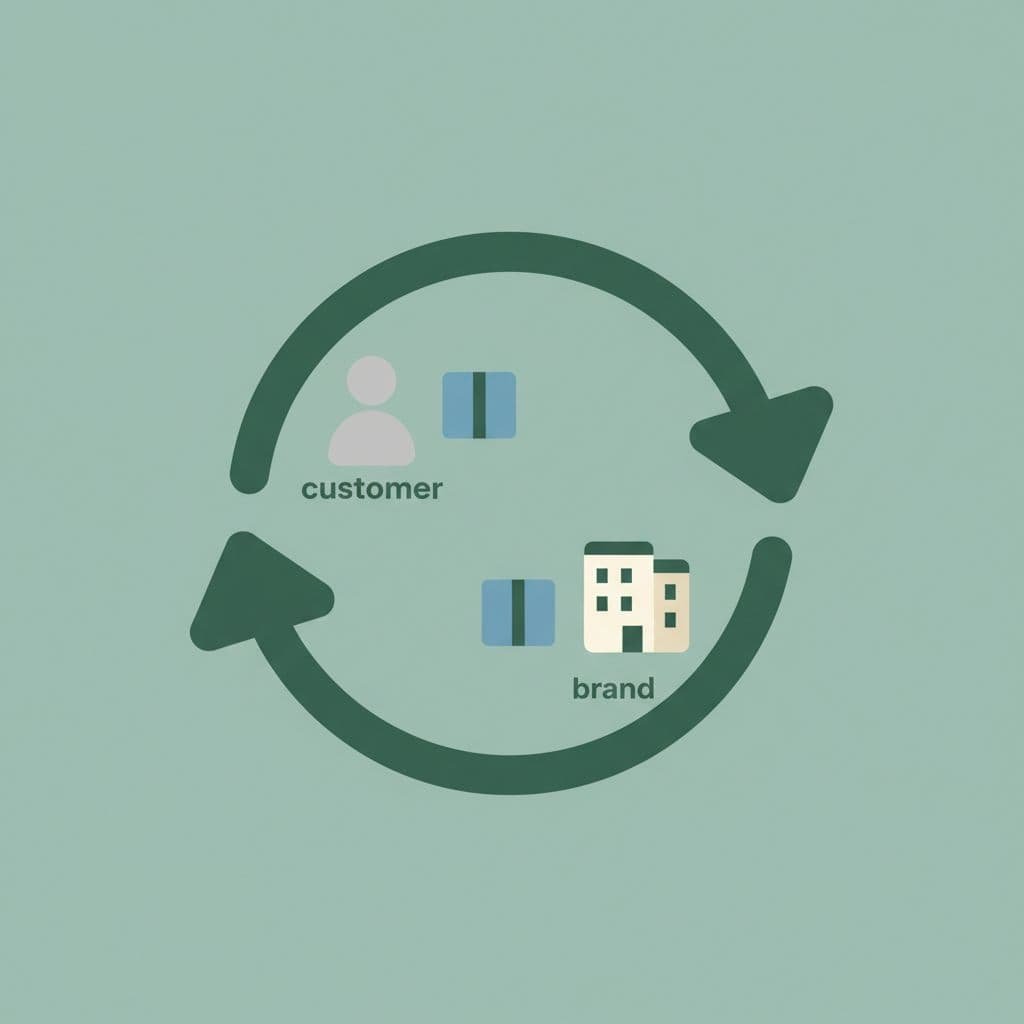
A narrow product scope is not a weakness. It’s good design. That’s why Clovia’s bra recycling initiative makes sense as a category-specific pilot. It tackles one awkward product type that customers struggle to discard responsibly.
This quick filter helps before launch:
| Product type | Good first pilot? | Likely next step |
|---|---|---|
| Refillable bottles and jars | Yes | Cleaning, material recovery, partner recycling |
| Premium apparel | Yes | Repair, resale, recycling |
| Footwear and accessories | Maybe | Repair, parts recovery, recycling partner |
| Mixed-material sachets | Hard | Specialist recycler only, often costly |
| Hygiene-sensitive items | Hard | Strict condition rules, limited reuse options |
The takeaway is simple. Pick products with a realistic downstream path.
You also need a decision tree before the first unit comes back. What gets resold? What gets repaired? What gets recycled? What gets rejected? If your team is debating this after launch, the customer will feel the wobble.
If your category touches plastics, batteries, electronics, or other regulated streams, get legal and compliance input before promising a recycling result. “We’ll handle it responsibly” is not a substitute for actual processing capacity.
Make the return journey easy enough that people bother
Customers won’t fight through six steps to do the right thing. They mean well, then life gets in the way. That’s normal.
For most Indian D2C brands, the simplest starting flow is this: the customer raises a request on WhatsApp or a short site form, your team approves it, a courier pickup is booked or instructions are shared, the item is checked, then the reward lands. Clean. Familiar. No drama.
Mail-back can work, but it often dies on effort. Store drop-off works if you already have retail touchpoints. Pickup with the next order is underrated, because it lowers cost and gives the customer one less task.
The reward matters, but clarity matters more. Store credit usually beats a vague sustainability badge. A line like “Return 3 empty bottles and get ₹50 credit” works because the customer gets it in two seconds.
If the reward needs explaining, it’s too complicated.
Keep the maths honest. If reverse logistics costs you ₹120 and inspection adds another ₹30, a ₹200 blanket coupon on a low-margin product is a bad habit, not a growth loop. Tie rewards to category value. Premium goods can justify higher credits. Low-ASP consumables may need threshold-based returns.
You can see this logic in Shantnu Nikhil’s buyback programme, where store credit fits the price point and customer mindset. The incentive is not random. It matches the product’s retained value.
Build the back end before you announce anything
A take-back programme fails in the boring places. Not in strategy decks. In sorting, handoffs, spreadsheets, and customer service replies.
Before launch, write a one-page SOP. Who approves returns? How long does pickup take? What counts as acceptable condition? When is credit issued? What happens to rejected items? If your support team cannot answer these without asking five people, you’re not ready.
You do not need heavy software on day one. A shared tracker is enough if it captures the right fields: customer name, order number, SKU, item condition, date received, destination, and reward issued. Add weight or unit count if material recovery matters to you.
Then line up partners. You may need a courier, a recycler, a refurbisher, or a resale outlet. Ask blunt questions. Can they cover your target pin codes? Can they give proof of processing? Can they separate by material or condition? Can they report volumes back monthly?
This is also where brand honesty matters. Don’t say “closed loop” if you’re mostly aggregating for downcycling. Don’t say “recycled” if the actual outcome is mixed waste recovery. Customers can forgive limits. They don’t forgive spin.
Finally, brief marketing after ops is stable, not before. The product page, checkout, packaging insert, email flow, and FAQ should all say the same thing. Mixed messages create support tickets, and support tickets create cost.
Pilot it like an operator, not a campaign marketer
The smartest launch is small enough to learn from. One product line. One city cluster, or one customer cohort. One return method. One reward type. Run it for a quarter, then decide what deserves expansion.
Track a few numbers that matter. Return rate is useful, but it is not enough. Watch cost per return, reward redemption, repeat purchase after return, percentage routed to reuse or recycling, and time to credit. Those numbers tell you whether the programme is helping the business or merely decorating it.
A pilot also shows where customers hesitate. Maybe the pickup window is too slow. Maybe the reward is too weak. Maybe people don’t know they need to wash the bottle first. Good. Those are solvable problems.
Some Indian brands already hint at how this can work. Sanah Sharma’s take-back policy uses tiered rewards based on how long the garment has been used. That is smart, because it links the incentive to product life and likely recovery value, instead of guessing.
One more hard truth, communication drives participation. Mention the programme on the product page, in post-purchase email, in the parcel insert, and on WhatsApp. If customers only see it once, most won’t act. Not because they don’t care, but because people forget.
The best pilots feel ordinary. That is a compliment. The customer knows what to do, the ops team knows what happens next, and finance can see the numbers without squinting.
Final thoughts
Taking back used products is harder than shipping new ones. That’s exactly why it can build trust when done well. Customers notice when a brand thinks past the sale.
Start narrow, keep the promise simple, and be honest about cost. The brands that make this work won’t be the ones with the loudest claim. They’ll be the ones with the cleanest system.
If your take-back work sits inside a bigger sustainability effort, you can also Contribute to Active Missions and support on-ground environmental projects where 100% of funds go to the field.