When Pesticides Kill Mycelium, Soil Starts to Fail
 Saket Sambhav
How chemical dependency is quietly dismantling the underground infrastructure of our food system
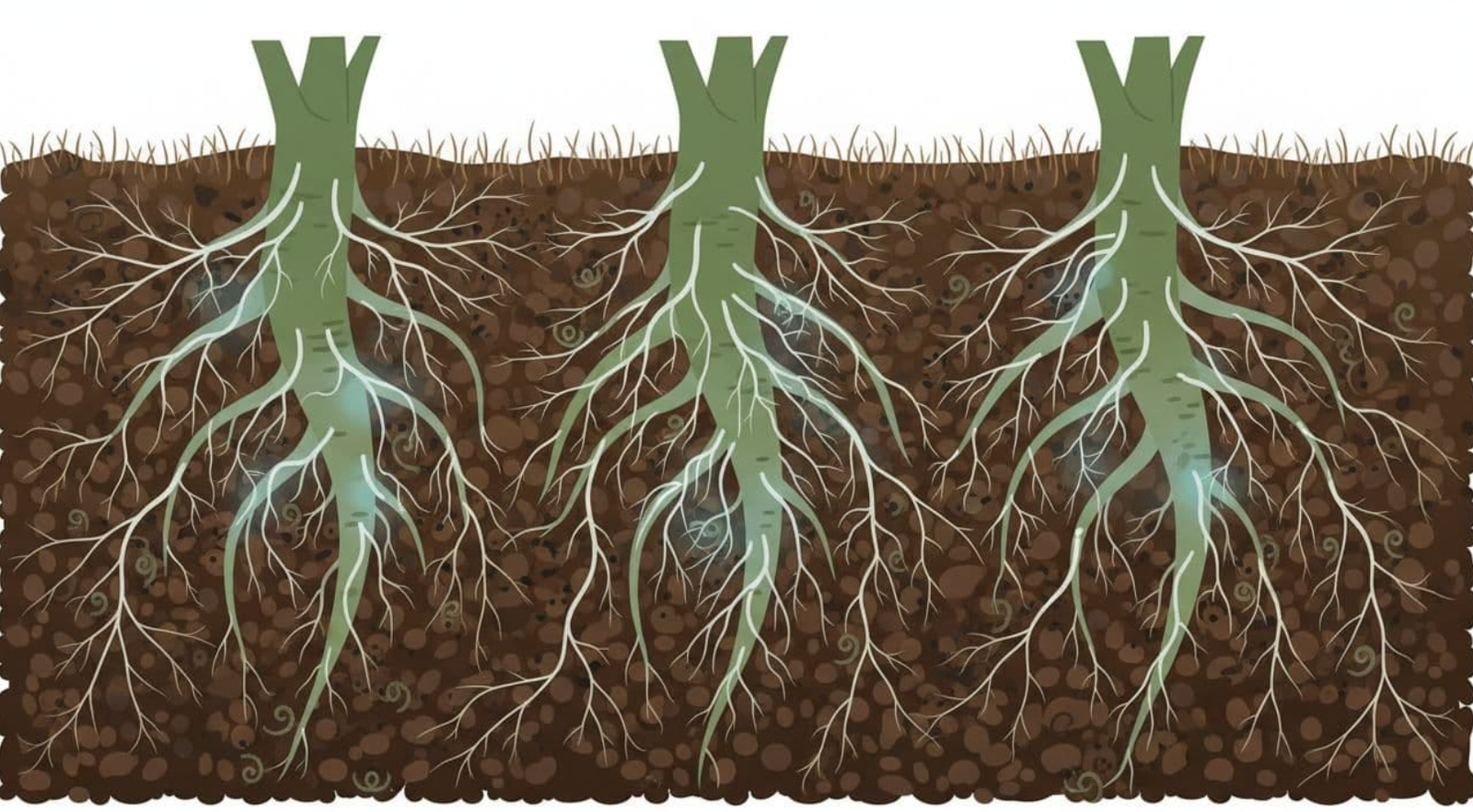
Healthy soil isn’t dirt. It’s a living web, dense with fungal threads, root signals, microbes, water, carbon, and exchange. Then picture the same field after years of heavy spraying.
The crop may still stand upright, but the underground wiring starts to fray.
That’s the mystery of mycelium. Most of it is out of sight, so its collapse is easy to miss. Yet it props up food security, biodiversity, water balance, and carbon storage.
If you care about honest leadership in 2026, this isn’t a niche ecology story. It’s a test of whether we can stop calling asset destruction “efficiency”.
What mycelium actually does, and why losing it changes everything
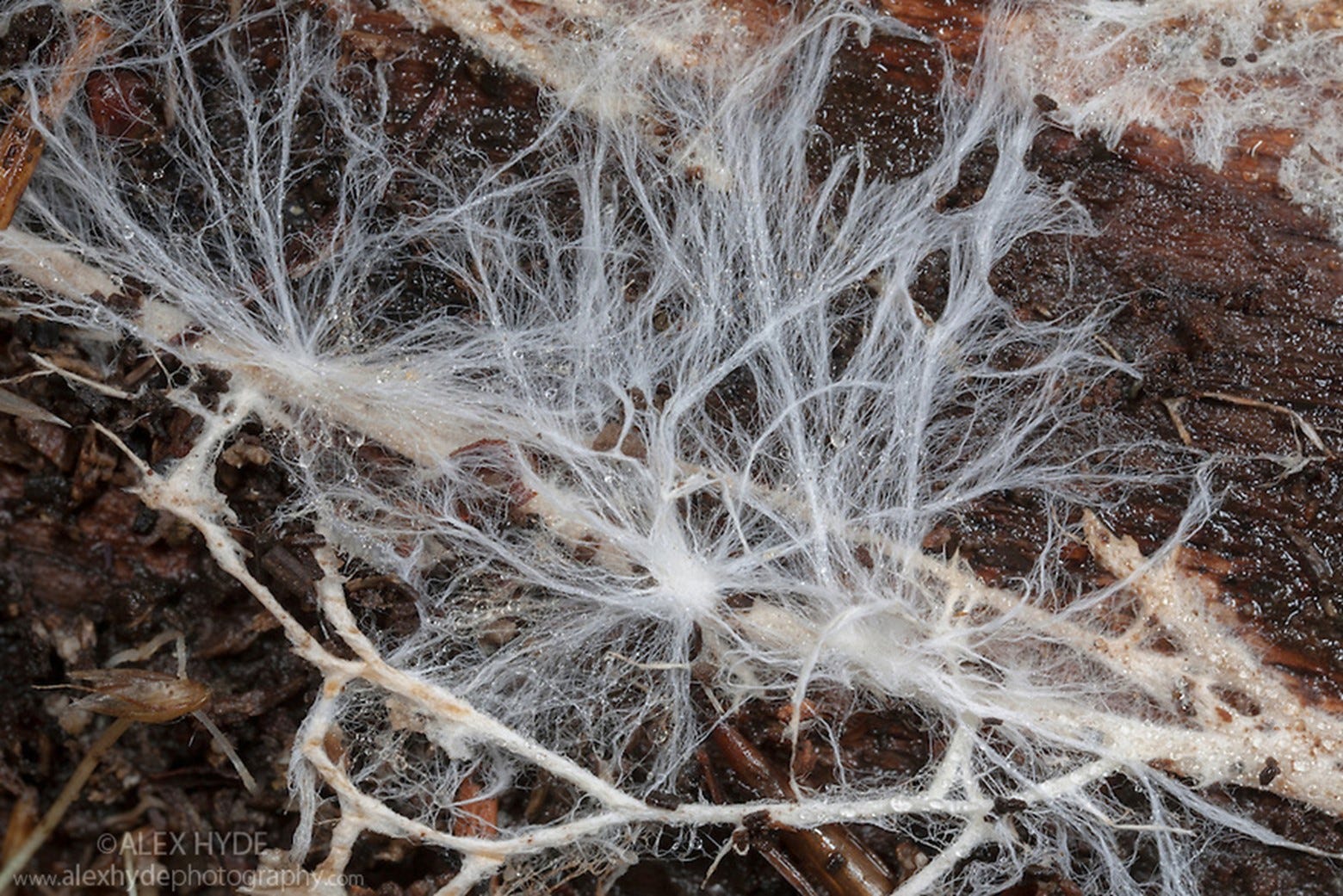
Mycelium is the thread-like body of fungi. It looks root-like, but it isn’t a plant root. Think of it more like a trading system built into the soil, one that moves water, nutrients, and chemical messages between plants and microbes.
That matters because plants don’t grow in isolation. They grow in relationship.
A field without functioning fungal networks is like a city with roads torn up and fibre cables cut, still open on paper, half broken in practice.
The underground network that feeds plants, stores carbon, and holds soil together
Mycelium helps plants reach phosphorus, nitrogen, and water that roots alone may miss. In return, plants feed fungi with sugars made through photosynthesis.
This exchange improves nutrient uptake without forcing the soil into constant chemical dependency.
It also helps soil keep its shape. Fungal threads bind particles into aggregates, which means less erosion, better infiltration, and more moisture held through dry spells.
That is not a side benefit. It’s operating infrastructure.
Mycorrhizal fungi are also part of the carbon story. A global carbon pool review found that large amounts of plant carbon move below ground into mycorrhizal mycelium every year.
When those networks are damaged, soil loses one of its better tools for keeping carbon in place.
Why healthy farms and forests depend on fungi we rarely see
Here’s the awkward truth. Crops can look fine for a while even when the underground system is thinning out. Synthetic fertiliser can prop up visible growth. Irrigation can mask poor soil structure. More spraying can suppress symptoms.
But short-term yield can hide long-term decline. A business can show quarterly output whilst burning through its core assets. Farms can do the same. If the biology below ground is weakened year after year, the bill arrives later, through poorer soil, weaker roots, lower water retention, and more dependence on purchased inputs.
How heavy pesticide use breaks fungal networks below the surface
Pesticides are sold as precision tools. Reality is messier. Soil is a living community, not a set of isolated targets. When chemicals keep hitting that community, non-target damage is part of the story, not a rounding error.
A major 2025 Nature study on pesticide residues in soils found that residues alter soil biodiversity at taxonomic and functional levels. Rising fungicide concentrations were linked with harm to non-target organisms, including reductions in arbuscular mycorrhizal fungi. That is the underground economy taking a hit.
If a farm protects yield by degrading its own soil biology, the cost hasn’t disappeared. It’s been deferred.
Pesticides can weaken fungi directly, even when fungi are not the target
Fungicides are the obvious case. They are designed to disrupt fungi, and beneficial fungi don’t get diplomatic immunity.
Some products reduce spore germination, slow external mycelial growth, and weaken colonisation of plant roots.
But it doesn’t stop there. Herbicides and insecticides can also alter the soil environment around fungi. They can change microbial communities, shift nutrient cycles, and affect root exudates, the compounds roots release to feed soil life.
When the menu changes, the fungal network feels it.
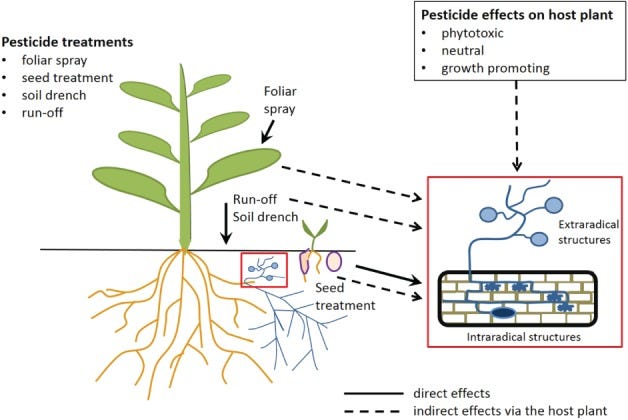
A review of mycorrhizal fungi and pesticide response makes this plain: effects vary by substance and species, but the pattern is clear enough to kill the old myth that pesticides only touch their intended target.
Monocultures and chemical dependency make the damage worse over time
Heavy pesticide use rarely arrives alone. It usually sits inside monocultures, compacted soils, low organic matter, and routine disturbance.
That combination is rough on mycelium. Diverse fungal communities need varied roots, steady carbon inputs, and physical space to rebuild.
A single-crop field sprayed on repeat offers none of that.
This is where the model, not just the molecule, deserves blame. Industrial agriculture often strips living systems for short-term output, then sells the repair bill as innovation.
Feed-crop landscapes tied to animal agriculture are a sharp example, large areas of maize and soy managed as extraction zones, not ecosystems. Efficient? Only if you ignore the loss ledger.
What happens when mycelium fails, and what needs to change next
When fungal networks break down, farms don’t become modern. They become brittle. Soil loses structure. Plants lose partners.
The whole system needs more force to deliver less stability.
Poorer soil, weaker crops, and a food system that becomes more fragile
Without healthy mycelium, plants often struggle to access nutrients and water as efficiently.
That can mean weaker growth, greater stress in heat, and less tolerance during drought. Soil also erodes more easily when the binding threads are gone.
The result is a bad bargain.
Farmers may respond with more fertiliser, more irrigation, and more chemistry, which raises costs and pressure at the same time.
That’s not efficiency. It’s delayed failure dressed as control.
Regenerative farming can help rebuild the underground web
Recovery is possible, but it isn’t magic and it isn’t instant. Lower pesticide use helps. So do cover crops, crop diversity, compost, reduced tillage, and management that treats soil as a living system rather than an inert platform.
Research on arbuscular mycorrhizal fungi and soil carbon sequestration points in the same direction: protect the fungal partnerships, and you improve soil function, carbon storage, and long-term productivity.
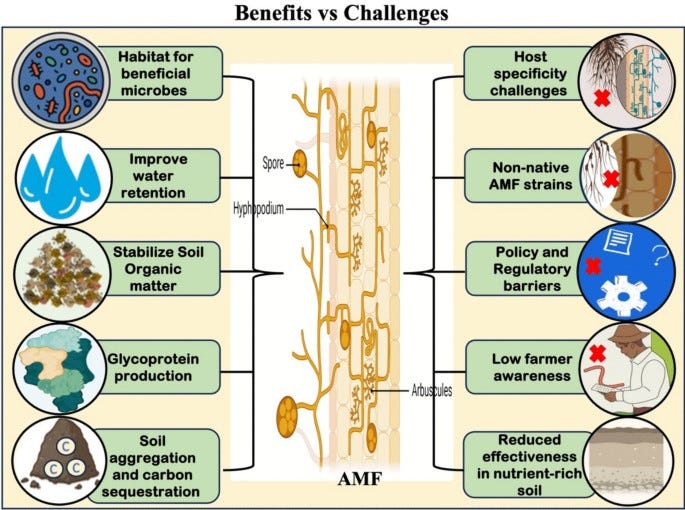
Recovery takes time. But early action can still stop a damaged system becoming a dead one.
Conclusion
The failure of mycelium is a warning shot. It tells us that a food model built on repeated chemical force is not smart, not modern, and not morally neutral.
It is a model that treats living infrastructure as disposable, then acts shocked when the system turns fragile.
For founders, professionals, and anyone serious about climate truth, the question is simple: are your values on your website only, or in your supply chain and on your plate too?
If you want ethics, performance, and ecological honesty to line up, Join the Better Human Project. In 2026, integrity should be visible above ground and below it.