The Vegan Advantage: What a Plant-Based Diet Does to Your Recovery, Sleep, and Training Output
-
by
 Saket Sambhav
 - No Comments on The Vegan Advantage: What a Plant-Based Diet Does to Your Recovery, Sleep, and Training Output
If you’ve ever watched a documentary about vegan athletes, you’ve probably heard the hype. They talk about "superhuman" recovery times and feeling like they have a second engine during workouts. But is it actually true? Or is it just a lot of marketing for kale?
As it turns out, the science is pretty cool. Moving toward a plant-based diet isn't just about being kind to the planet (though that’s a massive plus). It’s about giving your body a cleaner, more efficient fuel source. Whether you're a weekend runner or a gym regular, what you put on your plate changes how you feel when you wake up and how you perform when you’re pushing your limits.
At The Better Human™ Life Foundation, we’re all about direct action: whether that’s restoring mangroves or helping you become the best version of yourself. Let’s dive into how plants can give you an edge.
Key Takeaways
- Faster Recovery: Plants are packed with antioxidants that fight inflammation, meaning you’re less sore after a tough workout.
- Better Energy: Complex carbs from whole plants provide a steady stream of fuel, so you don't "bonk" or crash mid-training.
- Deeper Sleep: Magnesium-rich plant foods help relax your muscles and nervous system for more restorative rest.
- Clean Fuel: Lower saturated fat intake improves blood flow, getting oxygen to your muscles exactly when they need it most.
Recovery is where the magic happens
We’ve all been there. You have a great workout on Tuesday, but on Wednesday, you can barely walk down the stairs. That’s inflammation at work. While some inflammation is normal (it’s how muscles grow), too much of it slows you down.
Meat and dairy can sometimes trigger more inflammation in the body. On the flip side, plants are like a natural first-aid kit. Berries, leafy greens, and nuts are loaded with antioxidants. These little guys go to work neutralizing the "trash" (free radicals) your body creates during exercise.
When you eat more plants, your "markers" of inflammation usually drop. This doesn't mean you’ll never be sore again, but it does mean your body can bounce back faster. Instead of taking three days to recover from a long run, you might find you’re ready to go again in two.

Taking the time to recover is just as important as the workout itself, and plants help speed up that process naturally.
Training output and the carbohydrate secret
There’s a big myth that athletes need massive amounts of animal protein to perform. In reality, your body’s preferred fuel for high-intensity training is carbohydrates. Specifically, complex carbs.
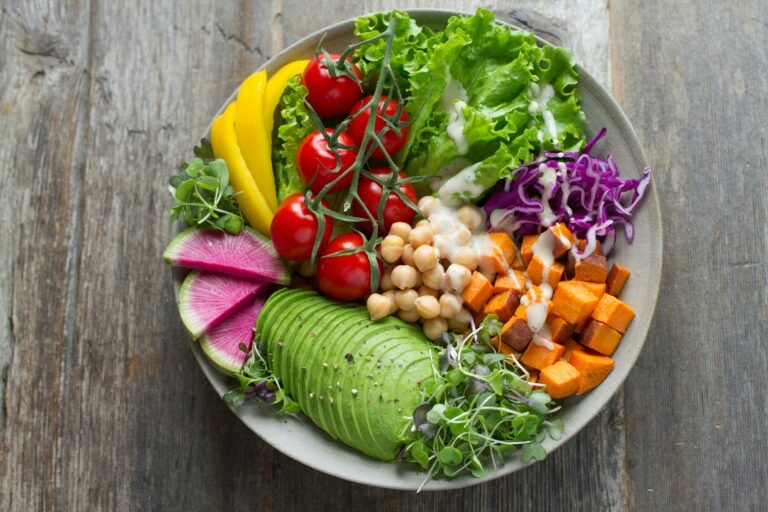
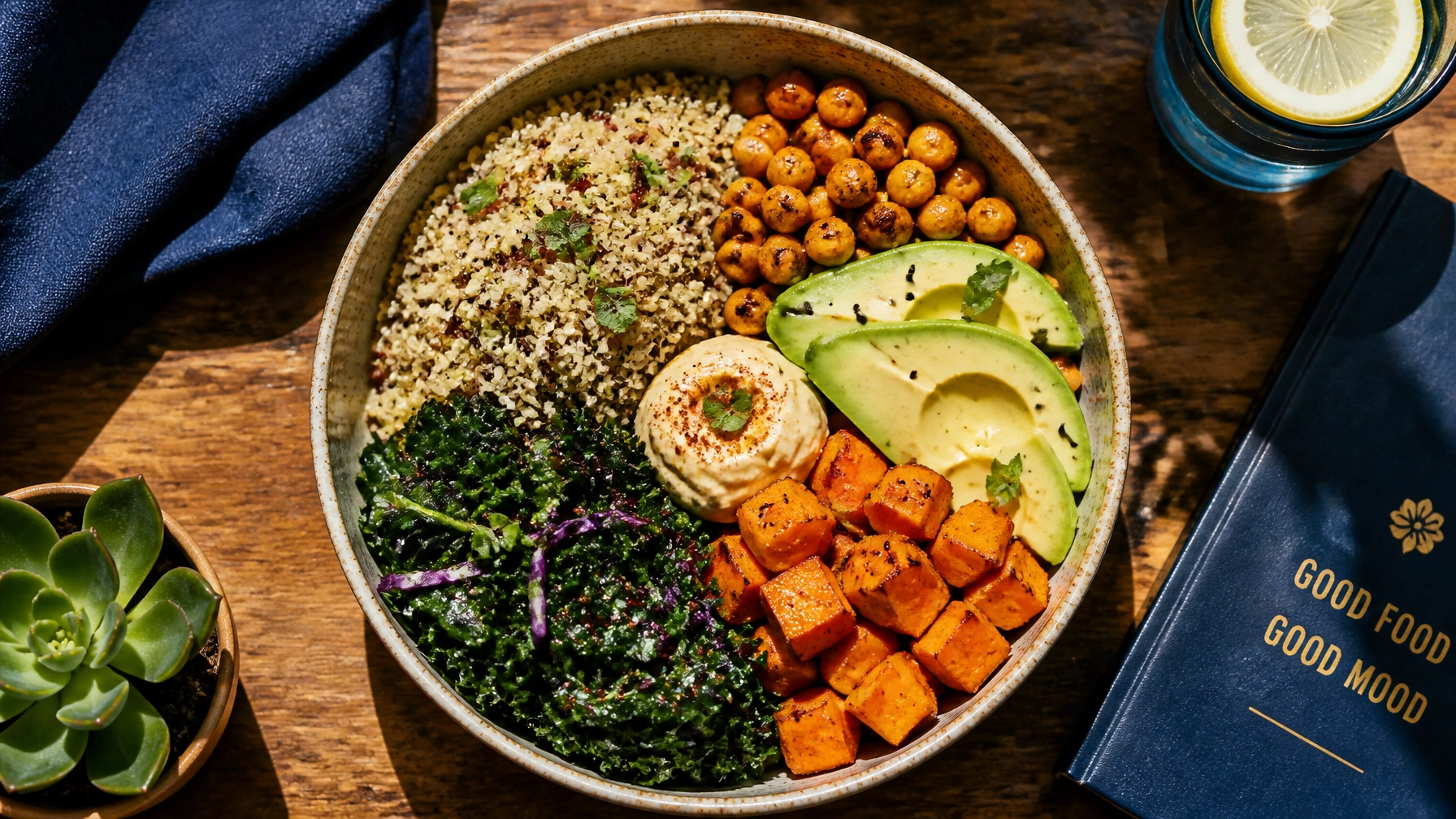
Think of your muscles like a fuel tank. That tank is filled with glycogen, which comes from carbs. Plants like oats, sweet potatoes, quinoa, and brown rice are the ultimate "slow-burn" fuel. They don't give you a quick spike and crash; they give you a steady flow of energy that lasts for hours.
Also, a plant-based diet is usually lower in saturated fats. This helps your blood stay "thinner" and flow more easily. When your blood flows better, it delivers oxygen to your muscles more efficiently. This can lead to better endurance and even an improved VO2max (a fancy way of saying your body gets better at using oxygen).
Sleeping like a pro
You can train as hard as you want, but if you aren’t sleeping, you aren't improving. Sleep is when your body repairs tissue and releases growth hormones.
Many plant-based staples are naturally high in magnesium and potassium. These minerals are like nature’s muscle relaxants. Foods like pumpkin seeds, spinach, and bananas help calm your nervous system, making it easier to drift off.
Plus, because plant-based meals are usually easier to digest than a heavy steak, your body isn't working overtime to process dinner while you’re trying to sleep. A lighter digestive load often leads to fewer wake-ups during the night and a more refreshed feeling in the morning.

Restorative sleep is the foundation of every "Better Human" journey.
The bigger picture of being a better human
At the end of the day, choosing a plant-based path is about more than just personal gains. It’s about accountability. It’s about recognizing that our personal health and the health of the planet are the same thing.
When we talk about climate literacy, we’re talking about understanding these connections. Eating plants reduces your carbon footprint, saves water, and protects biodiversity. It’s a direct action you can take every single day.
We believe in transparency and direct impact. Just like you want to know exactly what’s going into your body, we make sure you know exactly where your contributions go: 100% to the field, with zero "admin leakage." Whether you're optimizing your diet or supporting an environmental mission, it’s all part of the same goal: leaving things better than we found them.
Start small and see the difference
You don't have to go "all or nothing" overnight. Try swapping one meal a day for a plant-based version. Maybe it’s a big smoothie for breakfast or a hearty bean chili for dinner. Pay attention to how you feel the next morning.
Are you less stiff? Do you have more energy in your afternoon workout? Does your head feel a bit clearer?
Small changes lead to big results. Being a "Better Human" isn't about being perfect; it’s about making choices that align with your health and your values. Your body (and the planet) will thank you for it.
FAQs
Where do I get my protein if I stop eating meat?
Don't worry, you won't waste away! Lentils, chickpeas, tofu, tempeh, hemp seeds, and even vegetables like broccoli are great protein sources. If you eat a variety of whole plants and get enough calories, you’ll get all the protein your muscles need.
Will I lose muscle on a plant-based diet?
Not at all. Some of the world’s strongest people: including NFL players and weightlifters: are vegan. As long as you keep training and eat enough protein-rich plant foods, you can build and maintain muscle just like anyone else.
Is it expensive to eat this way?
It’s actually usually cheaper! Meat and cheese are often the most expensive items on a grocery list. Staples like beans, rice, oats, and seasonal veggies are some of the most budget-friendly foods on the planet.
What if I’m still hungry after a vegan meal?
This usually happens because you didn't get enough fiber or healthy fats. Make sure your meals include things like avocado, nuts, or seeds, and plenty of fiber-rich grains. Plants are less "calorie-dense" than meat, so you might find you actually need to eat a bigger portion than you’re used to!