Used Cooking Oil Disposal India: Verify Restaurant Claims
 TBH Editorial
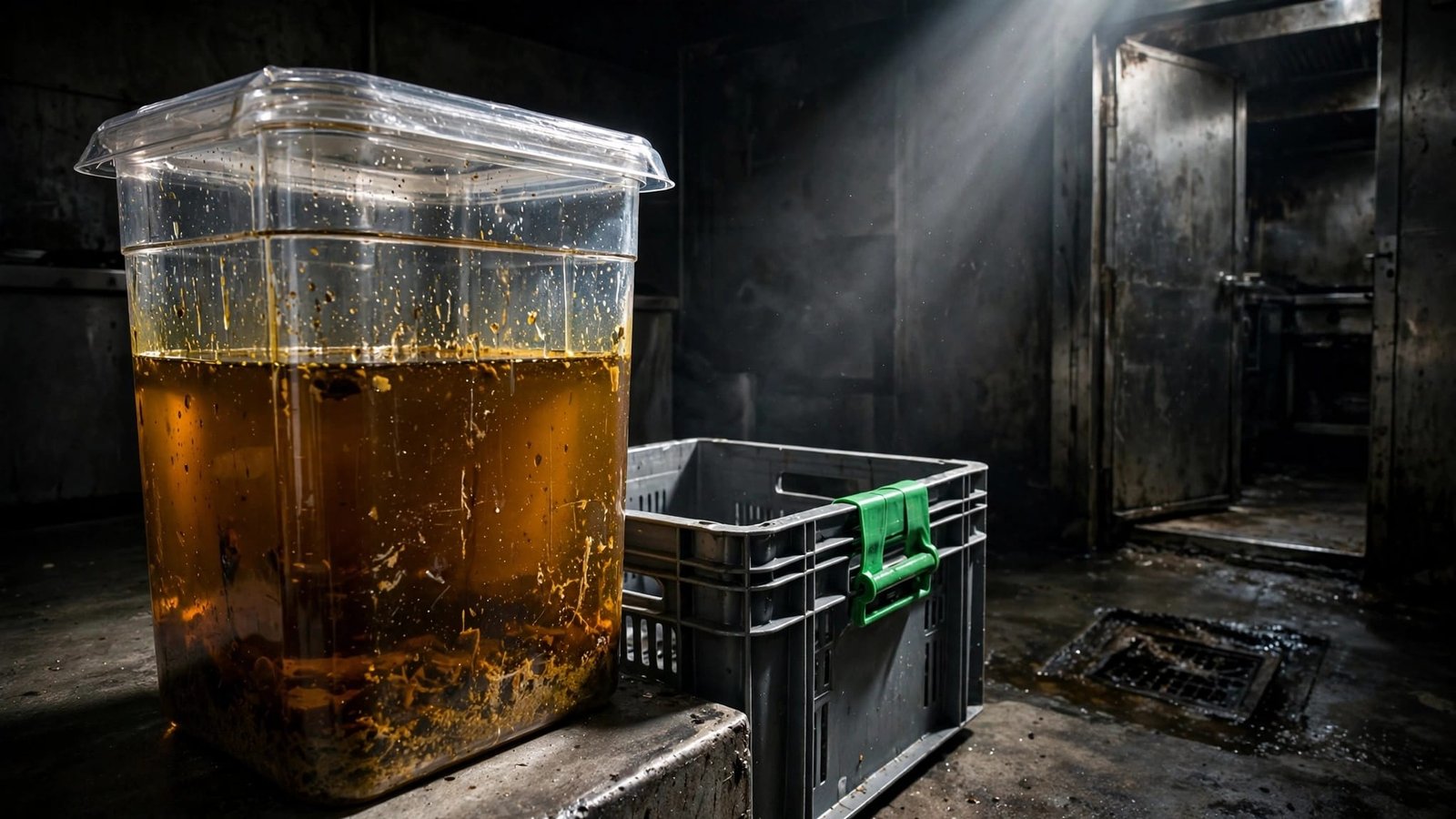
A greasy drain behind a restaurant can tell a bigger story than a polished sustainability poster. If used frying oil disappears without a record, it may be diverted into informal reuse or an untraceable disposal route.
Used cooking oil disposal India is not a small back-of-house chore. It is a food-safety concern, a public-health concern, and a test of whether a restaurant’s climate claims hold up under scrutiny. The FSSAI RUCO page offers a useful reference for understanding responsible oil recovery.
Here is how to check the evidence, ask better questions, and separate real UCO recovery from convenient green talk.
Key Takeaways
- Under current FSSAI guidance, oil exceeding the 25% Total Polar Compounds limit should not return to the fryer.
- Food businesses using more than 50 litres of edible oil daily for frying must maintain UCO disposal records.
- A collector’s name means little without collection dates, quantities, receipts, and proof of authorised handover.
- Separate, sealed storage protects drains, workers, food areas, and the integrity of the collection route.
- A renewable fuel claim is credible only when traceability is established before the oil reaches the processing plant.
A clean kitchen isn’t proof of responsible disposal. The proof sits in the drum, the register, and the collection receipt.
Why Old Frying Oil Needs Real Scrutiny
Restaurants often treat used cooking oil as invisible waste. That is where the trouble starts. A batch gets darker, smells stale, and is topped up with fresh oil until nobody can say how long it has been in service.
The 25% TPC limit is a food-safety line
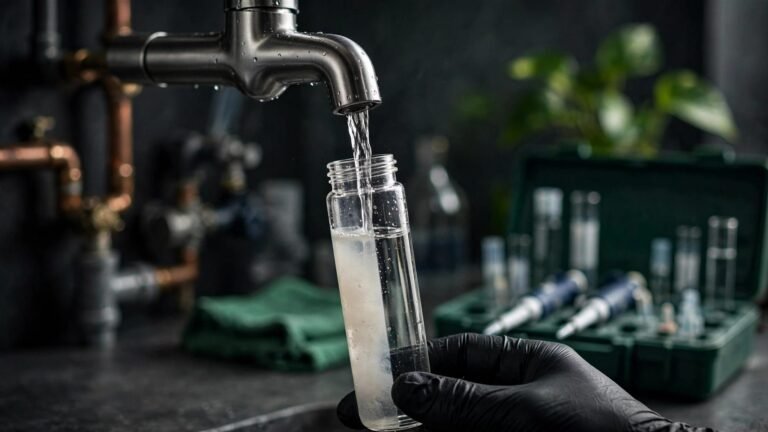
Repeated heating changes frying oil. It builds Total Polar Compounds, or TPC, along with rancid by-products and free radicals. FSSAI says oil above 25% TPC is not suitable for human consumption.
That means a restaurant shouldn’t keep reheating it because the oil still looks usable. Colour alone can’t confirm safety. A restaurant that fries daily needs a defined oil-change routine, not guesswork.
The RUCO framework was built around this problem. It asks food businesses to move discarded oil away from plates and into a documented recovery chain.
The damage does not stop at the kitchen door
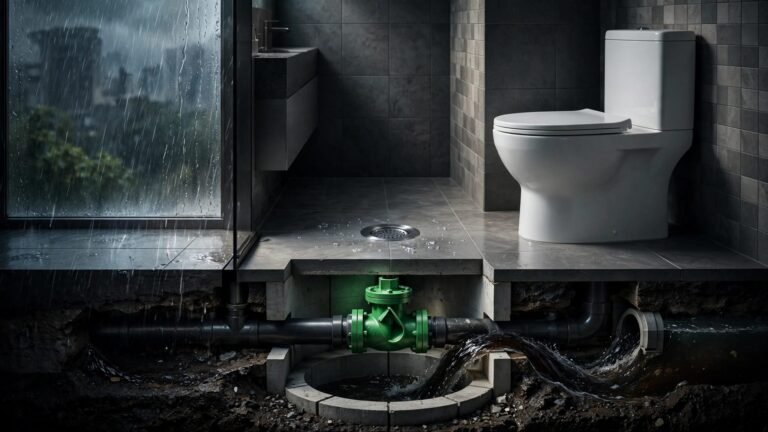
Pouring oil into a drain feels quick. It can coat pipes, trap food waste, and contribute to stubborn blockages. When systems overflow, sanitation workers and nearby communities carry the mess.
Discharged grease can also reach local water bodies, depending on drainage and treatment conditions. It can complicate wastewater management, especially where systems have limited capacity for grease from commercial kitchens.
For restaurants built around plant-based living or conscious menus, this is an uncomfortable point. A menu can support lower emissions while disposal remains one part of its carbon footprint.
What Food Safety Rules Expect From Food Businesses
The rules aren’t designed to punish small restaurants. They set practical duties for FBOs, meaning food business operators, including restaurants and hotels.
Record daily oil use and disposal
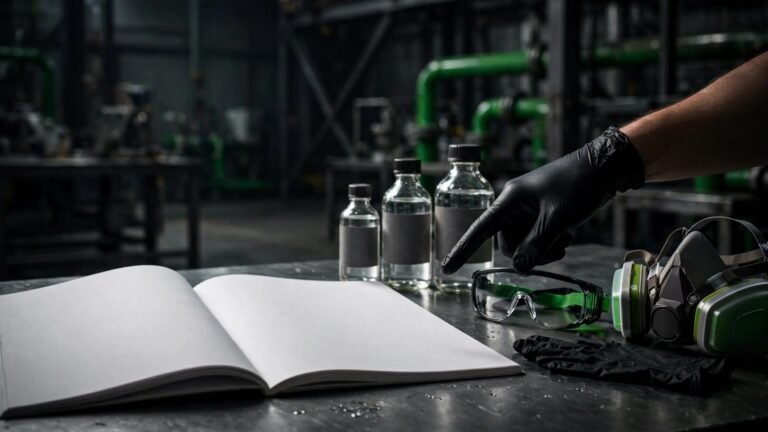
Under current FSSAI guidance, FBOs using more than 50 litres of edible oil per day for frying must maintain UCO records. The register should show:
- The date and type of oil used for frying.
- The quantity of fresh oil used and UCO discarded.
- The disposal date and method.
- The collector or agency that received the oil.
The Tamil Nadu Food Safety Department’s RUCO guidance explains the wider policy aim: recover used oil for biodiesel instead of allowing it to be reused in food or dumped into drains.
A paper register is acceptable if it’s complete. A digital sheet works too. What matters is whether entries match the restaurant’s fryers, oil purchases, storage capacity, and pickup history.
Store it separately before collection
Used oil should go into dedicated storage drums after it cools. They should be closed, leak-resistant, and kept away from food preparation areas and drains. This prevents contamination and keeps oil waste from becoming another food waste problem.
Look for a simple, disciplined setup:
- One clearly separate container for UCO.
- A lid that closes properly and doesn’t leak.
- A location away from food preparation and storm-water drains.
- A routine for transferring oil without spills.
This isn’t glamorous work. It’s the boring part of a sustainable business model, and it’s where many sustainability claims fall apart.
How to Verify Used Cooking Oil Disposal India Claims
If a restaurant says it sends oil for fuel recovery, don’t settle for a vague answer. Ask for the chain of custody.
Check the collector, not only the restaurant
Start with four questions: Who collects the oil? How often? What quantity was collected last time? Can the restaurant show the receipt?
The RUCO guidance calls for handover to authorised UCO aggregators or collection agencies. Restaurants should identify the receiving organisation by its legal or registered name, contact details, and collection partners. They should also provide the pickup date, quantity, receipt or handover record, and evidence of its connection to an authorised route. Restaurants may use the Eat Right India RUCO resources to understand the collection framework and official guidance.
If paperwork mentions BIOD, flag it for review unless a current primary source confirms its meaning and role. If available, check a current official state or RUCO listing for the organisation.
Match the drum to the paperwork
A credible record has details that agree with each other. A restaurant producing heavy fried food waste cannot plausibly show tiny quantities month after month.
Compare these basics:
| What to inspect | What a credible answer looks like |
|---|---|
| Storage drum | Separate, closed, clean around the outside, and sized for actual operations |
| Pickup record | Dated UCO collection receipt with quantity and collector details |
| Frequency | A schedule that fits the restaurant’s frying volume |
| Oil-use register | Entries showing cooking oil used, discarded, and handed over |
| Staff knowledge | Kitchen staff can explain where cooled oil goes |
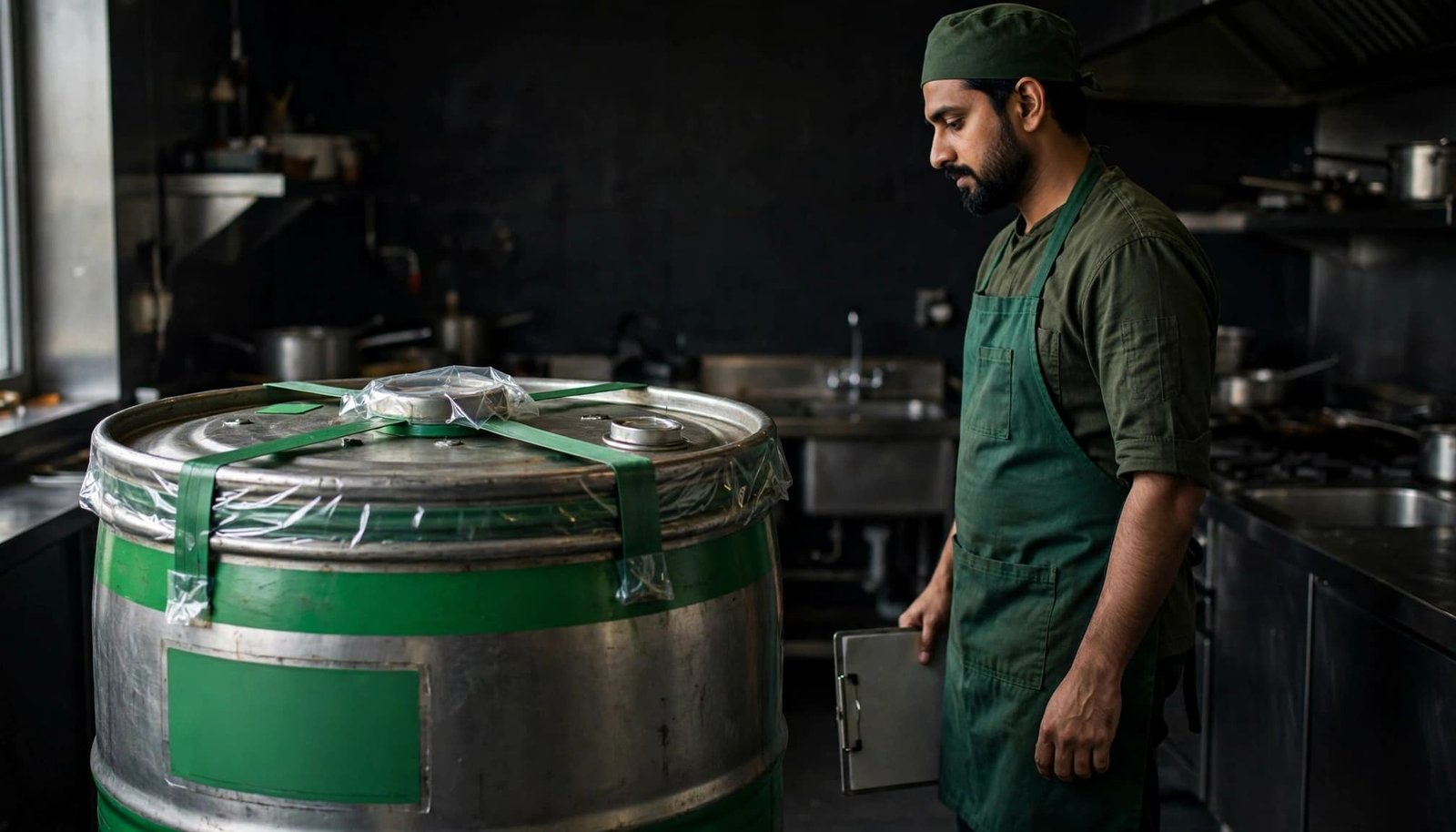
A receipt without a quantity is weak evidence. So is a full drum with no pickup trail. Verification means following one batch from fryer to collector, not admiring a certificate on a wall.
What Happens After UCO Collection
The strongest disposal system does more than remove waste. It keeps material in a circular economy without shifting hidden risks onto workers or neighbourhoods.
Biodiesel begins with traceable oil
Aris BioEnergy describes a collection model using collection cans, scheduled pickups, barcoding, and sealed transport. These controls reduce the risk of oil being diverted back into food businesses.
A historical, company-reported account from Aris BioEnergy described collections from eateries and retail outlets in Mumbai. It shouldn’t be treated as a current citywide total.
The important question is simpler: can a restaurant show that its oil entered a documented route? That record supports a waste to energy pathway and a potential biofuel alternative to fossil diesel.
Conversion is a documented process
At a suitable processing facility, transesterification converts used cooking oil into biodiesel. Glycerine can be produced as a by-product.
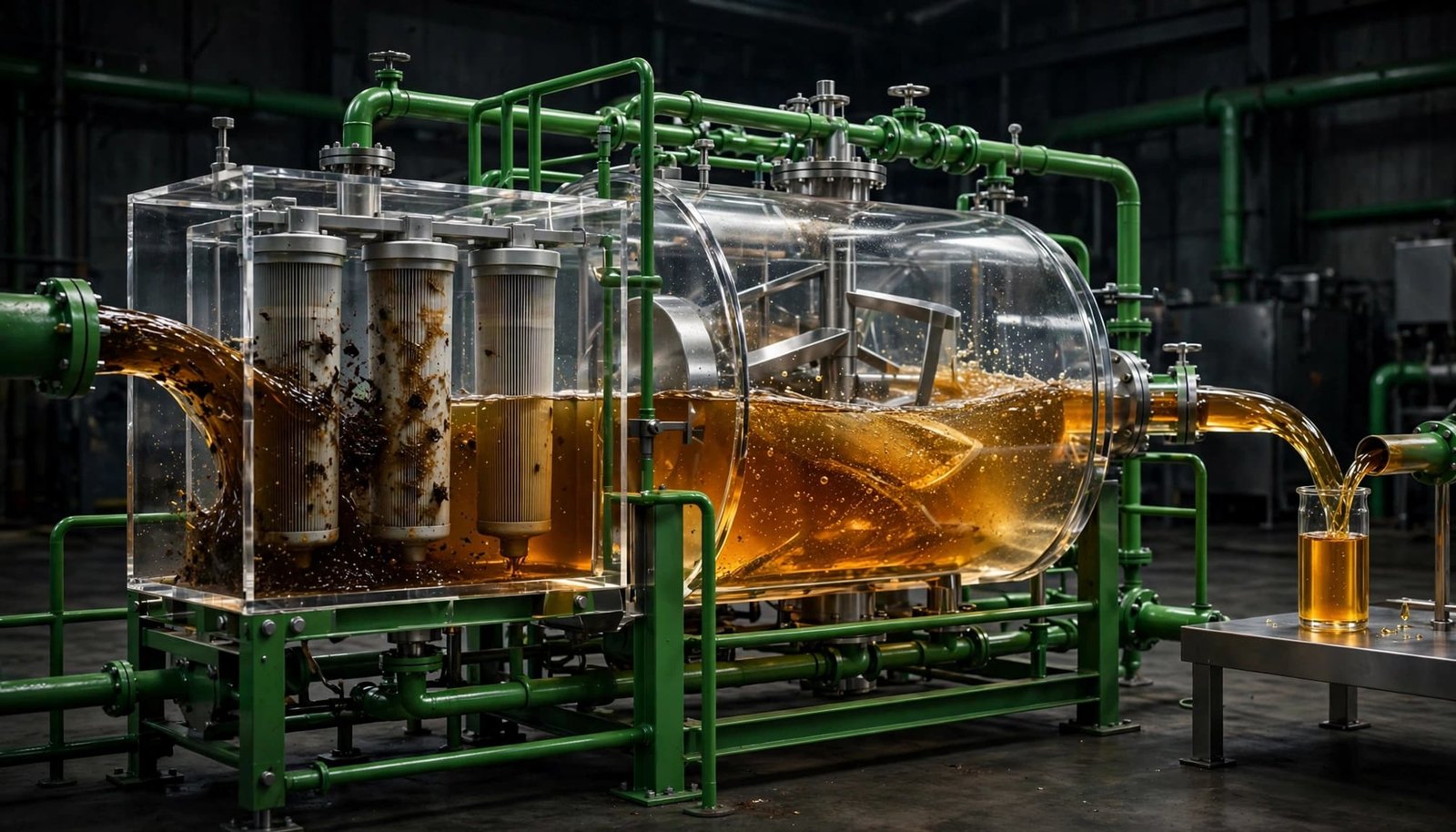
RUCO encourages the recovery of used cooking oil for safer downstream use. Its public RUCO announcement describes the goal of keeping unsafe oil out of food circulation.
Conversion is not automatic, and collection alone doesn’t guarantee processing. If an aggregator can’t document the destination, the chain has already failed.
What Households and Small Kitchens Can Do
Households produce less oil, but cooking oil disposal follows the same no-drain principle as commercial disposal. Never pour cooled oil down a sink, toilet, roadside drain, or open ground.
Let the oil cool. Remove food particles before sealing it, and dispose of the food waste separately where local rules allow. Store the oil in a separate, leak-proof container. For household disposal, give it to an authorised collector where local collection exists. If none is available, ask the municipal waste or food-safety authority about an approved route. Safe handover is preferable to disposal methods that involve pouring oil into drains.
Filtering used cooking oil for a curry may be acceptable in limited household use, but do not reuse it for frying. Repeated frying degrades the oil and can create the same chemical risks associated with commercial UCO.
An oil solidifier changes the oil’s form, but it doesn’t remove the need for a lawful, safe waste route. Products marketed as a cooking oil hardener aren’t a standardised national disposal system, so check local requirements before using one.
Using oil lamps or making decorative candles isn’t a default disposal recommendation. These practices can create smoke and fire risks, while giving false confidence that the waste problem has been solved. Everyday mindfulness means choosing the safer option, even when a dramatic reuse idea sounds appealing.
Turn Restaurant Claims Into Public Accountability
Systemic change starts when people stop treating disposal as a private detail. A restaurant’s waste management affects drains, workers, street hygiene, and public trust.
Ask narrow questions that get answered
If you are a customer, employee, resident, or delivery worker, keep your questions factual. Ask for the collector’s name, the latest pickup date, the quantity collected, the receipt, and whether the restaurant keeps an internal register.
If you need to raise a complaint, check the process used by the local Food Safety Officer, state food-safety department, or municipal authority. Request inspection information and any records lawfully available for one named outlet and a defined period.
A broad accusation gets brushed aside. A dated request for specific documents is harder to ignore.
Make the action visible
Restaurants can publish a simple monthly figure for UCO handed to an authorised collector. It doesn’t need marketing language. A date, quantity, receipt, and verified destination are enough.
That is climate literacy in practice. Environmental claims should be tested against records and outcomes, not treated as proof of reduced carbon emissions.
Urban biodiversity also depends on these ordinary choices. A blocked drain, contaminated water edge, or unmanaged waste lane becomes part of the habitat that birds, insects, street animals, and people must live with.
If you want to support practical work that connects environmental accountability with community action, Explore Our Active Missions.
A Better Standard for Restaurant Oil Waste
The right question is not, “Does this restaurant recycle oil?” The right question is, “Can it prove where the oil went?”
A sealed drum for used cooking oil, a truthful register, and an authorised collection receipt protect far more than a restaurant’s reputation. They keep unsafe oil off plates and out of drains.
Real sustainability becomes a sustainable solution when it leaves a verifiable trail of evidence.
Frequently Asked Questions
Can I ask a restaurant how it disposes of used cooking oil?
Yes. Ask politely for the collector’s name, the latest collection date, and whether the restaurant keeps a disposal record. A responsible operator should be willing to explain its process.
What proves a used cooking oil collector is legitimate?
Look for a named organisation, contact details, dated quantity-based handover records, and consistent pickup history. Evidence of an applicable authorised collection route is also useful. A verbal claim or undated invoice alone is not enough.
Does a restaurant need records if it uses less than 50 litres of oil a day?
The formal recordkeeping threshold applies to food businesses using more than 50 litres of edible oil per day for frying. Smaller outlets should still store used oil safely and hand it over through a traceable disposal route. Even small quantities can block drains or return to the food chain.
Should customers avoid restaurants that cannot show disposal proof?
Ask for clarification first. Weak recordkeeping does not automatically prove illegal diversion, especially at a small outlet. If the restaurant cannot explain its process or appears to reuse degraded oil, choose another place and contact the relevant state food-safety or municipal channel.