Climate Literacy 101: A Beginner’s Guide to Turning Environmental Dread into Leadership
-
by
 Saket Sambhav
 - No Comments on Climate Literacy 101: A Beginner’s Guide to Turning Environmental Dread into Leadership
Key Takeaways
- Awareness is not enough. Knowing the planet is dying is just “green theater” if you don’t understand the systemic mechanics behind the collapse.
- Literacy is the antidote to anxiety. Moving from emotional dread to technical understanding (hydrology, land-use, debt cycles) provides the agency needed for leadership.
- Direct action trumps ceremony. Real leadership is found in verifiable, geo-tagged impact: like planting mangroves or securing school transport: rather than symbolic gestures.
- Youth are the auditors. Today’s students are shifting from being victims of climate change to being the primary accountants of our ecological debt.
A lot of people care about climate change.
That’s not the problem.
The problem is that most of us are given headlines, scary stats, and guilt. But not enough real understanding. So we end up worried, overwhelmed, and stuck.
That’s where climate literacy comes in.
Climate literacy simply means understanding what’s going wrong, why it’s going wrong, and what actually helps. Not the performance. Not the slogans. The real stuff.
And honestly, that shift matters.
Because eco-anxiety often comes from feeling like everything is broken and you have no idea what to do next. When you start to understand the bigger picture, things feel less foggy. You may still care deeply. But now you can act with direction.
If you want a simple next step, read 5 Steps to Lower Your Ecological Footprint and Beat Eco-Anxiety, which fits naturally into our Environment coverage.
Why Environmental Dread Feels So Heavy
If you’ve ever felt anxious after reading climate news, that makes sense.
You are not overreacting.
You are reacting to something real.
But here’s the catch. Fear gets worse when you only see the damage and not the cause. You see floods, heatwaves, dead rivers, or dirty air. But you don’t always see what caused them.
You see the flood. But maybe you don’t see the brick kilns stripping the fertile topsoil upstream.
You see extreme heat. But maybe you don’t see the bad planning, disappearing trees, and concrete-heavy growth that made the city hotter.
That missing link is what keeps people stuck.
Climate literacy helps you connect the dots. It helps you stop staring only at the symptom and start asking better questions about the source.
That’s when worry starts turning into leadership. Not overnight. But for real.

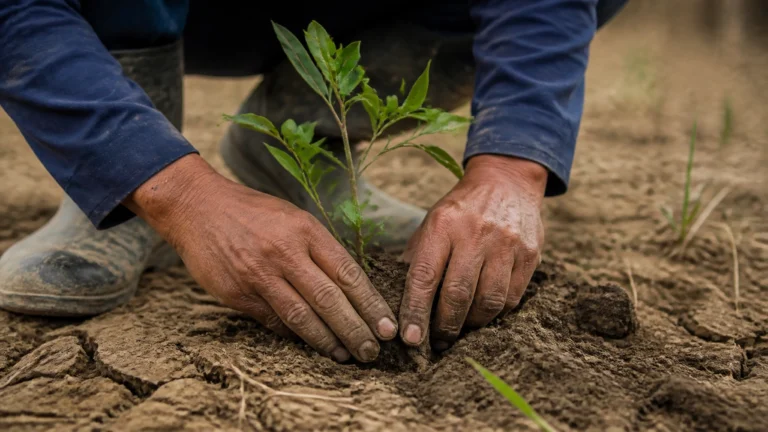
Caption: Real climate education is students learning how water, land, and heat connect to everyday life.
Credit: AI-generated image.
What Climate Literacy Actually Looks Like
It does not mean sounding like a scientist.
It means learning to ask simple, honest questions.
Like:
- What is really causing this problem?
- Is this solution real or just for show?
- Can anyone verify the impact?
- Who benefits?
- Who pays the price?
That’s important because a lot of climate talk is just performance.
A nice campaign. A polished speech. A feel-good donation page. A brand saying the right words while changing very little.
That kind of thing looks helpful from far away.
Up close, it often falls apart.
Real climate action should be clear, measurable, and honest. That’s why the difference matters so much. Planting a tree can be good. But fixing the conditions that let an ecosystem survive is better. That’s why restoring tidal flow for a mangrove ecosystem matters more than symbolic gestures.
The point is simple.
Don’t just ask what looks good.
Ask what actually works.
Learning Reduces Helplessness
A lot of eco-anxiety comes from this feeling:
“I care, but I don’t know what to do.”
That feeling is common. Especially for young people.
The good news is that learning changes that.
Once you understand how problems work, you can spot where action matters. You can see where people are wasting time. You can tell the difference between a real fix and a publicity stunt.
That’s one reason we built WriteToWin.
It’s not just a contest. It’s a way for young people to think harder, speak more clearly, and take environmental issues seriously. Not as spectators. As participants.
Not every young leader starts with a microphone or a stage.
Sometimes it starts with one student asking a better question in class.
Sometimes it starts with noticing a local problem that everyone else ignores.
Sometimes it starts with refusing to settle for fake solutions.
That’s leadership too.

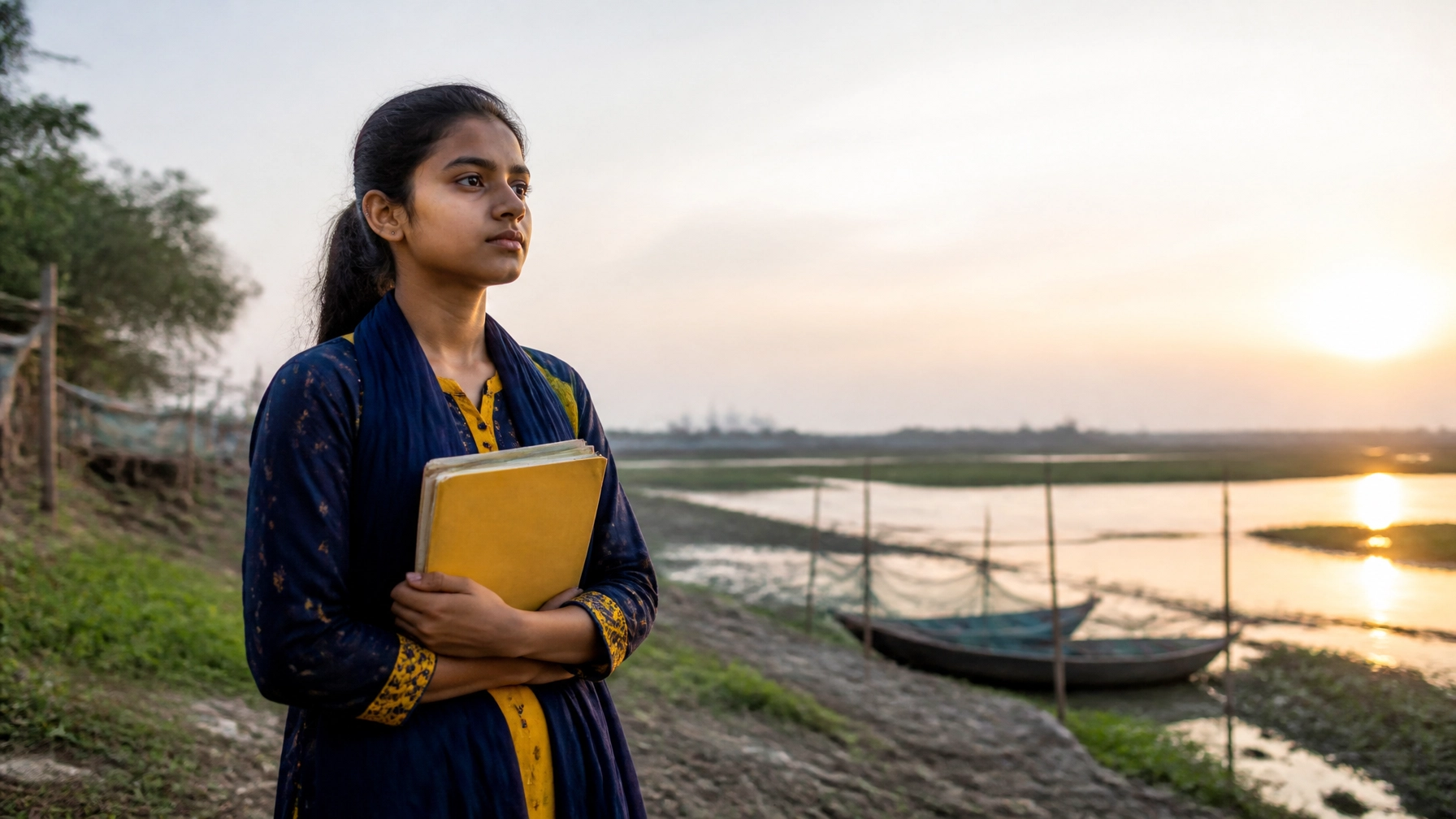
Caption: Leadership often starts when a student realizes their voice can lead to real action.
Credit: AI-generated image.
What Direct Action Means to Us
At The Better Human™ Life Foundation, we care a lot about accountability.
We are not interested in charity theater.
We are interested in real work.
That means public contributions go straight to the field. Our founders cover operational costs. And we track action in a way people can actually see.
If you want a clearer breakdown of why that matters, read Non-Profit Transparency Secrets Revealed. It fits well within our Activity category.
We also keep our work visible through the Live Mission Tracker.
That matters because trust should not depend on marketing.
It should depend on proof.
We focus on direct action with grassroots partners. That includes work like mangrove restoration, biodiversity support, and practical interventions that help communities and ecosystems at the same time.
In simple terms, we try to back work that is urgent, grounded, and real.
Not ceremonial.
Young People Can Lead Right Now
You do not need to wait to become an expert.
You do not need to wait to become older either.
Leadership starts when you stop accepting shallow answers.
It starts when you look at a climate problem and ask:
What is really happening here?
What caused it?
What would actually help?
That mindset changes everything.
It turns climate concern into useful action.
It turns anxiety into focus.
It turns young people from passive observers into people who can lead, question, build, and push for better choices.

Caption: Youth advocacy gets stronger when students move beyond slogans and start asking sharper questions.
Credit: AI-generated image.
From Fear to Action
You do not need to shut off your concern.
You need to direct it.
That’s the whole idea.
Climate dread is painful. But it can also be useful if it pushes you to learn, pay attention, and act with more honesty.
Start small.
Read better.
Ask tougher questions.
Support work you can verify.
Notice the difference between performance and proof.
And remember: the goal is not to look concerned. The goal is to become useful.

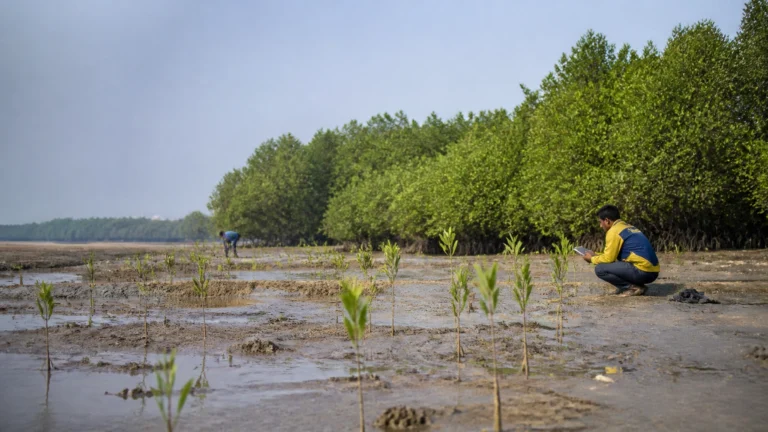
Caption: Real climate action is practical, messy, and grounded in work that can be seen and verified.
Credit: AI-generated image.
Environmental anxiety is not the end of the story. It can be the start of clearer thinking, stronger action, and better leadership.
Frequently Asked Questions
What is climate literacy in simple words?
Climate literacy means understanding climate problems in a practical way. You learn what is causing the damage, what solutions are real, and how to take action that actually helps.
Can climate literacy really help with eco-anxiety?
Yes. It won’t make you stop caring, but it can make you feel less helpless. When you understand the problem better, it becomes easier to figure out what to do next.
What does youth climate leadership look like?
It can look like asking better questions, joining a platform like WriteToWin, supporting a local project, or helping people understand what real climate action looks like. It does not have to be flashy to be real.
How does The Better Human Life Foundation make sure its impact is real?
We use a Live Mission Tracker to show what is happening in the field. We also make sure public contributions go directly to the work, while operational costs are covered by our founders.