“Humane Exploitation” is a Myth: The Dairy Paradox and the Labels We Hide Behind
-
by
 Saket Sambhav
 - No Comments on “Humane Exploitation” is a Myth: The Dairy Paradox and the Labels We Hide Behind
Walk into any supermarket in India today, and you are greeted by a wall of “conscious” choices. There is “A2 milk” for health, “grass-fed” for the environment, and cartons adorned with sketches of smiling cows frolicking in meadows. These labels are designed to make us feel good. They suggest a partnership, a gentle exchange where the cow gives, and we receive.
But for many of us, these labels serve a different purpose: they are the mental scaffolding that supports our cognitive dissonance. We live in a world where many people would never dream of eating beef, yet they happily pour milk over their cereal, unaware that both products often stem from the exact same cycle of industrialised life and death. The “humane” label isn’t just a marketing tool; it’s a way to sleep at night.
Key Takeaways
- The Dairy Paradox: We use mental gymnastics to justify dairy consumption, often viewing it as “indirect” or “neglectable” compared to meat.
- The Humane Halo: Marketing environmental benefits (like “grass-fed”) tricks our brains into assuming the animal’s welfare is also better, even without proof.
- India’s Reality: Despite religious reverence, India’s massive dairy industry frequently violates basic animal freedoms at every stage of a cow’s life.
- The Absent Referent: “Happy cow” packaging intentionally hides the real animal behind a sanitised, commercial image.
Understanding the Dairy Paradox
Why do we feel a sharp pang of guilt when seeing a slaughterhouse truck, but feel nothing when buying a bottle of cream? This is what researchers call the “Dairy Paradox.”
Recent studies by Kunze et al. (2026) and Davies & Stanley (2024) suggest that we use the same coping strategies for dairy as we do for meat: the “4Ns” (Natural, Normal, Necessary, Nice). However, dairy has a unique psychological shield: the “neglectable” strategy.
Because milk doesn’t require the immediate, visible death of the animal at the moment of collection, we tell ourselves the harm is indirect. We convince ourselves that because the animal is still alive, the suffering is somehow diluted or non-existent. We treat the cow not as a sentient being, but as a biological “milk machine” that just happens to produce a surplus for us.
Photo by Anita Jankovic on Unsplash
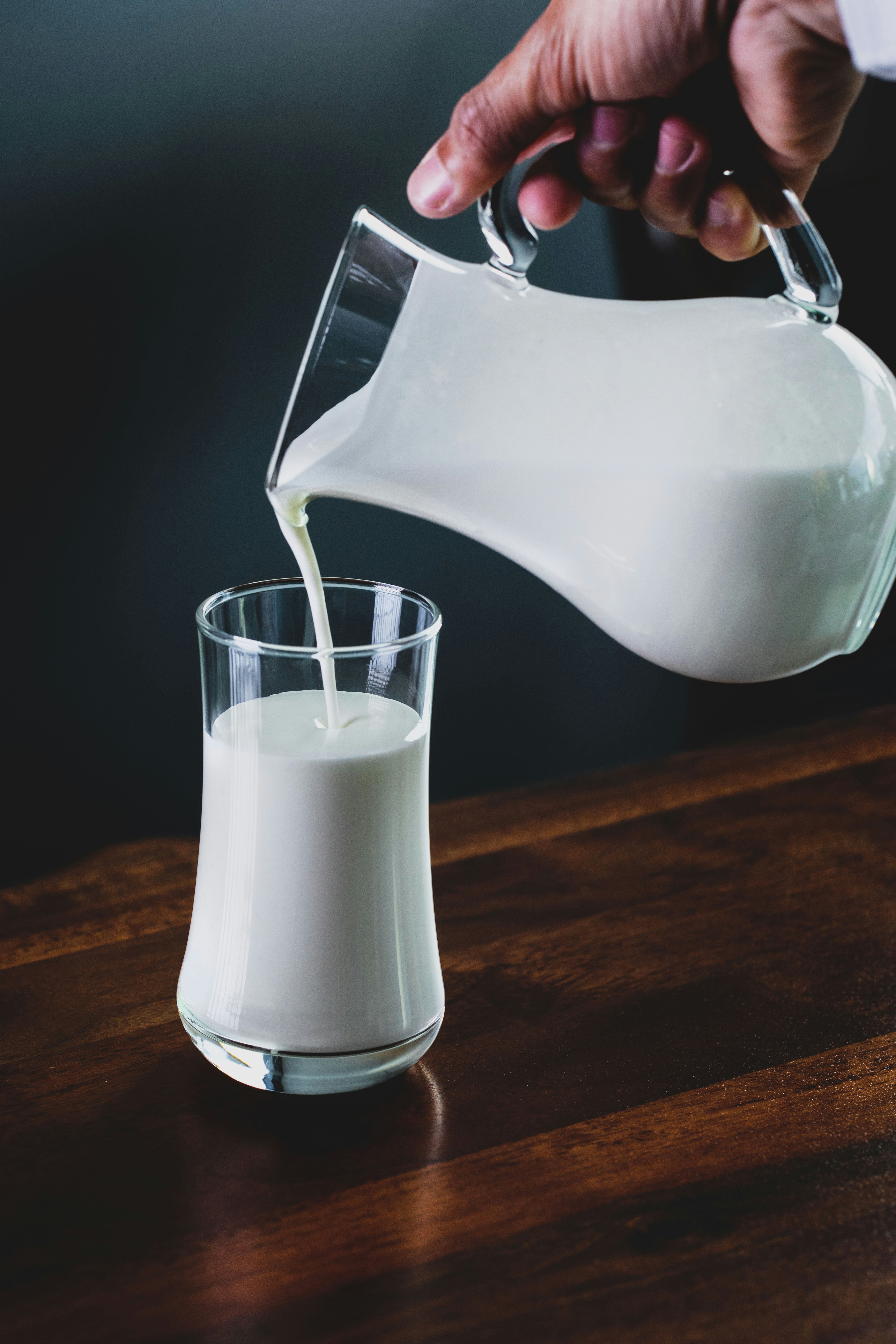
The Humane Halo Effect
The labels we see on shelves don’t just sell milk; they sell a story. Zamzow (2022) identifies a phenomenon known as the “Humane Halo.” When a product makes an environmental claim: like being “carbon neutral” or “locally sourced”: consumers naturally assume the animal welfare is also superior.
Our brains take a shortcut. We think, “If the farmer cares about the soil, they must care about the cow.” In reality, a cow can be “grass-fed” but still be subjected to forced impregnation, early calf separation, and restricted movement. The halo blinds us to the specific biological costs the animal pays for our “eco-friendly” choice.
India’s Cow Paradox: Reverence vs. Reality
India presents the world’s most striking contradiction in dairy. We are the world’s largest milk producer, home to one-third of the global cattle population. Cows are woven into the religious and cultural fabric of the nation, often referred to as Gau Mata (Mother Cow).
Yet, this reverence rarely translates into a life of dignity for the animals. A 2025 scoping review using the “Five Freedoms” framework found that at least one basic freedom: such as freedom from discomfort or freedom to express normal behaviour: is violated at every single life stage of dairy cows in India.
From the narrow, dark stalls of urban “tabelas” to the abandonment of male calves who are seen as “waste products” of the industry, the gap between our sacred rhetoric and our industrial reality is vast. In the pursuit of high yields, the “mother” is often treated as a mere unit of production.
Photo by Stijn Te Strake on Unsplash

The Hidden Harms of the Glass of Milk
What does “humane exploitation” actually look like? Ioannidou et al. (2023) argue that the dairy industry is built on a foundation of biological interventions that are fundamentally harmful, yet routinely downplayed.
To keep milk flowing, a cow must be pregnant. This leads to a cycle of forced impregnation and, most heartbreakingly, calf separation. In almost all commercial dairy systems, the calf is taken away within hours or days of birth so that the milk intended for them can be bottled for humans.
This separation causes acute distress for both the mother and the calf. The male calves, unable to produce milk, are frequently sold for leather, slaughtered for veal, or simply left to starve. These are not “accidents” of the system; they are the system. By framing cows as “milk machines,” we ignore their complex social structures and emotional lives.
Photo by Annie Spratt on Unsplash
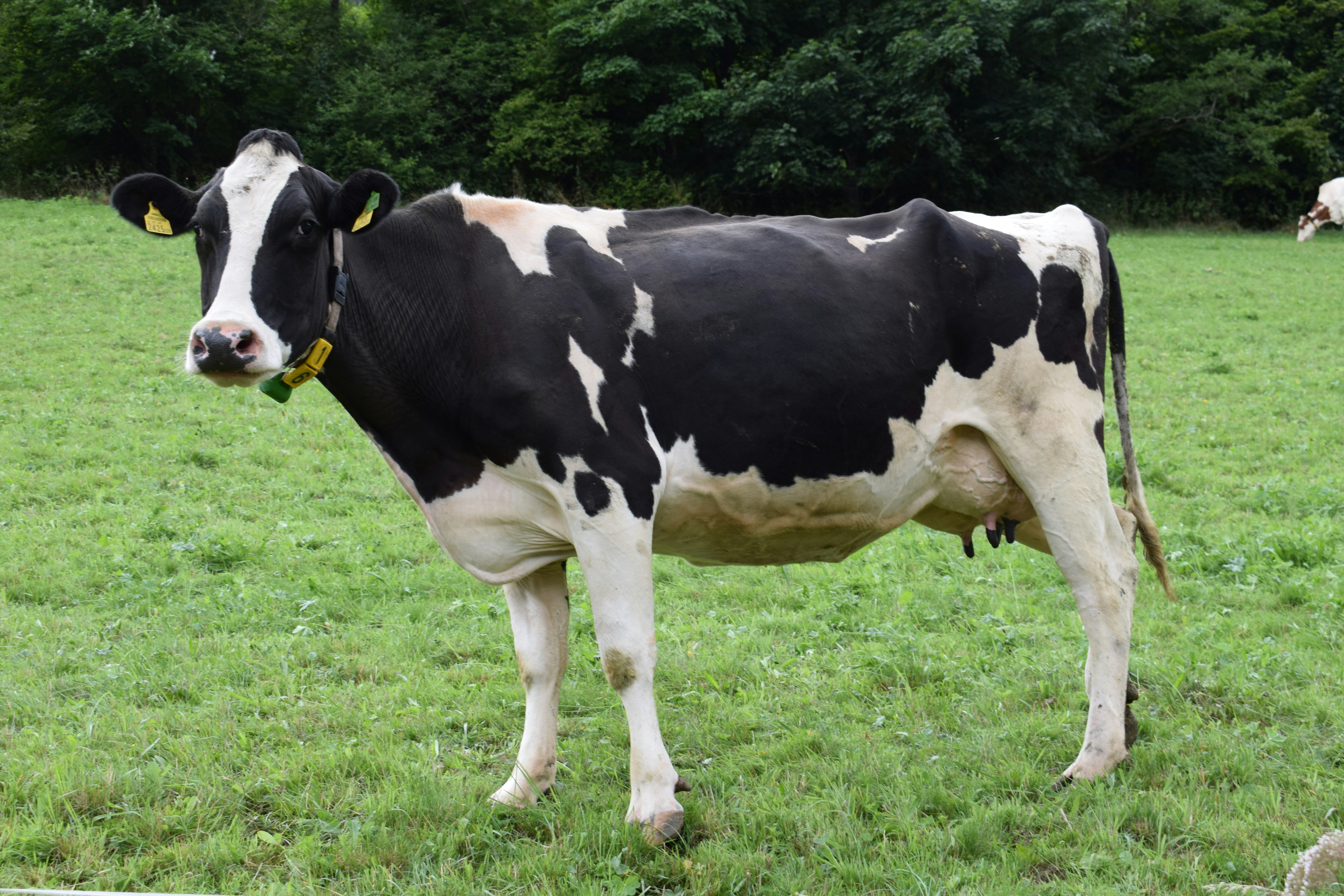
The “Happy Cow” and the Absent Referent
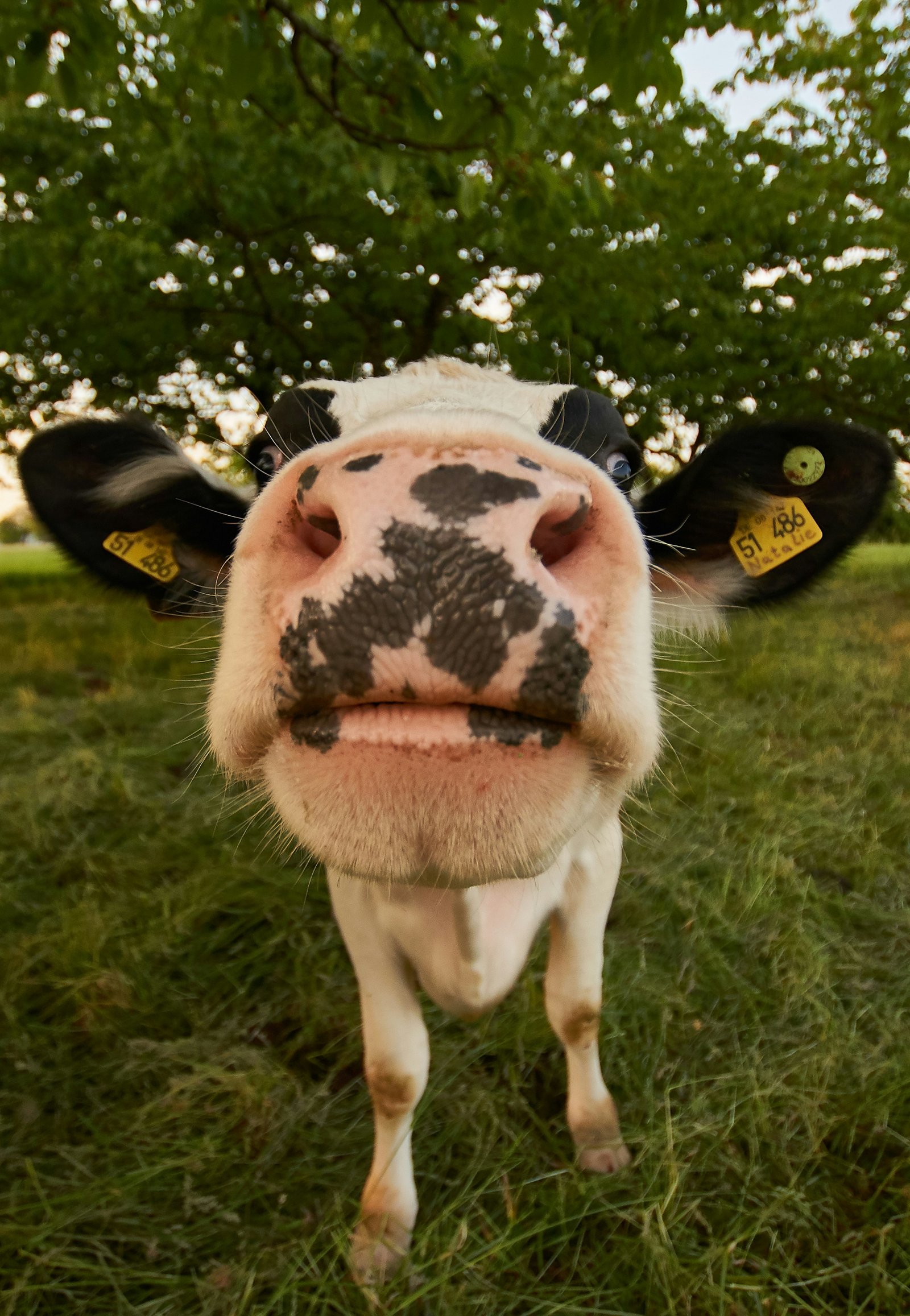
Have you ever noticed how the cows on milk cartons look nothing like the cows in industrial farms? Capilé et al. (2021) point out that this is a deliberate marketing strategy. By using “happy cow” imagery, brands create what is called an “absent referent.”
The real, breathing, suffering animal is replaced by a cartoon or a stylised photo. The animal is “absent” from the product, allowing the consumer to enjoy the milk without ever having to confront the individual who produced it. It turns a living being into a commodity, a logo, and eventually, a waste product.
Moving Beyond the Myth
At The Better Human™ Life Foundation, we believe that the first step toward true change is honesty. We don’t just advocate for slightly larger cages or “better” labels; we support direct-action interventions that respect the intrinsic value of all life.
Whether it’s through our Climate Literacy Platforms or our geo-tagged impact projects, we strive to bridge the gap between human consumption and ecological responsibility. We believe in accountability, not just “humane” marketing.
The “humane exploitation” of dairy is a myth because exploitation, by definition, ignores the consent and well-being of the individual. If we want to be “Better Humans,” we must start by calling things what they are. A glass of milk isn’t just a drink; it’s a choice that ripples through the lives of millions of sentient beings.
Let’s choose honesty over comfort.
Frequently Asked Questions
What is the “Dairy Paradox”?
It is the psychological phenomenon where people who care about animal welfare continue to consume dairy by using mental “neglect” strategies: viewing dairy as less harmful than meat because it doesn’t involve the immediate slaughter of the animal for the product itself.
Is “grass-fed” milk better for the cows?
While grass-fed cows may have more access to natural grazing, this label does not guarantee protection from standard industry practices like forced impregnation, early calf separation, or the eventual slaughter of the cow once her milk production declines.
Why is calf separation a welfare issue?
Cows are deeply social animals with strong maternal bonds. Separating a calf from its mother shortly after birth causes significant emotional distress for both and is a primary welfare concern in the dairy industry.
What can I do to help?
The most impactful step is to reduce or eliminate dairy consumption in favour of plant-based alternatives. Additionally, you can support organisations like The Better Human™ Life Foundation that focus on transparent, direct-action environmental and social interventions.