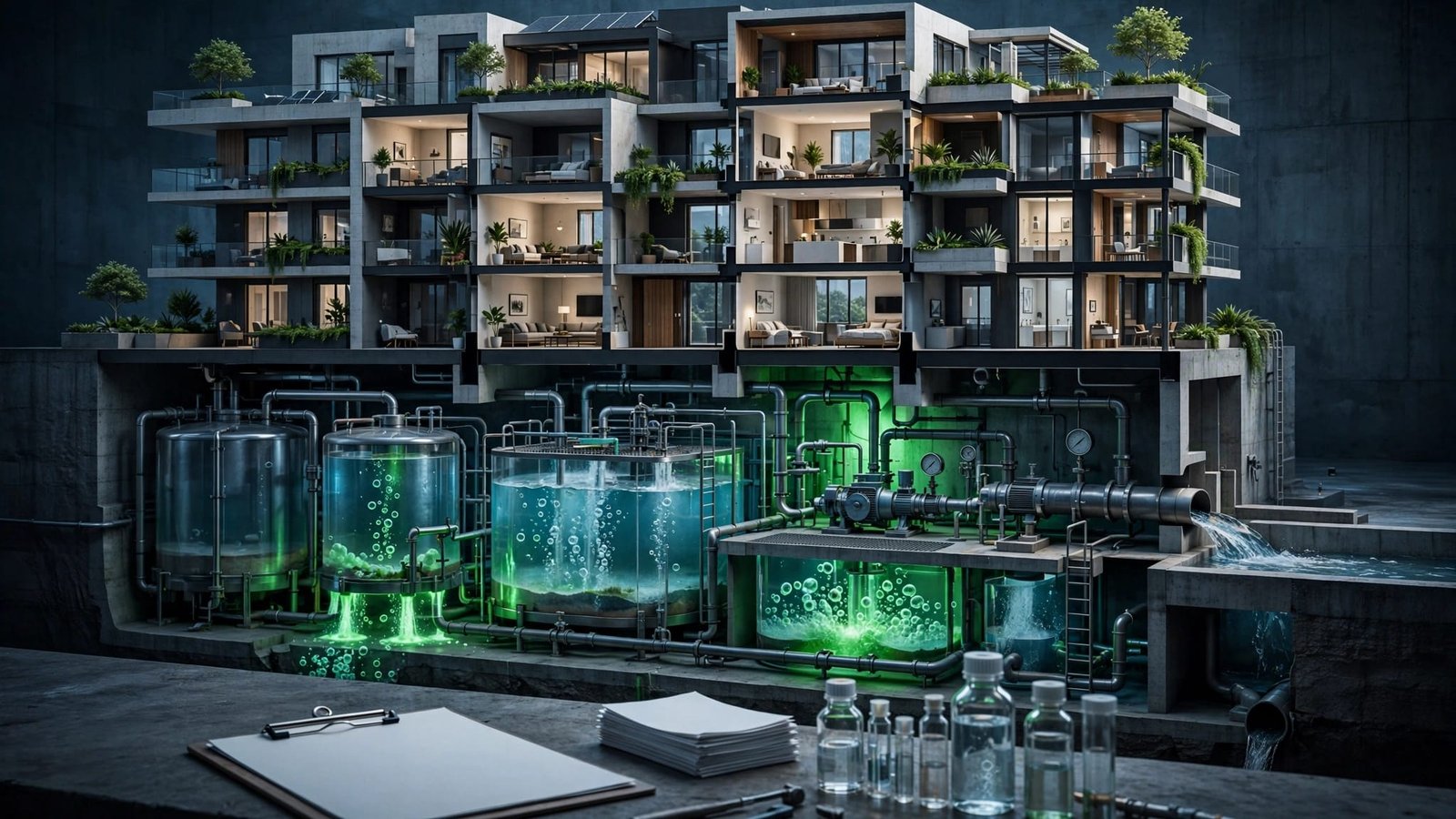
How to Check Apartment STP Performance Before Buying
 TBH Editorial
A polished lobby can conceal a sewage treatment plant that has been failing for months. The smell may be masked, the tanks may be freshly painted, and the broker may call it “fully operational.”
But apartment STP performance is not a cosmetic detail. In a residential complex, it affects shared maintenance costs, water security, basement hygiene, nearby drains, and downstream communities.
Before you pay a booking amount, ask for evidence that survives more than one site visit.
Key Takeaways Before You Sign
- A commissioned sewage treatment plant isn’t proof that it works. Ask for at least six months of lab reports, maintenance logs, electricity bills, and sludge-disposal records.
- Compare the plant’s capacity with present occupancy and future handovers. A plant designed for a full tower can perform poorly during low occupancy or after rapid handovers.
- Treated wastewater quality limits depend on its intended use, discharge route, consent conditions, and the relevant pollution control board. No single number proves compliance everywhere in India.
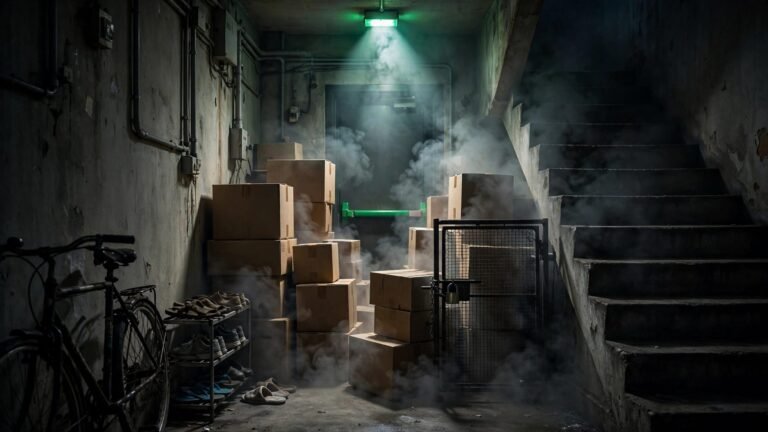
- Watch for foul odour, foam, overflowing chambers, idle blowers, leaking pipes, and vague answers about sludge. These are decision-making evidence.
- Water reuse only counts when the plumbing, storage, testing, and actual end use work together.
Start With Documents, Then Inspect the Plant
Ask the developer or society for documents before you visit the sewage treatment plant. A verbal assurance isn’t a maintenance record.
Request the approved STP design, capacity in KLD, technology description, operation and maintenance contract, consent conditions, monthly operating reports, and recent laboratory results. Check whether the design identifies a membrane bioreactor or activated sludge process. Ask for the operator’s standard operating procedure covering startup, alarms, power cuts, emergency bypass prevention, and shutdown. Match the name of the tower and project phase on every document.
Follow the sewage route, not the brochure
Ask where sewage enters, where it’s treated, where treated water goes, and where excess flow goes during a storm or equipment failure.
A plant may have an MBBR or SBR label on a presentation slide. That doesn’t prove the biological treatment system is operating, or that sewage isn’t bypassing it when pumps fail or flows surge.
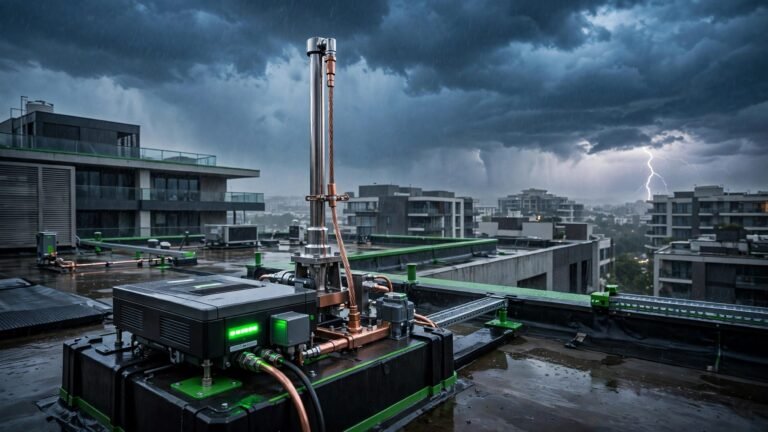
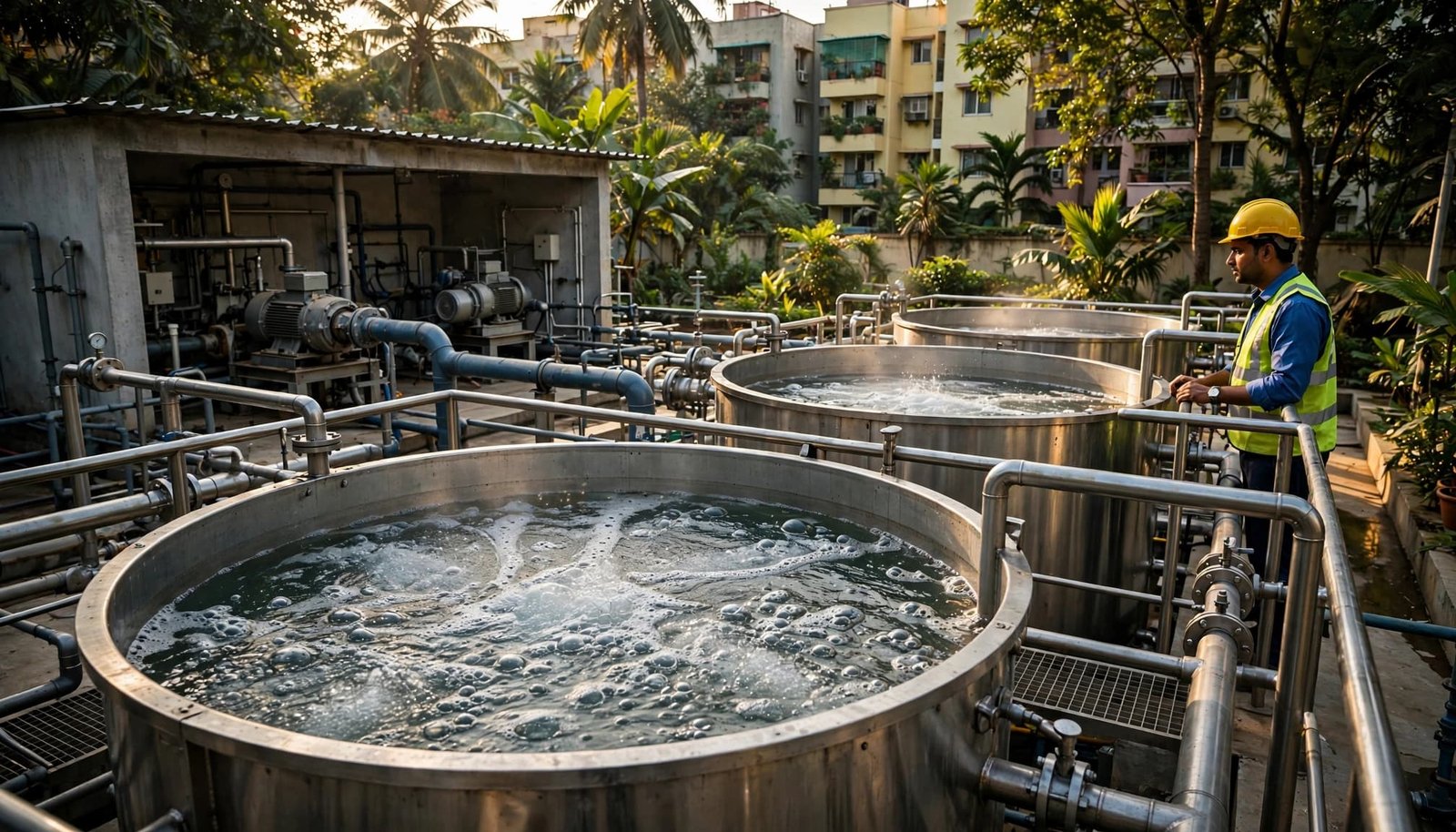
Walk the route. Check inlet chambers, equalisation tanks, each aeration tank, filters, filter media, treated-water storage, and reuse lines. Look for open bypass pipes, stained walls, wet ground, makeshift hoses, or a drain carrying grey water away from the plant.
Use your senses, then ask for proof
Odour issues around aeration tanks, sludge beds, or treated-water tanks need an explanation. Persistent smells don’t automatically prove treatment failure, but they shouldn’t be dismissed.
Listen for the air blower. Aerobic biological treatment needs reliable air. A silent blower room, damaged acoustic lining, clogged diffusers, or permanently switched-off equipment can turn a treatment plant into an expensive holding tank.
Check whether pumps, blowers, panels, and backup power are maintained. Ask to see the air blower service or runtime record, along with invoices and preventive maintenance records, not only an annual maintenance contract.
Sight, smell, and sound are preliminary checks. Records, laboratory testing, and professional review are needed to confirm compliance through changing occupancy, rain, power cuts, and daily household use.
Check Whether the Plant Matches Real Occupancy
Many apartment STPs are sized for a future population. That creates a problem during phased handovers, when wastewater flow is far below the design load.
Biological treatment depends on living microorganisms. They need a stable food supply, dissolved oxygen, and time in the aeration tank. Low occupancy can weaken the process, but it doesn’t automatically indicate a compliance breach.
Compare KLD capacity with occupied flats
Ask how many flats are occupied today, how many may be occupied within the next year, and what daily sewage flow the operator records.
Don’t accept “the plant is sufficient for the whole project” as an answer. Ask for the current inflow log and compare it with the design capacity. Account for low occupancy, since occupied-flat count affects both hydraulic flow and pollutant load.
When the project is lightly occupied, ask for air blower runtime and aeration records. These can show whether the system is receiving enough operating time to maintain stable treatment.
Rapid occupancy growth or stormwater ingress can cause hydraulic overload. This may exceed the capacity of pumps, tanks, and filters. Both low and high loading can produce unstable effluent quality.
Find the stress points before monsoon
Ask whether the STP has overflowed during the last two monsoons. Also ask if stormwater enters sewer lines, whether kitchens discharge grease directly into the system, and how often screens choke with wipes or plastic.
Before monsoon, ask whether a standby air blower is available, tested, and ready for use. Check whether clogged screens, poor sludge removal, or overloaded filters have reduced available filter media and treatment capacity.
Kitchen oil and grease can coat pipes and disrupt aeration. Heavy rain can increase inflow through damaged lines. Poor sludge removal can reduce tank volume until the plant has little room left to treat sewage.
A building that can’t answer these questions may be passing its maintenance risk to future buyers.
How to Read Apartment STP Performance Reports
One test report is a photograph. You need a timeline.
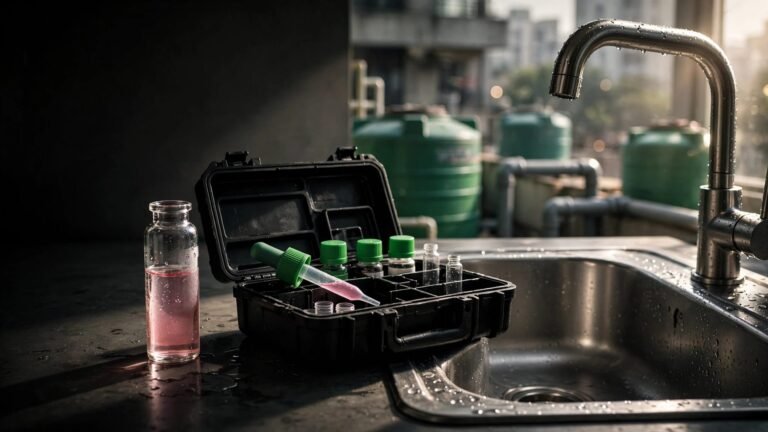
Ask for six to 12 months of influent and effluent reports from a credible external laboratory. If the society claims the water is fit for reuse, the reports should show relevant parameters, dates, sampling locations, and test methods. A time series reveals effluent quality more reliably than one apparently good sample.
Ask whether blower runtime or operating logs accompany the laboratory reports. An operational reading from the aeration tank, including dissolved oxygen, can help explain biological performance. However, one such reading doesn’t prove compliance.
Know what the numbers are trying to tell you
Biochemical oxygen demand (BOD) indicates the oxygen microorganisms need to break down organic pollution. Chemical oxygen demand (COD) provides a wider measure of oxidisable contaminants. Total suspended solids (TSS) show how much particulate matter remains in the water.
The CPCB treated-sewage reuse framework sets different ranges based on the use of treated water. The strictest listed reuse category includes BOD of 10 mg/L, COD of 50 mg/L, and TSS of 20 mg/L.
Those values aren’t universal limits for every apartment. Regulatory compliance can only be assessed against the project’s consent conditions, intended reuse, sampling point, and applicable requirements.
Look for patterns, not a perfect page
Red flags include identical readings month after month, long gaps between tests, unexplained spikes, or samples collected only after plant cleaning. Identical reports are especially weak evidence when changing air blower runtime or process records don’t support them.
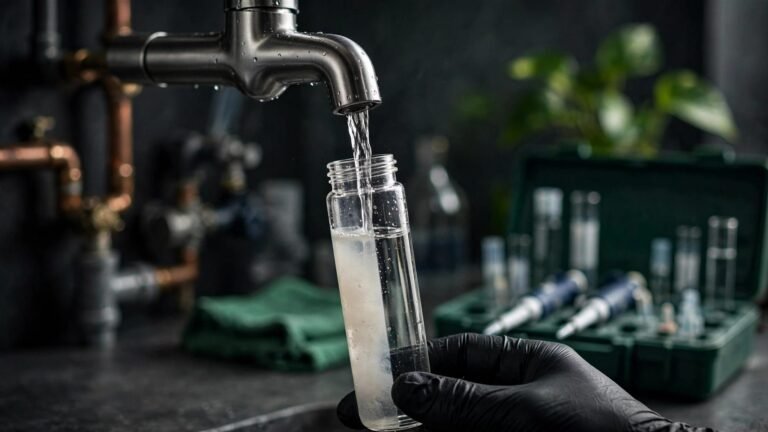
Ask where each sample was taken. Water collected before the final filter media says little about what enters the flushing tank. Water tested from a storage tank may hide poor treatment or poor storage hygiene.
Ask whether the records show filter media replacement or cleaning. Also check whether the sample point matches the water’s actual reuse location.
The CPCB general discharge standards are a useful national reference. Still, the State’s pollution control board consent conditions, local discharge route, and intended reuse determine what the society must meet.
For non-edible gardening, CPHEEO values reproduced in National Green Tribunal material include BOD of 20 mg/L and suspended solids of 30 mg/L. Toilet flushing has tighter expectations, including BOD of 10 mg/L and nil suspended solids in that table.
When the intended reuse or consent condition is unclear, laboratory testing and professional interpretation may be necessary.
Check the Reuse System, Not Just the Tank
A society may say it reuses treated wastewater for gardens, flushing, or washing common areas. Ask where that water went last week.
Water reuse works only when treatment is verified, storage is safe, testing is routine, plumbing is intact, and water reaches an appropriate non-potable use. Sending questionable water into a landscaped patch isn’t responsible reuse.
Trace treated water to its real end use
Inspect the treated-water tank, filter media, reuse pumps, flushing lines, garden taps, and any tanker connection. Compare the claimed reuse volume with pump and air blower operating logs. Ask how much fresh water the site still buys for gardening and common-area cleaning.
If treated water is meant for toilet flushing, dual plumbing must be intact and clearly separated from drinking-water lines. A visual inspection can identify obvious cross-connections. Backflow protection and water quality may require laboratory testing or professional assessment.
Treat sludge management as part of performance
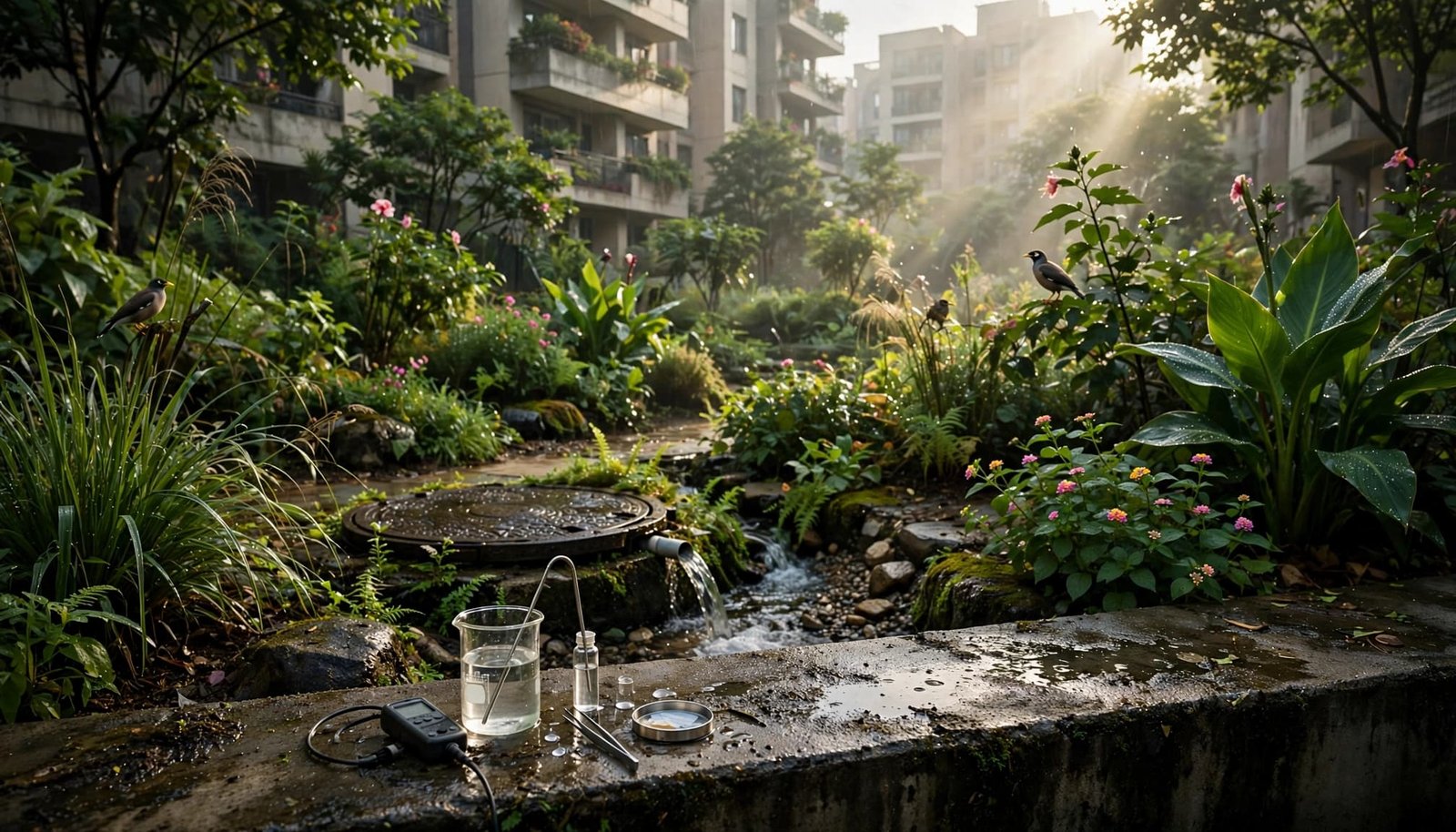
Sludge management is where many plants disappear from public view. Solids removed from treatment must be stored, dewatered, transported, and disposed of through a traceable route.
Ask how often excess sludge is removed, who collects it, and where it goes. Request manifests, invoices, or disposal receipts. Check these records against the project’s consent and local requirements. “The operator handles it” is not a useful answer.
Poor sludge removal causes odour, reduces treatment capacity, and can destabilise the biological process. A failed or poorly maintained air blower can also reduce treatment reliability before water reaches the reuse tank. The wider STP sludge disposal problem in India also reaches soil, drains, workers, and urban biodiversity.
Ask Who Pays When the System Fails
An STP isn’t a one-time developer feature. It’s a continuing operation and maintenance obligation that will sit inside your monthly maintenance costs for years.
Ask for STP-specific electricity, chemical, spare-parts, operator, laboratory testing, sludge handling, and repair costs. Include the annual maintenance contract and compare every line item with the society’s proposed budget and lifecycle cost.
Electricity bills can expose bad operation
Energy consumption varies with technology, flow, aeration demand, reuse pumping, and backup operation. An air blower is often a major operating load, so high or low use needs context.
A sharp increase in electricity use, frequent air blower repairs, limited standby capacity, or unusual runtime needs an explanation. Ask whether the system has flow meters, energy meters, alarms, and automatic controls. Data helps a committee spot failure before residents smell it.
Accountability needs names and dates
Get the name of the operator, service company, developer representative, facility manager, and committee member responsible for the plant. Ask who receives complaints and who can produce current operating records.
After handover, resident welfare associations and the society committee should oversee records and service follow-up without becoming technical operators. Ask for a standard operating procedure covering fault escalation, logging, and response times. Sustainable business models for housing cannot rely on underpaid operators, hidden repair bills, and residents who only hear about the STP during a crisis. Systemic change starts with visible responsibility and records that residents can inspect.
Questions to Ask During the Site Visit
Take these questions with you. Write down the answers, then send a follow-up message confirming what you were told.
- [documents] Can the facility manager provide six to 12 months of effluent test reports, current consent conditions, and details of unresolved faults?
- [professional review] What is the STP’s design capacity in KLD, current inflow, and expected occupancy over the next year?
- [lab report] Has the site had any sewage overflow, bypass discharge, odour complaint, or treated-water failure during the last two monsoons?
- [service records] When was each air blower, pump, diffuser, filter, and electrical panel last serviced or replaced? Is a standby air blower available and tested?
- [visual check] How much treated wastewater is reused each month, and for what exact purpose?
- [documents] When was sludge last removed, who transported it, and what records can you share?
Record the answers, request supporting evidence, and compare it with what you observe on site.
Frequently Asked Questions
Can a new apartment STP fail during low occupancy?
Yes. Low flow can make biological treatment harder to control. Competent operation, monitoring, and regular maintenance remain decisive. The plant still needs controlled aeration, testing, and regular sludge management.
Is clear treated water safe for gardening or flushing?
Not necessarily. Clear water can still contain contaminants that laboratory testing must detect. Match the test results with the intended reuse category, local consent conditions, and plumbing route.
Do residents need to change their habits?
Residents can help by keeping wipes, plastic, solvents, and large amounts of oil out of drains. Plant-based living may reduce some kitchen grease, but it can’t repair a poorly designed or neglected STP.
Everyday mindfulness matters. Still, residents shouldn’t be asked to carry the burden of bad engineering, missing staff, or hidden disposal practices.
Why should buyers care about an STP’s impact beyond their building?
A failing plant can pollute local drains, strain groundwater, damage green spaces, and weaken trust in public systems. Learn more about practical climate literacy for everyday decisions when you want to turn concern into evidence-based action.
Buy the Evidence, Not the Promise
An apartment STP is a small piece of urban infrastructure with a large human footprint. It can reduce freshwater demand and support healthier shared spaces, or it can move pollution out of sight.
Ask for the records. Walk the system. Check the sludge route. Then decide whether the building has earned your trust.
If you want visible work that connects local water systems, urban biodiversity, and community accountability, Explore Our Active Missions.