

Why Tangible Donations Build More Donor Trust
 Saket Sambhav
Trust rarely breaks because people dislike your cause. It usually breaks because the path from gift to outcome feels blurry. Tangible donations of tangible personal property close that gap.
A coat, a hygiene kit, or a funded school pack gives donors something clear to picture, directly benefiting a charitable organization. That doesn’t make cash less important. While non-cash contributions offer visible impact, cash remains a flexible tool in many cases. Still, specific, visible asks often earn trust faster because people can see what their help will do.
Key Takeaways
- Tangible donations of personal property like coats, hygiene kits, or school packs build donor trust by making impact visible, bounded, and easy to picture, unlike vague cash appeals.
- They work best for specific, logistically manageable needs such as food banks or uniform drives, while cash excels in emergencies, flexible programmes, or when donor choice preserves dignity.
- Balance both options with clear, costed asks, honest explanations of substitutions or bulk buying, and detailed follow-up reports including numbers, photos, and tax details to sustain confidence.
- Trust grows through clarity, planning, and feedback: donors appreciate knowing the fair market value of their gift’s outcome and can share the concrete story.
Why concrete gifts feel easier to trust
Which feels easier to back, “donate to our winter appeal” or “fund two warm bedding packs, a specific type of in-kind donations, for families this week”? Most donors find the second ask simpler. The outcome is bounded, the cost feels real, and the charity looks organised.
That matters because trust is often a clarity problem. The UK’s public trust in charities research reflects how closely confidence is tied to openness and responsible use of support. A tangible ask helps on both points. It shows planning, gives a clear use for the gift, and makes follow-up easier.
The same logic fits how people give. The UK Giving Report 2026 says much giving still happens in the moment, a pattern that holds true even for corporate social responsibility initiatives. When a donor sees a concrete need, they don’t have to decode a vague appeal. They can act.

A visible gift also creates a better feedback loop. Sending donor acknowledgement letters like “Your donation helped our work” is polite but thin. “Your support funded 40 revision packs, and they reached Year 11 pupils before mock exams” is stronger. Donors appreciate knowing the fair market value of the impact they are having, and they can picture the result, repeat the story to others, and remember your charity next time.
In practice, the item itself is not always the point. Many strong campaigns use cash behind the scenes to buy in bulk. Trust still rises because the promise is concrete and the charity explains it plainly.
Trust grows when donors can picture the gift, track it, and hear what happened next.
This does not mean every physical item builds trust. Tangible donations only help when the fit is right. If you ask for goods you cannot sort, store, or use well, confidence drops fast.
When tangible donations work best, and when cash is better
Tangible donations work well when need is specific and logistics are manageable. Food banks, uniform banks, baby banks, refuge starter packs, school supply drives, and book collections all fit this pattern. Supporters can see the need and understand the route from donation to recipient.
That helps explain why Savanta’s research on charitable giving found a shift towards donating items such as food and clothing during tougher times. For many people, goods feel grounded. They can open a cupboard, choose something useful with a clear fair market value, and know where it is going.
Some campaigns make this even more concrete. In early 2026, Pilgrims Hospices’ Christmas Tree Recycling campaign raised more than £84,000 while collecting over 4,600 trees. Supporters were not only giving money. They were taking part in a visible local action, with a clear outcome and public proof.
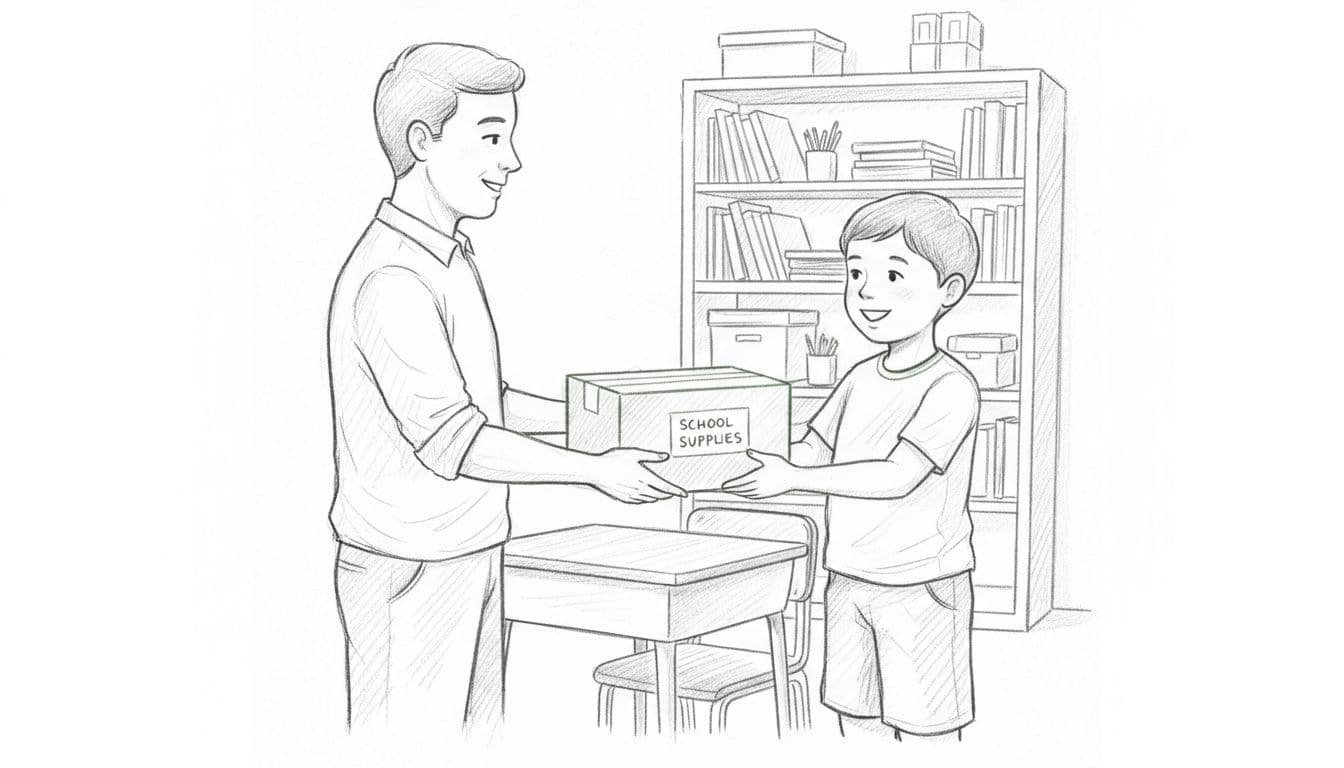
There is also a hard operational truth. Some in-kind gifts create work, not relief. Charities must follow the related-use rule to ensure donations serve a tax-exempt purpose, which means being selective with items like collectibles or motor vehicle donations. Poorly matched items can sit in storage, arrive late, or miss what families asked for, while inventory management poses a key challenge. A bag of random clothing may feel generous, but it can cost staff time and still leave the real need unmet.
Cash is often better in emergencies, complex family support, or programmes where needs change daily. Donating appreciated assets can help a donor avoid capital gains tax while providing the charity with flexible funds. It cuts storage and transport costs. It can also protect dignity by giving people more choice. The discussion on recipient autonomy in cash aid is useful for any team that relies on item-based appeals.
The better answer is balance. Use tangible framing when it helps donors understand impact, but stay honest about fulfilment. If you buy blankets in bulk, say so. If “fund a hygiene kit” is a symbolic ask rather than a request to post items, say that too.
How to present cash and goods without losing trust
The strongest campaigns don’t force a false choice between item drives and money. They give donors a clear menu, then explain why each option exists. One donor may prefer to sponsor five meal packs. Another may want to give unrestricted cash because your team knows demand can shift overnight. In both cases, donors can claim a charitable deduction for their gifts.
Recent rule changes from April 2026 also put more weight on clear handling of donated goods and charity benefit rules. That makes plain language even more useful. Donors don’t need a legal memo. They need to know what you accept, what you don’t, what happens next, and how their non-cash contributions support a charitable deduction.
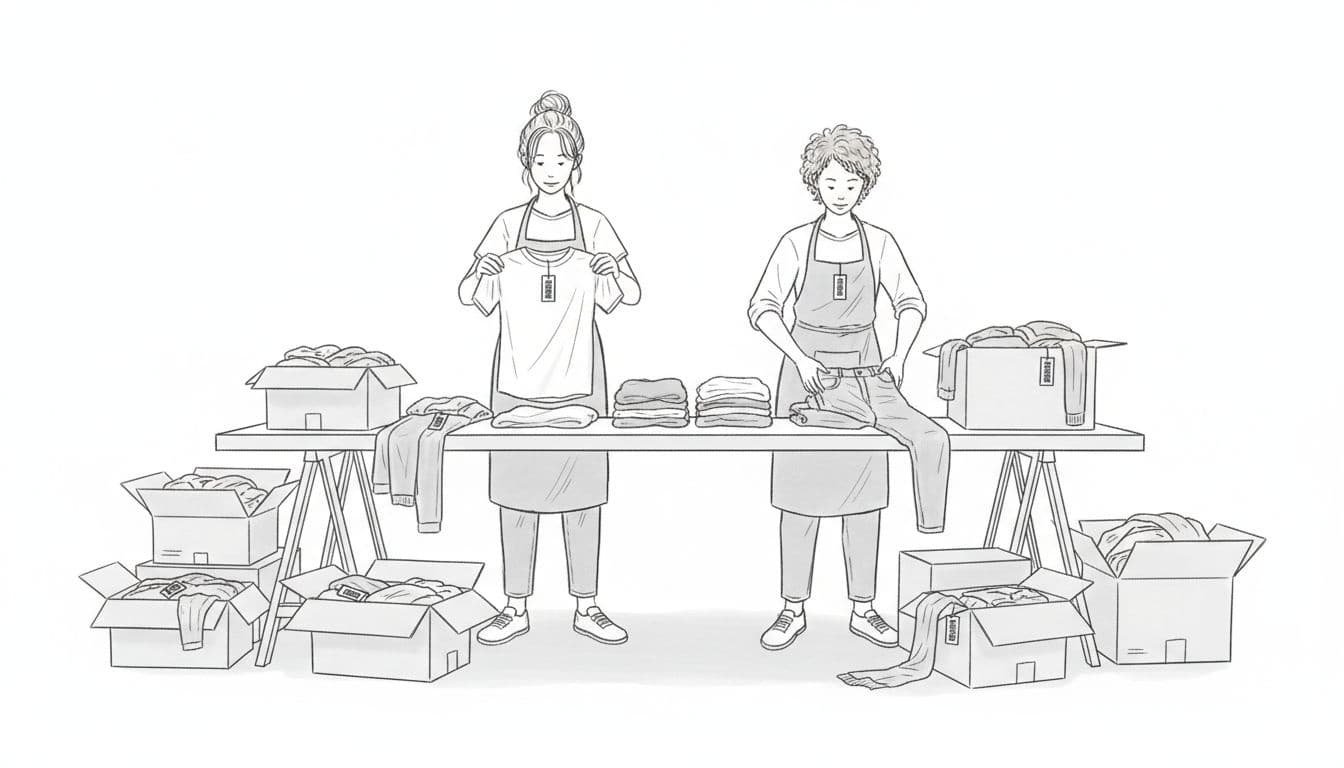
A donor-friendly structure usually has four parts. Link to your gift acceptance policy on the page to guide donors on professional services or other non-cash contributions:
- Show one specific, costed need, such as “£18 funds a bedding pack” or “we need new age 5 to 7 coats this month”.
- Keep a cash option beside it, labelled “where needed most” or “help us buy what families ask for”.
- Explain substitutions in one sentence. If stock or needs change, tell donors you will use the gift for the nearest urgent need.
- Report back with numbers, photos, or short stories, then match the update to the original ask. Include tax receipts and details on property valuation or cost basis to support their charitable deduction. For high-value items, remind donors they may need IRS Form 8283 with a qualified appraisal by a qualified appraiser. Business donors of inventory should note potential ordinary income implications.
On the page and in the thank-you email, repeat the same wording. If someone funds three school packs, show how many were bought, when they were sent, and what happened if prices changed. Small details prevent doubt.
This approach helps both trust and operations. A donor management system lets you track replacement cost or item types so you can still buy in bulk, meet changing need, and avoid unusable donations. At the same time, the donor gets the concrete story they wanted.
Frequently Asked Questions
Why do tangible donations build more donor trust than cash appeals?
Tangible donations make the path from gift to outcome clear and visible, letting donors picture specific impacts like funded bedding packs or school supplies. This bounded promise shows planning and responsible use, tying directly to research on public trust in charities. Strong feedback loops, such as photos and impact numbers, further reinforce confidence compared to generic cash acknowledgements.
When do tangible donations work best, and when is cash preferable?
They shine for specific needs with straightforward logistics, like baby banks or book collections, where supporters see the fit and route to recipients. Cash is better for emergencies, shifting demands, or complex support where flexibility avoids storage issues and respects recipient choice. Balance both by offering clear menus and explaining why each suits the need.
How should charities present tangible and cash options without losing trust?
Show specific, costed needs like “£18 funds a bedding pack” alongside a “where needed most” cash option, with one-sentence notes on substitutions. Link to gift acceptance policies, provide tax receipt details, and report back with matched updates on purchases, delivery, and impact. Consistent wording on pages and thank-yous prevents doubt while supporting operations like bulk buying.
What operational challenges come with tangible donations?
Poorly matched items like random clothing can burden storage, sorting, and transport, potentially leaving real needs unmet if they violate the related-use rule. Charities must be selective, focusing on usable goods with clear fair market value. Transparency about buying equivalents in bulk maintains trust without the logistics hassle.
Do recent rules affect handling tangible personal property donations?
From April 2026, changes emphasise clear handling of donated goods and charity benefit rules, making plain language on acceptance, valuation, and deductions essential. For high-value items, donors need IRS Form 8283 with appraisals; inventory donors note income implications. Always provide cost basis or replacement value details to support charitable deductions.
Clear asks create stronger trust
Donor trust grows when giving feels visible, understandable, and honest. That is why tangible donations often work so well. They turn an abstract appeal into something a supporter can picture and remember.
The best fundraising teams keep that clarity even when cash is the smarter tool. When you explain the need, the format, and the follow-up with care, donors stop guessing. They start believing. Even more complex vehicles, like a charitable remainder trust, future interest gifts, or a bargain sale, rely on the same foundations of trust and fair market value transparency. Checking comparable sales forms a key part of the due diligence process for larger property gifts in tangible donations.