Best Bird Nest Boxes for Hot Indian Cities
 Saket Sambhav
TL;DR: In Delhi, Mumbai, Chennai, Hyderabad or Bengaluru, the best bird nest boxes (also known as birdhouses) are thick wooden boxes with shade, ventilation, drainage and the right entrance size for the bird you hope to attract. Thin plastic, metal and full afternoon sun are a bad mix.
Urban cavity-nesting birds don’t need fancy decor. They need cooler, safer cavities, because concrete holds heat and old tree hollows are harder to find. A poor box can turn into a hot tin lunchbox.
The good news is simple. If the design is right and the placement is sensible, setting up a bird nest box becomes a meaningful nesting project, turning a balcony or wall into a safe space for birds.
What a heat-safe nest box looks like
In hot Indian cities, material matters first for bird nest boxes. Building nest boxes from wood is preferable to buying flimsy birdhouses because wood insulates better than metal and most cheap plastic birdhouses. A thicker wall gives birds a buffer against sharp afternoon heat, which is why Audubon’s guidance on extreme heat is worth reading even if you never plan to build a box yourself.
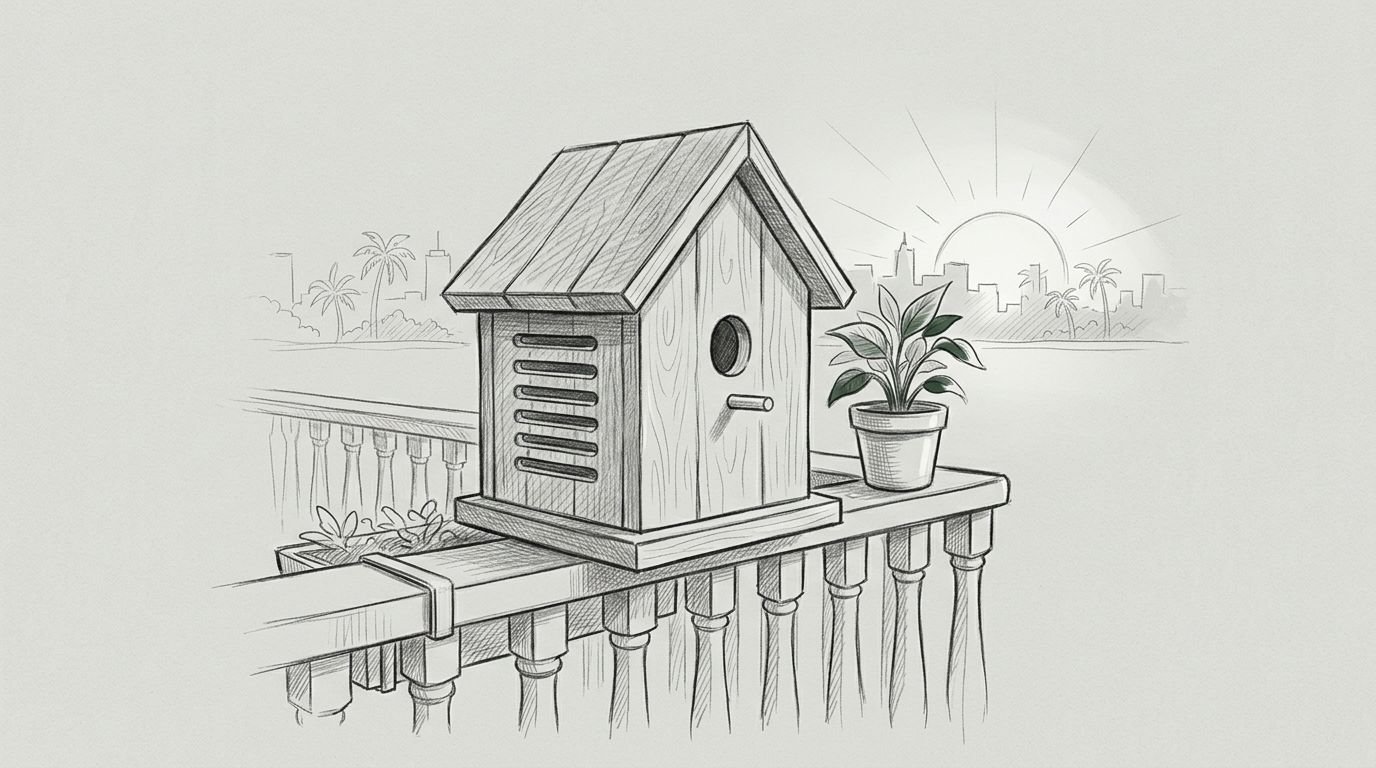
A good bird nest box also needs a sloped roof with an overhang. That little cap does more work than people think. It throws shade on the entrance and helps rain run off instead of seeping in.
The basic features of bird nest boxes are not glamorous, but they matter:
- Small ventilation holes near the top, so hot air can escape.
- Drainage holes in the base, so the inside doesn’t stay damp after rain.
- A rough inner surface, so chicks can climb out when it’s time.
- Correct entrance hole size and entry hole placement, to prevent unwanted species from entering.
- Predator guards or other predator protection on the exterior.
- No perch outside, because predators and bully birds don’t need extra help.
In hot weather, shade beats style every time.
Also, avoid dark exterior paint on sun-facing surfaces. If you paint at all, keep it light and only on the outside. The inside should stay plain and untreated. Strong chemical smells are a terrible housewarming gift.
One more point gets missed often. A so-called “universal” birdhouse is usually a compromise. Birds are picky for good reason. If the box is too shallow, chicks sit closer to heat and danger.
Which bird nest boxes suit common city birds
The “best” bird nest box depends on the bird. While enthusiasts in the West often build for bluebirds, chickadees, wrens, Purple Martins, or American Kestrels, many of the common city birds in India are easy to spot, but only some will use nest boxes readily. In urban settings, House Sparrows, common mynas, magpie robins, tits, and some starlings are the practical target species.
This quick table keeps it simple:
| Bird | Best box type | Best urban setting |
|---|---|---|
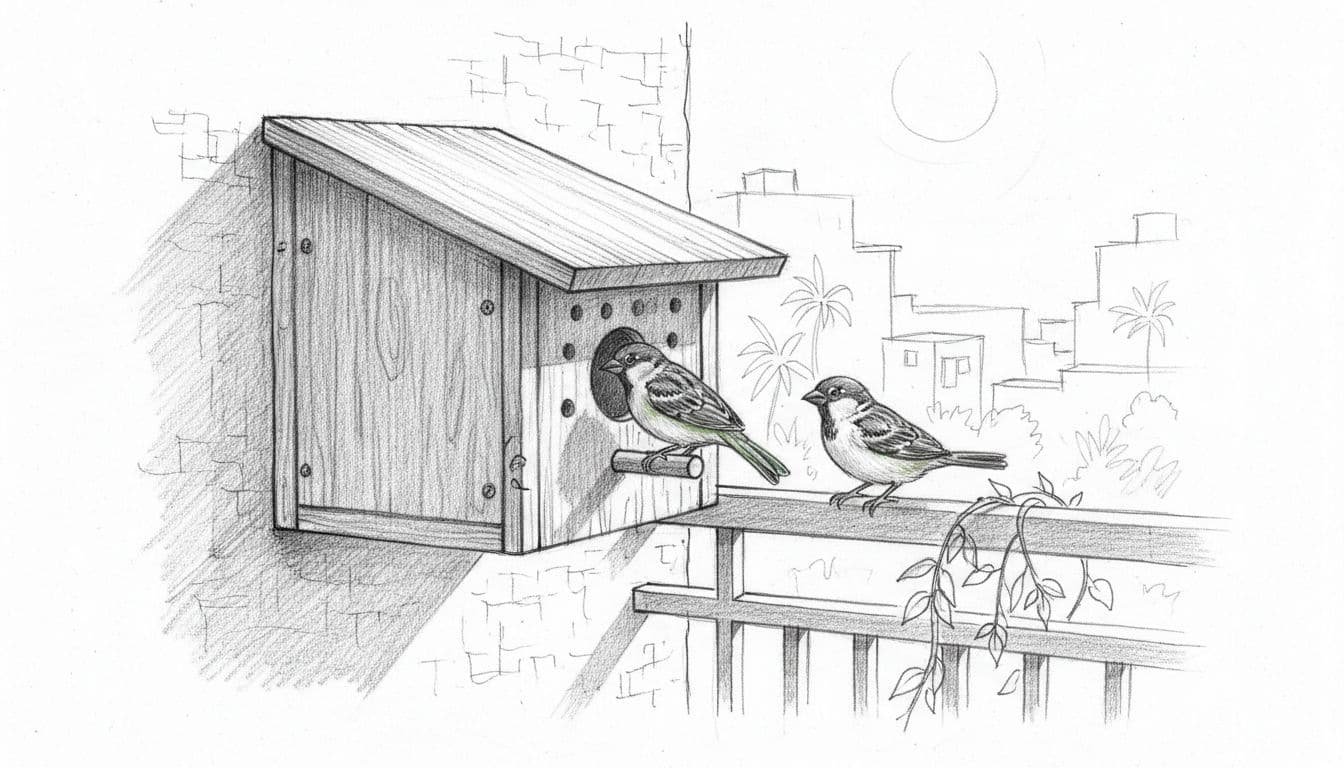
| House Sparrows | Small wooden cavity box | Shaded balcony, eaves, quiet wall |
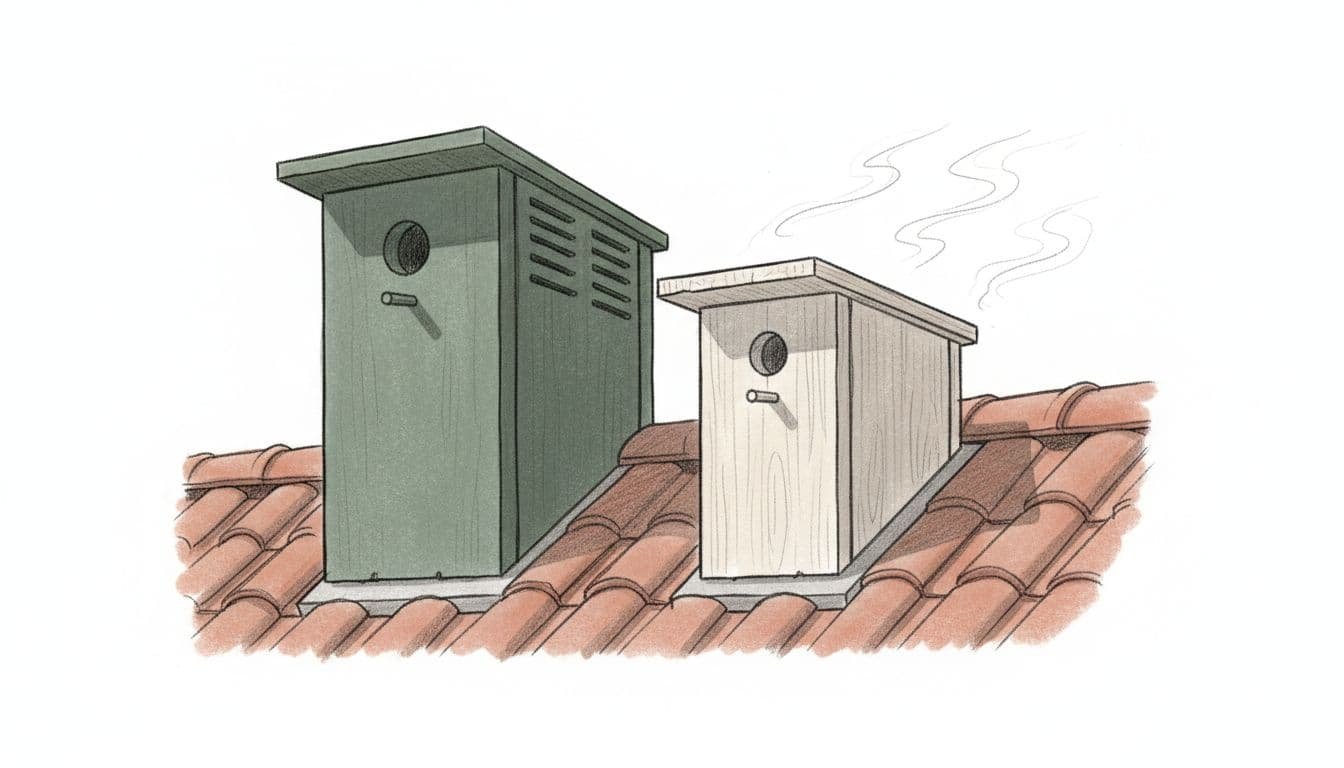
| Common myna | Larger deep box | Building wall or tree with firm support |
| Magpie robin or tit | Medium box with good cover nearby | Balcony garden, terrace edge, courtyard |
| European Starlings | Larger wooden cavity box | Building wall or firm tree support |
That means it’s about the right bird right house. Matching habitat requirements is key for success with cavity nests. A sparrow box hung in a loud, exposed corner may stay empty, since it fails to mimic proper cavity nests. A roomy myna box on a weak bracket can become a falling object before it becomes a nest.
If you want ready-made options, Nature Forever Society’s nest box range is a useful starting point for bird nest boxes. If you’d rather match the box more closely to local species, the Bird Nest Box India instructions give practical guidance on size and setup.
The safest approach is boring, and that is a compliment. Pick a sturdy wooden bird nest box, sized for one likely species, with airflow and shade built in. Skip novelty shapes. Birds are not impressed by miniature cottages.
Installing Nest Boxes: Where to Mount Nest Boxes on Balconies and Walls
Placement can rescue an average bird nest box, and it can ruin a good one. In hot cities, put the bird nest box where it gets morning light and afternoon shade. East-facing or north-east-facing spots usually work better than west-facing walls, which can roast for hours.
Keep the bird nest box away from AC outdoor units, kitchen exhaust and reflective metal sheets. Those areas add heat and noise, and noise can disrupt the breeding season. Birds can tolerate a busy city. They don’t enjoy living next to a hair dryer.
Height helps, but only if the box stays stable. Fix it firmly so it does not swing in the wind. Mount it high enough to deter domestic cats, a common urban threat. A shaded wall under an overhang often works better than a blazing terrace pole. Balcony gardeners already have an advantage here, because plants soften heat and make the area feel safer.
Don’t peek inside every other day. During the breeding season, too much checking can stress the adults. Watch from a distance instead, or use NestWatch to track progress without causing stress. If birds start carrying nesting material in, leave the box alone unless there is an obvious safety issue.
After the breeding season, open the bird nest box, clean out old nesting material and let it dry before the next breeding season. Cleaning nest boxes reduces pests, helps maintain a nest box and gives the next brood a better start. Regular cleaning nest boxes and knowing how to maintain a nest box ensures success in future cycles.
Frequently Asked Questions
What materials make the best bird nest boxes for hot Indian cities?
Thick wood insulates better than thin plastic or metal, providing a buffer against afternoon heat. Look for boxes with ventilation holes, drainage, and a sloped roof overhang for shade and rain protection. Avoid dark paints on sun-facing sides and keep the interior untreated to prevent chemical smells.
Which birds in Indian cities are likely to use nest boxes?
House Sparrows, common mynas, magpie robins, tits, and European Starlings are practical targets in urban areas. Match the box size to the species: small for sparrows, larger and deeper for mynas. A mismatched box often stays empty, as birds prefer cavities that mimic natural hollows.
Where is the best place to mount a bird nest box?
Choose east- or north-east-facing spots for morning light and afternoon shade, away from AC units, exhausts, or reflective surfaces. Mount firmly on a shaded balcony wall, eaves, or tree at cat-deterring height under an overhang. Stability and quiet are key—avoid windy, exposed terraces.
How do I maintain and clean my bird nest box?
After breeding season, open the box, remove old nesting material, and let it dry to reduce pests. Check for damage and ensure drainage holes stay clear before reuse. Minimal peeking during nesting prevents stress; observe from afar instead.
Can plastic or metal birdhouses work in hot climates?
Thin plastic or metal boxes overheat quickly, turning into unsafe lunchboxes for chicks. Stick to thick wooden designs with proper ventilation and shade. Even budget wooden options outperform flimsy alternatives in Indian summers.
The bottom line for hot Indian cities
The best bird nest boxes for Indian summers are cool, shaded and species-appropriate birdhouses that stay thermally safe. Looks come second. If a box cannot stay bearable in late afternoon heat, it does not belong on your wall.
A well-placed bird nest box offers a small fix that creates a safe space for birds, including cavity-nesting birds, in cities where nesting spaces keep shrinking. Tailor your bird nest boxes to your target species. If you want to support work beyond your own home, you can Contribute to Active Missions and back field projects, including bird nests, where the money goes straight to the ground.