Climate Justice: Why Climate Action and Social Justice Connect
 Saket Sambhav
Climate change is often framed as a carbon problem. For millions of people, it’s also a housing, health and income problem.
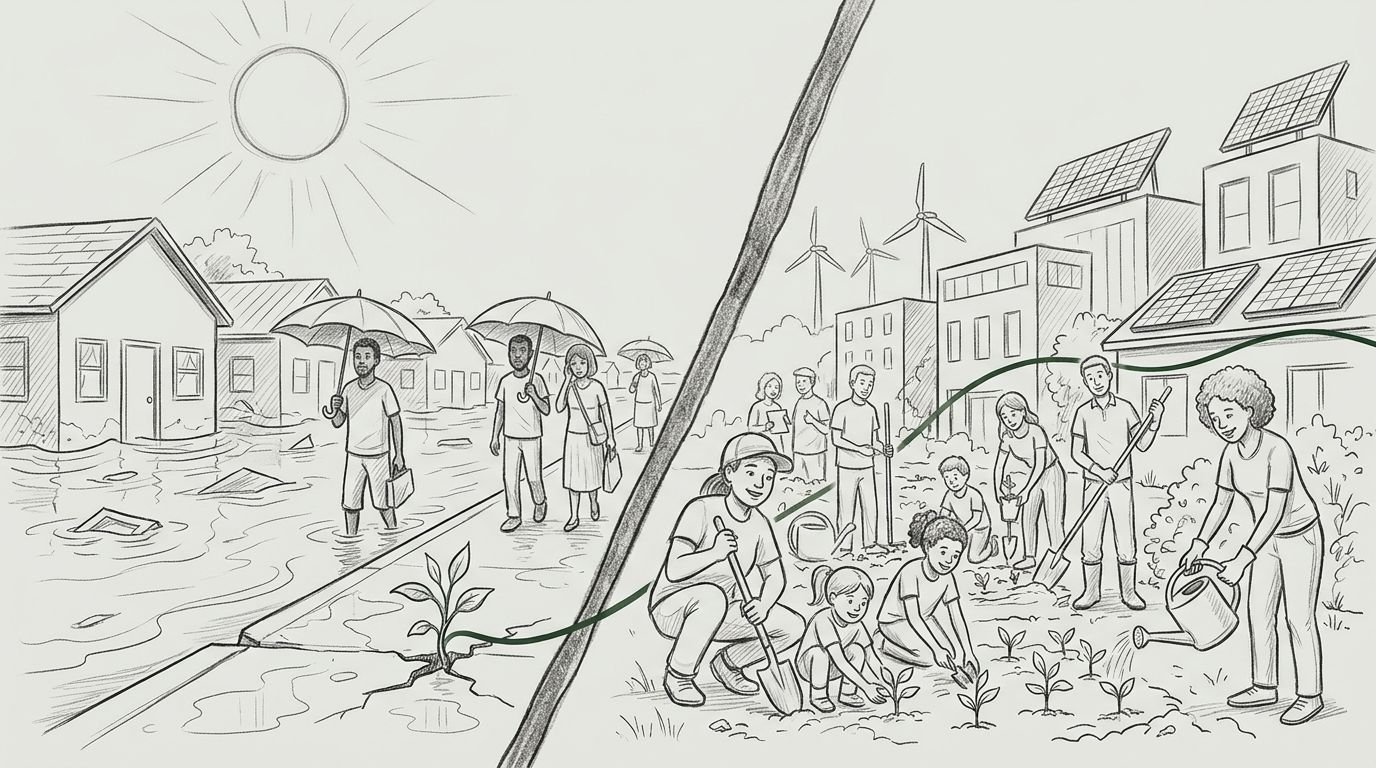
When floods rise, heat settles over cities, or food prices jump, the harm doesn’t land evenly. Marginalized communities with the weakest housing and least political power often get hit first and recover last.
That is why climate justice and environmental justice matter. It links climate action to fairness, and that link changes which solutions work.
Key Takeaways
- Climate change worsens existing inequalities, hitting low-income communities, communities of color, outdoor workers and vulnerable groups hardest with floods, heat, poor air and unequal recovery.
- Climate justice links emissions cuts to fairness by prioritizing aid where harm is highest, ensuring just transitions for fossil fuel workers and including marginalized voices in decisions.
- Fair policies build support and last longer: they deliver warmer homes, cleaner transport, local jobs and health protections alongside carbon targets.
- Real progress shows in UN resolutions, court rulings like Bonaire and practical steps targeting high-risk areas with bill support and community involvement.
- Climate action succeeds when people trust it, afford it and shape it—social justice turns climate plans into something sustainable for all.
Climate change hits hardest where inequality already exists
Climate justice starts with a simple fact. Climate change impacts don’t create inequality from scratch, but they make old gaps wider. As Council Fire’s definition of climate justice explains, the people who contributed least to the problem often face the biggest losses.
Low-income communities and communities of color are more likely to live in hot flats, damp homes, flood-prone streets and areas with fewer trees. Many can’t afford insulation, insurance or time off work after a storm. Outdoor workers, carers, older people and disabled people often face higher health risks during heatwaves and poor air days.
Recovery is unequal too. People with savings can replace a boiler or stay elsewhere after a flood. Renters may wait weeks for repairs, lose wages, or end up in temporary housing far from school and work.
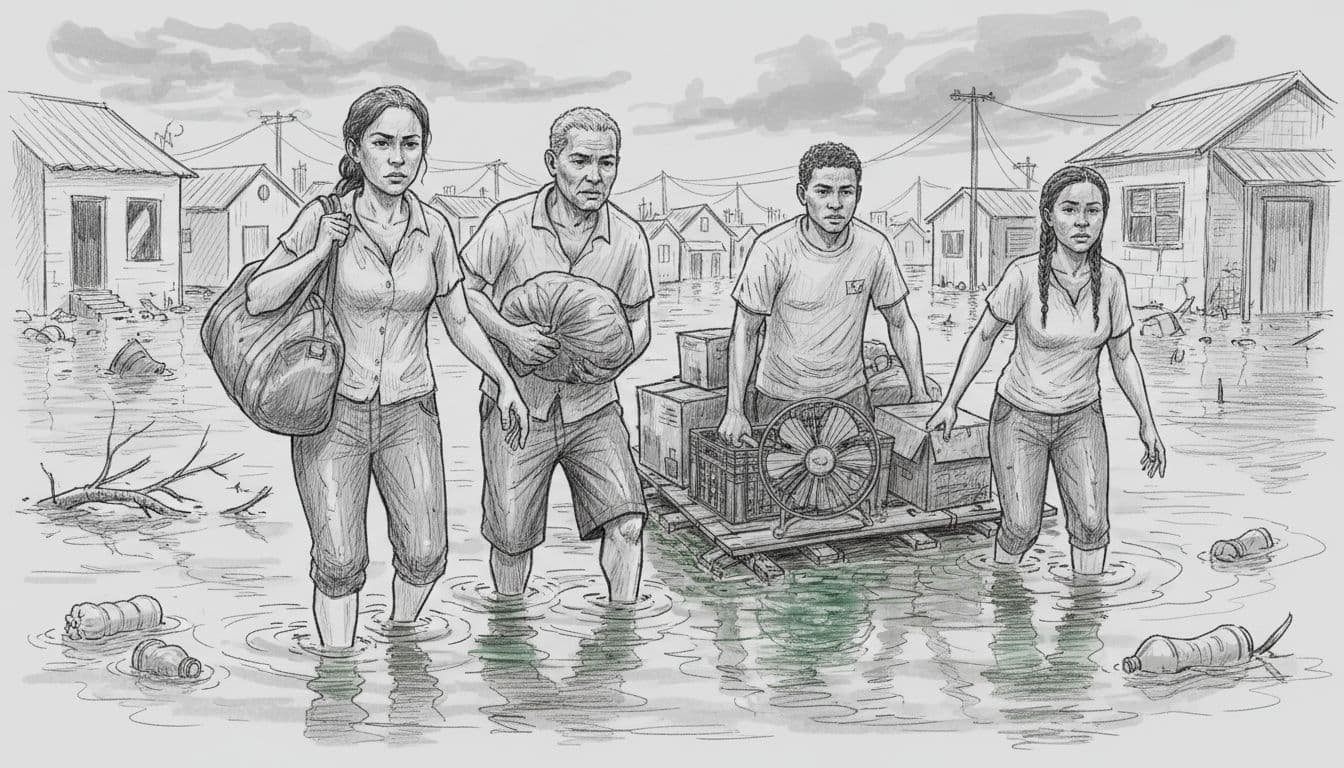
Public health makes the environmental justice link plain. Dirty air, extreme heat and mould after flooding raise the risk of asthma, heart strain and stress. If a family already struggles with rent, transport or care costs, one extreme weather event can push them into debt.
This pattern also shows up between countries. Low-emitting developing nations, island states and indigenous peoples often face severe losses from a climate crisis they did little to cause. The MIT Climate Portal’s climate justice explainer frames the issue as a question of historical responsibility: who gained from polluting industries and who now carries the damage.
Seen that way, climate action is not only about cutting emissions. It is also about protecting people who are already carrying more than their share.
Fair climate action wins more support
Policies work better when people can live with them. If climate rules raise bills, cut jobs or ignore local needs, support falls away. That is one reason climate plans can stall, even when the science is clear.
A climate justice approach changes the order of priorities. It puts help first where harm is highest. That can mean insulating cold rented homes before asking households to switch heating, cleaning up bus routes in polluted areas, or building flood protection where people have the fewest ways to recover.
This is also good economics. Warmer homes cut energy waste and illness. Better public transport saves money and reduces isolation. Community-owned renewable energy can keep more value local and create skilled work close to home. A recent Frontiers review on equitable climate policy argues that fairer policies work better because they address distributive justice (who pays, who benefits) and procedural justice (who has a voice).
The same logic applies to workers from fossil fuel companies in oil, gas, shipping or heavy industry. A just transition means retraining, wage support and clear local investment, not a vague promise that the market will sort it out. People need a believable path from old jobs to decent new ones.
Climate action lasts when people can afford the change and help shape it. Fairness is not an add-on after the policy is written.
That is why climate justice links greenhouse gas emissions, public health, jobs and democratic trust. The United Nations University’s overview of climate justice dimensions also highlights participation. When residents help design a plan, they are more likely to back it and defend it.
What climate justice looks like in 2026
In April 2026, the idea is moving from slogans into law and policy. A United Nations climate justice resolution is expected to go to a vote, building on the 2025 International Court of Justice opinion that global warming creates legal duties for states under the Paris Agreement, including protections for future generations and intergenerational equity around loss and damage and climate reparations. That matters because frontline communities have pushed for rules with teeth, not warm words.
In Europe, climate litigation is also testing whether governments protect all citizens fairly. In January 2026, a Dutch court found the Netherlands had failed to protect Bonaire adequately and had breached human rights, as reported by Climate Change News on the Bonaire ruling. In the UK, campaigners are taking the government’s adaptation plans to the European Court of Human Rights, a case outlined by Friends of the Earth’s update on the UK adaptation challenge.
Around the world, similar pressure is coming from island nations and coastal communities that face rising seas now, not in some distant future. Their message is clear. Delay is expensive, and unfair delay costs most.
The same lesson applies at street level. A heat plan that opens cooling spaces, checks on isolated residents and plants more shade on the hottest estates can save lives faster than a generic city-wide pledge.
These examples show the same point. Climate policy must do two jobs at once, cut pollution and reduce harm while advancing sustainable development. If a plan ignores renters in overheated homes, coastal communities losing land, or workers tied to high-carbon jobs, it will be weaker and face more resistance.
The practical steps are clear:
- Readers and students can look at local flood, heat and transport plans, then ask whose needs are missing among marginalized communities, low-income communities, communities of color and indigenous peoples, and who had a seat at the table.
- Community groups, charities and employers can involve tenants, carers, disabled people, young people and indigenous peoples early, because late consultation rarely changes much.
- Policymakers can target funds to the highest-risk areas, pair climate rules with bill support and job training, and track health and safety outcomes, not only carbon totals.
People defend climate policies when they share in the benefits. When they carry only the costs, progress slows.
Climate change is physical, but its damage follows social lines due to systemic issues. That is why climate justice is not a side issue. It is what turns climate action into something people can trust, afford and keep, safeguarding future generations.
Carbon targets matter. So do warm homes, clean air, safer streets and a real say in decisions. The strongest plans deliver both, and that is why social justice and climate action belong together.
Frequently Asked Questions
What is climate justice?
Climate justice connects climate action to social fairness, recognizing that those who contributed least to emissions often suffer most from impacts. It demands policies that cut pollution while protecting vulnerable groups through better housing, health measures and just transitions. This approach addresses historical responsibility and ensures equitable benefits and burdens.
Why do marginalized communities face the worst climate impacts?
Low-income areas and communities of color often live in flood-prone, hot zones with poor housing and limited resources for recovery. They lack insulation, insurance or time off after disasters, facing higher health risks from heat, air pollution and mould. Global patterns echo this: low-emitting nations bear severe losses from a crisis driven by others.
How does climate justice make climate policies more effective?
Fair policies prioritize help for those hit hardest, like insulating rented homes or retraining fossil fuel workers, building public support and trust. They address distributive justice (who pays, who benefits) and procedural justice (who has a voice), reducing resistance and stalling. Economics back this: equitable plans cut waste, create local jobs and improve health.
What are examples of climate justice advancing in 2026?
A UN resolution on climate duties under the Paris Agreement is expected, following ICJ opinions on loss and damage. Courts ruled against the Netherlands for failing Bonaire, and UK adaptation plans face ECHR challenge. Local actions include heat plans with cooling spaces and flood protections targeted at high-risk communities.
What can people do to support climate justice?
Review local plans for missing needs of marginalized groups and push for their inclusion. Community groups should involve tenants, carers and indigenous peoples early in design. Policymakers must target funds to risks, pair rules with support and track health outcomes beyond carbon.