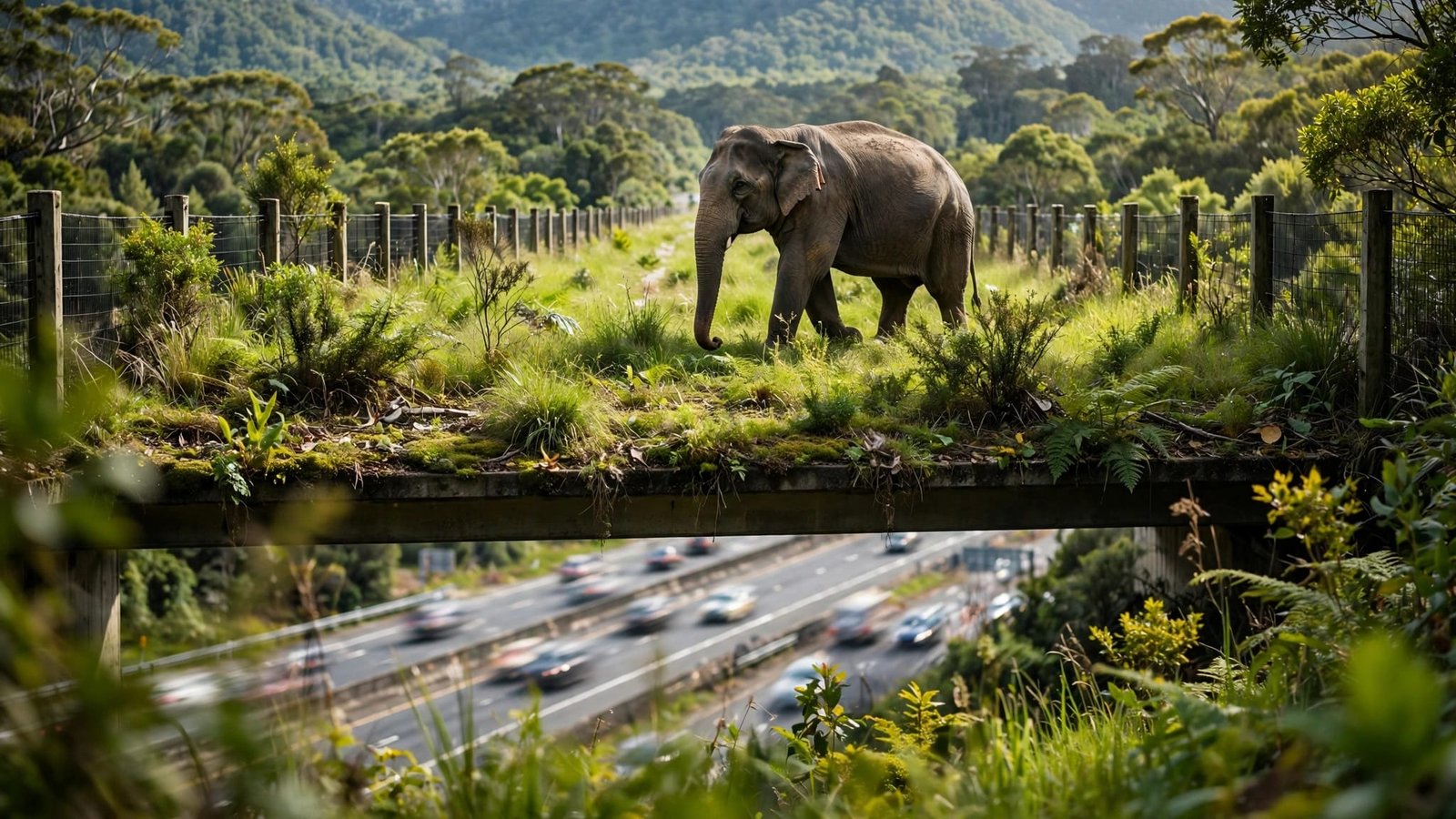
How India Can Make Highway Wildlife Crossings Safer
 TBH Editorial
A wildlife crossing can open on schedule and still fail the animals it was built for. Concrete is easy to count; safe movement takes longer to prove.
Roads cut through forests, grasslands and seasonal water routes. The highway wildlife crossings India builds next need accountability after construction. We owe animals more than a passage that looks reassuring in a press photograph.
The starting point is simple: examine what animals use, what they avoid, and what happens after traffic arrives.
Key takeaways
- Crossings should follow documented animal movement, with road avoidance considered before construction.
- Fencing, protected approaches, drainage and disturbance control belong in the same design.
- Camera-trap records establish use; wildlife-vehicle collisions and long-term monitoring show whether protection works.
What highway wildlife crossings in India show so far
India has evidence worth taking seriously. It also has construction headlines that require harder questions.
Delhi-Dehradun records movement, with limits
The Wildlife Institute of India assessed underpasses along an 18-kilometre stretch between Ganeshpur and Asharodi on the Delhi-Dehradun Economic Corridor.
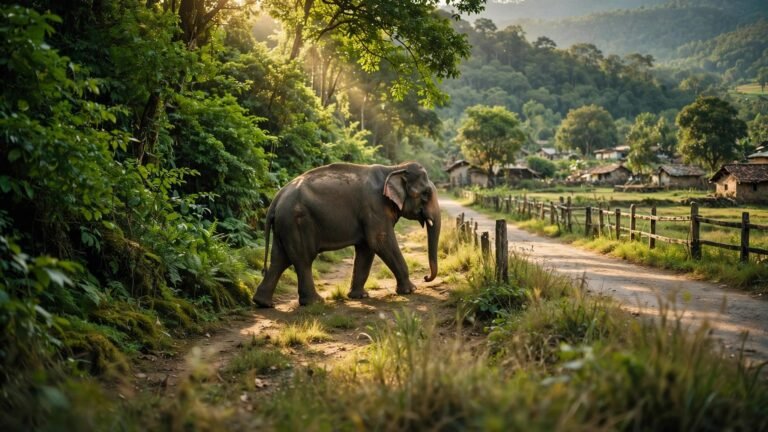
The official underpass assessment describes monitoring with 150 camera traps and 29 AudioMoth recorders over 40 days. It documented 18 wild species and 60 recorded instances of elephant movement through the animal underpasses.
Those elephant records aren’t necessarily 60 different elephants. That distinction matters when claims move between scientific reports and social media.
The Wildlife Institute of India assessment establishes animal use during the observation period. It doesn’t, by itself, establish fewer wildlife-vehicle collisions, successful breeding across the highway or durable habitat connectivity.
Forty days cannot capture India’s full seasonal cycle. Monsoon flooding, summer water scarcity and later increases in traffic need separate assessment along the Delhi-Dehradun Economic Corridor.
Ranthambore needs outcome reporting too
Crossing infrastructure on the Delhi-Mumbai Expressway near Ranthambore Tiger Reserve has attracted attention. Published descriptions of these Delhi-Mumbai Expressway structures differ on their dimensions, so headline lengths deserve caution.
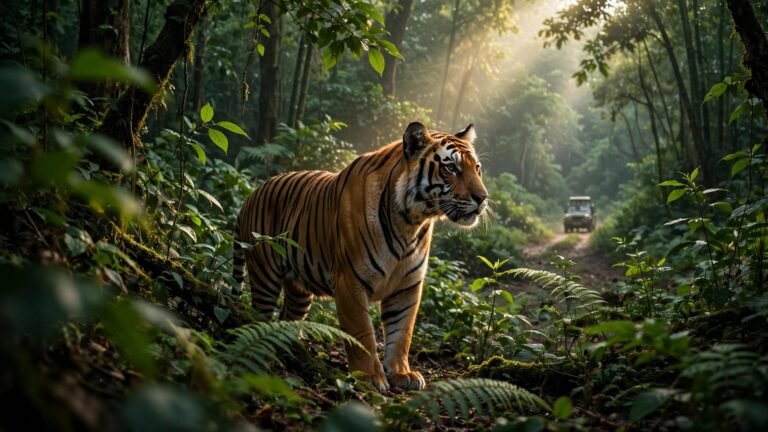
The question is whether tigers and their prey can move between usable habitats without entering traffic.
A crossing can help maintain a wildlife corridor. Its value depends on the land around it, animal acceptance and maintenance. A completed structure deserves ecological follow-up, with the same public visibility as its inauguration.
Protect the route before choosing the bridge
The safest crossing is often the one animals never need because the road was routed away from sensitive habitat.
That choice belongs early in highway planning, before land acquisition and engineering decisions become expensive to reverse. Planners should map seasonal movement, breeding areas, water sources and existing barriers. They should also protect wildlife corridors before roads divide connected habitat and cause habitat fragmentation.
A species inventory is useful, and can help assess wildlife-vehicle collisions. It can’t tell us whether a highway blocks access to the only dependable summer water source.
Assessments also need to look beyond project boundaries. A new road may sit beside railway tracks, transmission lines, industrial estates or expanding settlements. These forms of linear infrastructure can compound the effects of infrastructure development.
We should measure cumulative ecological impact, rather than approve each obstacle as though it stands alone.
Reserve boundaries don’t contain animal movement. Scrub patches, village commons, seasonal ponds and city-edge tree lines can also connect habitats. Protecting these places matters for biodiversity conservation; treating them as vacant land weakens conservation before the first crossing is designed.
Design crossings around the animals using them
An animal overpass designed around engineering convenience may miss the behavior that determines whether animals enter it.
Match the passage to the species
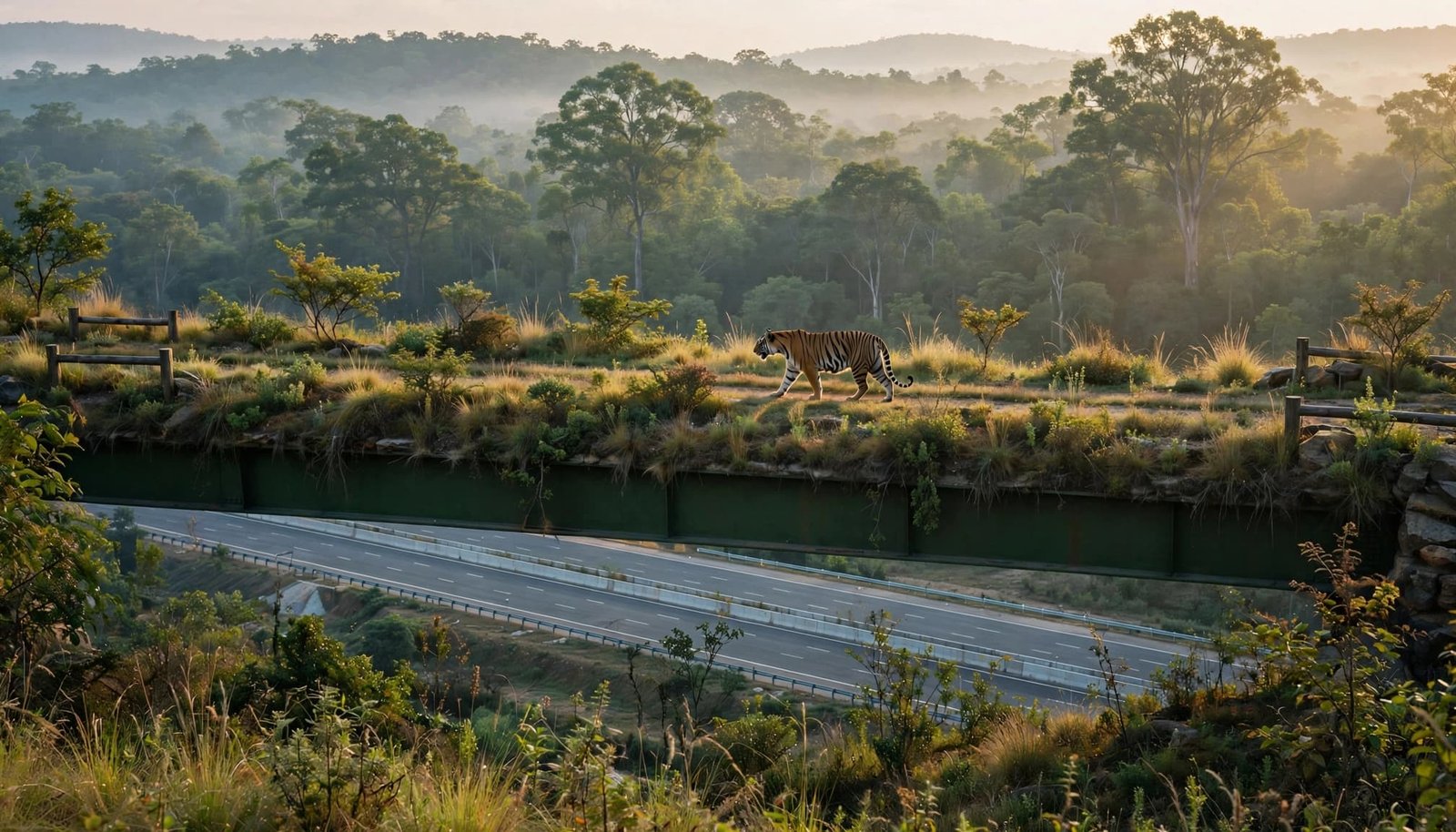
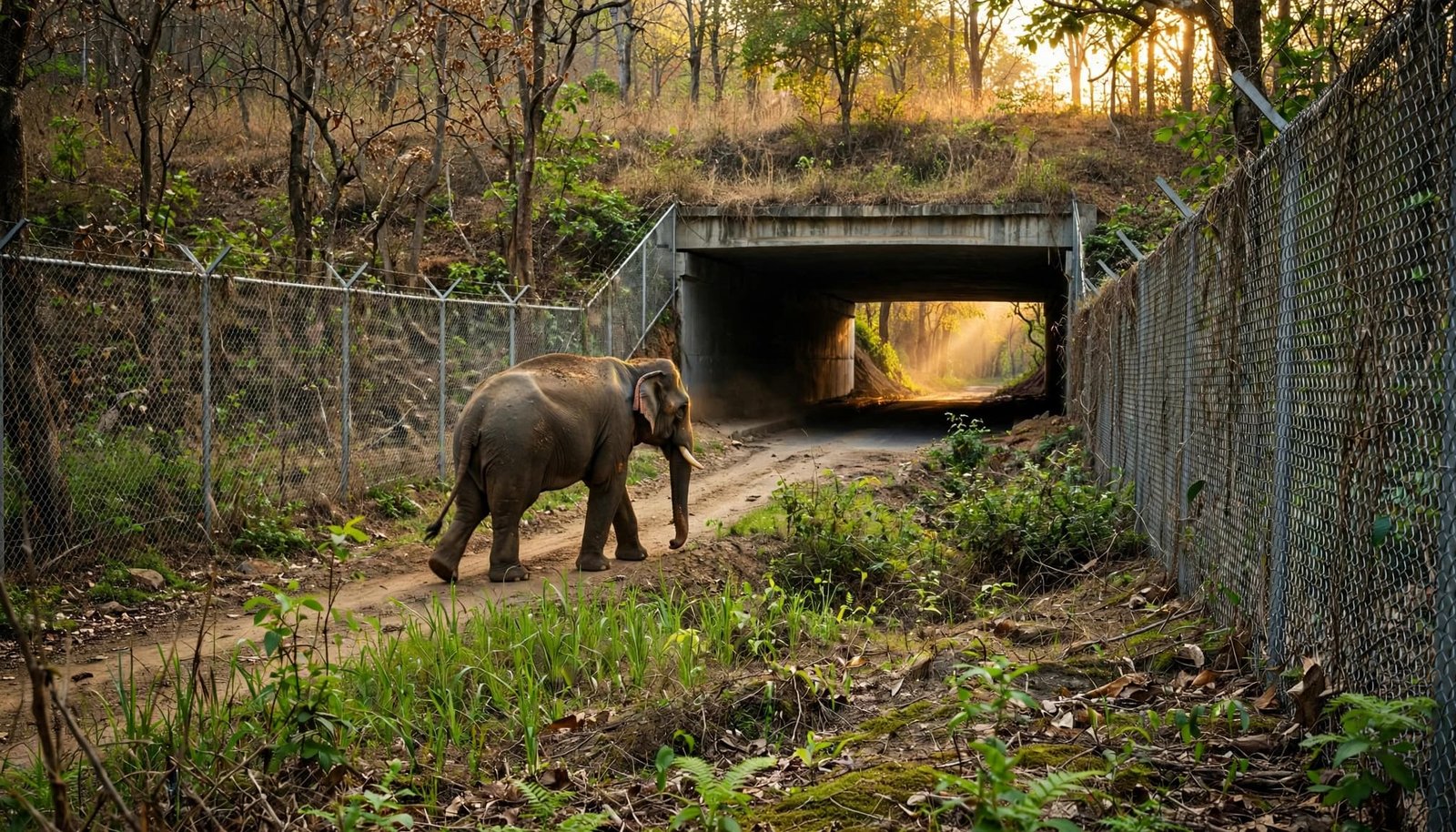
Elephants need sufficient clearance and an approach that supports elephant movement, rather than forcing them into a narrow, obstructed entrance. Sambar and other ungulates need designs assessed against their own movement patterns.
Small mammals, reptiles and amphibians require attention too. Their routes and moisture needs can differ sharply from those of large mammals. A drain might provide passage for some species, while becoming flooded or impassable for others.
Structure size should follow target species, terrain and field observations. No universal tunnel specification can protect every animal.
Restore habitat across the approaches
An overpass should connect suitable habitat on both sides. Natural vegetation, appropriate soil and shelter can help make an animal overpass usable.
Dense planting isn’t automatically better. A grassland species needs a different approach from an animal using forest cover.
Parks Canada’s experience with wildlife crossings offers lessons from Banff, Yoho and Kootenay. These ecoduct examples can inform designs in India, but planning must account for its own species, rainfall and land-use pressures.
The approach land also needs protection. An ecoduct loses value if warehouses, parking areas or fencing block its entrances.
Pair crossings with fencing that stays functional
A passage without effective guidance leaves animals exposed to the carriageway. Fencing should guide them toward a wildlife crossing without blocking essential routes elsewhere.
A research review of wildlife overpasses reports an approximate 86% reduction in wildlife-vehicle collisions in studies pairing crossings with adequate fencing. This supports a combined system, not a guaranteed result for every Indian highway.
Fence design must suit the animals and site. Chain-link fencing may work in some settings, while elephant routes need engineering for their size, strength and behavior.
Continuity matters. Broken sections, open gates and poorly planned fence endings can leave dangerous access points.
A falling roadkill count can hide a new problem: animals may have stopped crossing altogether. Safety and connectivity need separate measurements.
Inspection schedules should cover fencing, gates, entrances and debris removal. Escape measures for animals trapped inside the road corridor also need site-specific planning.
A maintenance contract should specify who repairs each failure, how quickly, and where the repair record appears.
Address speed, noise and human disturbance
Physical separation works best when the surrounding road operation supports it.
Red markings need measured results
The National Highways Authority of India (NHAI)’s table-top red marking initiative covers a highway section associated with Madhya Pradesh’s Veerangana Durgavati Tiger Reserve.
The project description includes around 25 animal underpass structures along 11.96 kilometres. A two-kilometre danger section received a five-millimetre-thick, hot-applied thermoplastic layer.
Those are construction details. The announcement doesn’t establish a measured reduction in speeds or wildlife deaths.
Authorities should publish speed observations and wildlife-vehicle collisions records from before and after treatment. Red surfacing can support driver awareness, but it can’t substitute for safe passages and enforceable speed management.
Measure disturbance at animal entrances
Traffic noise, headlights, roadside lighting and human activity deserve site-specific investigation. Their effects shouldn’t be assumed identical for elephants, sambar and smaller species.
Researchers should record sound and light at approaches alongside animal responses. Repeated hesitation, retreat or shifts toward nighttime use can guide further investigation.
Noise barriers need testing under actual conditions, including heavy vehicles and nighttime traffic. Maintenance access should also be controlled where repeated human presence disrupts a wildlife route.
Parking, waste dumping and informal gathering at entrances can make a passage less usable. Clear operating rules belong in the crossing plan.
Measure survival, then fund the repairs
Systemic change starts when monitoring can trigger a repair, a redesign or a consequence for neglect.
Follow seasons and animals that turn back
Use camera traps to document approaches as well as completed crossings. Continue seasonal monitoring with camera traps after traffic patterns settle.
Otherwise, a report may count successful passages while missing animals that hesitate and leave.
Three questions deserve separate answers:
- Are animals reaching and completing the crossing?
- Are wildlife-vehicle collisions declining along the wider road section?
- Can animals still reach feeding, breeding and seasonal refuge areas?
Consistent roadkill surveys can guide roadkill mitigation, but methods must account for carcasses removed before detection. Compare crossing sites with nearby road sections to track wildlife-vehicle collisions, while recording traffic changes and survey effort.
Species counts alone cannot answer all three questions.
Make responsibility visible
Publish maintenance status, collision trends and corrective actions, while withholding sensitive wildlife-location details that could enable poaching.
NHAI, forest departments and highway operators need explicit responsibilities. Independent ecological reviews should identify failures, with deadlines for correction.
Sustainable business models for road operators must carry these costs throughout the concession period. Forest departments shouldn’t inherit unfunded repairs after a contractor leaves.
I want the public record to show which fence failed, when it was repaired and whether animal movement recovered. That is evidence citizens can use.
Give nearby communities a real role
People living beside wildlife corridors often spot risks that short surveys miss. Their observations can reveal changing elephant routes, flooded entrances or animals gathering near crops, all relevant to human-wildlife conflict.
Their observations deserve a documented response. Monitoring programmes should compensate local participants and avoid exposing residents to dangerous fieldwork.
Community consultation must also protect access to grazing, water and livelihoods. Wildlife fencing needs to account for legitimate human access, rather than rely on improvised gaps that endanger everyone.
Drivers can report wildlife-vehicle collisions without stopping on fast roads or approaching animals. Record details only when safely parked, then contact the relevant highway or forest authority.
The same attention to connected habitat matters for urban biodiversity. Small patches still provide shelter and movement routes.
For community-scale habitat restoration and climate literacy, Explore Our Active Missions. This work complements public infrastructure accountability; it cannot replace a highway agency’s responsibility to prevent avoidable harm.
Frequently asked questions
Should every highway have wildlife crossings?
A wildlife crossing should be targeted using habitat connectivity, animal movement and evidence of wildlife-vehicle collisions. Some routes need avoidance or realignment first. Others need several passage types. Installing a standard structure everywhere can waste money while missing the places animals use.
Does one animal sighting prove a crossing works?
A sighting confirms use at that moment. Repeated observations across seasons provide stronger evidence. Evaluating protection also requires collision surveys, approach behavior and information about whether habitat remains accessible beyond the structure.
Make safe movement the standard
India can make highway wildlife crossings safer by protecting routes early, designing for animal behavior and funding long-term care.
Success needs evidence after opening: fewer wildlife-vehicle collisions, usable habitat connections and repairs made before failures become routine.
Ask the highway authority for the monitoring and maintenance record behind your nearest wildlife crossing. Animals should be able to cross safely long after the inauguration photographs disappear.