What Zero-Leakage Donations Really Mean for Donors
 Saket Sambhav
TL;DR: Zero-leakage donations mean your gift is routed to the stated cause without deductions from that specific donation. That’s appealing, but it only matters when the organisation also shows where operational costs sit, what results follow, and how problems are reported.
Most donors have the same quiet worry: “Is my money reaching the people, place, or project I meant to support?”
That is why the idea of zero-leakage donations lands so well. It sounds clean, fair, and easy to trust. Sometimes it is. Sometimes it’s a shiny label doing too much work. The difference is in the details.
What a zero-leakage donation model usually means
At its simplest, zero leakage means your donation goes straight to the field use it was promised for. No slice taken out for staff salaries, payment processing, office rent, or general administration from that gift itself.
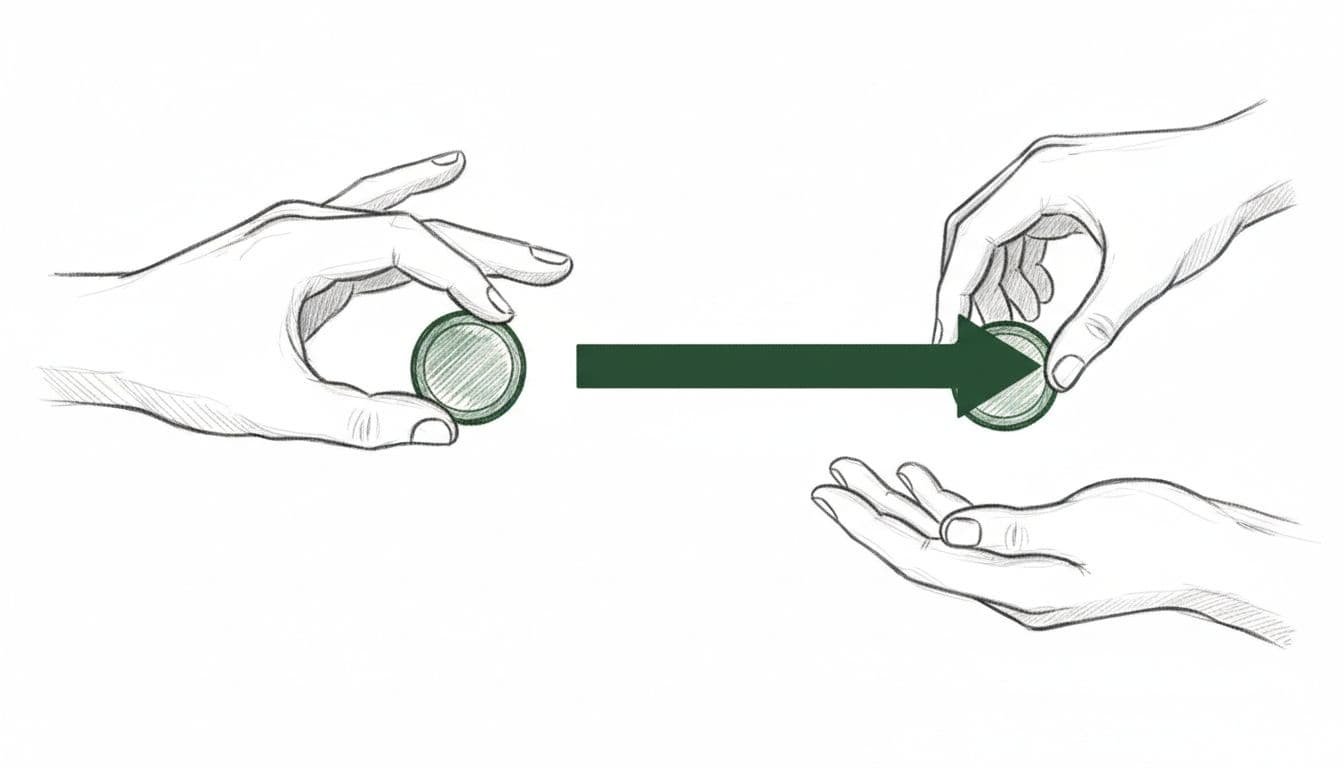
That doesn’t mean those costs vanish. They still exist. Someone still has to verify beneficiaries, prevent fraud, run accounts, handle compliance, and answer donor questions. In a genuine zero-leakage setup, those costs are covered somewhere else, often by founders, major donors, grants, or a separate funding pool.
Think of it like sending a parcel with postage already paid by someone else. Your package still travels through a system, but your contribution goes fully to what is inside the box.
A clear example of transparent routing is GiveDirectly’s explanation of where donations go. The point is not that every charity should copy that model. The point is clarity. You should be able to see the path.
Zero leakage is useful when it’s about honest fund routing, not when it’s used like a magic trick.
That last bit matters. Because “100% to the cause” sounds perfect, and perfection usually deserves a second look.
Why donors care, and where the promise can go wrong
Donors care because leakage kills confidence. If giving feels like pouring water into a cracked bucket, people hesitate, reduce their gift, or stop giving at all.
So yes, a zero-leakage promise can remove doubt. It can also make giving more personal. You know what your donation did. You know it wasn’t nibbled away by hidden deductions. For many supporters, that is the difference between one-off generosity and long-term trust.

But there is a catch. A claim like “100% goes to programmes” can confuse more than it clarifies. CharityWatch’s warning on “100% to programme” claims makes that point bluntly. If one pot covers all admin, another pot may appear cleaner than it really is. That’s not always dishonest, but it can be misleading if the organisation acts as though operating costs don’t matter.
They do matter. Bad admin is not noble. Underpaid teams, weak safeguarding, poor reporting, and flimsy controls can do real harm. That is why the old “overhead equals waste” idea has been challenged so often. Giving What We Can’s take on overhead costs is worth reading if you’ve ever judged a charity on admin spend alone.
Before you trust a zero-leakage claim, ask four plain questions:
- Is this true for every donation, or only for a named campaign?
- Who pays for operations, and is that arrangement stable?
- Does the organisation publish outcomes, not only expense ratios?
- Does it report mistakes, losses, or fraud openly?
That last question separates adults from marketers. An organisation serious about transparency should show you the awkward bits too, like how GiveDirectly reports risks and misconduct. If a group claims zero leakage but never talks about delivery risk, keep your eyebrows up.
What this changes in your giving decisions
For donors, the practical value is simple. A zero-leakage model gives you sharper line of sight. You can fund a tree, a nest box, a medical intervention, a meal, or a direct cash transfer and know your donation wasn’t trimmed on the way in.

That makes these models especially attractive when the work is tangible and trackable. If a mission says it will plant 5,000 mangroves or install 1,000 bird nests, donors naturally want direct funding and visible proof. Zero-leakage giving fits that mood well.
Still, it isn’t the only good way to give. Some of the strongest philanthropy is unrestricted, where donors trust capable organisations to use funds where they are needed most. The Chronicle of Philanthropy’s piece on no-strings giving shows why that approach can be powerful too.
So the smart donor move is not to worship the label. It’s to match the model to the mission.
If you want direct, ring-fenced action, zero-leakage donations make sense. If you want to back long-term capacity, research, staffing, or complex social work, unrestricted support may do more good. The best choice depends on what problem you are trying to solve, not on which slogan sounds cleanest.
Conclusion
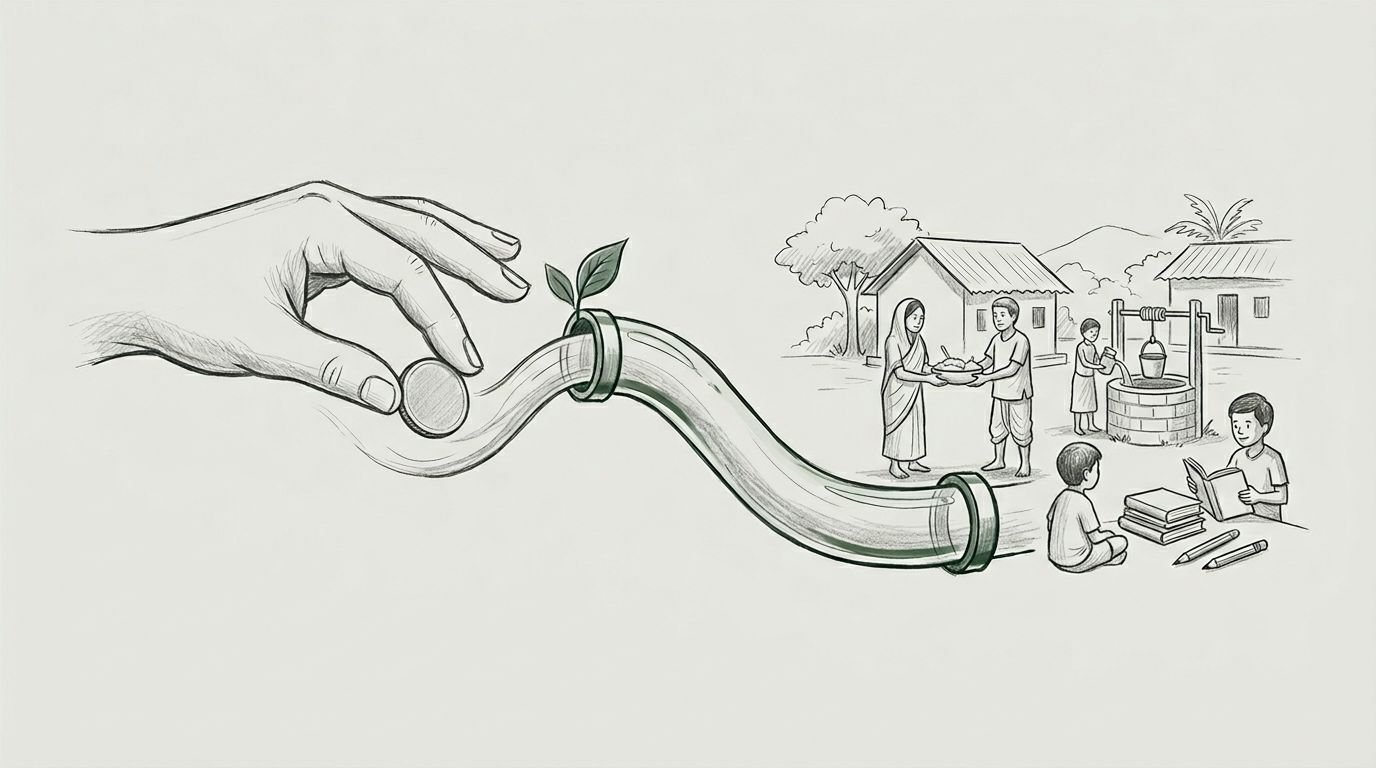
Zero leakage means less guesswork for donors. That is its strength. You don’t have to wonder how much vanished into the pipes before your gift reached the work.
But a good donation model is not built on a tidy phrase alone. It is built on transparency, honest reporting, and proof that the mission is working.
If that level of clarity matters to you, you can Contribute to Active Missions and support field-first interventions where funds go directly to the work on the ground. The right donation should feel clear before you give, not murky after.