How Grassroots NGOs Use Verified Field Reporting to Prove Impact
 TBH Editorial
A smiling photo proves almost nothing. For grassroots NGOs, trust grows when a field update shows who did what, where, when, and with whose consent.
That is the job of verified field reporting. When the evidence is clean, donors worry less, managers decide faster, and communities face fewer broken promises.
TL;DR: Verified field reporting gives grassroots NGOs checked proof of work, helps donors trust them, helps managers fix problems earlier, and works best when each update includes date, place, source, consent, and review.
First, it helps to be clear about what verification means on the ground.
What verified field reporting looks like in practice
A photo without context is a postcard. A verified report is evidence.
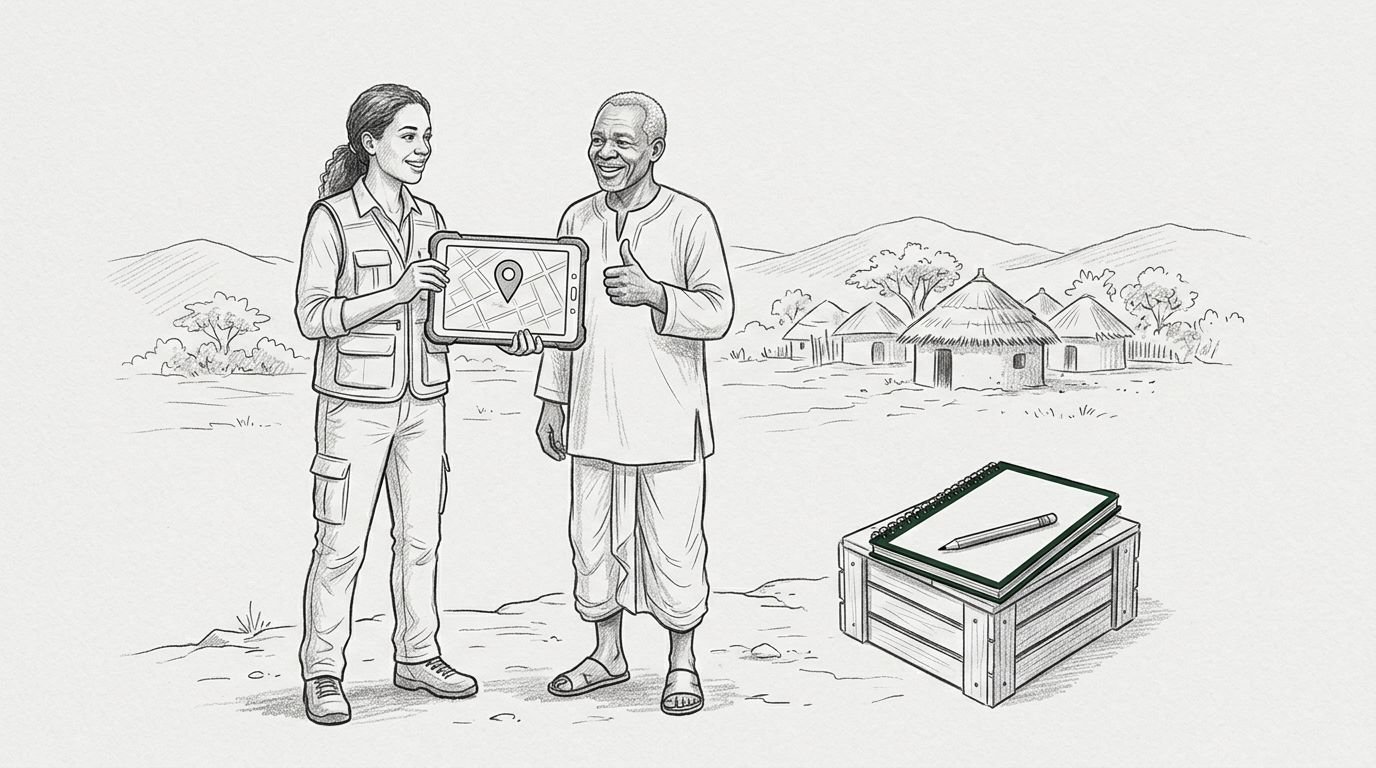
In most grassroots teams, verification starts with routine habits, not fancy software. A field worker records the activity, saves the date and location, notes who confirmed it, and gets consent before sharing images or quotes. Then someone else checks the file. That might be a supervisor, a village volunteer, or a programme lead.
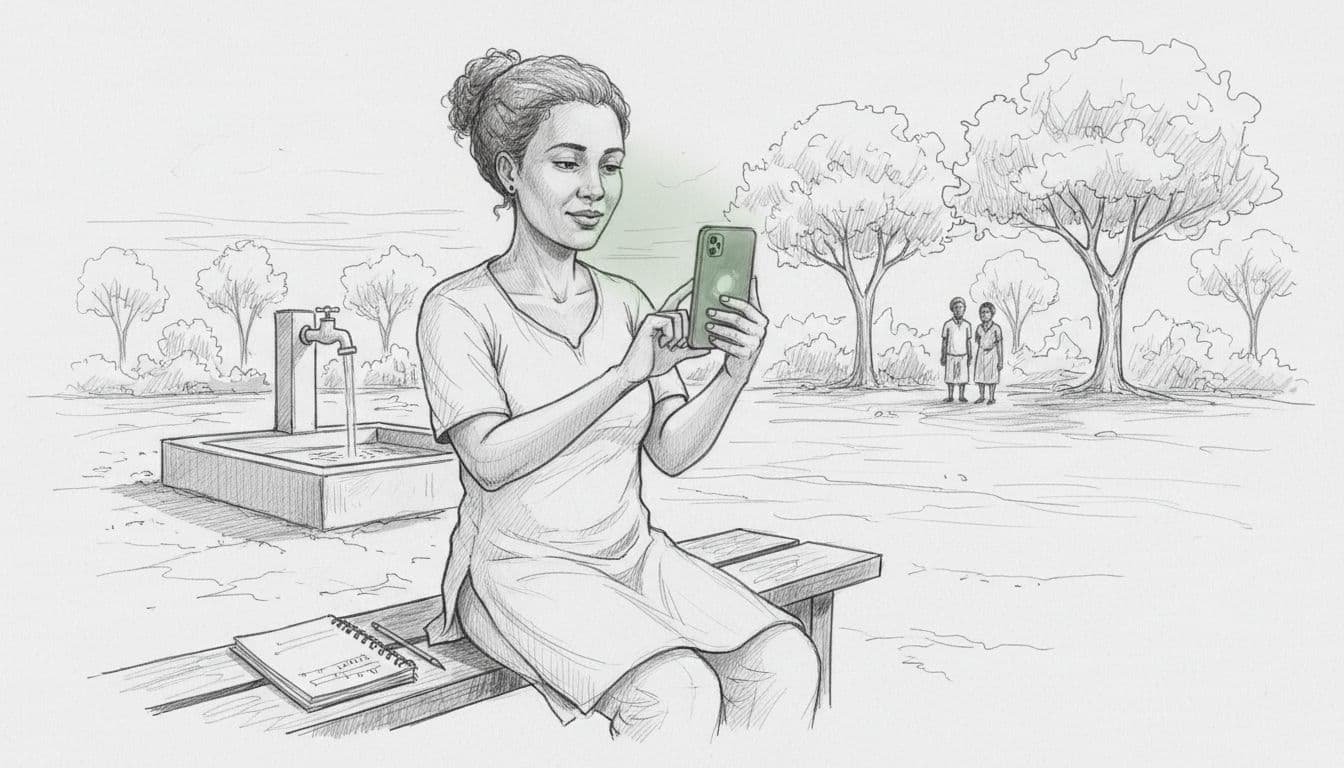
Grassroots teams in India often do this with phones, paper registers, and messaging apps. Expensive dashboards can wait. Clean habits cannot. Community confirmation also matters, because field staff can miss what local people notice, such as duplicate counts or a water point that fails every second day.
A solid field record usually includes:
- the date, time, and location
- the activity or output delivered
- a matched photo, video, or document
- a named reviewer or approval trail
- consent notes when people are identifiable
Verification turns a field story into a record other people can trust.
You can see this logic in public updates such as Sharana’s Cyclone Fengal relief efforts, where local reporting ties relief action to affected communities. Longer programme documents, such as the Goonj Maharashtra Impact Report, show the same principle at a wider scale, linking community work to visible outputs and local ownership.
Why donor trust rises when proof is specific
Donors have seen enough polished PDFs to know that polish is cheap. In 2026, many grant makers want field-to-donor transparency. They ask for proof that reaches beyond totals on a spreadsheet.
Time-stamped photos, local confirmation, clear beneficiary counts, and short outcome notes carry more weight than glowing adjectives. That lines up with advice in a Verified NGO List India guide, which highlights governance, finances, and proof from the field.
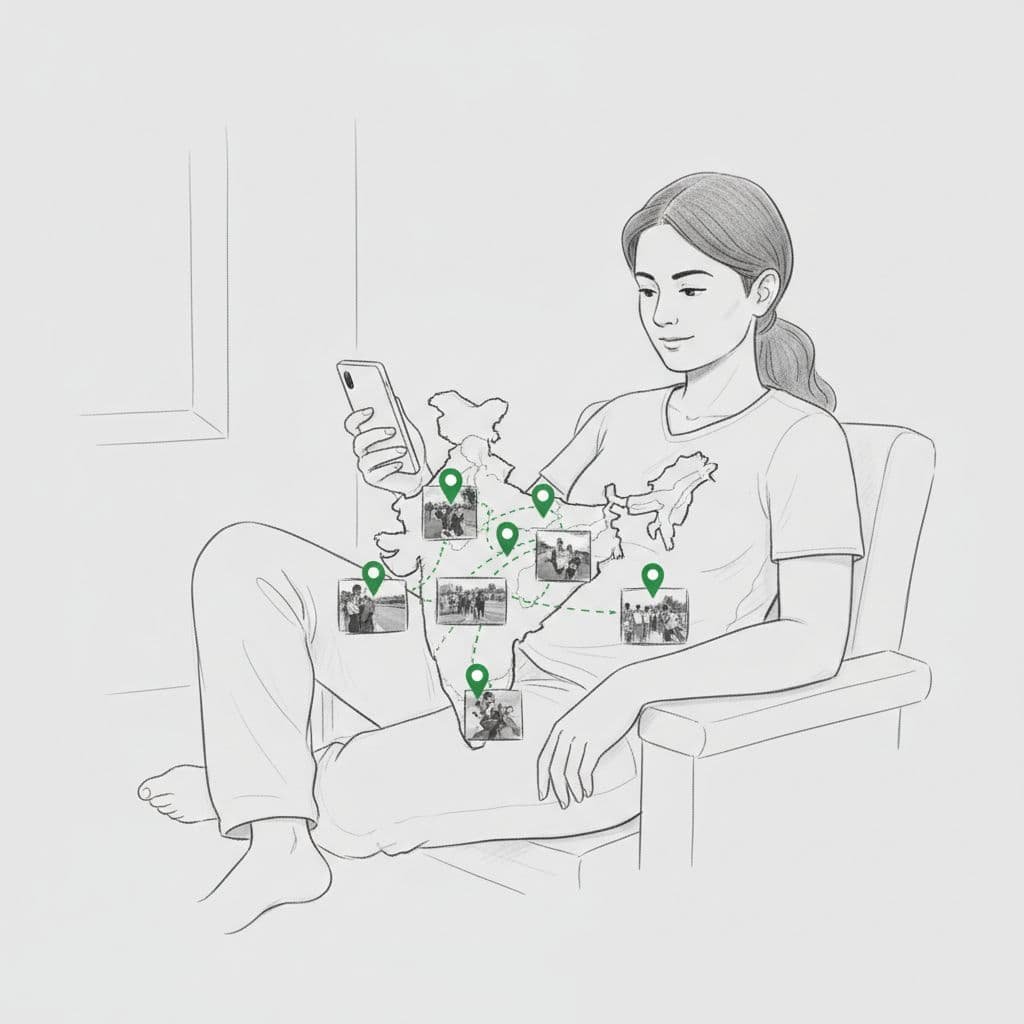
Specific proof also protects good NGOs from lazy suspicion. If a donor funded a ₹2 lakh water repair, they should see the site, the work completed, and who verified it. That is normal accountability, not a lack of trust.
Still, more data does not always create more confidence. Ten clean updates beat 50 random photos. Donors look for consistency, because consistency suggests the system works even when no one is watching. Grant writers benefit too. When evidence sits in order, proposals stop sounding inflated and start reading like a continuation of work already seen.
Good teams also respect limits. They do not turn grief into content. They blur faces when needed, protect survivor details, and avoid sharing material that could put families at risk. Evidence should support dignity, because trust built on harm does not last.
How field evidence improves programme decisions
The best use of verified field reporting is internal. It helps managers spot gaps before a donor does.
If attendance drops in three villages, the team can check travel routes, crop cycles, facilitator timing, or supply delays. Then they fix the weak point instead of writing around it. That is where reporting earns its keep.

Strong field evidence improves monitoring and decision-making because it reduces double counting, flags ghost beneficiaries, and shows whether an activity changed anything beyond the attendance sheet. It also saves teams from metric theatre. If a number cannot be checked, it should not be celebrated.
Long-term programmes need this even more. Change in farming, livelihoods, or social norms rarely appears in one neat snapshot. Coverage of Vaagdhara’s true farming model points to work that unfolds over seasons, with women central to decision-making. Without verified field reporting, that kind of slow progress is easy to miss, or worse, easy to exaggerate.
Many small NGOs now keep reporting simple on purpose. A short field note, one checked image, and one confirmed outcome can beat a 20-page report full of fog. Some funders are rewarding that approach, because evidence-rich updates save time and show actual performance. Managers also need rules for storage and access. Sensitive files should sit in secure folders, not in endless phone galleries.
Clear proof beats polished claims
A smiling photo still proves almost nothing. What changes the picture is verification, the small discipline of checking time, place, source, and consent before a report travels upward.
For grassroots NGOs, that discipline builds credibility, sharpens decisions, and protects the people behind the data. If you want to back work that keeps funds close to the field, Contribute to Active Missions is one example of direct support for zero-leakage action.
In a crowded NGO space, clear evidence still cuts through the noise.