
Why Climate Literacy Training Belongs in Every Manager Programme
 Saket Sambhav
TL;DR: Managers already make climate-linked decisions on suppliers, staffing, travel, sites and spend. If climate literacy training sits outside manager development, blind spots show up in risk, cost and culture.
Most organisations train managers on people, finance and compliance. Fair enough. But many still treat climate as a specialist topic for the sustainability team.
That split no longer makes sense. Managers decide how work gets done, what gets bought, how teams respond to disruption, and which risks get ignored until they become expensive. The smart move is simple: put climate literacy training inside the core manager programme.
Managers already make climate decisions
A manager doesn’t need the title Head of Sustainability to shape climate outcomes. Approving a supplier, changing travel rules, setting stock buffers, planning a site schedule during heat, or handling a flood-related delay are all climate-linked decisions.
Think of it like financial literacy. You don’t expect every manager to be an accountant, but you do expect them to read a budget and spot trouble early. Climate knowledge now sits in the same category. It’s working knowledge for people with authority.
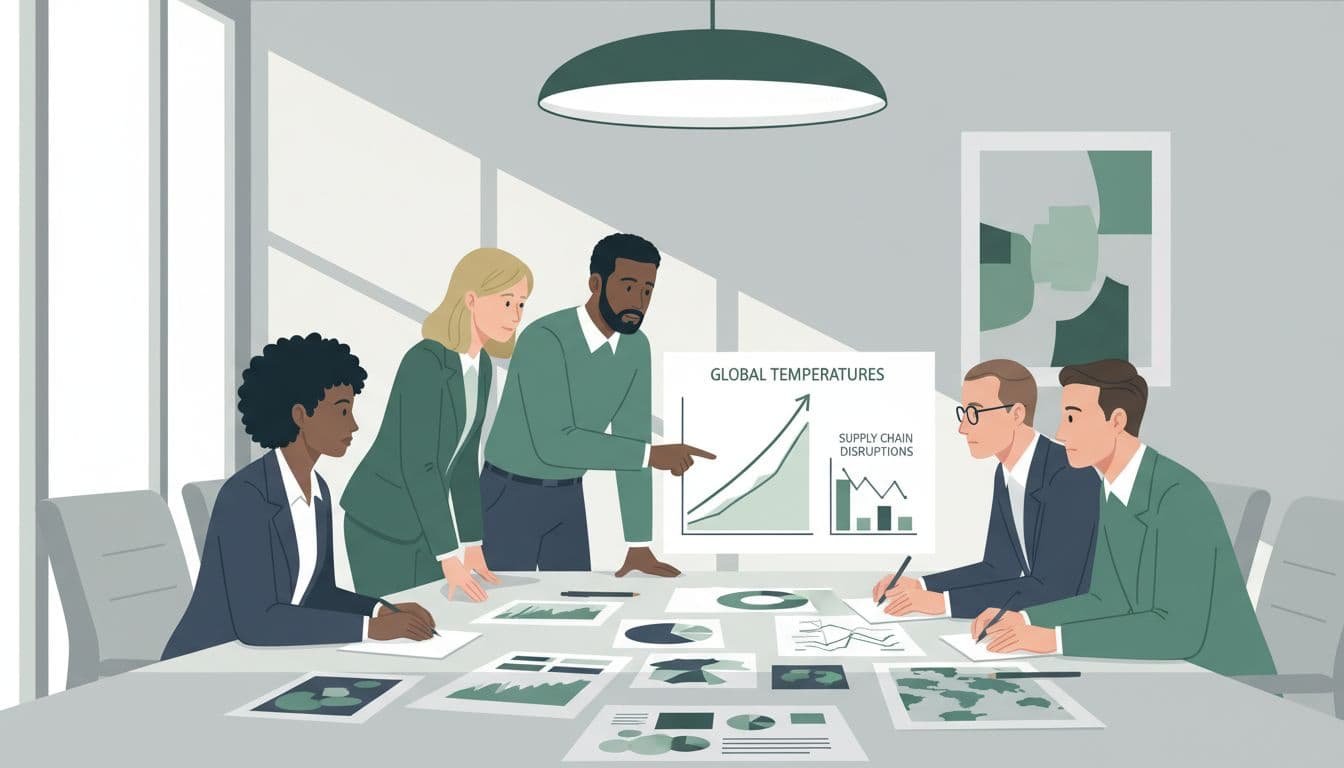
The business case is not abstract. Heat affects productivity. Flooding disrupts sites and logistics. Water stress hits suppliers. Insurance costs move. Customer and investor questions get sharper. The World Economic Forum’s 2026 Global Risks Report summary still puts environmental risks near the top of the pile. That should get the attention of anyone who designs manager training.
If someone can approve spend, shape workflow, or choose suppliers, they need climate literacy.
Without that literacy, climate turns into a clean-up task. Sustainability teams write the policy, then line managers make day-to-day calls that quietly undo it. Not out of malice, but because nobody trained them to connect climate with operations, people management, and risk.
That’s the gap. And it’s avoidable.
What better climate literacy training looks like
Good climate literacy training doesn’t drown managers in science. Nobody needs a lesson in atmospheric chemistry before lunch. They need practical judgement.
A climate-literate manager asks better questions. Where are our vulnerable suppliers? What happens to this team’s output during extreme heat? Will the cheaper option stay cheap if disruption hits? Are we solving today’s problem while building tomorrow’s risk?
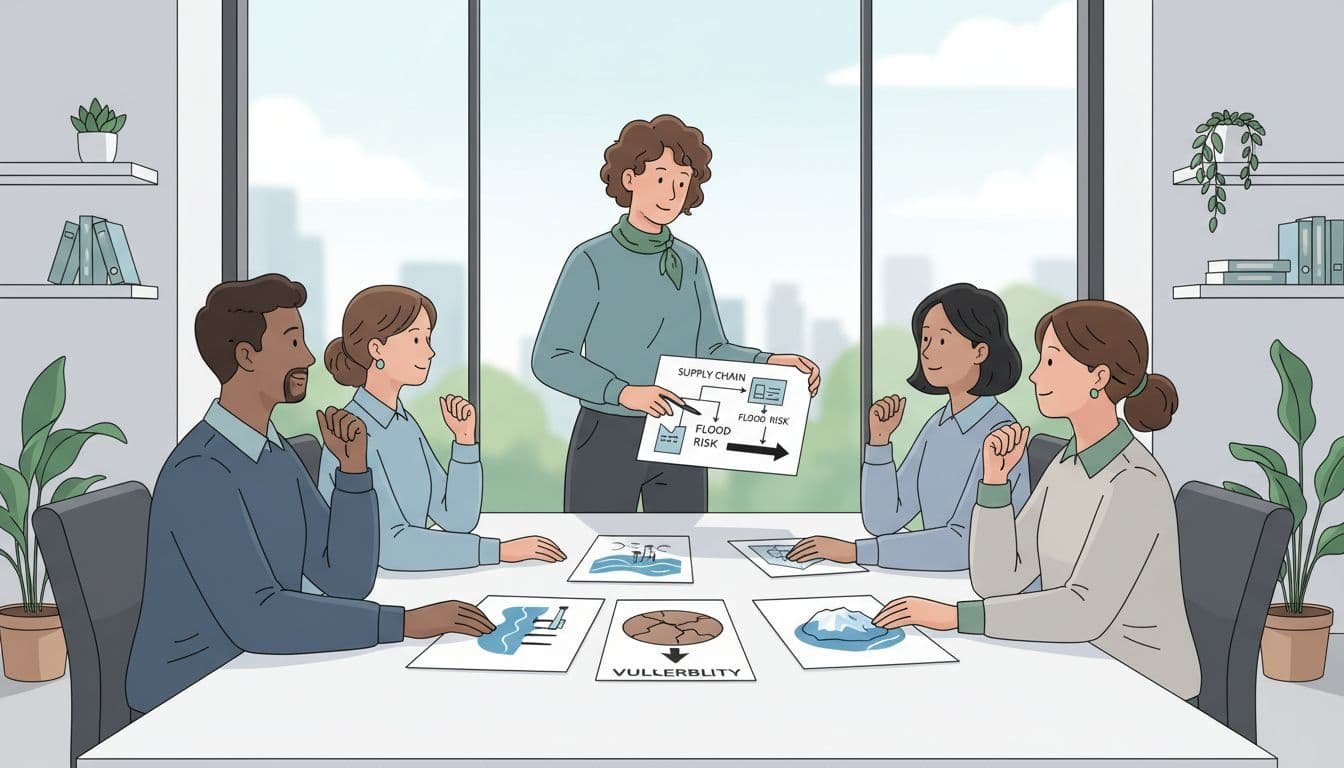
In plain terms, the training should help managers:
- spot physical risks such as heat, flooding and water stress
- understand transition pressures such as reporting, regulation and customer demands
- make trade-offs between short-term cost and long-term exposure
- explain changes to teams without hiding behind stiff corporate language
The market is already moving in this direction. Programmes such as Carbon Literacy for Leaders and Managers are built for senior decision-makers, not climate specialists. So is Make UK’s sustainability skills course for managers, which focuses on what supervisors and team leads need to understand in real workplaces.
That matters because awareness alone doesn’t stick. In 2026, the better programmes are role-based and action-based. They build shared language across the organisation, then ask managers to apply it to live decisions. That’s where learning stops being decorative and starts affecting outcomes.
Fit climate learning into the manager journey
The mistake is thinking this needs a giant new academy. It doesn’t. Most organisations can build climate literacy into the training they already run.
Start with points in the manager journey that already carry weight. First-time manager programmes. Promotion into budget ownership. Procurement training. Risk workshops. Site leadership inductions. Business continuity exercises. Climate belongs in those rooms because that’s where decisions happen.
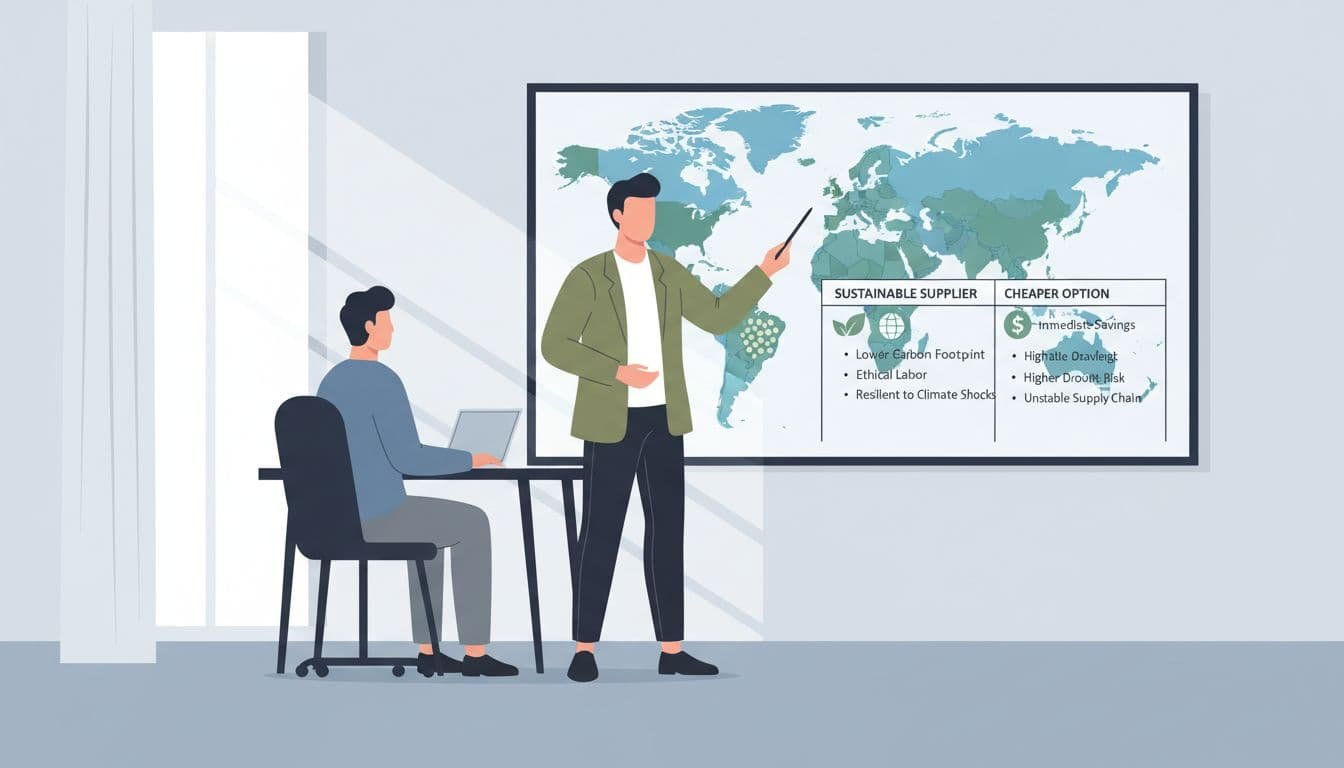
Use your own scenarios. A generic slide on melting ice won’t change behaviour. A scenario about a supplier hit by drought, a heatwave on a warehouse floor, or a client asking for emissions data probably will. Managers learn faster when the case feels uncomfortably familiar.
Keep the design tight. Give managers a baseline module, then tailor follow-up sessions by function. Operations managers need one angle. People managers need another. Procurement, facilities and finance need their own cases. Leadership-focused providers such as Climate Leadership Training already frame the topic around business decisions, which is where it belongs.
Then measure behaviour, not memory. Can managers stress-test a plan? Can they ask sharper supplier questions? Can they spot when a short-term saving creates a longer-term hit? If the answer is yes, the training is working.
This is also a culture issue. When managers understand the why, they stop treating climate action like a side request from head office. It becomes part of competent management. That shift is worth more than another poster campaign.
What smart organisations do next
The case is not complicated. Managers shape risk, cost, continuity and team behaviour every day. Leaving climate outside manager training is now a leadership gap.
If you want the learning to land, pair it with visible action. Teams can Contribute to Active Missions and support field projects where 100% of funds go directly to the work on the ground.
When managers can read climate risk as easily as a budget line, better decisions stop being rare. They become normal.