
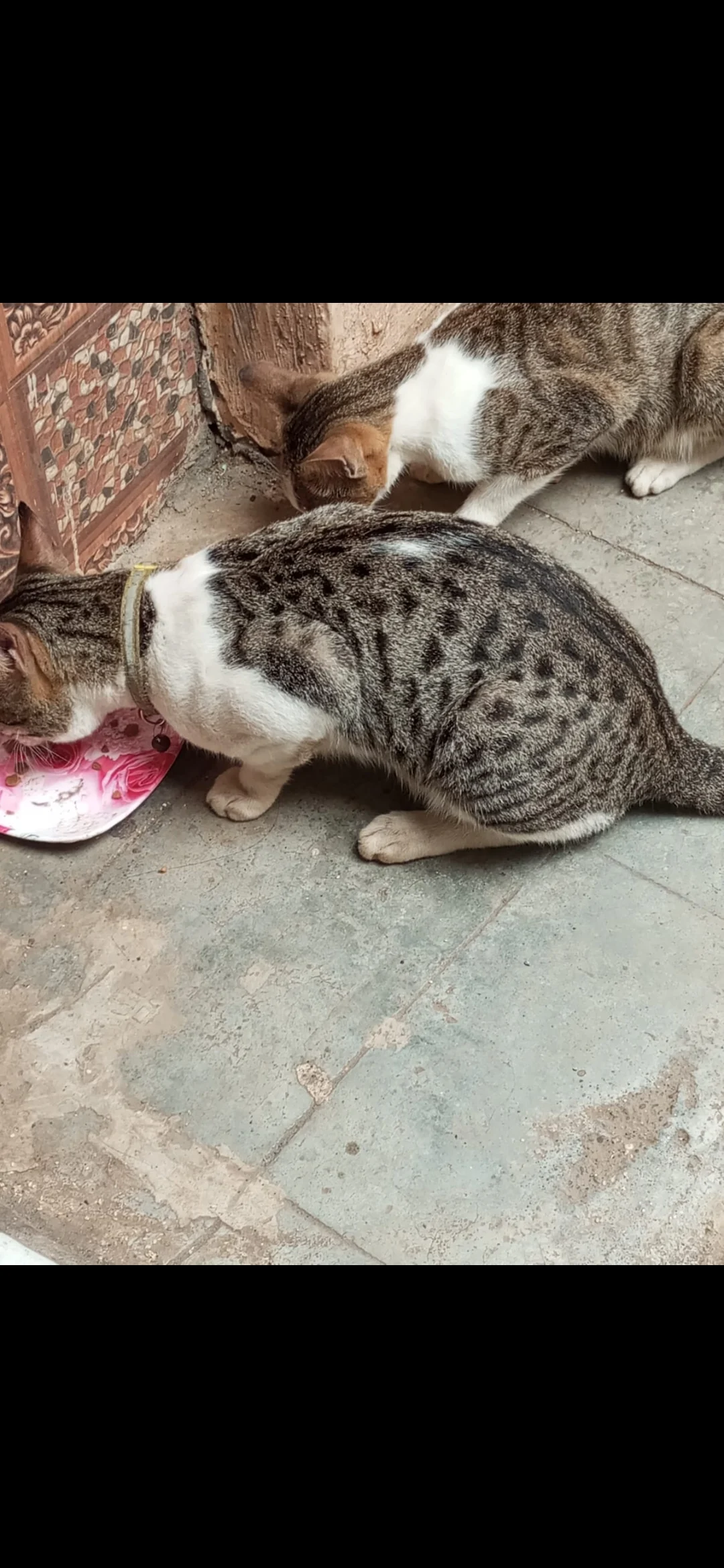
As part of my commitment to environmental stewardship and co-existing peacefully with urban wildlife, I regularly feed and care for local community animals. Supporting stray animals is an essential part of maintaining local biodiversity, compassion, and a balanced ecosystem. Small acts of kindness toward living beings make our community a better place for everyone

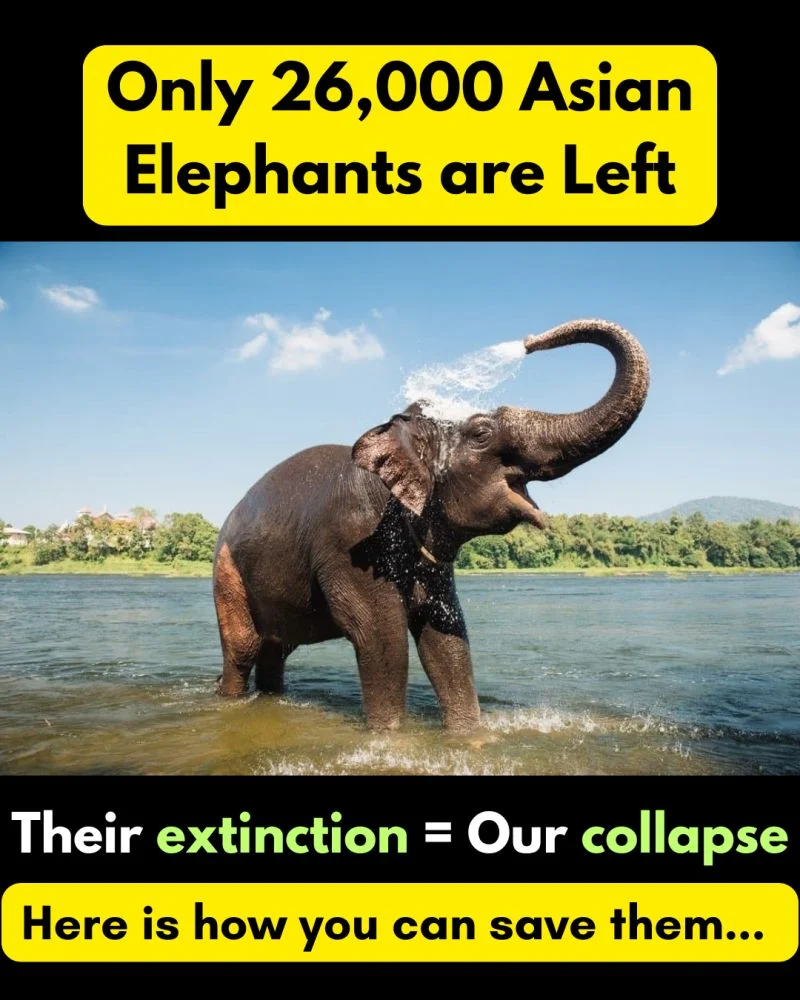
When we talk about the Asian Elephant, we often romanticize them as gentle giants or "pride of the nation" symbols.
But if you look through the lens of survival biology, elephants are something far more practical: they are the primary ecosystem ENGINEERS and GARDENERS of our forests.
Without them, entire forest structures collapse.
- Seed dispersal stops,
- forest paths close, and
- the biodiversity that keeps our air breathable and our water tables stable vanishes.
Harming them - or ignoring their decline - is quite literally harming our OWN future.
Right now, only about 26,000 Asian Elephants remain in India.
They are caught in a silent, high-stakes crisis across heavily fragmented landscapes: habitat degradation, linear development, and severe human-elephant conflict.
While my personal focus at The Better Human™ Life Foundation is on building transparent grassroots infrastructure and micro-missions, large-scale, landscape-level conservation requires heavy technical deployment.
This is where established institutional organizations like WWF-India play a vital role.
They are actively deploying tangible, on-ground technical solutions across the Nilgiri Western Ghats, Brahmaputra, and Terai Arc landscapes:
⚡ EARLY WARNING SYSTEMS:
Installing live wire electrocution detectors to prevent tragic accidental deaths.
🛰️ SCIENTIFIC MONITORING:
Using satellite and radio-collaring to study migratory routes and mitigate conflict before it hits adjacent villages.
🏡 COMMUNITY PROTECTION:
Deploying non-lethal solar fencing to protect local farmers' crops and households.
True environmentalism isn't a passive weekend hobby; it is a shared ecological DUTY.
To scale these critical field operations, institutional frameworks need resources.
If you believe in ensuring our ecosystems remain intact, consider standing with them.
Every bit of structural support directly translates to a safer, shared space for both wildlife and local communities.
👉 Learn more and support their baseline conservation work directly here: https://lnkd.in/dTeSPTUH
#Conservation #SurvivalBiology #WildlifeProtection #EcosystemEngineers #Sustainability #WWFIndia #TheBetterHuman